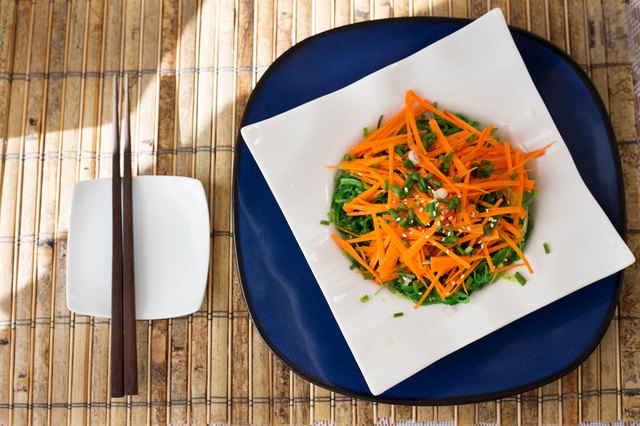
Seaweed salad is one of those dishes that looks like it came from a restaurant kitchen with a tiny pair of tweezers and a chef who says “balance” a lot. Good news: you can make it at home in about 15 minutes, and no dramatic sushi-counter lighting is required. With dried wakame, a bright sesame-soy dressing, a little crunch from cucumber or carrots, and a sprinkle of toasted sesame seeds, homemade seaweed salad becomes fresh, savory, lightly sweet, and pleasantly chewy.
This guide shows you how to make seaweed salad from scratch using simple ingredients you can find at most Asian markets, larger grocery stores, or online. You will learn how to rehydrate seaweed properly, how to build a balanced dressing, how to avoid watery salad, and how to customize the recipe with spicy, citrusy, or extra-crunchy variations.
The main keyword here is simple: how to make seaweed salad. But the real mission is even simpler: make a bowl of seaweed that tastes refreshing instead of suspiciously like ocean laundry. Let’s do it.
What Is Seaweed Salad?
Seaweed salad is a chilled salad made with edible sea vegetables, most commonly wakame. In Japanese-style versions, the seaweed is rehydrated, drained, and tossed with a dressing made from rice vinegar, soy sauce, toasted sesame oil, sugar, ginger, and sesame seeds. The final flavor is salty, tangy, slightly sweet, nutty, and full of umami.
Many restaurant versions include bright green seaweed strands with a glossy sesame dressing. Some versions are simple and clean, while others include cucumber, carrot, radish, scallions, chili flakes, or a touch of mirin. Homemade seaweed salad gives you full control over sweetness, sodium, texture, and heat. That means no mystery neon-green puddle at the bottom of the bowl unless you are emotionally attached to mystery puddles.
Best Seaweed for Seaweed Salad
Wakame
Wakame is the best choice for classic seaweed salad. It is usually sold dried, cut into small pieces, and expands dramatically after soaking. The texture is tender but still slightly chewy, which makes it ideal for salads.
Kombu
Kombu is thicker and often used for making dashi, a Japanese broth. You can slice cooked or soaked kombu into thin strips for salad, but it will be firmer and more intense than wakame.
Mixed Seaweed
Some stores sell seaweed salad mix with wakame, agar, kelp, and other sea vegetables. These blends create more color and texture. If you use a mix, follow the package soaking directions because different types hydrate at different speeds.
Ingredients You Need
This recipe makes about 4 small side servings.
For the Salad
- 3/4 cup dried cut wakame seaweed
- 4 to 6 cups cold water, for soaking
- 1 small cucumber, thinly sliced
- 1 small carrot, julienned or grated
- 2 scallions, thinly sliced
- 1 tablespoon toasted white or black sesame seeds
- Optional: thinly sliced radish, edamame, avocado, or cilantro
For the Sesame Dressing
- 2 tablespoons rice vinegar
- 1 1/2 tablespoons soy sauce or tamari
- 1 tablespoon toasted sesame oil
- 1 teaspoon sugar, honey, or maple syrup
- 1 teaspoon grated fresh ginger
- 1/2 teaspoon mirin, optional
- 1/2 teaspoon chili flakes or chili oil, optional
- 1 teaspoon lime juice, optional for brightness
How to Make Seaweed Salad Step by Step
Step 1: Rehydrate the Wakame
Place the dried wakame in a large bowl and cover it with plenty of cold water. Let it soak for 5 to 10 minutes, or until the seaweed softens and expands. Do not panic when a tiny handful becomes a full bowl. Wakame has a flair for drama.
Once rehydrated, drain the seaweed in a colander. Rinse briefly under cold water to remove excess saltiness. Then squeeze it gently but firmly with your hands to remove as much water as possible. This step matters because watery seaweed will dilute the dressing and turn your salad into a sad tide pool.
Step 2: Slice the Vegetables
Thinly slice the cucumber. If the cucumber is very watery, sprinkle it lightly with salt and let it sit for 5 minutes, then pat it dry. This keeps the salad crisp instead of soggy. Julienne or grate the carrot, then slice the scallions. If you are adding radish, avocado, or edamame, prepare those now as well.
Step 3: Make the Dressing
In a small bowl, whisk together rice vinegar, soy sauce, toasted sesame oil, sugar, grated ginger, and optional mirin or chili flakes. Taste the dressing. It should be tangy first, savory second, lightly sweet third, and nutty all the way through.
If it tastes flat, add a splash more vinegar or lime juice. If it tastes too sharp, add a pinch more sugar. If it tastes too salty, add a tablespoon of water or a little more cucumber to balance it.
Step 4: Toss Everything Together
Add the drained seaweed, cucumber, carrot, and scallions to a mixing bowl. Pour the dressing over the top and toss gently until everything is evenly coated. Add sesame seeds and toss again.
Let the salad rest in the refrigerator for 10 to 15 minutes before serving. This short chill allows the flavors to mingle politely instead of standing awkwardly in separate corners.
Step 5: Serve Chilled
Serve seaweed salad cold as a side dish, appetizer, or topping for rice bowls, poke bowls, sushi bowls, grilled fish, tofu, or noodles. Add a final sprinkle of sesame seeds and scallions before serving for extra texture and visual appeal.
Tips for the Best Homemade Seaweed Salad
Do Not Oversoak the Seaweed
Most dried wakame only needs 5 to 10 minutes in cold water. Oversoaking can make the texture too soft. The goal is tender and springy, not limp and defeated.
Squeeze Out Extra Water
This is the most important technique in the recipe. After soaking, squeeze the seaweed well. Excess water weakens the dressing and makes the salad taste bland.
Use Toasted Sesame Oil
Regular sesame oil is mild, while toasted sesame oil is rich, nutty, and aromatic. For seaweed salad, toasted sesame oil gives the dressing its signature flavor.
Balance Sweet, Salty, Sour, and Umami
A good seaweed salad dressing should not taste like straight soy sauce. Rice vinegar adds brightness, sugar softens the acidity, sesame oil adds depth, and ginger gives a clean, peppery lift.
Add Crunch
Seaweed is chewy and tender, so crunchy ingredients make the salad more exciting. Cucumber, carrot, radish, sesame seeds, and scallions all work beautifully.
Flavor Variations
Spicy Seaweed Salad
Add chili oil, sriracha, gochugaru, or crushed red pepper flakes to the dressing. Start small. Seaweed carries flavor quickly, and nobody wants a side dish that fights back too aggressively.
Cucumber Seaweed Salad
Double the cucumber for a lighter, crunchier salad. English cucumbers or Persian cucumbers work best because they have thin skins and fewer seeds.
Avocado Seaweed Salad
Add diced avocado just before serving. The creamy texture balances the tangy dressing and makes the salad feel more substantial.
Protein-Packed Seaweed Salad
Add shelled edamame, tofu cubes, cooked shrimp, crab, or seared tuna. This turns the salad from a side dish into a light lunch.
Citrus Seaweed Salad
Add lime juice, orange zest, or yuzu juice if you have it. Citrus makes the salad brighter and especially good with seafood.
What to Serve With Seaweed Salad
Seaweed salad is flexible and plays nicely with many dishes. Serve it with sushi rolls, miso soup, grilled salmon, teriyaki chicken, tofu bowls, soba noodles, or steamed rice. It is also excellent next to dumplings, tempura vegetables, poke bowls, or a simple lunch plate with rice and eggs.
Because it is cool, tangy, and refreshing, seaweed salad pairs especially well with rich or savory foods. Think of it as the crisp, ocean-flavored friend that shows up and says, “Maybe we do not need another fried thing.” Sometimes that friend is right.
How to Store Seaweed Salad
Store homemade seaweed salad in an airtight container in the refrigerator for up to 2 days. The texture is best on the first day, but it remains tasty the next day if you squeezed the seaweed well and did not overdress it.
If you are meal prepping, store the dressing separately and toss it with the seaweed and vegetables shortly before serving. This keeps cucumber and carrots crisp. Avoid freezing seaweed salad because the texture becomes unpleasant after thawing.
Is Seaweed Salad Healthy?
Seaweed salad can be a nutritious side dish when eaten in reasonable portions. Seaweed is naturally low in calories and may provide minerals, fiber, and iodine. Wakame also has a pleasant umami flavor, which can help a small serving feel satisfying.
However, seaweed can be high in iodine, and iodine levels vary widely depending on the type of seaweed and where it was harvested. People with thyroid conditions, people taking thyroid medication, pregnant people, and anyone eating seaweed very often should ask a healthcare professional for personalized advice. In other words, enjoy your salad, but do not turn your pantry into an underwater mineral experiment.
To make seaweed salad lighter, use low-sodium soy sauce, reduce added sugar, and add more cucumber or leafy greens. To make it more filling, pair it with tofu, fish, edamame, or rice.
Common Mistakes to Avoid
Using Too Much Dried Seaweed
Dried wakame expands a lot. Start with less than you think you need. A small amount can become several servings after soaking.
Skipping the Rinse
Some dried seaweed can be salty. A quick rinse after soaking helps control the final flavor.
Adding Dressing Too Early
If the salad sits too long in dressing, cucumber and other vegetables can release water. For the best texture, dress the salad shortly before serving or no more than a few hours ahead.
Forgetting Acidity
Rice vinegar is not optional if you want a balanced salad. Without acidity, the dish can taste heavy and overly salty.
Quick Recipe Card
Homemade Seaweed Salad
Prep time: 15 minutes
Chill time: 10 minutes
Total time: 25 minutes
Servings: 4 small side servings
Ingredients
- 3/4 cup dried wakame
- 1 small cucumber, thinly sliced
- 1 small carrot, julienned
- 2 scallions, sliced
- 1 tablespoon toasted sesame seeds
- 2 tablespoons rice vinegar
- 1 1/2 tablespoons soy sauce or tamari
- 1 tablespoon toasted sesame oil
- 1 teaspoon sugar
- 1 teaspoon grated ginger
- Optional: chili flakes, mirin, lime juice, radish, avocado, or edamame
Instructions
- Soak dried wakame in cold water for 5 to 10 minutes until softened.
- Drain, rinse, and squeeze out excess water.
- Slice cucumber, carrot, and scallions.
- Whisk rice vinegar, soy sauce, sesame oil, sugar, ginger, and optional chili flakes.
- Toss seaweed and vegetables with dressing.
- Chill for 10 to 15 minutes.
- Garnish with sesame seeds and serve cold.
Frequently Asked Questions About Seaweed Salad
Can I make seaweed salad ahead of time?
Yes. You can make it a few hours ahead and refrigerate it. For the best crunch, keep the dressing separate until close to serving time.
Can I use fresh seaweed?
Yes, if you can find food-grade fresh seaweed from a trusted source. Rinse it well and follow any package instructions. Fresh seaweed may need blanching depending on the type.
Why is my seaweed salad watery?
The seaweed probably was not squeezed dry enough, or the cucumber released too much moisture. Drain and squeeze the wakame thoroughly, and pat cucumbers dry before mixing.
Is seaweed salad vegan?
Most homemade seaweed salad is vegan if you use sugar, maple syrup, or another plant-based sweetener. If you use honey, it is vegetarian but not strictly vegan.
Can I make it gluten-free?
Yes. Use gluten-free tamari instead of regular soy sauce, and check labels on mirin, chili sauce, and packaged seaweed.
Kitchen Experiences: What I Learned Making Seaweed Salad at Home
The first time many home cooks make seaweed salad, they underestimate dried wakame. It looks harmless in the package, like dark green confetti for a very serious party. Then it hits water and expands like it has been waiting years for this moment. The lesson is simple: measure before soaking, and do not pour half the bag into the bowl unless you are feeding a yoga retreat.
Another practical lesson is that texture matters more than people expect. Seaweed salad should be tender, cool, and lightly chewy, but it should not be slippery in a way that makes you question your dinner choices. The difference often comes down to draining. After soaking, let the wakame sit in a colander for a minute, then squeeze it by hand. It may feel odd the first time, but it is the secret to restaurant-style texture. If the seaweed is too wet, even the best dressing becomes weak and diluted.
The dressing also teaches a useful cooking rule: small ingredients can make big changes. A half teaspoon of sugar can soften vinegar. A few drops of sesame oil can change the entire aroma. A little grated ginger can wake up the whole bowl. This is not a recipe where you need fancy techniques. You just need to taste and adjust. If the salad tastes too salty, add more cucumber. If it tastes too sharp, add a tiny bit more sweetener. If it tastes boring, add ginger, sesame seeds, or a squeeze of lime.
One of the best home-cooking upgrades is adding cucumber. Seaweed alone is delicious, but cucumber brings crunch and freshness. Persian cucumbers are especially good because they are crisp and not too watery. If using a large garden cucumber, remove some seeds and pat the slices dry. This small step keeps the salad from turning watery in the fridge.
For family meals, seaweed salad works well as a side dish because it brings contrast. Next to grilled salmon, it tastes clean and bright. With rice bowls, it adds color and a tangy bite. With tofu, it makes the plate feel more complete. It is also a smart make-at-home dish because restaurant seaweed salad can be surprisingly expensive for a small scoop. At home, one package of dried wakame can make several batches.
The final experience worth sharing is this: seaweed salad gets better when you stop trying to copy every restaurant version exactly. Some restaurants use extra sugar, food coloring, or prepared seaweed mixes. Homemade seaweed salad can be simpler and fresher. You can make it less sweet, more gingery, spicier, crunchier, or lighter. Once you understand the basic formula of rehydrated wakame plus sesame-vinegar dressing, the recipe becomes easy to personalize.
So start with the classic version, taste as you go, and let your refrigerator do a short flavor-marination victory lap. In less than half an hour, you will have a fresh, savory, ocean-kissed salad that tastes special but requires almost no cooking. That is the kind of kitchen magic we can all get behind.
Conclusion
Learning how to make seaweed salad at home is easier than it looks. The key is to use dried wakame, soak it briefly, squeeze it well, and toss it with a balanced dressing made from rice vinegar, soy sauce, toasted sesame oil, ginger, and a touch of sweetness. Add cucumber, carrot, scallions, sesame seeds, or chili flakes for texture and personality.
This homemade seaweed salad is refreshing, quick, customizable, and perfect as a side dish for sushi bowls, seafood, tofu, noodles, or rice. Once you make it yourself, you may never look at the tiny restaurant portion the same way again.
Note: This article is intended for general cooking and educational purposes. People with thyroid conditions, iodine restrictions, allergies, or special dietary needs should seek personalized advice from a qualified healthcare professional.