An emergency rarely checks your calendar before barging in. It does not care that a teenager has an algebra test tomorrow, hA well-planned emergency kit for teenage girls handles basic survival needs while also covering the personal details that can make a stressful situation far more manageable.
The goal is not to pack an enormous backpack that requires Olympic-level strength to lift. The goal is to create a practical, personalized kit that helps a teen stay safe, clean, informed, comfortable, and connected during a power outage, evacuation, severe storm, wildfire, earthquake, transportation delay, or other unexpected event.
Start With the Right Kind of Emergency Kit
One bag cannot perfectly serve every emergency. A smarter approach is to prepare three related kits: a household emergency supply kit, a portable evacuation bag, and a small everyday personal pouch.
1. The household emergency supply kit
This larger kit stays at home and supports the entire family. It should contain enough water, nonperishable food, lighting, sanitation supplies, first-aid materials, batteries, medications, and other essentials for several days. Federal preparedness guidance commonly recommends at least three days of basic supplies, although families may need more depending on local hazards and medical needs. portable go-bag
A go-bag is designed for evacuation. It should be light enough for the teenager to carry without help and organized well enough that important items can be found in the dark. A school backpack, small hiking pack, or durable daypack with several compartments usually works better than a fashionable tote with one mysterious black hole in the middle.
3. The everyday emergency pouch
This small zippered pouch can live in a school backpack, sports bag, locker, or purse. It is not a disaster-survival kit. Instead, it covers common teenage emergencies such as an unexpected period, a minor stain, a dead phone, a loose button, a small scrape, or an afternoon when hunger turns everyone into a character from a low-budget zombie movie.
Choose a Practical Bag
For the portable teen emergency kit, choose a backpack that is comfortable, water-resistant, and easy to identify. Wide padded straps are helpful, especially when the bag contains water. Reflective details can improve visibility at night, while a luggage tag or waterproof identification card can help the bag find its way home if it is misplaced.
A fully packed go-bag should not be so heavy that the teenager avoids carrying it. Place dense items near the center of the back, divide supplies into smaller pouches, and remove unnecessary duplicates. A three-pound beauty organizer containing twelve lip products may be emotionally impressive, but it is not an efficient evacuation strategy.
Pack the Core Emergency Supplies First
Teen-specific items matter, but they should be added after the basic emergency necessities. Every member of the family needs access to safe water, food, lighting, communication, first aid, and reliable information.
Water
Store bottled water in the household kit and include at least one manageable bottle in the portable bag. Water is needed for drinking, taking medicine, and basic hygiene. Ready.gov and the American Red Cross recommend planning around one gallon per person per day for drinking and sanitation, with at least a three-day evacuation supply when space permits. xpect a teenager to carry several gallons in a backpack. The family’s larger water supply should remain in the home kit or vehicle. The go-bag can include a refillable bottle and, where appropriate, a commercially made water filter or purification product used exactly according to its instructions. During a water emergency, use properly stored bottled water or follow official local treatment instructions. ishable food
Choose foods the teenager already likes and can eat without cooking. Good options include granola bars, nut-free protein bars, crackers, dried fruit, shelf-stable fruit cups, jerky, sunflower-seed butter packets, and ready-to-eat cereal. Check labels carefully for allergies.
Avoid packing only ultra-salty snacks because they can increase thirst. Also avoid foods that melt, leak, or become a science experiment in a hot car. Familiar food can be reassuring during a stressful event, especially for young people with sensory preferences or dietary restrictions. Pediatric preparedness guidance recommends testing emergency foods beforehand rather than discovering during an evacuation that nobody will eat them. and signaling tools
- A compact LED flashlight or headlamp
- Spare batteries stored separately
- A whistle for attracting attention
- Glow sticks as backup lighting
- A battery-powered or hand-crank emergency radio
A headlamp is especially useful because it leaves both hands free. Test every light before packing it, and teach the teen how to replace the batteries. A flashlight that has been lovingly stored for four years with corroded batteries is less of a tool and more of an archaeological exhibit.
Phone and communication supplies
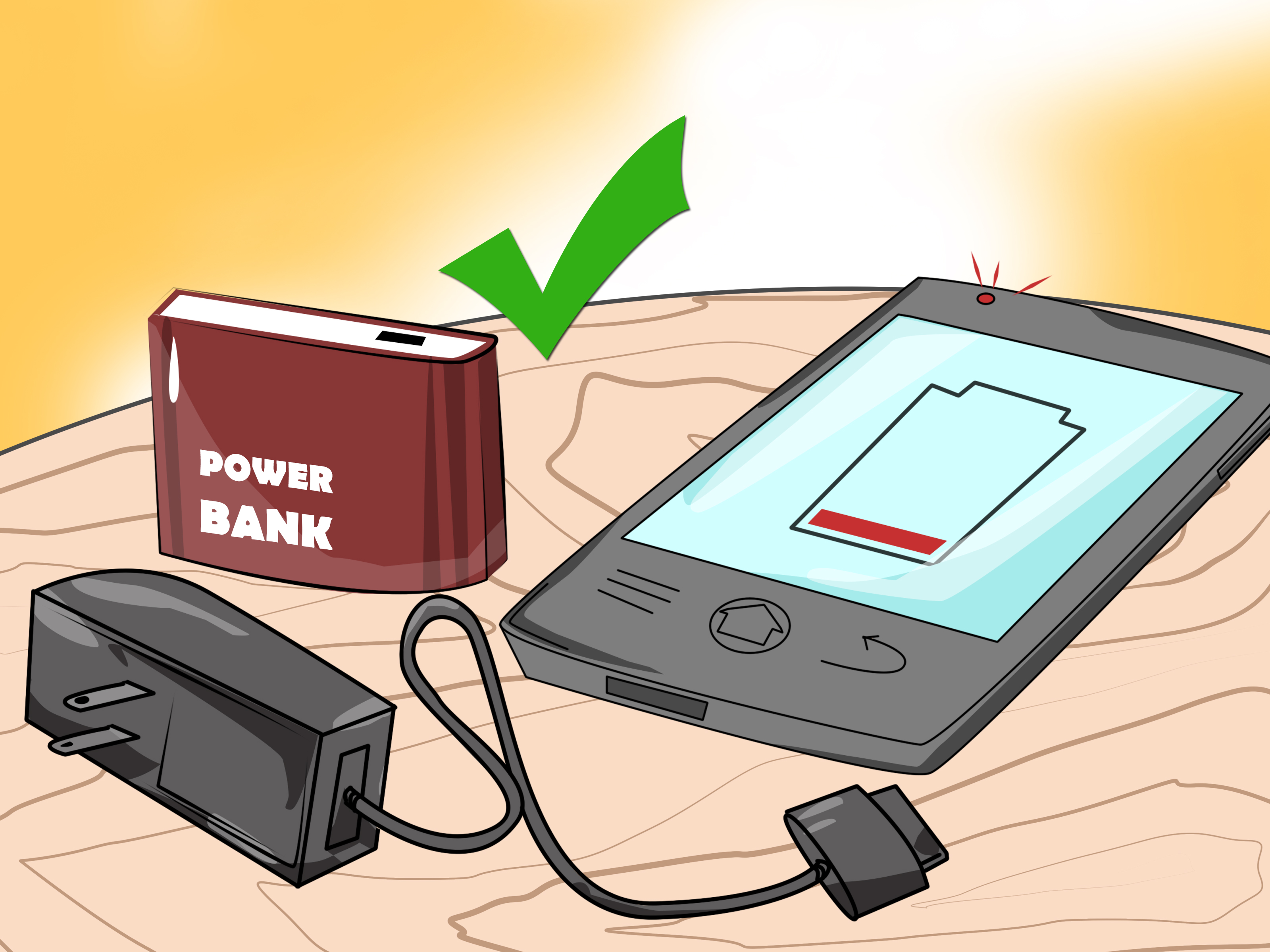
- A fully charged portable power bank
- A compatible charging cable
- A wall charger and vehicle adapter, when useful
- A waterproof paper contact list
- A printed family communication plan
- A local map with meeting locations marked
Phones can be damaged, lost, locked, or unable to connect. The teenager should know at least one important phone number from memory and carry written contact information for parents, caregivers, nearby relatives, doctors, and an out-of-area contact. During network congestion, brief text messages may go through when voice calls do not. The FCC also recommends conserving battery power and limiting nonessential calls during emergencies.
Create a Period Emergency Kit
Menstrual supplies are among the most important additions to an emergency kit for teenage girls. Stress, disrupted routines, and ordinary cycle variation can make the timing of a period difficult to predict. The kit should contain enough supplies for several days, even if the teenager is not expecting her period.
Recommended menstrual supplies
- Pads in at least two absorbency levels
- Tampons, if she already knows how to use them safely
- Period underwear as backup protection
- Panty liners
- Two or three pairs of clean underwear
- Opaque disposal bags or sealable plastic bags
- Unscented personal wipes for external use
- A small roll of toilet paper or pocket tissues
- Hand sanitizer
Let the teenager choose the products she is comfortable using. An emergency is not the ideal time to introduce an unfamiliar menstrual cup or a new tampon style. Pads are often easiest where clean water, privacy, and handwashing facilities are limited.
Menstrual products should be changed according to their instructions and before they become soaked. Tampons should not be worn for longer than eight hours because of the risk of toxic shock syndrome. Unscented products are generally the better choice because fragrances, deodorant sprays, and strongly scented wipes may cause irritation. discreet change-of-clothes bundle
Pack underwear, leggings or lightweight pants, socks, and a T-shirt in a waterproof compression bag. Dark-colored bottoms can reduce embarrassment if a period leak occurs. A large sweatshirt can provide warmth, sun protection, privacy, and emergency stain coveragethe Swiss Army knife of teenage clothing.
Add Personal Hygiene Supplies
A disaster kit does not need to reproduce an entire bathroom cabinet. It should contain compact items that help the teenager stay reasonably clean when water, electricity, or privacy is limited.
- Travel-size toothbrush and toothpaste
- Unscented soap or cleansing cloths
- Deodorant
- Hand sanitizer containing at least 60 percent alcohol
- Comb or hairbrush
- Hair ties, clips, or a headband
- Lip balm
- Sunscreen
- Face masks, if needed for smoke, dust, illness, or crowded shelters
- A quick-dry washcloth and small towel
- Trash bags for wet or dirty items
Products should be small, leak-resistant, and familiar. Skip glass bottles, aerosol sprays, and strongly fragranced products. Personal emergency needs include supplies that protect physical health as well as emotional comfort, so customization matters more than copying a generic checklist word for word.
Prepare Medications and First-Aid Supplies Carefully
Every portable kit should contain basic first-aid materials, but medication requires adult supervision and medical guidance. Parents or caregivers should check school policies and local rules before placing any medicine in a teenager’s school bag.
Basic first-aid items
- Adhesive bandages in several sizes
- Sterile gauze pads and medical tape
- Antiseptic wipes
- Disposable medical gloves
- Tweezers
- A cold pack
- An elastic bandage
- A digital thermometer
- Blister treatment
- A first-aid instruction card
A first-aid kit should be inspected regularly and customized with personal medical information and supplies recommended by a healthcare professional. iption medicines and medical devices
Include prescribed rescue medicines such as an inhaler, epinephrine auto-injector, seizure medication, or diabetes supplies only under the teen’s established medical plan. Keep medicines in original labeled packaging whenever possible. Add a written list containing the medication name, dose, schedule, purpose, allergies, prescriber, pharmacy, and emergency instructions.
Families should ask a doctor or pharmacist how to create an emergency medication supply. Medicines and records should be protected from water, extreme heat, and contamination. Refrigerated medicines require a specific backup plan because storage limits vary by product. Never guess whether a heat-damaged, flooded, or improperly stored medication is safe; contact a pharmacist, healthcare provider, or manufacturer.
Protect Identity, Privacy, and Important Information
Place copiesnot the only originalsof essential records in a waterproof pouch. The amount of information a teenager carries should be appropriate for her age and the family’s privacy concerns.
- Emergency contact card
- Health insurance information
- Medication and allergy list
- Relevant medical action plans
- A recent family photo
- Copies of identification, when appropriate
- Home, school, and evacuation addresses
- Family meeting locations
- A small amount of cash in modest denominations
Consider using an emergency-information card that lists the teen’s first name and medical essentials without displaying unnecessary personal details on the outside of the backpack. Digital copies may also be stored in a secure, password-protected account, but paper backups remain useful when devices or networks fail. Emergency-kit guidance from the Red Cross includes copies of personal documents, medication details, and emergency contacts.
Include Safety and Comfort Items
Teenagers can experience fear, frustration, embarrassment, anger, or emotional shutdown during emergencies. A few familiar objects can make an unfamiliar shelter, dark room, or delayed trip less overwhelming.
- A small notebook and pencil
- A paperback book or compact card game
- Earplugs or noise-reducing headphones
- A sleep mask
- A small comfort object or family photo
- Downloaded music, audiobooks, or calming exercises
- A written grounding exercise
- A list of trusted adults she can contact
These items are not frivolous. Children and adolescents may have less control and fewer coping experiences than adults during a disaster. Familiar routines, trusted relationships, rest, healthy food, limited exposure to distressing news, and opportunities to discuss emotions can support recovery. le grounding card
Write the following exercise on an index card: identify five things you can see, four things you can feel, three things you can hear, two things you can smell, and one slow breath you can control. It does not solve the emergency, but it can help a frightened teen focus on the present moment.
Customize the Kit for the Individual Teen
The best teenage emergency kit reflects the actual person who may use it. Consider the teen’s health, sensory needs, culture, school schedule, activities, climate, transportation, and local hazards.
Possible custom additions
- Glasses, contact-lens supplies, or a copy of the prescription
- Hearing-aid batteries or communication aids
- Braces wax and a compact dental-care kit
- Food-allergy-safe snacks
- Diabetes supplies and fast-acting glucose
- Mobility or adaptive-device accessories
- A sensory item such as a soft cloth or quiet fidget
- Religious or culturally important personal items
- Seasonal clothing, rain gear, or hand warmers
- Pet information if the teen helps care for an animal
Medical devices, batteries, communication aids, and prescription supplies may require additional backups and storage planning. Government health guidance recommends tailoring emergency kits to items the person uses every day or every week rather than treating every household as identical.
Organize Everything Into Labeled Pouches
Use zippered pouches or sealable bags to divide the kit into clear categories:
- Red: First aid and medical information
- Blue: Water and food
- Purple: Period and hygiene supplies
- Green: Communication and documents
- Yellow: Lighting and tools
- Gray: Clothing and comfort items
Color coding is optional, but labels should be easy to understand. Pack the flashlight, whistle, contact card, and period pouch where they can be reached without emptying the entire backpack onto the floor. Put liquids in secondary sealable bags. Store batteries so their terminals cannot touch metal objects.
Let the Teen Help Build the Kit
An emergency kit should not be a mysterious backpack assembled by an adult and hidden in a closet. Invite the teenager to select her products, pack the compartments, review the contact card, and practice carrying the bag.
Teen participation improves confidence and reveals practical problems. She may notice that the chosen sanitary pads are uncomfortable, the charging cable does not fit her phone, the snack contains an allergen, or the backpack feels like it has been filled with decorative bricks.
Discuss when to use the kit, where the family will meet, who is authorized to pick her up, how to contact an out-of-area relative, and what she should do if separated from the family. Schools should also have emergency procedures, so families should understand the school’s reunification and medication policies.
Inspect the Kit Every Six Months
Review the emergency kit twice a year and after every use. A calendar reminder at the beginning and end of daylight saving time can make the task easier.
- Replace expired food, medicine, and hygiene products.
- Recharge power banks.
- Test flashlights and radios.
- Update contact information and medical instructions.
- Replace clothing the teenager has outgrown.
- Check for leaks, moisture, corrosion, and damaged packaging.
- Adjust menstrual supplies as preferences and flow patterns change.
- Update the kit for the current season and local risks.
Emergency supplies should be complete, accessible, and checked regularly for expiration dates and proper function. Building the kit gradually can reduce the cost; many useful items, such as spare bags, flashlights, clothing, and document copies, may already be available at home.
Teen Emergency Kit Checklist
Core survival supplies
- Water bottle
- Three days of suitable snacks or meal items
- Flashlight or headlamp
- Extra batteries
- Emergency radio
- Whistle
- Power bank and charging cable
- Emergency contact card
- Local map
Personal and menstrual supplies
- Pads, tampons, liners, or period underwear
- Clean underwear
- Change of clothes
- Toilet paper and tissues
- Unscented wipes
- Hand sanitizer
- Soap, toothbrush, and toothpaste
- Deodorant and hair supplies
- Opaque disposal bags
Health and safety supplies
- Basic first-aid kit
- Prescription medication under an approved plan
- Medication and allergy list
- Glasses or other medical supplies
- Face masks
- Sunscreen and weather-appropriate protection
Comfort and document supplies
- Copies of important information
- Small amount of cash
- Notebook and pencil
- Book, cards, or quiet activity
- Earplugs or headphones
- Family photo or small comfort object
Practical Experiences: What the Kit Looks Like in Real Life
The following composite situations illustrate common preparedness lessons. They are not presented as personal eyewitness accounts, but they show how ordinary items can become surprisingly valuable when plans change without warning.
Experience 1: An unexpected period during a school emergency
Imagine a 14-year-old student whose school experiences a long power outage after a severe storm. Students remain in supervised classrooms while transportation plans are reorganized. During the delay, her period begins earlier than expected.
Without supplies, she may have to explain the situation to several adults, hope the nurse’s office is accessible, and worry about staining her clothes. Those concerns may sound small beside a regional storm, but embarrassment can feel enormous to a young teenager.
Her everyday emergency pouch changes the experience. She has two pads, clean underwear, an opaque disposal bag, tissues, and a sweatshirt. She can quietly ask to use the restroom, manage the situation, and return without making a personal issue into a public announcement. The lesson is simple: the most useful kit is not always the biggest one. Sometimes it is the small pouch that protects dignity.
Experience 2: A nighttime power outage
Consider a family that loses electricity during a summer thunderstorm. The house becomes dark, the internet disappears, and everyone reaches for a phone at the same time. The teenager’s phone is nearly dead because, naturally, it spent the afternoon streaming videos at maximum brightness.
Her go-bag contains a charged power bank, headlamp, printed contact list, water bottle, and card game. The headlamp lets her move safely without holding a phone flashlight. The power bank preserves the phone for updates and necessary messages. The contact card means she can reach her aunt even if she cannot open her cloud account. The card game gives younger siblings something to do besides repeatedly asking whether the electricity is back.
The family also learns an important maintenance lesson: a power bank is only helpful when someone remembers to charge it. After the outage, they add a six-month inspection reminder and begin storing the bag near an exit rather than behind a tower of holiday decorations.
Experience 3: A rushed wildfire evacuation
In a fast evacuation, there may be little time to debate which hoodie matches which pair of shoes. A teen who has helped build her own go-bag already knows where it is and what it contains. She grabs the backpack, puts on sturdy shoes, and leaves with the family.
At the temporary shelter, the change of clothes, hygiene pouch, medication list, headphones, snacks, and family photo all serve different purposes. The supplies do not make the emergency pleasant, but they reduce small problems that would otherwise consume attention.
The teen also knows the family’s meeting location and out-of-area contact. When cellular calls are unreliable, she sends one brief text confirming that she is safe. Because the plan was practiced in advance, she is participating rather than merely being moved from place to place.
This is one of the strongest reasons to involve teenagers in emergency preparedness. A kit is not simply a container of objects. It is a hands-on lesson in problem-solving, self-advocacy, health management, and calm decision-making. Teenagers may joke during the planning sessionand probably willbut they still absorb the information.
Experience 4: The kit that was never updated
Now picture a family opening an old emergency backpack and finding toddler-size clothing, an expired snack bar, a charger for a phone nobody owns, dried-out wipes, and batteries that have leaked into the flashlight compartment.
This experience is preventable. Teenagers grow, medications change, menstrual preferences evolve, and technology moves on with almost comic speed. A twice-yearly review turns the emergency kit from a time capsule into a useful safety resource. The teenager can try on the clothing, test the equipment, replace disliked snacks, and update her contact card. The inspection may take less than an hour, yet it can eliminate several problems before the next emergency occurs.
Conclusion
Making an emergency kit for teenage girls requires more than placing a flashlight and a granola bar in a backpack. A useful kit combines basic disaster supplies with menstrual products, medication information, hygiene essentials, communication backups, comfortable clothing, privacy tools, and emotional-support items.
Keep the bag light, organized, and tailored to the individual teenager. Let her choose products, learn the family plan, practice using the equipment, and help inspect the kit every six months. Preparedness is not about predicting every possible disaster. It is about reducing confusion and giving a young person practical tools when normal routines suddenly disappear.