Note: This article is written for web publishing and is based on commonly accepted modest fashion, hijab styling, fabric-care, skincare, and hair-care guidance. The goal is to celebrate confidence, modesty, and personal style without reducing the hijab to only a fashion accessory.
Looking pretty in a hijab is not about chasing one “perfect” wrap, one viral TikTok fold, or one mysterious shade of beige that influencers seem to own in twelve slightly different versions. It is about learning what flatters your face, choosing fabrics that behave instead of staging a rebellion, building outfits that feel balanced, and carrying yourself with confidence. A hijab, or Muslim headscarf, can be modest, elegant, practical, expressive, and yesbeautiful.
The best part? You do not need a celebrity stylist, a drawer full of luxury scarves, or the hand-eye coordination of a professional gift wrapper. With a few smart hijab styling tips, you can create polished everyday looks for school, work, Eid gatherings, weddings, errands, coffee dates, and those “I woke up late but still want to look intentional” mornings.
Start With the Real Secret: Confidence Comes First
Before we talk chiffon, jersey, pins, magnets, colors, makeup, and face shapes, let’s get one thing clear: the prettiest hijab style is the one that makes you feel comfortable, dignified, and like yourself. Some women love sleek, minimal wraps. Others prefer flowy layers, printed scarves, soft volume, or sporty instant hijabs. There is no universal hijab beauty rulebook hidden behind a velvet curtain.
Hijab is deeply personal. For many Muslim women, it is connected to faith, modesty, identity, privacy, and self-respect. Style can enhance that meaning, but it should not overpower it. Think of hijab fashion as a language. Some days you speak in neutrals. Some days you speak in florals. Some days you speak in “I had five minutes and one safety pin, please respect the engineering.”
Choose the Right Hijab Fabric for the Occasion
Fabric can make or break your hijab look. The same wrap can look graceful in one material and chaotic in another. Choosing the right hijab fabric helps your scarf drape better, stay in place longer, and match the mood of your outfit.
Jersey Hijabs for Comfort and Everyday Wear
Jersey hijabs are soft, stretchy, and usually easy to style without too many pins. They are excellent for beginners because they grip well and do not slip as much as satin or chiffon. A premium jersey hijab can look casual but still polished, especially in neutrals like black, taupe, cocoa, navy, olive, cream, or dusty rose.
Wear jersey hijabs for school, work-from-home days, travel, errands, long commutes, and busy schedules. They are also great when you want a neat wrap that does not require constant mirror checks.
Chiffon Hijabs for a Sleek, Elegant Look
Chiffon hijabs are lightweight, airy, and beautiful for a soft, graceful drape. They are especially popular for professional outfits, dinners, weddings, and dressier everyday looks. The only catch is that chiffon can be slippery, so an undercap and hijab magnets are your best friends. Think of them as the tiny security team keeping your elegance from sliding off at lunch.
For a polished chiffon look, fold the front edge cleanly, frame the face smoothly, and secure the fabric under the chin or at the shoulder. Avoid over-pinning because too many pins can make the scarf look stiff.
Satin and Silk Hijabs for Special Events
Satin and silk-style hijabs bring shine, glamour, and a formal feel. They work beautifully with abayas, gowns, tailored suits, and Eid outfits. Because smooth fabrics tend to slip, pair them with a well-fitting undercap. Keep the wrap simple so the shine looks luxurious instead of loud.
These fabrics are perfect when you want your hijab to feel like the finishing touch, not an afterthought. A satin hijab in ivory, champagne, emerald, deep plum, chocolate, or midnight blue can instantly elevate a simple outfit.
Cotton, Modal, Bamboo, and Woven Hijabs for Breathability
Breathable fabrics are ideal for warm weather, long days, and sensitive scalps. Cotton, modal, bamboo blends, and lightweight woven hijabs often feel comfortable and allow better airflow than heavy synthetic materials. They are great for casual outfits, summer styling, and anyone who wants a relaxed, natural finish.
Pick Hijab Colors That Brighten Your Face
Color is one of the fastest ways to look prettier in a hijab. The right shade can make your skin look fresh, your eyes brighter, and your outfit more expensiveeven if the scarf was bought during a sale so good you still think about it.
For Warm Undertones
If your skin has golden, peachy, or yellow undertones, try camel, cream, warm beige, olive, terracotta, rust, mustard, coral, chocolate, and warm rose. These shades usually harmonize with warmth in the skin and create a soft glow.
For Cool Undertones
If your skin has pink, blue, or cool undertones, try navy, charcoal, icy blue, lavender, plum, berry, emerald, sapphire, cool taupe, and soft rose. These colors can make your complexion look clearer and more balanced.
For Neutral Undertones
If both warm and cool colors suit you, congratulationsyou have the wardrobe flexibility of a main character. Neutral undertones often look beautiful in dusty rose, mocha, taupe, ivory, black, soft gray, sage, cocoa, and muted jewel tones.
Universal Hijab Colors Worth Owning
Every hijabi wardrobe benefits from a few reliable shades: black, white or ivory, taupe, beige, mocha, navy, dusty pink, and a medium brown that does not wash you out. These colors mix easily with casual outfits, formal looks, denim, abayas, blazers, and dresses.
A useful rule: if your outfit already has a lot going on, choose a calm hijab color. If your outfit is simple, let the hijab add interest with a richer color, soft print, or elegant texture.
Style Your Hijab for Your Face Shape
You do not need to label your face shape like a geometry homework assignment, but knowing the general idea can help. Hijab styling is all about balance: where you place volume, how tightly you frame the face, and how the fabric falls around your jawline and shoulders.
Round Face
For a round face, add slight height at the top and avoid wrapping the scarf too tightly around the cheeks. A softly pointed drape under the chin can create length. Letting the fabric fall vertically also helps elongate the face.
Oval Face
Oval faces usually work with many hijab styles. You can experiment with Turkish wraps, loose drapes, undercap-showing styles, side-pinned wraps, and layered chiffon looks. Keep proportions balanced and avoid too much bulk unless you intentionally want a dramatic style.
Square Face
For a square face, soften the jawline with a relaxed wrap. Avoid very sharp folds at the sides of the face. Chiffon, modal, and lightweight woven fabrics can create a gentle frame without adding harsh angles.
Heart-Shaped Face
For a heart-shaped face, avoid too much volume at the forehead. A neat frame with soft draping around the chin can balance a wider forehead and narrower jaw. Side drapes and loose layering often look beautiful.
Long Face
For a longer face, avoid adding too much height at the crown. Keep the scarf closer to the head and consider showing a small, neat undercap line across the forehead to visually shorten the face. Soft side volume can also help balance proportions.
Use an Undercap Without Sacrificing Comfort
An undercap can help your hijab stay in place, keep baby hairs contained, and create a clean base. But the wrong undercap can feel tight, hot, or headache-inducing. Choose breathable materials and avoid caps that pull at your hairline. If your undercap leaves marks, causes discomfort, or makes you count the minutes until you can remove it, it is not the one.
Match your undercap to the hijab when you want a seamless look. Use contrast when it is intentional, such as a white undercap under a pastel scarf or a black undercap under a printed hijab. For slippery scarves, a cotton or bamboo-blend undercap can add grip.
Keep the Front Frame Neat
The front frame of your hijab is where most of the visual impact happens. A neat fold around the forehead and cheeks can make the whole outfit look more polished. Before wrapping, smooth the fabric edge and decide whether you want a rounded frame, pointed frame, or straight fold.
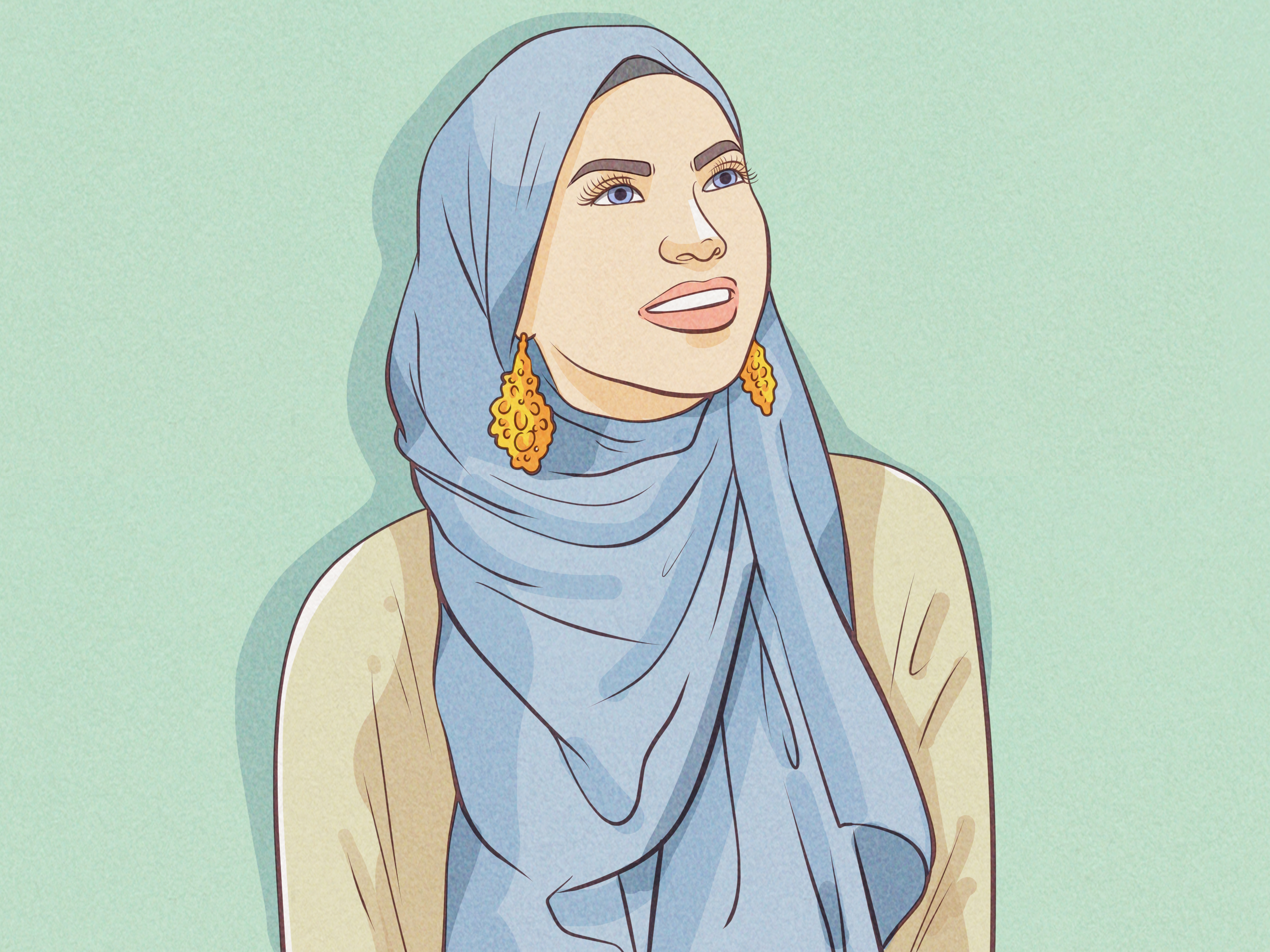
For a clean everyday hijab style, place the scarf evenly over your head, secure it under the chin, wrap one side around the neck, and let the other side fall naturally. Use a magnet or pin near the shoulder if needed. The result is simple, modest, and elegant.
Balance Your Outfit With Your Hijab
Looking pretty in a hijab is not only about the scarf. The full outfit matters. A gorgeous hijab can still look disconnected if the clothing, colors, and proportions are fighting like siblings in the backseat.
Try the Rule of One Statement
If your hijab is printed, keep your outfit simple. If your dress or abaya has bold details, choose a plain hijab. If your outfit is monochrome, add texture with chiffon, satin, ribbed jersey, or a subtle print.
Use Layers for Modest Shape and Style
Long cardigans, blazers, dusters, tunics, maxi skirts, wide-leg pants, and abayas are excellent for modest fashion. They create coverage while still allowing structure. A blazer with a neutral hijab can look professional. A flowy kimono over a simple dress can look feminine. A long tunic with wide-leg trousers can look modern and comfortable.
Match the Mood, Not Every Color
Your hijab does not need to match your shoes, bag, sleeves, and emotional state. Instead, aim for harmony. Pair warm tones with warm tones, cool tones with cool tones, or use a neutral hijab to calm a colorful outfit. For example, a sage dress looks lovely with cream, mocha, soft brown, or dusty rose. A black abaya can look fresh with taupe, burgundy, emerald, ivory, or patterned chiffon.
Makeup Tips That Complement a Hijab
Makeup is optional, not mandatory. But if you enjoy it, hijab-friendly makeup can highlight the features that remain most visible: skin, brows, eyes, and lips.
Start with healthy-looking skin. A gentle cleanser, lightweight moisturizer, and broad-spectrum sunscreen during the day can help your face look fresh. If you wear foundation or concealer, choose formulas that suit your skin type and avoid heavy products that transfer easily onto the scarf.
Brows help frame the face, especially when your hair is covered. Keep them groomed in a way that suits you. For eyes, mascara, soft liner, or neutral shadow can add definition without looking overdone. For lips, tinted balm, rose, mauve, berry, brown-pink, or soft nude shades often pair beautifully with hijabs.
If your hijab is bold, keep makeup softer. If your hijab is neutral, you can play more with eyeliner, blush, or lip color. Balance is the magic word.
Care for Your Skin Around the Hijab Line
Friction, sweat, makeup, and tight fabric can irritate the skin around the forehead, jaw, and cheeks. To keep your skin looking healthy, wash your face gently, remove makeup before bed, and choose non-comedogenic skincare and sunscreen if you are acne-prone. Avoid tying your scarf too tightly around areas where you break out easily.
Wash undercaps regularly because they collect oil, sweat, sunscreen, and product residue. A fresh undercap can make a surprising difference. It is not glamorous advice, but neither is discovering your “mystery breakout” is actually from a cap that has been working overtime.
Take Care of Your Hair Under the Hijab
Hair care still matters under a hijab. In fact, it may matter more because your hair spends hours covered. Make sure your hair is dry before covering it whenever possible. Covering damp hair can create discomfort and may contribute to scalp issues for some people.
Avoid tight buns in the same spot every day. Repeated pulling can strain the hairline. Try loose braids, low buns, claw clips under roomy styles, or rotating your part and bun placement. Choose soft hair ties instead of harsh elastics, and give your scalp time to breathe at home in private spaces.
Wash your hair based on your scalp needs, not a random internet schedule. If your scalp gets oily or sweaty, cleanse more often. If your hair is dry or curly, focus on moisture and gentle detangling. The goal is a clean scalp, healthy strands, and no secret bird’s nest situation under the scarf.
Use Accessories With Intention
Accessories can make a hijab outfit look finished. Hijab magnets are practical because they secure fabric without snagging as much as traditional pins. Brooches can add elegance for weddings or formal events. Earrings may work with certain loose or turban-inspired styles, depending on your comfort and coverage preferences.
Glasses also matter. If you wear glasses, style your hijab slightly looser around the temples so the arms do not dig into your head. Choose a frame shape that complements your hijab style. A sleek wrap with bold glasses can look very chic, while round frames and soft drapes create a gentle, artistic vibe.
Build a Beginner-Friendly Hijab Wardrobe
If you are new to hijab or refreshing your collection, start with practical basics before buying every pretty print that whispers your name online. A strong starter hijab wardrobe might include:
- Two everyday jersey hijabs in black and taupe
- One cream or ivory hijab for soft outfits
- One brown, mocha, or cocoa hijab for warmth
- One chiffon hijab for work or formal looks
- One satin hijab for special occasions
- One printed hijab that matches several plain outfits
- Two breathable undercaps
- A small set of hijab magnets or no-snag pins
This gives you variety without clutter. Once you know which fabrics and colors you actually wear, you can add more intentionally.
Common Hijab Styling Mistakes to Avoid
First, avoid choosing fabric only because it looks good in photos. If it slips all day, overheats your scalp, or needs twenty pins to survive a breeze, it may not be worth the drama.
Second, do not ignore proportions. A very bulky hijab with oversized clothing can overwhelm your frame. A very tight hijab with a heavy outfit can feel unbalanced. Try different levels of volume until your look feels harmonious.
Third, avoid wearing colors that drain your complexion just because they are trendy. Trend colors are fun, but your best shades are the ones that make you look awake before coffee.
Fourth, do not sacrifice comfort. Beauty fades quickly when you have a pin stabbing your neck or an undercap squeezing your thoughts into silence.
Real-Life Experience: What Actually Makes a Hijab Look Pretty
In real life, the prettiest hijab looks are usually the ones that survive real life. A scarf can look flawless in a bedroom mirror at 8:00 a.m., then meet wind, humidity, stairs, backpacks, toddlers, office air-conditioning, and lunch steam by noon. That is why practical styling matters. A beautiful hijab is not only about how it looks when you first wrap it. It is about how it feels after hours of wearing it.
One helpful experience many hijabis learn over time is that your “signature style” often comes from repetition, not perfection. Maybe you discover that jersey hijabs make you feel calm because they stay put. Maybe chiffon makes you feel elegant but only when you wear the right undercap. Maybe satin looks stunning for events but is not your best choice for a grocery run unless you enjoy checking your reflection in the freezer door.
Another real lesson: the same hijab can look completely different depending on the outfit. A plain beige scarf may look boring with one outfit but expensive and soft with a cream knit dress or camel coat. A black hijab may feel basic with a dark outfit but sharp and intentional with a white blouse, long blazer, and structured bag. Styling is often less about owning more and more about combining better.
Many hijabis also learn that face-framing details matter more than complicated wraps. A clean fold, a comfortable undercap, and a flattering color can do more than an elaborate tutorial with seven twists and a soundtrack. The goal is not to turn your head into origami. The goal is to look neat, confident, and comfortable.
For school or casual days, a soft jersey hijab in a color that suits your skin can make getting ready easier. Pair it with wide-leg jeans, a long shirt, sneakers, and a crossbody bag. For work, a chiffon hijab with a blazer, long blouse, and tailored trousers creates a modest professional look. For Eid or weddings, satin or silk-style hijabs look beautiful with embellished abayas, maxi dresses, or elegant two-piece sets.
Experience also teaches that compliments often come when you feel like yourself. People notice ease. They notice when your colors work, when your scarf is not constantly slipping, when your outfit has intention, and when you are not tugging at your hijab every three minutes like it owes you money.
The biggest advice is to experiment privately before important events. Try your hijab style the night before. Move your head. Put on your glasses if you wear them. Test your pins. Sit down, stand up, and check the drape. Take a quick photo in natural light. What looks good in the mirror can look different on camera, and what looks good from the front may need adjusting from the side.
Over time, you will build a personal hijab formula: your best fabrics, your most flattering colors, your favorite undercap, your everyday wrap, your formal wrap, and your emergency “I have three minutes” wrap. That formula is gold. It saves time, reduces stress, and helps you look pretty in a hijab without overthinking every morning.
Conclusion
Learning how to look pretty in a hijab is not about copying someone else’s exact style. It is about understanding your face shape, choosing hijab colors that flatter your skin, wearing fabrics that suit your day, caring for your skin and hair, and building outfits that feel modest and beautiful. A Muslim headscarf can be simple, graceful, bold, practical, elegant, or playful. The prettiest version is the one that respects your values and makes you feel confident.
Start small. Find three colors that always make you look fresh. Choose one everyday fabric that behaves. Practice one neat wrap until you can do it without negotiating with the mirror. Then add variety with prints, textures, accessories, and seasonal colors. Pretty hijab style is not a single look. It is a relationship with your own confidence, comfort, and creativity.