Research note: synthesized from U.S. university extension and plant-safety guidance, including University of Minnesota Extension, Clemson HGIC, Iowa State Extension, Illinois Extension, Oklahoma State Extension, UNH Extension, Poison Control, and ASPCA.
Poinsettias have a flair for drama. One minute they are sitting on a store shelf looking like a perfect holiday centerpiece, and the next they are on your coffee table dropping leaves like they just read a sad novel. The good news? Learning how to grow and care for poinsettias is not as mysterious as it looks. These festive houseplants are not fussy divas so much as tropical plants with very specific opinions about light, temperature, water, and being left out of cold drafts.
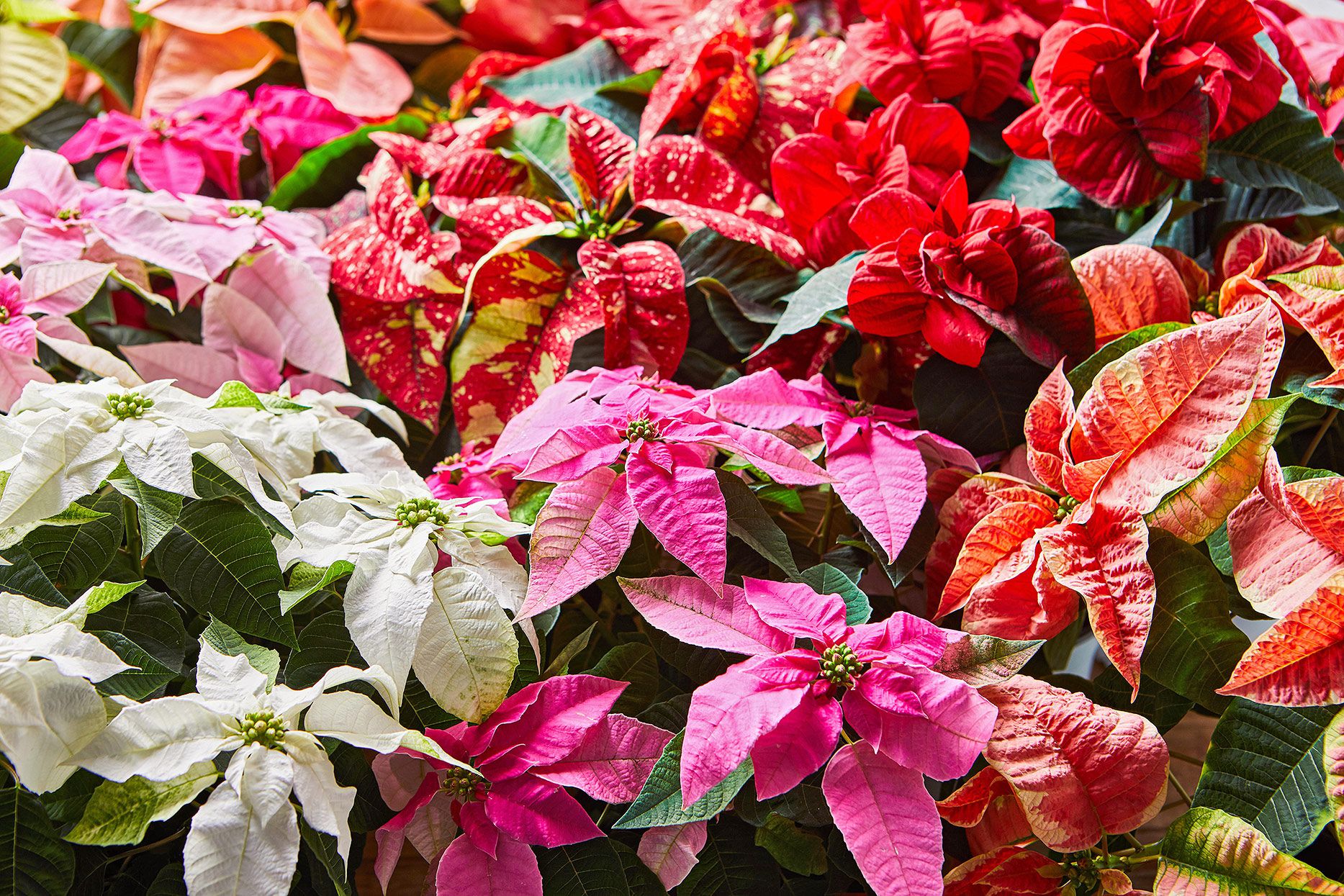
Known botanically as Euphorbia pulcherrima, poinsettias are native to Mexico and are famous for their colorful bractsthe red, pink, white, cream, salmon, or marbled “petals” that are actually modified leaves. The true flowers are the tiny yellow-green clusters in the center, called cyathia. Once you know that little bit of plant trivia, you can casually mention it at a holiday party and become either “the interesting plant person” or “the person nobody lets near the eggnog.” Both are acceptable outcomes.
This guide covers everything you need to keep poinsettias healthy: choosing a good plant, placing it in the right spot, watering correctly, preventing leaf drop, growing it after the holidays, and even convincing it to color up again next year. Yes, reblooming a poinsettia is possible. Is it simple? Let’s just say the plant enjoys a strict bedtime routine.
What Makes Poinsettias Special?
Poinsettias are short-day plants, meaning they respond to long nights and short days. In nature, shorter fall days trigger the plant to develop colorful bracts. Commercial greenhouse growers use careful light control, temperature management, pruning, fertilizing, and timing to deliver compact, bright poinsettias right when holiday shoppers start saying, “I just need one small decoration,” and leave with a cart full of red plants.
Modern poinsettia varieties are stronger and longer-lasting than older types. You can find traditional red poinsettias, snowy white cultivars, blush pink plants, speckled “jingle bell” types, and even unusual orange or lime-toned varieties. Despite their fancy looks, they are still houseplants with basic needs: bright indirect light, moderate moisture, good drainage, and protection from temperature swings.
How to Choose a Healthy Poinsettia
Great poinsettia care starts before the plant enters your home. A weak plant can make you feel like a terrible gardener even if you did everything right. When shopping, choose a poinsettia with deep green leaves, strong stems, and brightly colored bracts. Avoid plants with wilted foliage, yellowing leaves, brown edges, broken branches, or bare lower stems.
Look closely at the true flowers in the center of the bracts. A fresh poinsettia usually has tight yellow-green buds with little or no pollen showing. If the center flowers are shedding pollen heavily or look spent, the plant may already be further along in its display period. It can still be pretty, but it may not last as long.
Do Not Let It Freeze on the Way Home
Poinsettias are tropical plants, not tiny red snow warriors. Exposure to freezing air, even briefly, can damage leaves and bracts. If you buy a poinsettia in cold weather, ask for a sleeve or wrap it before taking it outside. Make it your last stop of the shopping trip, place it in a warm vehicle, and do not leave it sitting in the car while you “quickly” run into another store. Plants know when you lie.
Best Light for Poinsettias Indoors
Poinsettias do best in bright, indirect light. A sunny east-, west-, or south-facing window is often ideal, as long as the plant does not touch cold glass. Aim for at least six hours of bright natural light per day. If your home is dim, place the plant in the brightest comfortable spot available.
Direct winter sunlight through a window is usually not a problem in many homes, but harsh heat from a very sunny window or nearby vent can dry the plant quickly. Watch the leaves. If they droop repeatedly, scorch, or curl, the plant may be getting too hot, too dry, or too much direct intensity for that location.
Ideal Temperature for Poinsettias
The sweet spot for poinsettias is generally between 60 and 70 degrees Fahrenheit, with many care guides recommending indoor temperatures around 65 to 70 degrees. They also appreciate slightly cooler nights, but they dislike cold drafts. Keep them away from exterior doors, drafty windows, fireplaces, space heaters, radiators, and forced-air vents.
Think of your poinsettia as a holiday guest who brought color to the party but refuses to sit near the door. If the plant is exposed to cold air below about 50 degrees Fahrenheit, it may suffer damage. If it gets too warm, especially near a heat source, the bracts may fade faster and the leaves may drop early.
How to Water Poinsettias the Right Way
Watering is where many poinsettia relationships go sideways. The goal is evenly moist soil, not swamp life. Check the soil surface daily with your finger. Water when the top feels dry to the touch or when the pot feels noticeably lighter. Do not wait until the plant wilts badly, because repeated wilting can cause leaf and bract drop.
When you water, water thoroughly until moisture drains from the bottom of the pot. Then discard the excess water. Never let the pot sit in standing water. Poinsettia roots need oxygen, and soggy soil can lead to root rot, yellow leaves, wilting, and general plant sadness.
Remove or Punch Holes in Decorative Foil
Those shiny foil wrappers look festive, but they can become tiny root-rot bathtubs. If your poinsettia came wrapped in foil, remove the foil before watering or punch drainage holes in the bottom and set the pot on a saucer. After watering, empty the saucer. The plant wants a drink, not a hot tub.
Should You Fertilize Poinsettias?
Do not fertilize a poinsettia while it is in full holiday color. During the display period, it does not need extra feeding. Focus on light, water, and temperature. If you decide to keep the plant after the holidays and it begins producing new growth, you can fertilize with a balanced houseplant fertilizer according to the label directions.
For long-term care, feeding once or twice a month during active growth is usually enough. Avoid overfertilizing, especially when the plant is stressed, dormant, or sitting in low light. Fertilizer is not plant medicine; it is more like groceries. If the roots are struggling, dumping more “groceries” on them does not help.
Common Poinsettia Problems and How to Fix Them
Leaves Are Dropping
Leaf drop is the classic poinsettia complaint. Common causes include cold drafts, sudden temperature changes, underwatering, overwatering, low light, or exposure to hot dry air. Move the plant to a bright, stable location and check the soil before watering. If the pot is soggy, let it drain and dry slightly before watering again. If it is bone dry, water thoroughly and avoid letting it wilt again.
Leaves Are Yellowing
Yellow leaves often point to watering problems. Soil that stays wet can suffocate roots and lead to root rot. Soil that gets too dry can also stress the plant. Check drainage first. If water cannot escape, fix that immediately. Then adjust your watering schedule based on the soil, not the calendar.
Bracts Are Fading
Bracts naturally fade as the plant ages, but heat, dryness, and poor light can speed the process. Keep the plant in bright indirect light and away from heat vents. Most well-cared-for poinsettias can remain attractive for several weeks, and some hold color for two months or more.
White Sap Appears When Stems Break
Poinsettias produce a milky white sap. It can irritate skin or eyes in sensitive people, so wear gloves when pruning or handling broken stems. Wash hands and tools afterward. The sap is sticky, because apparently poinsettias wanted one more way to be memorable.
Are Poinsettias Poisonous?
Poinsettias have a scarier reputation than they deserve. They are not considered deadly, but they should not be eaten. The milky sap can irritate the mouth, stomach, or skin. Pets or children who chew the plant may experience mild irritation, drooling, vomiting, or stomach upset. The smart approach is simple: place poinsettias out of reach of curious kids, cats, dogs, and any guest who thinks “festive garnish” means “salad.”
How to Care for Poinsettias After the Holidays
Once the holidays pass, you have two honest options. Option one: compost the plant when it becomes unattractive and buy a new one next season. This is not failure. Commercial growers are very good at producing beautiful poinsettias, and life is short. Option two: keep it as a houseplant and try to grow it through the year. This is also not failure, but it may involve calendar reminders, pruning, and a level of commitment usually reserved for sourdough starters.
January Through March: Keep It Bright and Lightly Moist
After the holiday display, keep your poinsettia near a bright window. Water when the soil surface dries. If bracts and leaves begin dropping, reduce watering slightly, but do not let the stems shrivel. The plant may look less glamorous, but that is normal. Even celebrities wear sweatpants in January.
March or April: Prune It Back
In early spring, cut the stems back to about four to six inches above the soil. This encourages new growth and keeps the plant from becoming tall and awkward. Use clean pruners and wear gloves to avoid sap irritation. If the plant is rootbound, repot it into a slightly larger container with fresh, well-draining potting mix.
Late Spring and Summer: Move It Outdoors Carefully
When nighttime temperatures stay safely above about 50 to 55 degrees Fahrenheit and the danger of frost has passed, you can move your poinsettia outdoors. Start it in partial shade so it can adjust gradually. After a week or two, place it where it gets bright light or morning sun with some afternoon protection. Outdoor summer growth can make poinsettias stronger, fuller, and greener.
Water regularly during active growth, especially if the plant is in a small pot that dries quickly. Fertilize with a balanced houseplant fertilizer according to label instructions. Turn the pot occasionally if it is sitting on soil, because roots may grow through drainage holes into the ground. Plants: always looking for loopholes.
Summer Pruning: Keep It Bushy
Pinch or prune the growing tips every few weeks during summer to encourage branching. Stop pruning by mid- to late August, because the plant needs time to develop growth that can later form colorful bracts. If you keep pinching too late, you may delay or reduce the holiday display.
How to Get a Poinsettia to Turn Red Again
Reblooming a poinsettia is the advanced level of poinsettia care. The plant needs long, uninterrupted nights for about eight to ten weeks in fall. Beginning around late September or early October, give it complete darkness from about 5 p.m. to 8 a.m. every night, then bright light during the day.
The darkness must be truly dark. A lamp, hallway light, streetlight, phone glow, or curious child opening the closet door can interrupt the process. Put the plant in a closet, a lightproof box, or a dark room each evening, then return it to bright light every morning. Keep watering normally when the soil surface dries.
Once the bracts begin showing good color, you can stop the strict dark treatment and display the plant in bright indirect light. If this sounds like too much effort, that is because it is a little ridiculousbut also oddly satisfying when it works.
Can Poinsettias Grow Outdoors Year-Round?
In warm climates, poinsettias can grow outdoors as shrubs. In frost-free regions, they may become large, woody plants. In most of the United States, however, poinsettias are treated as indoor holiday plants or seasonal container plants because they cannot tolerate freezing temperatures.
If you live in a warm area and want to plant poinsettias outside, choose a spot with well-drained soil, bright light, and some protection from harsh conditions. Remember that landscape poinsettias will not stay as compact as the potted versions sold in stores. Given the chance, they may stretch into a shrub that looks less like a centerpiece and more like it wants its own ZIP code.
Best Soil and Pot for Poinsettias
Poinsettias need a well-draining potting mix. Most store-bought plants are already growing in a lightweight greenhouse mix containing ingredients such as peat, bark, perlite, or vermiculite. If you repot, use a quality indoor potting mix and a container with drainage holes.
Avoid heavy garden soil in indoor pots. It can compact, drain poorly, and invite root problems. Choose a pot only slightly larger than the current one. A huge pot holds extra moisture, and extra moisture around poinsettia roots is an invitation to trouble.
Poinsettia Care Calendar
December
Display your poinsettia in bright indirect light. Keep it away from drafts and heat. Water when the soil surface feels dry, and empty any drainage water. Enjoy the color without overthinking it.
January to February
Continue normal care while the plant remains attractive. If leaves drop, reduce watering slightly. Decide whether you want to keep it for the year or thank it for its service and move on.
March to April
Prune stems back to encourage new growth. Repot if needed. Resume regular watering as new shoots appear.
May to August
Move outdoors after nights are warm enough. Provide bright light, regular water, and occasional fertilizer. Pinch growing tips to create a fuller plant, stopping by late summer.
Late September to November
Begin long-night treatment. Provide complete darkness for about 14 to 15 hours nightly and bright light during the day. Keep the routine consistent until bracts color up.
December Again
Bring your rebloomed poinsettia back into display mode. Brag modestly. Or brag loudly. You earned it.
Practical Experiences for Growing and Caring for Poinsettias
One of the most useful real-world lessons about poinsettias is that they often fail because people love them too aggressively. A new owner sees a festive plant, assumes it must need constant attention, and starts watering every day. Within a week, the soil is soaked, the foil wrapper is holding water, and the roots are gasping for air. The plant wilts, which looks like thirst, so the owner waters again. This is the poinsettia version of a sitcom misunderstanding. The fix is to check the soil first, water only when the surface is dry, and always let extra water drain away.
Another experience many plant owners share is the “cold car disaster.” A poinsettia can look flawless at the store, then collapse a few days after being carried through freezing air or left in an unheated vehicle. The damage does not always appear instantly. Leaves may blacken, curl, or drop later, leaving the owner confused. Treat the trip home like transporting a tropical celebrity. Wrap the plant, keep it warm, and do not make extra stops unless the poinsettia is going inside with you, which may be socially awkward but botanically correct.
Placement also teaches quick lessons. A poinsettia on a mantel near a fireplace may look like a magazine photo for about three days. Then the bracts dry, leaves droop, and the plant begins filing a formal complaint. Heat sources create dry air and temperature stress. A better spot is a bright table, plant stand, or window area where the plant gets light without being blasted by hot air or chilled by glass. If you are comfortable in that spot wearing a light sweater, your poinsettia probably is too.
For people trying to keep poinsettias after the holidays, patience is everything. The plant often looks unimpressive in late winter and early spring. It may become leggy, drop bracts, or sit there like a bundle of green sticks. That does not always mean it is dead. Scratch a stem lightly; if it is green beneath the surface and the stems are firm, it still has potential. Pruning it back can feel brutal, but it usually leads to healthier new growth.
Summer outdoor care can be surprisingly rewarding. Many tired indoor poinsettias perk up after a few weeks outside in warm, bright conditions. The leaves deepen in color, new shoots appear, and the plant begins to look less like leftover holiday décor and more like a legitimate houseplant. The trick is acclimation. Do not move it from a dim living room straight into blazing afternoon sun. Start with shade or filtered light, then gradually increase brightness.
Reblooming is where expectations need a friendly reality check. The dark treatment works, but consistency matters. If you forget a night here and there, or if light leaks into the closet, the plant may stay green. That is not a moral failing. It simply means poinsettias are strict about their sleep schedule. Many gardeners try reblooming once for the challenge, then happily buy a new plant the next year. Others turn it into an annual ritual and feel victorious when the bracts begin to blush red.
The biggest takeaway from hands-on poinsettia care is this: do less, but do it correctly. Give bright indirect light. Avoid cold and heat extremes. Water thoroughly, then let the pot drain. Do not fertilize while it is blooming. Keep pets and children from chewing it. If you continue care after the holidays, prune, feed during active growth, and provide long nights in fall. Poinsettias are not impossible; they simply have boundaries. Respect those boundaries, and your holiday plant may stay beautiful far longer than expected.
Conclusion
Growing and caring for poinsettias is mostly about understanding what these plants are trying to tell you. They want bright light but not harsh stress, moist soil but not soggy roots, warmth but not hot dry air, and absolutely no surprise winter breeze attacks. During the holidays, simple care can keep them colorful for weeks. After the holidays, you can either enjoy them as temporary seasonal décor or grow them as long-term houseplants with pruning, fertilizing, summer outdoor care, and fall darkness treatment.
Whether you keep your poinsettia for one month or one year, the secret is balance. Give it steady conditions, check the soil before watering, protect it from temperature drama, and remember that those famous “flowers” are actually bracts doing their festive best. With the right care, poinsettias can be more than disposable holiday decorationsthey can be living color in the middle of winter, which is exactly when most of us need it most.