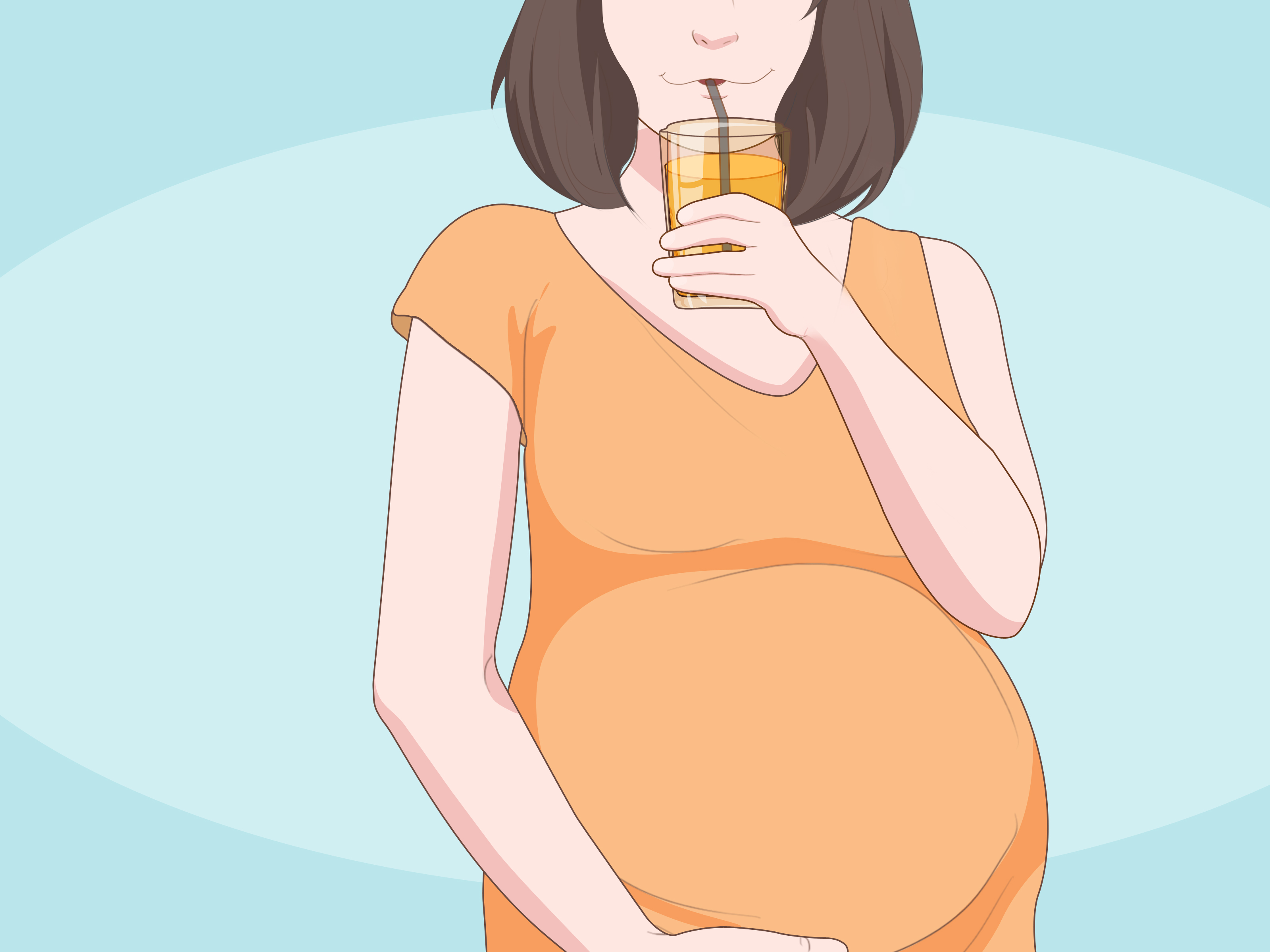
Breastfeeding can make hunger feel like a full-time job, yet some nursing mothers still struggle to maintain or gain weight. Between producing milk, recovering from childbirth, missing meals, and attempting to eat with one hand, the body may burn through energy faster than the refrigerator can supply it.
Healthy weight gain while breastfeeding is not about living on cupcakes or treating every feeding session as permission to order extra-large fries. It means consistently supplying your body with enough calories, protein, healthy fats, carbohydrates, vitamins, and minerals to support milk production, postpartum recovery, and gradual weight gain.
Why Can Breastfeeding Make It Difficult to Gain Weight?
Producing breast milk requires substantial energy. A well-nourished breastfeeding mother generally needs several hundred additional calories each day compared with her pre-pregnancy intake. The exact amount varies according to body size, activity level, milk production, the baby’s age, and whether breastfeeding is exclusive or combined with formula or solid foods.
That additional energy demand does not guarantee weight loss, but it can create a calorie deficit in mothers who have small appetites, limited time to prepare food, dietary restrictions, nausea, stress, or an especially enthusiastic nursing baby. Sleep deprivation can make matters worse by disrupting appetite and turning basic meal preparation into an Olympic event.
The goal is to close the energy gap with nutrient-dense food rather than relying mainly on candy, soda, or highly processed snacks. Those foods may add calories, but they are not especially helpful for rebuilding muscle, supporting bone health, or recovering from pregnancy and delivery.
How to Gain Weight While Breastfeeding in 11 Practical Steps
1. Ask a Health Professional to Rule Out Medical Causes
Before deliberately increasing your weight, talk with your obstetrician, primary care physician, or registered dietitian if you are losing weight unexpectedly. Breastfeeding may contribute to weight loss, but it should not automatically be blamed for every disappearing pound.
Postpartum thyroiditis, an overactive thyroid, diabetes, anemia, gastrointestinal disorders, depression, anxiety, medication side effects, and difficulties absorbing nutrients can all affect appetite or body weight. Your clinician may review your symptoms, weight history, medications, milk supply, and laboratory results before recommending a nutrition plan.
Seek medical attention sooner if weight loss is rapid or accompanied by tremors, sweating, diarrhea, a racing heart, severe fatigue, dizziness, vomiting, persistent sadness, or an inability to eat normally.
2. Estimate Your Breastfeeding Calorie Needs
There is no single calorie target that fits every nursing mother. General recommendations suggest that breastfeeding commonly requires roughly 330 to 500 additional calories per day, but your actual needs depend on your age, height, weight, activity, milk output, and feeding pattern.
Start by observing what happens at your current intake. If your weight continues to fall, add one substantial snack or increase portions at two meals. Monitor the trend for two or three weeks rather than reacting to daily scale changes, which can be influenced by hydration, digestion, and hormonal shifts.
A dietitian can estimate a more personalized target, particularly if you are underweight, breastfeeding twins, following a restrictive diet, managing diabetes, or recovering from a complicated delivery.
3. Eat Every Three to Four Hours
Three large meals may sound perfectly reasonable until the baby decides lunchtime is also cluster-feeding time. Smaller, more frequent meals are often easier for breastfeeding mothers with limited time or modest appetites.
A useful rhythm is three meals plus two or three snacks. Consider setting phone reminders until eating regularly becomes automatic. Keep shelf-stable food near your usual nursing locations so that a long feeding session does not become an accidental fast.
Convenient choices include trail mix, whole-grain crackers with cheese, peanut butter packets, roasted chickpeas, dried fruit, granola bars with nuts, or shelf-stable milk. Put them within reach before sitting down. Babies possess a mysterious ability to detect the exact moment their parent has forgotten a snack.
4. Add Calories Without Making Meals Much Larger
When appetite is limited, simply doubling every portion can feel miserable. Instead, increase the calorie density of foods you already enjoy.
Stir olive oil into pasta, rice, soup, or roasted vegetables. Add avocado to sandwiches, eggs, or grain bowls. Sprinkle nuts, seeds, cheese, or dried fruit over salads and oatmeal. Prepare hot cereal with milk instead of water. Mix powdered milk into mashed potatoes, soups, smoothies, or casseroles when appropriate.
These small additions can increase energy intake without requiring you to confront a dinner plate the size of a serving tray. Choose mostly unsaturated fats from foods such as olive oil, avocado, nuts, seeds, and lower-mercury fish while maintaining an overall varied diet.
5. Include Protein at Every Meal and Most Snacks
Protein supports tissue repair and helps preserve or rebuild muscle during postpartum recovery. Include a practical protein source whenever you eat rather than attempting to consume an enormous amount at dinner.
Good options include eggs, Greek yogurt, cottage cheese, milk, chicken, turkey, lean beef, tofu, tempeh, beans, lentils, edamame, seafood, nuts, and nut butter. A snack can be as simple as yogurt with granola, an apple with peanut butter, or hummus with pita bread.
For a balanced main meal, combine protein with a carbohydrate and a source of fat. Examples include salmon with rice and avocado, lentil curry with naan and yogurt, or scrambled eggs with cheese and whole-grain toast.
6. Use Smoothies When Chewing Feels Like Too Much Work
Nutritious smoothies are useful when you are busy, tired, or not hungry enough for a full meal. Unlike soda or sweetened coffee drinks, a well-built smoothie can deliver protein, carbohydrates, healthy fat, and micronutrients in one portable glass.
Blend milk or fortified soy milk with Greek yogurt, oats, banana, berries, and peanut or almond butter. Avocado, chia seeds, ground flaxseed, dates, or dry milk powder can raise the calorie and nutrient content.
Do not let smoothies replace every meal; chewing varied foods still matters for dietary quality and satisfaction. Think of a smoothie as backup when the alternative is skipping breakfast because someone needed a diaper change, a feeding, and an outfit change in rapid succession.
7. Choose Full-Fat Foods When They Suit Your Health Needs
Low-fat and reduced-calorie products are not always helpful when you are trying to gain weight. Full-fat yogurt, milk, cheese, nut butter, hummus, avocado, and olive-oil-based dressings can provide concentrated energy and make meals more satisfying.
This does not mean every food must be fried or covered in heavy cream. The objective is to replace unnecessary diet products with normal, nutrient-rich versions. For example, choose whole-milk yogurt with fruit and granola instead of fat-free yogurt eaten alone.
Anyone with high cholesterol, gallbladder symptoms, pancreatic disease, or another condition affected by dietary fat should ask a clinician or dietitian which foods are most appropriate.
8. Build a Reliable List of Five-Minute Meals
Healthy weight gain becomes easier when eating does not require a cooking show, seventeen ingredients, and a spotless kitchen. Create a short list of meals that can be assembled in five minutes.
- Microwave rice, canned beans, shredded cheese, salsa, and avocado
- Whole-grain toast with eggs, cheese, and fruit
- Greek yogurt with granola, nuts, berries, and honey
- A rotisserie chicken sandwich with pesto and sliced avocado
- Hummus, pita bread, olives, vegetables, and hard-boiled eggs
- Peanut butter and banana oatmeal prepared with milk
Frozen vegetables, canned beans, precooked grains, bagged salad, and prepared proteins are not nutritional failures. They are tools. Postpartum life is not the season for feeling guilty because someone else chopped the carrots.
9. Hydrate to Thirst Without Filling Up on Water
Breastfeeding often increases thirst, and adequate fluid intake is important. Keep water nearby and drink regularly, especially during feeds. Dark yellow urine, dry mouth, headache, and dizziness may indicate that you need more fluids.
However, forcing down excessive amounts of water will not automatically increase milk supply and may make you too full to eat. If beverages suppress your appetite, drink most fluids between meals instead of immediately before them.
Milk, fortified soy milk, drinkable yogurt, soups, and smoothies can contribute both fluid and calories. Limit beverages with large amounts of added sugar, and keep caffeine moderate. Young or premature infants may be especially sensitive to caffeine transferred through breast milk.
10. Protect Important Nutrients for You and Your Baby
Calories matter, but breastfeeding nutrition is not merely a numbers game. Lactation increases the need for certain nutrients, including iodine and choline. Eggs, dairy products, seafood, meat, beans, peas, lentils, and iodized salt can help supply them.
Choose lower-mercury seafood and follow current FDA and EPA fish guidance. Breastfeeding adults are generally advised to eat two to three weekly servings from the “Best Choices” category rather than high-mercury fish.
Vegetarian and vegan mothers should pay particular attention to vitamin B12, iron, calcium, protein, iodine, vitamin D, choline, and omega-3 fats. Supplements may be necessary, but they should be selected with a health professional. More is not automatically better, and a supplement bottle with a leaf on the label is not a tiny salad.
11. Add Strength Training After Medical Clearance
Gaining weight does not have to mean gaining only body fat. Once your clinician clears you for exercise, gentle resistance training can help rebuild strength and muscle lost during pregnancy or a sedentary recovery period.
Begin with short sessions using body weight, resistance bands, or light weights. Squats to a chair, supported rows, wall push-ups, and carefully selected core exercises may be appropriate, but postpartum recovery varies. Pelvic floor symptoms, abdominal separation, pain, bleeding, dizziness, or heaviness deserve professional evaluation.
Exercise can also stimulate appetite. Eat a meal or snack containing protein and carbohydrates afterward, such as yogurt with fruit, chocolate milk with a banana, or eggs with toast. The goal is recovery, not punishing yourself for having a snack.
A Sample Day of Eating for Healthy Weight Gain
This example is not a universal meal plan, but it demonstrates how calorie-dense ingredients can be distributed throughout the day.
Breakfast
Oatmeal cooked with whole milk and topped with banana, peanut butter, walnuts, and cinnamon, plus a hard-boiled egg.
Morning Snack
Greek yogurt with granola and berries.
Lunch
A turkey, cheese, and avocado sandwich on whole-grain bread with vegetable soup and fruit.
Afternoon Snack
A smoothie made with fortified soy milk, oats, frozen berries, banana, and almond butter.
Dinner
Salmon or tofu, rice, roasted vegetables with olive oil, and a yogurt-based sauce.
Evening Snack
Whole-grain crackers with cheese, hummus, or nut butter.
How Quickly Should You Gain Weight?
There is no required weekly rate for breastfeeding mothers. A gradual upward trend is usually easier to sustain than rapid gain produced by an extreme diet. Weighing yourself once a week under similar conditions can be more informative than weighing daily.
Also track practical signs of progress: improved energy, fewer skipped meals, better strength, a stable milk supply, and clothes fitting more comfortably. Body weight is useful information, but it is not the only evidence that a nutrition plan is working.
If your weight does not stabilize after several weeks of consistent eating, consult a registered dietitian or physician. You may need a higher intake, a different meal structure, or evaluation for an underlying health problem.
When Weight Loss While Breastfeeding Needs Medical Attention
Contact a health professional if you continue losing weight despite deliberately eating more or if you develop any of the following:
- A racing or irregular heartbeat, tremors, sweating, or heat intolerance
- Persistent diarrhea, vomiting, abdominal pain, or loss of appetite
- Excessive thirst, frequent urination, or unusual nighttime hunger
- Severe fatigue, dizziness, fainting, or shortness of breath
- Persistent sadness, anxiety, hopelessness, or difficulty caring for yourself
- A sudden decrease in milk production
- Concern that your baby is not gaining weight or producing enough wet diapers
Some women develop thyroid problems during the first year after delivery, and the symptoms can resemble ordinary postpartum exhaustion. Do not assume that feeling terrible is simply part of motherhood. Exhaustion may be common; suffering in silence should not be.
Real-Life Experiences: What Healthy Weight Gain Can Look Like
The following are composite examples created from common postpartum nutrition challenges. They are not individual medical case reports.
The Mother Who Was Always “About to Eat”
Maria intended to eat breakfast every morning, but her newborn usually woke just as she began cooking. At noon, she would discover that her breakfast ingredients were still sitting on the counter, looking disappointed. She was breastfeeding frequently, losing weight, and becoming increasingly tired.
Her solution was not a complicated menu. She created two breakfast options that required less than three minutes: overnight oats with whole milk, yogurt, walnuts, and banana, or toast with peanut butter plus a ready-to-drink milk. She also placed snack baskets beside the bed and nursing chair.
Within several weeks, her weight stopped dropping. The biggest change was not a magical food; it was removing the need to make decisions while tired. Her meals became predictable, which sounds boring until you have been awake since 3:17 a.m.
The Vegetarian Mother With a Small Appetite
Jenna had always eaten small portions. After delivery, stress and interrupted sleep reduced her appetite further. Because she followed a vegetarian diet, she worried that gaining weight required eating enormous bowls of beans at every meal.
A dietitian helped her increase energy without dramatically increasing food volume. She added olive oil to lentil soup, prepared oatmeal with fortified soy milk, topped grain bowls with avocado and tahini, and drank a yogurt-and-nut-butter smoothie in the afternoon. Eggs, tofu, edamame, dairy foods, lentils, and nuts supplied protein throughout the day.
Her clinician also reviewed vitamin B12, iron, vitamin D, iodine, and choline. The experience reminded her that plant-based weight gain is entirely possible, but “plant-based” does not mean surviving on lettuce and optimism.
The Mother Whose Weight Would Not Stabilize
Danielle assumed that breastfeeding explained her rapid weight loss. She ate regular meals and added snacks, yet continued losing weight. She also experienced heat intolerance, shaky hands, diarrhea, and a pounding heartbeat. Friends told her that new mothers were always exhausted, but the symptoms felt more intense than ordinary sleep deprivation.
She scheduled an appointment, and her clinician evaluated her for postpartum thyroid disease. Once the underlying problem was identified and treated, her appetite, energy, and weight became easier to manage.
Her experience illustrates an essential lesson: nutrition strategies cannot correct every cause of postpartum weight loss. When the body continues sending warning signals, adding another spoonful of peanut butter is not a substitute for medical evaluation.
The Shared Lesson
These experiences have different details but a similar message. Sustainable weight gain usually comes from systems rather than willpower: easy food within reach, regular eating times, energy-dense additions, medical support, and realistic expectations. A breastfeeding mother does not need to prepare perfect meals. She needs enough nourishing food, consistently, in a form that fits the unpredictable reality of caring for a baby.
Conclusion
Learning how to gain weight while breastfeeding begins with understanding why weight is being lost. Once medical problems have been ruled out, focus on regular meals, nutrient-dense snacks, full-fat foods, protein, healthy fats, smoothies, convenient meal components, sensible hydration, and gradual strength training after medical clearance.
Do not expect perfection. A homemade salmon bowl and a peanut butter sandwich eaten over the sink can both move you toward the same goal. Consistency matters more than culinary elegance.
Most importantly, ask for help when you need it. A physician, lactation consultant, or registered dietitian can help protect your health, support milk production, and design a weight-gain strategy that works for your body rather than for an imaginary parent who meal-preps peacefully while the baby naps on schedule.