Broccoli has survived decades of being threatened by toddlers, boiled into salify as dairy. Yet when it is chosen well, prepared correctly, and paired with flavors that complement its pleasantly earthy character, broccoli can be one of the most versatile vegetables in the kitchen.
You can eat broccoli raw, steamed, roasted, grilled, sautéed, blended into soup, folded into eggs, or tossed with pasta. The florets are only the beginningthe stalks and leaves are edible, too. This 12-step guide explains how to eat broccoli in ways that preserve its texture, reduce waste, and make it genuinely enjoyable rather than merely “good for you.”
Why Broccoli Deserves a Regular Place on Your Plate
Broccoli belongs to the cruciferous vegetable family, along with cabbage, cauliflower, kale, and Brussels sprouts. It provides dietary fiber and nutrients such as vitamins C and K, folate, carotenoids, and several minerals. It also contains sulfur-containing compounds called glucosinolates, which contribute to the vegetable’s distinctive aroma and slightly bitter flavor. t does not make broccoli a magical green cure for every human inconvenience. No single food can carry an entire diet on its leafy shoulders. However, broccoli is an affordable, nutrient-dense vegetable that can help add variety, fiber, color, and volume to everyday meals.
USDA guidance notes that broccoli may be served raw, roasted, steamed, or boiled and added to salads, casseroles, stir-fries, and pasta dishes. In other words, broccoli is less of a side dish and more of a culinary multitool. n>
How to Eat Broccoli in 12 Simple Steps
Step 1: Choose Fresh, Firm Broccoli
Start with a head of broccoli that looks alert rather than emotionally exhausted. The florets should be tightly packed and deep green, sometimes with a purple tint. The stalk should feel firm, and the cut end should not be excessively dry, cracked, or slimy.
Avoid broccoli with widespread yellow flowers, mushy patches, strong odors, or limp stems. A few yellow buds are not automatically dangerous, but they usually indicate that the vegetable is aging and may taste more bitter.
Precut florets are convenient and can still be a nutritious choice when fresh. Inspect the package for excess moisture, brown edges, or an unpleasant smell. Convenience is helpful; a bag of swampy florets is not.
Step 2: Store It Properly Until You Are Ready to Eat
Keep fresh broccoli refrigerated. Store it loosely wrapped or in a perforated produce bag so that some air can circulate. Do not seal wet broccoli in an airtight container for several days, because trapped moisture can encourage softening and spoilage.
For the best texture, wash broccoli shortly before preparing it rather than before storage. Whole heads commonly stay in better condition than chopped florets, so postpone cutting when possible. If the broccoli begins to soften, use it in soup, sauce, frittatas, or blended dishes rather than throwing it away immediately.
Frozen broccoli is also useful. It is already washed and cut, cooks quickly, and works especially well in soups, casseroles, stir-fries, and pasta. Keep a bag in the freezer for evenings when your vegetable ambitions collide with your actual energy level.
Step 3: Wash Broccoli Under Running Water
Before cutting or eating fresh broccoli, rinse it thoroughly under cool running water. Separate the branches slightly with your fingers so water can reach between the florets. Rub the stalk and any attached leaves gently, then shake off the water or dry the broccoli with a clean kitchen towel.
Do not wash broccoli with dish soap, detergent, bleach, or household cleaners. The FDA recommends rinsing produce under plain running water and advises against using soap or commercial produce washes. Wash your hands and use clean knives, cutting boards, and preparation surfaces as well. rying is especially important before roasting or air-frying. Wet broccoli tends to steam on the pan instead of developing those crisp, browned edges everyone mysteriously fights over.
Step 4: Cut the Floretsand Save the Stalks
Place the broccoli on a cutting board and slice off the large florets where their smaller stems meet the main stalk. Cut oversized florets in half so the pieces cook at roughly the same rate. Even pieces are the difference between tender broccoli and a pan containing both raw shrubs and green pudding.
Do not automatically discard the stalk. Trim the dry bottom, remove the tough outer layer with a vegetable peeler, and slice the tender center into coins, sticks, ribbons, or small cubes. The stalk is mild, crisp, and slightly sweet.
Broccoli leaves are edible, too. Small leaves can be roasted with the florets, sautéed like kale, or chopped into soups and grain bowls. Using the entire vegetable saves money and adds more textures to the meal.
Step 5: Try Broccoli Raw
Raw broccoli has a pronounced crunch and a fresh, peppery flavor. Cut it into small florets and serve it with hummus, yogurt dip, ranch-style dressing, peanut sauce, or white bean dip. Smaller pieces are easier to chew and hold more dressing, which is a rare situation where geometry directly improves lunch.
For a salad, combine raw broccoli with apples, dried cranberries, sunflower seeds, toasted nuts, shredded carrots, or red onion. Toss it with a dressing containing both fat and acid, such as olive oil with lemon juice or yogurt with vinegar. Letting the salad rest for 15 to 30 minutes can soften the florets slightly.
You can also grate or julienne peeled broccoli stems to make slaw. Mix them with cabbage and carrots, then add a tangy dressing. People who find raw florets too fibrous may prefer thinly sliced stems or lightly blanched broccoli.
Step 6: Blanch It for a Tender-Crisp Texture
Blanching is useful when you want broccoli that is bright green, lightly cooked, and still crisp. Bring a pot of water to a boil, add the broccoli, and cook it for approximately one to three minutes depending on the size of the pieces.
Remove the broccoli promptly and place it in a bowl of ice water. This rapid cooling stops the cooking process. Drain and dry it well before adding it to salads, pasta, grain bowls, or vegetable platters.
Blanching is also a good preparation method before stir-frying large florets. It gives the interior a head start, allowing you to brown the outside without leaving the center nearly raw. Just do not wander away to reorganize a drawer while it boils. Broccoli can travel from crisp to defeated surprisingly quickly.
Step 7: Steam Broccoli Without Turning It Mushy
Steaming is one of the simplest ways to cook broccoli. Place evenly sized florets and sliced stems in a steamer basket over simmering water. Cover and cook for roughly four to six minutes, checking early. The broccoli should become vivid green and tender enough to pierce with a fork while retaining some resistance.
No steamer basket? Put the broccoli in a skillet with a few tablespoons of water, cover the pan, and cook over medium heat. Remove the lid near the end so excess liquid evaporates.
Season steamed broccoli immediately. Try olive oil, lemon zest, black pepper, garlic, red pepper flakes, grated Parmesan, toasted sesame oil, or a spoonful of pesto. Plain steamed broccoli is perfectly legal, but flavor is not a character flaw.
Cooking method can affect the retention of certain heat-sensitive nutrients and plant compounds. Brief steaming is often favored when the goal is to cook broccoli gently without soaking it in a large amount of water. ion>
Step 8: Roast It Until the Edges Are Brown
Roasting converts many broccoli skeptics because high heat produces crisp tips, caramelized surfaces, and a nuttier flavor. Heat the oven to 425°F. Dry the broccoli thoroughly, toss it with a modest amount of oil, salt, and pepper, and spread it in a single layer on a baking sheet.
Leave space between the pieces. A crowded pan traps steam and produces soft broccoli. Position halved florets with their cut sides against the pan for better browning. Roast for approximately 18 to 25 minutes, turning once if needed.
After roasting, add lemon juice, balsamic vinegar, Parmesan, toasted almonds, chili crisp, tahini, or a drizzle of honey. Garlic can burn at high temperatures, so add minced garlic during the final few minutes or use garlic powder from the beginning.
Roasted broccoli pairs naturally with chicken, salmon, tofu, beans, potatoes, rice, and whole grains. It can also be chopped and scattered over pizza, assuming you can resist eating it directly from the baking sheet.
Step 9: Sauté or Stir-Fry It Quickly
For stovetop broccoli, cut the stalks into thin pieces and keep the florets relatively small. Heat oil in a wide skillet or wok, add the stalk pieces first, and cook them for a minute or two. Add the florets, followed by aromatics such as garlic, ginger, scallions, or chili.
If the broccoli begins to brown before becoming tender, add a splash of water or broth and cover the pan briefly. Remove the lid, let the liquid evaporate, and finish with sauce.
Useful stir-fry combinations include soy sauce with ginger, peanut butter with lime, miso with sesame oil, or garlic with lemon. Add tofu, chicken, shrimp, beef, edamame, or cashews to create a complete meal. The American Heart Association, for example, pairs broccoli with proteins, other vegetables, and whole grains in balanced stir-fry dishes. ion>
Step 10: Grill or Air-Fry Broccoli
For grilling, cut broccoli into large florets or thick lengthwise slabs so the pieces do not fall through the grate. Toss them with oil and seasonings, then grill over medium-high heat until charred in spots and tender. A grill basket makes smaller florets easier to manage.
To air-fry broccoli, coat dry florets lightly with oil and seasonings. Cook them at approximately 375°F to 400°F for 8 to 12 minutes, shaking the basket once or twice. Appliance power and floret size vary, so inspect the broccoli before the timer declares itself an authority.
Both methods work well with smoky, spicy, or savory seasonings. Try smoked paprika, cumin, Cajun seasoning, curry powder, nutritional yeast, or grated hard cheese. Finish with a squeeze of citrus to balance the browned flavor.
Step 11: Add Broccoli to Familiar Meals
You do not need to serve broccoli as a lonely pile beside the main course. Incorporating it into familiar dishes may make it easier to eat regularly.
- Fold chopped broccoli into scrambled eggs, omelets, or frittatas.
- Add small florets to macaroni and cheese, baked pasta, or creamy casseroles.
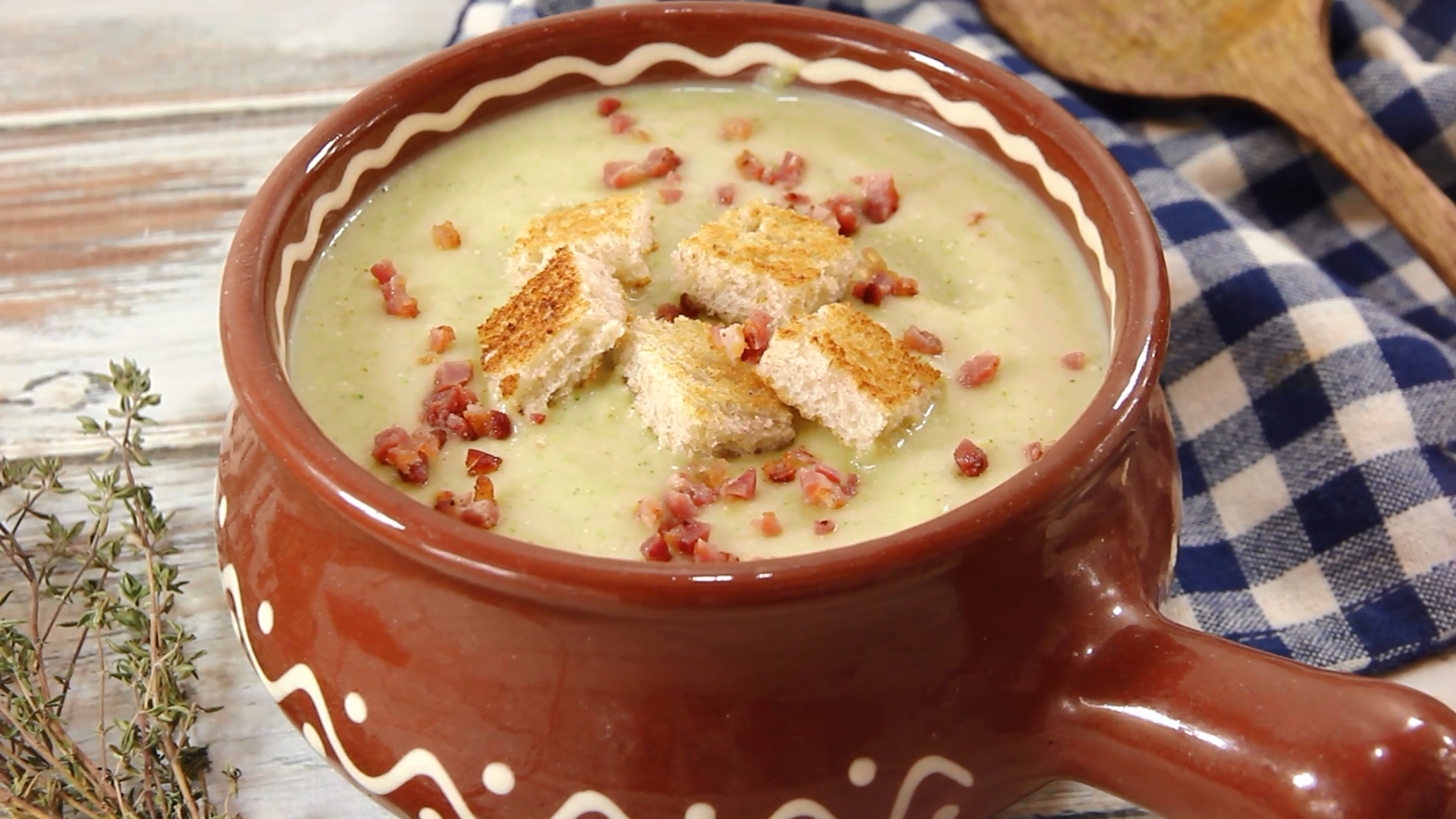
- Blend cooked broccoli into soup with potatoes, white beans, or cauliflower.
- Toss roasted broccoli with pasta, olive oil, lemon, and Parmesan.
- Add it to fried rice, curry, ramen, or grain bowls.
- Use grated stems in tacos, wraps, sandwiches, and slaws.
- Blend broccoli with herbs, lemon, garlic, and nuts for a pesto-style sauce.
Johns Hopkins Medicine and the American Heart Association feature broccoli in soups, salads, breakfast scrambles, pasta dishes, and sauces, illustrating how easily it can move beyond the standard side-dish role. ion>
Step 12: Use a Simple Flavor Formula
If broccoli tastes boring, the problem may be insufficient seasoning rather than the vegetable itself. Build flavor with five components:
- Fat: Olive oil, avocado oil, butter, tahini, cheese, nuts, or seeds.
- Acid: Lemon juice, lime juice, vinegar, or a tangy yogurt dressing.
- Saltiness: Salt, soy sauce, miso, Parmesan, feta, or olives.
- Aromatics: Garlic, ginger, scallions, shallots, herbs, or chili.
- Texture: Toasted breadcrumbs, almonds, sesame seeds, pumpkin seeds, or crispy chickpeas.
For example, roasted broccoli becomes more exciting with olive oil, lemon, Parmesan, garlic, and toasted almonds. Steamed broccoli works with sesame oil, soy sauce, ginger, and sesame seeds. Raw broccoli wakes up under a yogurt-lemon dressing with dried fruit and sunflower seeds.
Bitterness is easier to enjoy when balanced with salt, acid, fat, or a small amount of sweetness. You are not “hiding” the broccoli. You are treating it like an ingredient instead of a nutritional punishment.
Common Broccoli Mistakes to Avoid
Overcooking It
Long cooking can produce dull color, a soft texture, and a stronger sulfurous smell. Check broccoli early and remove it from heat while it still has structure.
Cooking Wet Broccoli at High Heat
Moisture prevents proper browning. Dry florets thoroughly before roasting, grilling, or air-frying.
Cutting Uneven Pieces
Large and small florets placed in the same pan will cook at different speeds. Aim for similar sizes and slice dense stalk pieces thinner than the florets.
Discarding the Stalk
The stalk is not packaging supplied by nature. Peel it, slice it, and cook it. It is excellent in slaw, stir-fries, soups, and roasted vegetable mixtures.
Using Too Little Seasoning
Broccoli needs enough salt, acid, and complementary flavor to taste lively. Season before cooking and taste again before serving.
Frequently Asked Questions About Eating Broccoli
Is Broccoli Better Raw or Cooked?
Both forms can fit into a healthy diet. Raw broccoli provides maximum crunch and avoids heat-related nutrient changes, while cooked broccoli may be easier for some people to chew, digest, and enjoy. Rotating between raw, steamed, roasted, and stir-fried broccoli provides variety without turning mealtime into a laboratory experiment.
Can You Eat Broccoli Every Day?
Many people can eat broccoli regularly as part of a varied diet. However, suddenly eating large quantities of high-fiber vegetables may cause gas or bloating. Increase portions gradually if your usual diet is low in fiber.
Broccoli contains vitamin K. People taking warfarin or another medication affected by vitamin K intake should ask a qualified healthcare professional how to keep their intake consistent rather than making abrupt dietary changes. ow Can You Make Broccoli Taste Less Bitter?
Choose fresh broccoli, avoid overcooking it, and balance bitterness with lemon juice, vinegar, salt, healthy fats, cheese, toasted nuts, or mild sweetness. Roasting also develops browned, nutty flavors that can make broccoli taste less sharp.
Can You Eat Yellow Broccoli?
Slight yellowing usually means the broccoli is aging. It may still be usable if it remains firm and has no slime, mold, or foul odor, although the flavor may be more bitter. Discard broccoli that is extensively spoiled or smells unpleasant.
A Week of Broccoli: Practical Home-Kitchen Experiences
The following kitchen journal reflects the kinds of lessons home cooks commonly discover when trying several broccoli preparations instead of relying on a single method.
Day One: Raw Broccoli Needs Smaller Pieces
The first attempt involved a bowl of large raw florets and a container of hummus. The flavor was fine, but the eating experience resembled chewing a decorative hedge. Cutting the florets into bite-size pieces made an immediate difference. They became easier to chew, easier to dip, and far less likely to scatter crumbs across the desk.
A quick salad worked even better. Small florets, grated stems, chopped apple, sunflower seeds, and a yogurt-lemon dressing produced a useful combination of crisp, creamy, sweet, and tangy elements. After resting for 20 minutes, the broccoli softened slightly without losing its crunch.
Day Two: Steamed Broccoli Is All About Timing
The next test used a covered skillet with a small amount of water. At four minutes, the broccoli was bright green and crisp-tender. At eight minutes, a forgotten second batch had become soft, olive-colored, and dramatically more aromatic. The lesson was not that steaming is boring. The lesson was that a timer is cheaper than culinary regret.
The successful batch needed seasoning immediately after cooking. Lemon zest, olive oil, black pepper, and a pinch of salt transformed it into a side dish that tasted fresh rather than dutiful.
Day Three: Roasting Wins Over Skeptics
Roasting produced the biggest change in both flavor and texture. The florets were dried carefully, tossed with oil, and placed cut-side down on a spacious baking sheet. The flat surfaces browned deeply while the tips became crisp.
The first tray disappeared before the rest of dinner was ready. This is a recurring risk with well-roasted vegetables: the “side dish” becomes an appetizer eaten by people standing beside the oven. Lemon juice and Parmesan added after roasting gave the broccoli brightness and savory depth without covering its character.
Day Four: Stalks Are Better Than Expected
The peeled stalks were cut into matchsticks and stir-fried with carrots, ginger, and scallions. They stayed crisp and tasted milder than the florets. In a blind bite, they could easily have been mistaken for a cross between kohlrabi and a tender cabbage core.
Another stalk was grated into slaw with cabbage and lime dressing. Using the stalks did not feel like a noble act of food-waste prevention; it simply produced more usable vegetables from something already purchased.
Day Five: Broccoli Can Belong at Breakfast
Leftover roasted broccoli was chopped and folded into scrambled eggs with a small amount of cheddar. Because the broccoli was already cooked, breakfast took only a few minutes. The browned edges remained flavorful, and the eggs softened the vegetable’s stronger notes.
This method also solved the small-container problem: those three leftover florets no one considers large enough to save but feels guilty discarding. Broccoli works surprisingly well in omelets, breakfast sandwiches, and savory oatmeal when chopped into manageable pieces.
Day Six: Frozen Broccoli Requires a Different Strategy
Frozen florets released more moisture than fresh broccoli. Putting them directly onto a crowded baking sheet produced soft results. Better browning came from preheating the pan, spreading the frozen pieces apart, and roasting them at high heat without thawing.
Frozen broccoli performed especially well in soup and pasta sauce, where softness was not a disadvantage. Blended with white beans, broth, garlic, and lemon, it created a creamy soup without requiring a large quantity of cream.
Day Seven: The Best Method Depends on the Meal
After a week, there was no single “best” way to eat broccoli. Raw broccoli offered crunch, steamed broccoli was fast, roasted broccoli provided the deepest flavor, and stir-fried stems reduced waste. The most successful approach was choosing a method based on the meal rather than forcing the same preparation every time.
The broader lesson was simple: repeated exposure becomes easier when the experience changes. Someone who dislikes boiled broccoli may enjoy charred broccoli with lemon. A child who rejects large florets may accept tiny pieces in pasta. A reluctant vegetable eater may prefer crisp stems in slaw. Broccoli is not one flavor or textureit is an ingredient with several personalities, some significantly less soggy than others.
Conclusion
Learning how to eat broccoli is less about memorizing strict rules and more about matching preparation to preference. Begin with fresh broccoli, wash it safely, use the stalks, and cut the pieces evenly. Then experiment with raw salads, quick steaming, high-heat roasting, stir-frying, grilling, air-frying, soups, pasta, and breakfast dishes.
Most importantly, season broccoli with intention. A little fat, acid, salt, aroma, and crunch can turn a vegetable people tolerate into one they deliberately put on the grocery list. Broccoli may still look like a miniature tree, but there is no reason it has to taste like landscaping.