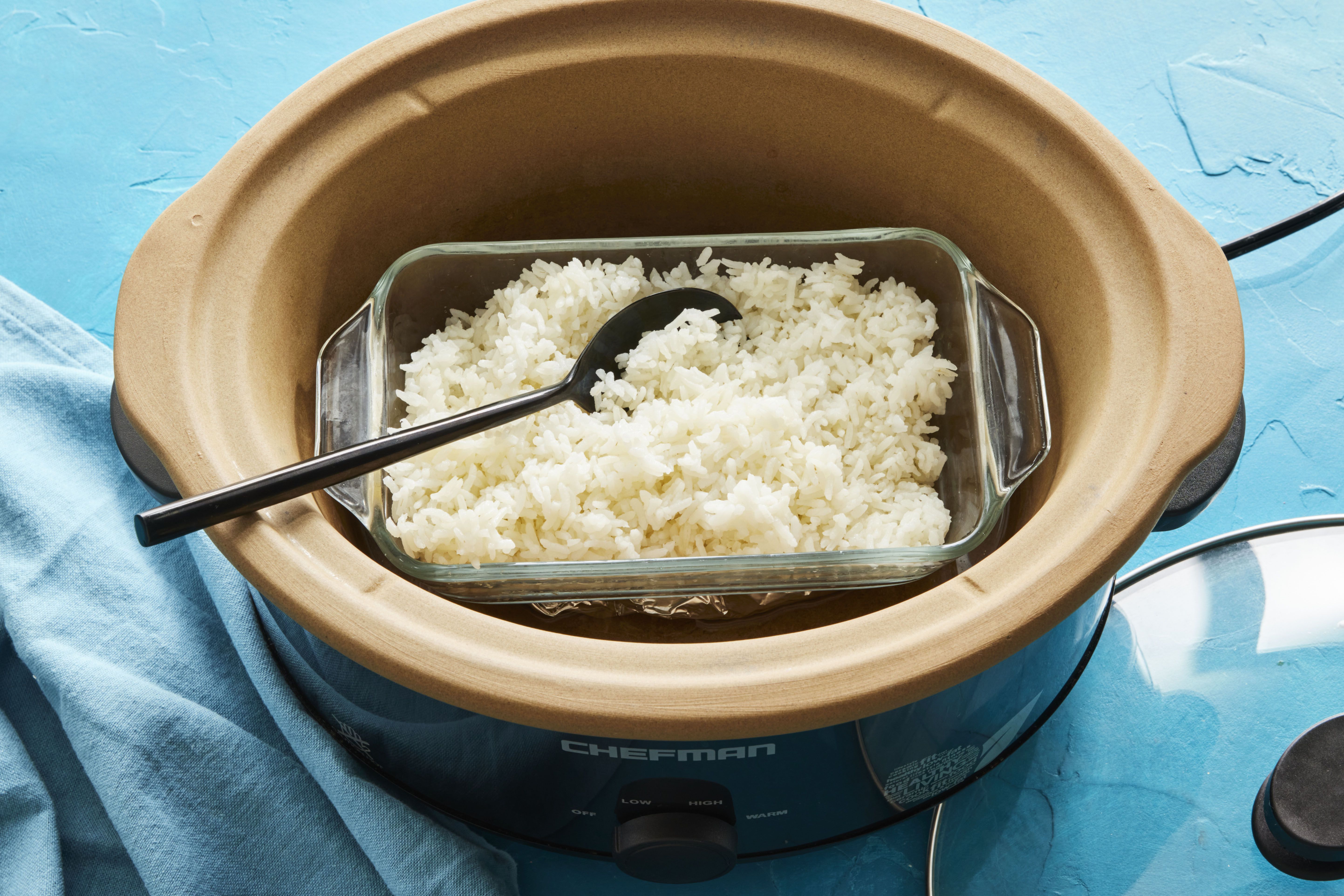
Cooking rice sounds simple until the pot starts acting like a tiny volcano, the grains glue themselves together, or dinner suddenly comes with a side of “what happened here?” The good news: you can cook rice in a slow cooker, and it can be wonderfully convenient when you need a hands-off side dish for a family meal, meal prep session, potluck, or busy weeknight dinner.
The key is understanding that a slow cooker is not a rice cooker wearing a different hat. It heats more gradually, traps moisture differently, and keeps food hot for a long time. That means the right rice-to-water ratio, cooking time, and rice variety matter. Once you learn the basics, slow cooker rice becomes one of those quiet kitchen victories: no babysitting, no boiling over, and no mysterious crunchy center hiding in the bowl like a tiny betrayal.
This guide explains how to cook rice in a slow cooker step by step, including ratios for white rice and brown rice, flavor upgrades, common mistakes, storage tips, and real-life experience from using this method when the stove is already occupied.
Can You Really Cook Rice in a Slow Cooker?
Yes, you can cook rice in a slow cooker. Long-grain white rice, jasmine rice, basmati rice, brown rice, and some wild rice blends can all work, though each type needs slightly different liquid and timing. White rice cooks faster and usually gives the most reliable results. Brown rice takes longer because the bran layer slows water absorption, while wild rice needs even more patience.
The slow cooker is especially useful when you want a larger batch of rice without managing a saucepan. It is also handy when your stovetop is full of soups, stir-fries, beans, or Sunday dinner chaos. However, slow cooker rice is best when made as a simple side dish. If rice sits in a saucy slow cooker recipe for hours, it may become mushy. Add rice near the end of a recipe, or cook it separately when texture matters.
The Best Rice for Slow Cooker Rice
Long-Grain White Rice
Long-grain white rice is the easiest choice for beginners. It tends to stay separate and fluffy when cooked properly. This makes it ideal for burrito bowls, chicken dinners, curries, stir-fries, and simple buttered rice.
Jasmine and Basmati Rice
Jasmine rice has a soft, lightly sticky texture and floral aroma, while basmati is longer, drier, and more fragrant. Both can work in a slow cooker, but they need careful measuring. Too much water can turn these aromatic beauties into a rice pudding audition.
Brown Rice
Brown rice needs more liquid and more time than white rice. It has a nuttier flavor and chewier texture, making it great for meal prep, grain bowls, and hearty side dishes. Use patience here; brown rice does not enjoy being rushed.
Rice Blends and Wild Rice
Wild rice and rice blends can be cooked in a slow cooker, but check the package and expect longer cooking times. Blends vary widely, so the first batch is your test run. Think of it as kitchen science, but with dinner at the end.
Basic Slow Cooker Rice Ratio
For most long-grain white rice, start with this simple ratio:
- 1 cup rinsed long-grain white rice
- 1 1/2 to 2 cups water or broth
- 1/2 teaspoon salt
- 1 teaspoon butter or oil, optional
If your slow cooker runs hot or has a tight-sealing lid, begin with 1 1/2 cups liquid per cup of rice. If your slow cooker vents more steam or tends to dry food out, use closer to 2 cups liquid. The sweet spot depends on the appliance, rice brand, and batch size.
For brown rice, use about 2 to 2 1/2 cups liquid per cup of rice. Brown rice is thirstier, tougher, and generally more dramatic, but it rewards you with a hearty texture when cooked correctly.
Ingredients for Simple Slow Cooker White Rice
- 2 cups long-grain white rice, rinsed
- 3 to 4 cups water or low-sodium broth
- 1 teaspoon kosher salt
- 1 tablespoon butter or olive oil, optional
- Nonstick cooking spray or a light coating of oil for the slow cooker insert
Step-by-Step: How to Cook Rice in a Slow Cooker
Step 1: Rinse the Rice
Place the rice in a fine-mesh strainer and rinse it under cool running water until the water looks less cloudy. Rinsing removes surface starch, which helps prevent gummy, sticky rice. Do not skip this step unless you are intentionally going for a softer, stickier result.
Step 2: Grease the Slow Cooker Insert
Lightly coat the inside of the slow cooker with oil, butter, or nonstick spray. Rice loves to cling to ceramic inserts like it signed a long-term lease, so this small step makes serving and cleanup easier.
Step 3: Add Rice, Liquid, and Salt
Add the rinsed rice to the slow cooker. Pour in water or broth, then stir in salt. Use broth if you want more flavor. Chicken broth, vegetable broth, or even a mix of broth and water can make plain rice taste like it had a tiny glow-up.
Step 4: Cover and Cook
Cook white rice on high for about 1 1/2 to 2 1/2 hours. Avoid opening the lid too often because every peek releases steam and slows cooking. Start checking near the 90-minute mark if your slow cooker runs hot.
Step 5: Let It Rest
When the liquid is absorbed and the grains are tender, turn off the slow cooker and let the rice rest, covered, for 10 minutes. This helps moisture settle evenly through the grains.
Step 6: Fluff With a Fork
Use a fork to gently fluff the rice. Do not stir aggressively, or you may smash the grains and create a sticky texture. Rice likes a gentle hand, not a wrestling match.
Slow Cooker Rice Cooking Times
| Rice Type | Liquid Ratio | Approximate Time on High | Best Use |
|---|---|---|---|
| Long-grain white rice | 1 cup rice to 1 1/2–2 cups liquid | 1 1/2–2 1/2 hours | Everyday side dishes, bowls, casseroles |
| Jasmine rice | 1 cup rice to 1 1/2 cups liquid | 1 1/2–2 hours | Thai-inspired meals, stir-fries |
| Basmati rice | 1 cup rice to 1 1/2 cups liquid | 1 1/2–2 hours | Curries, pilafs, grilled meats |
| Brown rice | 1 cup rice to 2–2 1/2 cups liquid | 2 1/2–3 1/2 hours | Meal prep, grain bowls, hearty sides |
| Wild rice blend | Follow package as a starting point | 3–4 hours | Soups, holiday sides, earthy pilafs |
How to Make Slow Cooker Brown Rice
Brown rice needs extra time, but the method is just as easy. Rinse 2 cups brown rice, grease the slow cooker insert, then add 4 to 5 cups water or broth and 1 teaspoon salt. Cook on high for 2 1/2 to 3 1/2 hours, checking for tenderness near the end. Let it rest for 10 minutes before fluffing.
If the rice is tender but a little wet, remove the lid and let it sit for a few minutes so steam can escape. If it is still firm and the liquid is gone, add 1/4 cup hot water, cover, and continue cooking for 15 to 20 minutes.
Flavor Ideas for Slow Cooker Rice
Use Broth Instead of Water
Broth is the easiest upgrade. It adds savory depth without extra work. Use low-sodium broth so you can control the salt level.
Add Aromatics
Try minced garlic, a bay leaf, a small piece of onion, or a few slices of ginger. Remove larger aromatics before serving. Nobody wants to bite into a bay leaf and question their life choices.
Make Herbed Rice
Stir in dried parsley, thyme, oregano, or Italian seasoning before cooking. Add fresh herbs after cooking so they stay bright.
Try Coconut Rice
Replace part of the water with canned coconut milk for a creamy side dish that pairs beautifully with grilled chicken, shrimp, curry, or roasted vegetables. For best texture, use a mix of coconut milk and water rather than all coconut milk.
Finish With Butter or Citrus
After cooking, add butter, olive oil, lime juice, lemon zest, or chopped scallions. Small finishing touches make slow cooker rice taste fresh instead of flat.
Common Mistakes When Cooking Rice in a Slow Cooker
Using Too Much Water
Mushy rice usually means too much liquid or too much cooking time. Slow cookers hold steam well, so they may need less water than a stovetop pot.
Skipping the Rinse
Unrinsed rice can become gummy because of surface starch. Rinsing is especially helpful for long-grain white rice, jasmine rice, and basmati rice.
Opening the Lid Too Often
Slow cookers rely on trapped heat and steam. Every lid lift lets heat escape and can extend the cooking time. Peek only when necessary.
Cooking Rice All Day
Rice is not a “set it for eight hours and go live your life” ingredient. White rice can overcook quickly once tender. If your slow cooker has a warm setting, use it briefly, not as a rice hotel.
Adding Rice Too Early to Soups or Stews
Rice added at the beginning of a slow cooker soup may turn bloated and soft. Add uncooked rice toward the end, or cook rice separately and spoon the soup over it.
How to Store and Reheat Slow Cooker Rice Safely
Cooked rice should be handled carefully. Cool leftovers quickly and refrigerate them within two hours. Use shallow containers so the rice chills faster. Store cooked rice in the refrigerator and use it within a few days for best quality.
To reheat rice, sprinkle it with a tablespoon or two of water, cover, and heat until steaming hot. The added moisture helps revive the grains. You can reheat rice in the microwave, on the stovetop, or in the slow cooker if you are warming a larger batch, but do not leave cooked rice sitting at room temperature for long periods.
Best Ways to Serve Slow Cooker Rice
Slow cooker rice is a reliable base for many meals. Serve it with shredded chicken, beef stew, black beans, roasted vegetables, teriyaki salmon, chili, curry, grilled tofu, or saucy meatballs. It also works for meal prep bowls with protein, vegetables, and a simple sauce.
For a quick weeknight bowl, top slow cooker rice with rotisserie chicken, steamed broccoli, soy sauce, sesame oil, and a fried egg. For a Tex-Mex version, add black beans, salsa, corn, shredded cheese, avocado, and cilantro. For a cozy comfort bowl, spoon beef stew or creamy mushroom chicken over the rice and prepare for silence at the tablethe good kind.
Troubleshooting Slow Cooker Rice
My Rice Is Crunchy
Add 1/4 cup hot water, cover, and cook for another 15 to 30 minutes. Crunchy rice usually needs more liquid, more time, or both.
My Rice Is Mushy
Use less liquid next time and check earlier. You can spread mushy rice on a baking sheet to release steam, but if it is very soft, turn it into fried rice, rice cakes, or a creamy rice breakfast bowl.
My Rice Stuck to the Bottom
Grease the insert before cooking and avoid cooking too long after the liquid is absorbed. A slow cooker liner can help, but oil or butter usually does the job.
My Rice Tastes Bland
Use broth, add salt, and finish with butter, herbs, lemon, lime, or toasted sesame oil. Rice is a blank canvas, but even a blank canvas needs a frame.
Experience Notes: What I Learned From Cooking Rice in a Slow Cooker
The first thing you learn when cooking rice in a slow cooker is that slow cookers have personalities. Some are gentle and polite. Others behave like they trained in a volcano. That is why the best recipe is not just a recipeit is a starting point. The first batch tells you how your machine handles heat, steam, and timing.
In practice, long-grain white rice is the most forgiving. It gives you a fluffy result if you rinse it well, measure carefully, and check it before it overcooks. The biggest mistake is treating rice like a stew. A stew can bubble away for hours and still be dinner. Rice, on the other hand, has a shorter window between perfect and “why is this a paste?” For white rice, I like checking around 90 minutes on high. If the edges look dry but the center is still firm, a splash of hot water and another short cook usually saves it.
Brown rice is better for people who want a heartier texture and do not mind waiting. It holds up well in meal prep containers and tastes great with beans, roasted vegetables, and saucy proteins. The trick is not to under-liquid it. Brown rice needs more hydration, and it benefits from a longer rest after cooking. That rest period makes the grains more even and less chewy in the center.
Another helpful lesson is that broth changes everything. Rice cooked in plain water is fine, but rice cooked in broth tastes like you meant to make dinner instead of simply avoiding starvation. A small amount of butter or olive oil also helps the grains separate and gives the finished dish a smoother flavor. For fragrant rice, a smashed garlic clove or bay leaf can make the kitchen smell like you are doing something fancy, even if you are wearing socks that do not match.
Batch size matters too. Very small amounts of rice can dry out in a large slow cooker because the rice spreads thinly across the bottom. A medium batch usually performs better. If you only need one cup of cooked rice, the stovetop or a rice cooker may be easier. But if you want enough rice for a family dinner or several meal prep containers, the slow cooker earns its counter space.
The final experience-based tip is to remove or serve the rice soon after it is done. The warm setting sounds helpful, but rice continues to soften as it sits. For the best texture, fluff it, serve it, or transfer it to a storage container. Slow cooker rice is simple, but it rewards attention at the finish line. Give it a rinse, a measured amount of liquid, a little seasoning, and a timely rescue from the heat, and it will behave beautifully.
Conclusion
Learning how to cook rice in a slow cooker is mostly about balance: the right rice, the right liquid, the right timing, and the courage not to lift the lid every seven minutes. Start with long-grain white rice if you are new to the method, then experiment with jasmine, basmati, brown rice, broth, herbs, and coconut milk once you know how your slow cooker behaves.
Slow cooker rice is not always faster than stovetop rice, but it is convenient, especially for batch cooking and busy kitchens. With careful measuring and a little patience, you can make fluffy, flavorful rice without hovering over a pot. And honestly, any cooking method that frees you from scraping burned rice off the stove deserves a small round of applause.
Note: This article is written for web publishing in standard American English and focuses on practical cooking guidance, food safety, and real-world slow cooker rice experience.