Celery rarely receives top billing at a holiday party. It does not sparkle like sugared cranberries, wobble dramatically like gelatin salad, or inspire relatives to argue over the final serving. Yet there it is, quietly holding the vegetable platter together, delivering crunch to stuffing, flavoring dips, and carrying peanut butter, cream cheese, pimento cheese, or ranch dressing with admirable structural integrity.
Unfortunately, celery can also arrive at the table gritty, stringy, wilted, waterlogged, or chopped into pieces that look as though they were prepared during an earthquake. Learning how to clean celery properlyand how to trim, peel, cut, store, and revive itturns this humble vegetable into a crisp, attractive, genuinely useful holiday ingredient.
This guide covers the entire process, from choosing a fresh bunch at the store to arranging polished celery sticks on a party platter without creating a last-minute kitchen crisis.
Start by Choosing Fresh, Crisp Celery
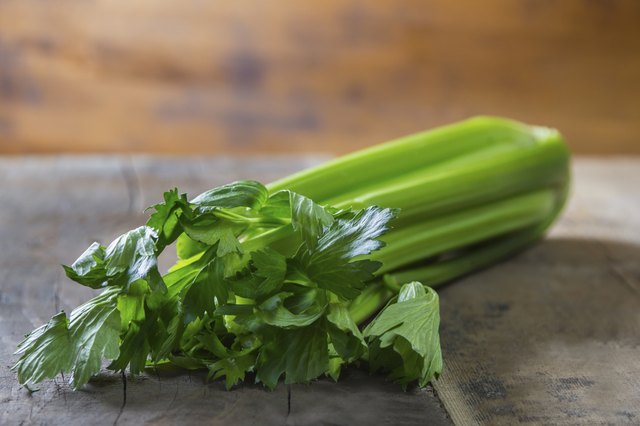
Successful holiday celery preparation begins before you reach the sink. Look for a bunch with firm, tightly packed ribs and fresh-looking leaves. The stalks should feel rigid rather than rubbery, and their color should range from pale green near the center to a deeper green on the outside.
Avoid celery with large brown patches, extensive bruising, slimy areas, split stalks, or an unpleasant odor. A little surface scuffing is not necessarily a problem, but soft or leaking ribs have already begun their retirement from polite society.
Check the base and leaves
The base should look relatively clean and solid. Dark soil around the bottom is common because celery grows close to the ground, but deep discoloration or mushiness is a warning sign. Leaves should appear lively rather than yellow, blackened, or heavily wilted.
Choose stalk size according to the recipe
Large outer ribs work well for soups, stuffing, braises, stocks, and long celery sticks. Tender inner ribs are usually sweeter, less fibrous, and especially good for salads, garnishes, appetizers, and raw holiday platters.
Gather the Right Celery-Preparation Tools
You do not need specialty equipment or a gadget advertised by someone shouting on late-night television. A few basic kitchen tools are enough:
- A clean cutting board reserved for produce or thoroughly cleaned before use
- A sharp chef’s knife or utility knife
- A vegetable peeler
- A large colander
- Clean kitchen towels or paper towels
- A container with a lid for prepared celery
- A bowl of cold water and ice for crisping, if needed
Wash the knife, board, colander, sink area, and your hands before beginning. Fresh vegetables that will be served raw should not share unwashed utensils or surfaces with raw meat, poultry, seafood, or eggs. The FDA recommends washing hands with soap and warm water for at least 20 seconds and keeping raw produce separate from potential sources of cross-contamination.
How to Clean and Wash Celery Properly
Celery’s curved ribs and narrow channels are excellent at trapping dirt. Giving the intact bunch a quick rinse is therefore not enough, especially when the stalks will be eaten raw.
Step 1: Separate the ribs
Remove each stalk from the bunch by pulling it gently away from the base. Separating the ribs exposes the surfaces that were pressed together, including the lower interior areas where soil often hides.
Step 2: Trim the bottom
Cut approximately one-quarter to one-half inch from the base of each stalk, or remove more if the end is dry, bruised, or discolored. Trim away damaged areas rather than attempting to wash rot into submission. Produce that is moldy, slimy, or clearly spoiled should be discarded.
Step 3: Rinse under cool running water
Hold each rib under cool running tap water. Use your fingers to rub the front, back, sides, and especially the channel running along the inside. Pay extra attention to the bottom several inches, where fine soil tends to collect.
Federal food-safety guidance recommends washing fresh produce under running water before cutting, peeling, cooking, or eating it. Soap, dish detergent, bleach, and household cleaning products should not be used on celery. Produce is porous, and cleaning chemicals can leave residues or be absorbed into the food. Commercial produce wash is also unnecessary for routine home preparation.
Step 4: Use a clean brush only when needed
If a stalk has stubborn dirt embedded in its grooves, gently scrub the area with a clean produce brush while holding it under running water. Do not attack it as though you are sanding a porch. Moderate pressure is enough.
Step 5: Dry the stalks thoroughly
Pat the washed celery dry with a clean cloth or paper towel. Drying improves its texture, prevents dips from becoming watery, and helps cut celery remain crisp in storage. It may also remove additional surface contamination after rinsing.
Should You Soak Celery in Water?
Soaking can loosen visible dirt, but it should not replace rinsing under running water. A bowl of standing water can collect soil and debris, leaving every stalk bathing together in what is essentially a tiny vegetable swamp.
For particularly dirty celery, swish the separated ribs briefly in a clean bowl of cold water. Lift them out rather than pouring the dirty water over them, then rinse each rib under the faucet. Clean and sanitize the bowl afterward.
Do not soak celery in soap, vinegar, baking soda, bleach, or detergent. Plain running water, clean hands, clean equipment, careful trimming, and proper refrigeration are the practical essentials.
How to Remove Celery Strings
Celery strings are fibrous bundles running lengthwise beneath the outer surface. They are edible and not a food-safety concern, but mature outer ribs may have strings tough enough to interrupt an otherwise elegant bite.
You do not always need to remove them. Finely diced celery, celery destined for stock, and tender inner ribs usually require no peeling. Removing strings is most useful when preparing thick raw sticks, stuffed celery, shaved salads, or lightly cooked pieces in which the texture remains noticeable.
Method 1: Use a vegetable peeler
- Place the washed, dried rib rounded-side up on the cutting board.
- Run a vegetable peeler lightly from the base toward the top.
- Remove only the thin outer layer containing the toughest fibers.
- Rotate the rib and repeat where strings remain visible.
A light touch matters. Over-peeling wastes celery and can turn a substantial rib into a nervous green ribbon.
Method 2: Pull the strings with a knife
- Make a shallow cut near one end without slicing completely through the fibers.
- Pinch the loosened edge between your thumb and the knife.
- Pull lengthwise so the strings lift away in long strands.
Peeling is optional, but culinary knife guides commonly recommend it for large raw pieces or gently cooked celery when a more refined texture is desired.
How to Cut Celery for Holiday Recipes
The best cut depends on where the celery is going. Uniform pieces look more professional and cook more evenly, while mismatched pieces produce the charming texture known as “one bite raw, one bite mush.”
Celery sticks for a crudité platter
Trim the ribs into pieces approximately three to four inches long. Split wide ribs lengthwise into two or three narrower batons. Keep the sticks similar in thickness so they look tidy and fit comfortably into small dip bowls.
Stuffed celery boats
Cut the ribs into three-inch sections, leaving the natural channel intact. Wider outer stalks hold heavier fillings such as pimento cheese, herbed cream cheese, chicken salad, or a savory nut mixture. Dry the channels well before filling them so the topping stays in place.
Thin slices for salads
Cut crosswise into slices about one-eighth inch thick. Thin half-moons add crunch without forcing guests to spend the evening chewing a single salad leaf and one heroic celery chunk.
Bias slices for elegant dishes
Hold the knife at a diagonal and slice across the rib. Bias-cut celery has a wider surface area and looks attractive in stir-fries, composed salads, glazed vegetable dishes, and appetizer arrangements.
Fine dice for stuffing, dips, and spreads
Split each rib lengthwise into narrow strips, gather the strips together, and cut crosswise into small, even pieces. A fine dice distributes celery flavor throughout stuffing, egg salad, tuna salad, chicken salad, cheese spreads, and holiday dips without creating oversized crunchy surprises.
Large chunks for stock and braises
For broth, soup, or a rustic braise, cut the ribs into one- to two-inch pieces. Precision matters less because the celery will cook for a long time or may be strained out later. Standard knife-cutting references distinguish batons, bias slices, fine dice, and large chunks according to presentation, texture, and cooking time.
Do Not Throw Away the Celery Leaves
Celery leaves are edible and useful. The pale inner leaves are tender and mild, making them excellent garnishes for deviled eggs, soups, salads, dips, and holiday platters. Dark outer leaves have a stronger, more herbal flavor and work well in stocks, stews, stuffing, pesto, compound butter, and homemade celery salt.
Wash leaves under cool running water, spin or pat them dry, and inspect them for yellowing or damage. Store usable leaves separately in a towel-lined container. Treat them like a fresh herb rather than sending them directly to the garbage disposal. Culinary sources recommend using tender leaves as garnishes and stronger leaves in soups, salads, pesto, seasoning mixtures, and stews.
How to Prepare Celery Ahead of a Holiday Party
Holiday cooking becomes much easier when celery is cleaned and cut before guests arrive. The trick is preserving its crunch without letting it become waterlogged.
For celery sticks and crudités
Wash, dry, trim, and cut the celery one or two days before the party. Place the sticks in a sealed container lined with a barely damp paper towel, or stand them in a container with a small amount of cold water. Refrigerate promptly.
If you store the sticks in water, replace the water daily and drain and dry the celery before arranging it on a platter. Too much surface moisture will dilute dips and create a slippery serving tray.
For diced celery
Store finely cut celery in an airtight container lined with a dry paper towel. Add it to stuffing, salads, casseroles, or dips as close to cooking or serving time as practical. USDA food-service guidance recommends washing produce just before preparation rather than washing whole produce before long-term storage, since extra moisture can speed deterioration.
For the remaining whole bunch
Keep unwashed celery cold in the refrigerator’s crisper drawer until you are ready to use it. Once washed, dry it thoroughly before wrapping or storing it. Some cooks wrap dry stalks in aluminum foil to control moisture while allowing ethylene gas to escape, helping the celery remain crisp for an extended period.
How to Revive Limp Celery
Limp celery is often dehydrated rather than spoiled. If it has no slime, mold, rotten odor, or severely discolored areas, it may be revived for raw or cooked dishes.
- Trim a thin slice from both ends of each stalk.
- Place the stalks or cut pieces in a bowl of ice water.
- Refrigerate or let them rest for 20 to 60 minutes.
- Drain and dry them thoroughly.
Cold water can help rehydrate wilted vegetables and restore some of their firmness. However, ice water is not a time machine. Celery that is slimy, moldy, liquefied, or foul-smelling should be discarded rather than revived.
Holiday Celery Platter Ideas
Celery does not need to sit beside a plastic tub of ranch looking vaguely disappointed. A little presentation work can make it part of the celebration.
Create a colorful crudité board
Arrange celery batons with carrots, radishes, bell peppers, snap peas, cucumbers, broccoli, and cherry tomatoes. Alternate colors rather than piling each vegetable into an isolated little district. Place thick dips in shallow bowls so guests can scoop without losing a celery stick to the depths.
Build stuffed celery assortments
Offer several fillings, such as herbed cream cheese with cranberries, pimento cheese with toasted pecans, hummus with smoked paprika, or peanut butter with dried fruit. Label fillings that contain major allergens.
Use tender leaves as a finishing touch
Scatter pale celery leaves around the platter or use them to garnish filled stalks. They add color and reinforce the celery flavor without requiring another grocery-store emergency.
Common Celery Preparation Mistakes
Washing only the outside of the bunch
Dirt hides between ribs and near the base. Separate the stalks before rinsing them.
Using soap or detergent
Dish soap belongs on dishes, not vegetables. Wash celery with cool running tap water and friction from clean hands or a clean produce brush.
Skipping the drying step
Wet celery shortens storage quality, waters down fillings, and turns serving platters into miniature skating rinks.
Peeling every stalk automatically
Tender inner ribs usually do not need peeling. Remove strings only when their texture would affect the finished dish.
Cutting too early without proper storage
Exposed cut surfaces lose moisture more quickly. Refrigerate prepared celery in a covered container and keep it cold until serving.
Using a contaminated cutting board
Raw celery is often eaten without cooking, so use a clean board and knife. Refrigerators used for perishable produce should be kept at 40 degrees Fahrenheit or below, and produce should be separated from raw animal products during shopping, storage, and preparation.
Practical Holiday Kitchen Experiences and Lessons
One of the most common holiday celery experiences begins with good intentions and ends with a damp vegetable tray. The host washes and cuts every stalk the night before, submerges the pieces in a large container of water, and forgets about them until guests arrive. The celery is certainly cold, but it is dripping, the ranch dressing becomes thinner with every dip, and the serving platter develops a small inland sea. The better approach is to use only enough moisture to maintain crispness, then drain and dry the sticks before serving.
Another familiar situation involves the stubborn outer stalk. It looks perfect, but the first bite produces a string that refuses to surrender. Guests attempt to handle the problem discreetly while continuing a conversation about interest rates or someone’s new kitchen renovation. Peeling the largest outer ribs before cutting them into raw sticks prevents this tiny social obstacle. Inner stalks can usually be left alone, preserving both time and celery.
Uneven cutting creates another surprisingly noticeable problem. A platter containing delicate matchsticks, enormous logs, and one mysterious curved branch feels improvised even when every vegetable is fresh. Cutting one stalk into a sample baton before processing the entire bunch creates a useful size guide. Three- to four-inch sticks are easy to grab, fit most appetizer plates, and hold enough dip without becoming a structural engineering project.
Make-ahead preparation also teaches an important lesson about workflow. Washing celery while raw poultry is being trimmed nearby creates unnecessary cross-contamination risks and clutters the sink. A calmer system is to prepare raw vegetables first using clean equipment, package them, clean the work area, and then move on to meat or seafood. This order also keeps the celery from absorbing the aromas of stronger ingredients.
Holiday cooks frequently underestimate the leaves. During rushed preparation, the leafy tops are chopped off and discarded before anyone considers their potential. Saving the pale leaves creates a ready-made garnish for dips, soups, deviled eggs, and cheese boards. Darker leaves can go into stock or stuffing. This small habit reduces waste and adds flavor without buying another bunch of herbs that will later be discovered behind the cranberry sauce in January.
Limp celery can produce either a happy recovery or an avoidable mistake. Stalks that are merely flexible often become crisp again after resting in ice water. Celery with slime, mold, or a sour odor does not deserve a spa treatment. Learning the difference saves food without compromising quality. When in doubt, remember that cold water restores lost moisture; it does not reverse spoilage.
The most useful experience, however, is discovering that celery preparation does not need to happen during the final frantic hour before a party. Clean the stalks, remove tough strings, cut the required shapes, dry everything well, and refrigerate it in organized containers. Label diced celery for stuffing, longer sticks for the platter, and wide pieces for filling. When guests arrive, the celery will be crisp, the kitchen will be calmer, and nobody will be searching for a vegetable peeler while wearing formal clothes.
Conclusion: Crisp Celery Without the Holiday Drama
Preparing celery properly is less about complicated technique and more about following a sensible sequence. Select firm stalks, separate the ribs, wash them under cool running water, dry them thoroughly, trim damaged areas, and remove tough strings only when necessary. Match the cut to the recipe, refrigerate prepared pieces promptly, and revive merely wilted stalks with ice water rather than throwing them away.
With these steps, celery becomes more than the vegetable guests politely move aside while searching for another cheese cube. It adds clean flavor, reliable crunch, fresh color, and practical structure to dips, crudité boards, salads, stuffing, soups, and filled appetizers. That is an impressive holiday résumé for something that usually arrives in the produce aisle wearing no glitter whatsoever.