Middle school cheerleading is part sport, part school spirit, part performance, and part “how did we remember eight counts while smiling and not bumping into the mascot?” If you want to become a cheerleader in middle school, the good news is that you do not need to arrive at tryouts with a perfect back handspring, a closet full of bows, or the volume of a stadium announcer. What you do need is preparation, confidence, teamwork, coachability, and a willingness to practice even when your first toe touch looks more like a startled starfish.
Cheerleading has grown into a highly athletic activity that can include chants, dance, jumps, tumbling, stunts, sideline routines, pep rallies, competitions, and community events. Middle school cheer teams often focus on school spirit, safe skill development, discipline, and learning how to represent the school positively. Every school has its own rules, but most programs look for students who are responsible, energetic, respectful, and ready to learn.
This guide breaks down exactly how to become a cheerleader in middle school in nine practical steps. You will learn how to understand tryout requirements, build beginner cheer skills, practice safely, prepare mentally, and stand out for the right reasons. Spoiler: being kind, prepared, and on time can help almost as much as having a sharp high V.
Step 1: Learn Your School’s Cheerleading Requirements
Before you start practicing jumps in the living room and accidentally frightening the family dog, find out what your middle school cheer program actually requires. Requirements vary from school to school, district to district, and state to state. Some teams hold formal tryouts in spring for the next school year, while others select students in the fall. Some require teacher recommendations, a minimum grade point average, attendance records, parent permission forms, sports physicals, and signed behavior agreements.
What to ask before tryouts
Start by checking your school website, announcements, athletic department page, or student activities office. Ask when tryouts are held, whether there is a mandatory interest meeting, what forms are due, and what skills will be judged. Many middle school cheer tryout packets include a tryout clinic schedule, a list of required chants or dances, and rules about practice attendance.
Do not wait until the night before tryouts to look for paperwork. That is how backpacks become haunted forests of wrinkled permission slips. Create a checklist with deadlines for your physical, application, teacher recommendations, parent signatures, and tryout clothing. Cheerleading rewards enthusiasm, but coaches also notice responsibility.
Step 2: Understand What Cheer Coaches Look For
Middle school cheer coaches usually evaluate more than one skill. They may score motions, jumps, rhythm, memory, voice projection, facial expressions, tumbling, flexibility, teamwork, and attitude. Even if tumbling is part of tryouts, beginner-friendly teams often care more about effort, safety, and coachability than advanced tricks.
Common tryout qualities
Coaches want cheerleaders who can learn routines, follow directions, encourage teammates, and represent the school well. A student who is respectful, energetic, and willing to improve can be a stronger candidate than someone with one flashy skill but a difficult attitude. Cheerleading is a team activity. Nobody wants to build a pyramid with someone who thinks “teamwork” means everyone else should orbit around them like tiny moons.
Practice listening carefully. When a coach gives feedback, respond with “Thank you” or “I’ll work on that,” then make the adjustment. During clinics, stand where you can see, avoid talking while instructions are given, and show that you are engaged. Judges may remember the student who learned quickly, smiled under pressure, and treated others kindly.
Step 3: Build Strong Cheer Motions
Motions are the foundation of cheerleading. They make chants look clean, powerful, and synchronized. Common cheer motions include high V, low V, touchdown, low touchdown, T, broken T, daggers, clasp, and candlesticks. In cheer, sharp arms matter. A high V should not look like you are lazily asking the ceiling for permission to leave class.
How to practice cheer motions at home
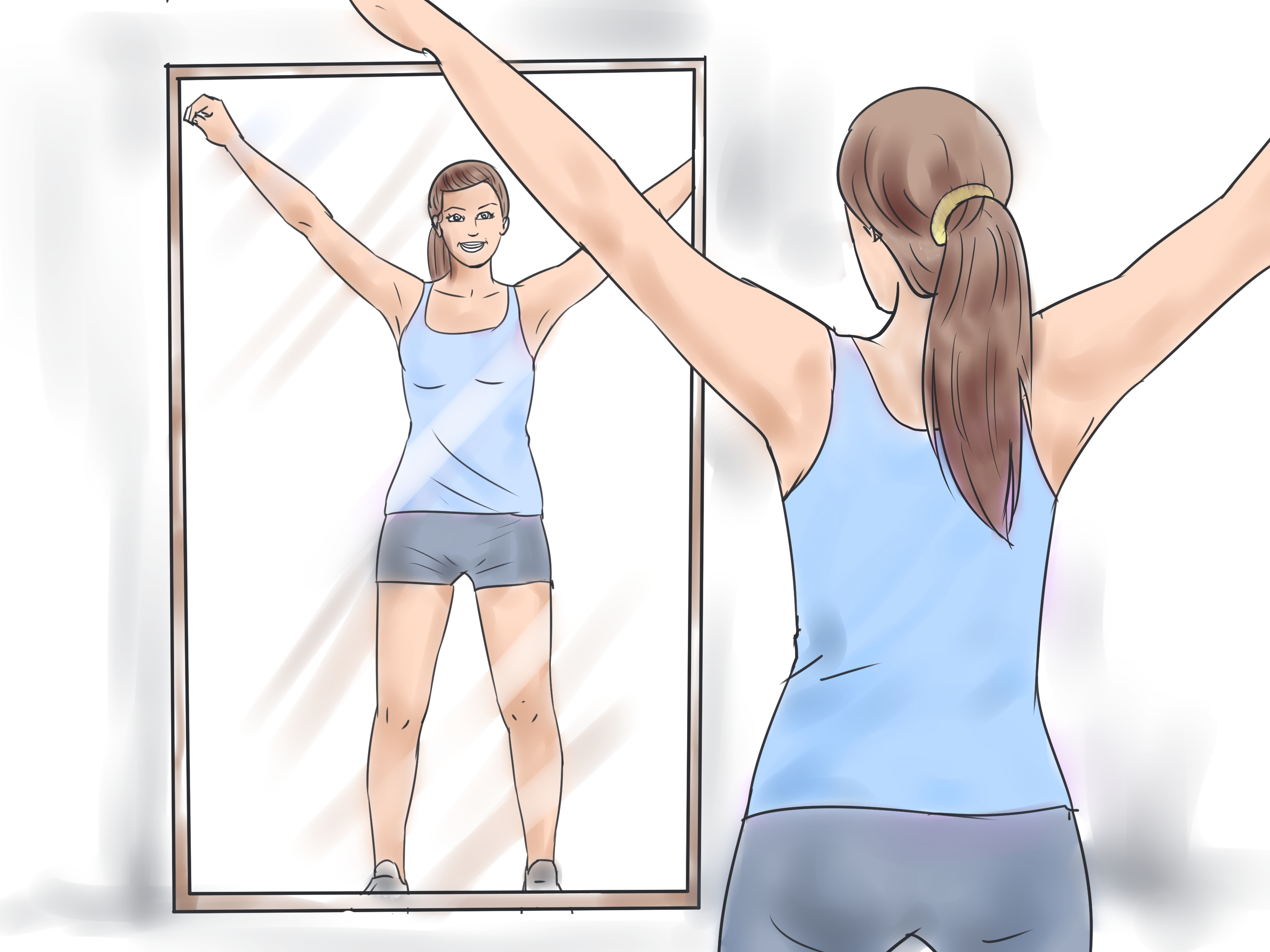
Stand in front of a mirror and practice each motion slowly. Keep your fists tight, wrists straight, arms strong, and shoulders relaxed. Hit the motion, freeze for a second, then move to the next one. Once your form improves, practice with counts: “Five, six, seven, eight.” Cheer routines often move quickly, so clean transitions are just as important as the final pose.
Record yourself on video if allowed by your parent or guardian. Watch for bent wrists, drooping elbows, uneven arms, and loose posture. The mirror may say, “Looks great!” The video may say, “Let’s discuss your left elbow.” Both are helpful.
Try practicing a short motion sequence every day for ten minutes. For example: high V, clasp, T, broken T, touchdown, daggers, low V, clap. Focus on precision before speed. Clean motions make even a simple chant look polished.
Step 4: Practice Beginner Cheer Jumps
Jumps are a major part of cheerleading tryouts. Middle school cheerleaders are often asked to perform basic jumps such as a tuck jump, spread eagle, herkie, hurdler, pike, or toe touch. You do not need a perfect toe touch on day one. Most cheerleaders improve jumps through strength, flexibility, and repetition.
How to improve cheer jumps safely
Start with a warm-up before every jump session. Jog in place, do jumping jacks, arm circles, high knees, and gentle dynamic stretches. Jumping with cold muscles is like trying to open a frozen jar of picklespossible, but rude to everyone involved, especially your hamstrings.
For better jumps, strengthen your legs and core. Squats, lunges, calf raises, planks, and seated leg lifts can help build the power needed for height and control. Flexibility also matters, especially in the hips, hamstrings, and hip flexors. Stretch after warming up, not before your body is ready.
When practicing jumps, focus on landing safely. Land with your feet together or under control, knees slightly bent, chest lifted, and weight balanced. Avoid landing stiff-legged. A beautiful jump followed by a wobbly landing is like a perfect cupcake dropped frosting-side down.
Step 5: Work on Dance, Rhythm, and Counts
Many middle school cheer tryouts include a short dance routine. The judges want to see whether you can remember choreography, stay on beat, and perform with confidence. You do not have to be a professional dancer. You do need to understand counts and commit to the movement.
How to learn cheer choreography faster
Cheer routines are often taught in eight-counts. Instead of trying to remember the entire dance at once, break it into sections. Learn the first eight-count, repeat it until it feels comfortable, then add the next section. Say the counts out loud while practicing. This helps your body connect movement with timing.
Use full energy even during practice. If the routine has a sharp clap, clap sharply. If it has a turn, finish the turn with your eyes up. If it has a pose, own the pose like you just won a lifetime supply of pizza rolls. Performance quality matters because cheerleaders are expected to energize a crowd.
Facial expressions also count. A confident smile can make your routine look stronger, but it should not look forced or frozen. Think “excited to be here,” not “school picture day panic.” Practice smiling while moving so it feels natural during tryouts.
Step 6: Train Your Voice and Spirit
Cheerleaders lead chants, encourage teams, and help build school spirit. That means your voice matters. A strong cheer voice is loud, clear, and controlled. It is not screaming until your throat files a formal complaint.
How to project your voice
Practice speaking from your diaphragm instead of shouting from your throat. Stand tall, breathe deeply, and say chants with crisp words. Focus on clear pronunciation. A cheer should sound organized and energetic, not like five people yelling different lunch orders across a cafeteria.
Try practicing chants outside or in a large room. Keep your chin up and project forward. Add motions while chanting so you can coordinate your body and voice at the same time. Coaches may look for students who can be heard, but they also want safe vocal habits. Drink water, rest your voice, and avoid yelling for long periods outside practice.
Spirit is more than volume. It is enthusiasm, pride, encouragement, and positivity. Clap for others at tryouts. Smile when someone else performs well. Show that you can lift the mood of a room, not just your own score.
Step 7: Learn Basic Safety Rules
Cheerleading can be exciting, but safety must come first. Middle school cheerleaders should follow school rules, coach instructions, and age-appropriate skill progressions. Stunts, tumbling, pyramids, and jumps should be taught by trained adults on safe surfaces with proper spotting. Never try advanced stunts at home, on concrete, on wet grass, or anywhere that makes your future self say, “Why did I think this was a good idea?”
Important cheer safety habits
Always warm up before practice and cool down afterward. Wear proper athletic shoes and practice clothing that allows movement. Remove jewelry before cheer activities. Keep nails at a safe length. Tie hair back securely. Listen when coaches explain spotting, formations, and stunt roles.
If you feel pain, dizziness, or symptoms after a fall or hit, speak up immediately. Cheerleaders should never hide injuries to appear tough. Real toughness is telling the truth, getting help, and returning safely. Concussions and serious injuries require adult attention and medical clearance before returning to practice.
Middle school is the time to build excellent habits. Safe cheerleaders become trusted teammates. Trusted teammates are the people coaches want in formations, stunts, performances, and leadership roles.
Step 8: Prepare for Tryout Week
Tryout week can feel exciting and terrifying, sometimes in the same five seconds. Preparation helps calm nerves. A few days before tryouts, review the required cheer, chant, dance, jumps, and any tumbling skills you plan to show. Practice in the same type of clothing and shoes you will wear to tryouts so nothing feels unfamiliar.
What to do before the big day
Get enough sleep the night before. Eat a balanced meal or snack that gives you energy without making you feel sluggish. Pack water, forms, hair ties, and anything your school requires. Arrive early. Being late to tryouts sends the wrong message, even if your excuse is that your ponytail bow entered a complicated emotional crisis.
During tryouts, take one skill at a time. If you make a mistake, keep going. Judges know students are nervous. What matters is how you recover. Do not stop in the middle of the routine unless instructed. Smile, finish strong, and show confidence even if your brain briefly turns into mashed potatoes.
Be polite to everyone: coaches, judges, current cheerleaders, office staff, parents, and other students trying out. Your behavior before and after your performance can matter. Cheerleaders are visible representatives of the school, so character counts.
Step 9: Handle the Results with Maturity
After tryouts, you may make the team, become an alternate, or not make it this time. All three outcomes can teach you something. If you make the team, celebrate with gratitude and get ready to work. Making the team is not the finish line; it is the beginning of practices, games, rules, responsibilities, and more eight-counts than you knew existed.
If you do not make the team
It is completely normal to feel disappointed. Give yourself a moment, but do not let one result define your future. Ask politely whether the coach can share general feedback. Maybe your jumps need more height, your motions need sharper placement, or your performance energy needs improvement. Use that feedback as a training plan.
You can also look for other ways to build skills. Join a dance class, gymnastics class, tumbling clinic, school spirit club, or community cheer program if available. Practice strength, flexibility, and rhythm. Many students do not make the team on their first try and later become excellent cheerleaders because they kept working.
If you do make the team, stay humble. Encourage students who are disappointed. A good cheerleader knows that kindness is not optional team merchandise; it is part of the uniform.
Beginner Cheerleader Practice Plan
A simple weekly practice plan can help you improve without overtraining. Always follow your parent or guardian’s guidance, your coach’s instructions, and any medical recommendations. If something hurts in a sharp or unusual way, stop and tell an adult.
Sample weekly routine
On Monday, practice motions and chants for 20 minutes. On Tuesday, focus on flexibility and core strength with planks, seated leg lifts, and gentle stretching. On Wednesday, practice dance counts and rhythm. On Thursday, work on jumps after a full warm-up. On Friday, review everything lightly and record yourself once. On the weekend, rest, stretch, or do a fun activity like walking, biking, or dancing.
This plan is not about becoming perfect overnight. It is about consistency. Ten focused minutes every day can help more than one dramatic two-hour session followed by a week of pretending your sneakers do not exist.
What to Wear to Middle School Cheer Tryouts
Most schools provide tryout clothing guidelines. If they do not, choose clean athletic clothes that allow easy movement. A T-shirt or tank top with shorts or leggings usually works well. Wear supportive athletic shoes. Keep hair pulled back neatly, avoid dangling jewelry, and keep makeup simple if you wear any. The goal is to look ready, respectful, and able to move safely.
Do not wear brand-new shoes for the first time at tryouts. Break them in during practice. Blisters are tiny villains with excellent timing. Also avoid clothing that is too baggy, slippery, or distracting. Judges should notice your skills and confidence, not your hoodie attempting to escape during a jump.
How Parents Can Support a Future Middle School Cheerleader
Parents and guardians play an important role in cheerleading success. They can help students manage deadlines, get sports physicals, practice safely, and keep tryouts in perspective. The best support is encouraging effort without turning the process into a family-wide championship documentary.
Parents can ask about safety rules, coach qualifications, practice surfaces, supervision, injury procedures, and team expectations. They can also help students balance cheer with homework, sleep, friendships, and other responsibilities. Middle school students are still growing physically and emotionally, so rest and healthy routines matter.
Most of all, parents can remind students that cheerleading is supposed to build confidence, discipline, and joy. Whether the result is a team spot or a lesson for next year, the student should feel proud for trying something brave.
Common Mistakes to Avoid Before Cheer Tryouts
One common mistake is waiting too long to prepare. Cheer skills improve through repetition, not panic. Another mistake is practicing unsafe skills without supervision. Tumbling and stunting should be taught by qualified instructors in safe environments. A third mistake is focusing only on one skill, such as jumps, while ignoring motions, voice, attitude, and memory.
Some students also compare themselves too much to others. There may always be someone who jumps higher, dances faster, or already knows the routine because their older sibling taught them in the driveway. Focus on your own progress. Coaches are not just choosing the student who looks most advanced today; they are often choosing students who show potential, effort, and team spirit.
Real Experiences: What Becoming a Middle School Cheerleader Is Really Like
Many students imagine cheer tryouts as one dramatic moment: walk in, perform, smile, wait for results, cue inspirational music. In real life, the experience is usually a mix of excitement, nerves, sore legs, new friendships, and at least one moment where everyone forgets whether the clap comes on count four or count five.
A common experience for beginners is feeling behind at the first clinic. Maybe another student already has dance training. Maybe someone else can do a cartwheel that looks effortless. Maybe the chant sounds simple until you add motions and suddenly your arms and mouth appear to be working for different companies. This is normal. The students who improve the fastest are usually not the ones who never struggle. They are the ones who ask questions, practice the corrections, and come back the next day ready to try again.
Another real part of middle school cheer is learning confidence in front of people. At first, performing with a big smile can feel awkward. You may worry that classmates are watching or that your voice sounds too loud. But cheerleading teaches you how to take up space in a positive way. You learn to stand tall, project your voice, and keep going even if you miss a count. That confidence often carries into class presentations, group projects, and everyday school life.
Teamwork is also a major lesson. Cheerleaders depend on timing and trust. If one person is late on a motion or not paying attention to spacing, the whole routine can look messy. That does not mean teammates should criticize each other harshly. Good teams learn how to correct mistakes with respect. A helpful teammate might say, “Let’s run that section again together,” instead of, “You ruined it.” Middle school is the perfect time to learn that leadership and kindness can exist in the same ponytail.
Some students discover that the hardest part is not the physical skill but the schedule. Cheer may include practices, games, pep rallies, fundraisers, camps, uniform fittings, and school events. Add homework, family responsibilities, and friendships, and suddenly a planner becomes your new best friend. Successful cheerleaders learn to manage time. They pack practice clothes early, start homework before late games, and communicate with parents and coaches when conflicts come up.
There is also the experience of representing your school. Wearing a uniform can feel exciting, but it comes with responsibility. Coaches may expect cheerleaders to follow behavior rules in class, online, at games, and during school events. That means being respectful even when no one is holding a clipboard. Cheerleaders are often seen as school leaders, and leadership includes how you treat people who are not on your team.
Finally, cheerleading teaches resilience. You may not master a jump quickly. You may blank during a chant. You may have a practice where nothing clicks and your water bottle becomes the only thing you truly understand. But every practice gives you a chance to improve. Over time, the motions get sharper, the counts make sense, and the nervous smile becomes real confidence. That growth is one of the best parts of becoming a middle school cheerleader.
Conclusion
Learning how to become a cheerleader in middle school is about much more than memorizing a chant or landing a jump. It is about preparation, safety, teamwork, responsibility, and confidence. Start by learning your school’s requirements, then build the basics: sharp motions, strong jumps, clear voice, rhythm, safe practice habits, and a positive attitude. Show coaches that you are willing to learn, respectful under pressure, and excited to represent your school.
Whether you make the team on your first try or use the experience to improve for next season, the process can help you grow stronger, braver, and more disciplined. Cheerleading is not just about yelling from the sidelines. It is about lifting school spirit, supporting teammates, and discovering that you can do challenging things without needing to be perfect on day one.
Note: Tryout rules, safety standards, grade requirements, and team expectations vary by school and district. Always check your school’s official cheer packet and follow guidance from your coach, parent or guardian, and healthcare professional.