Colon polyps are small growths that form on the lining of the colon or rectum. Most are not cancer, but some types can become cancer over time, which is why doctors get so enthusiastic about screening. Yes, “enthusiastic” is the polite word for handing you a colonoscopy prep sheet and saying, “You’ll thank me later.”
The good news: your daily food choices can support a healthier colon. Diet cannot guarantee that you will never develop colon polyps, and it does not replace colonoscopy or stool-based screening. But a pattern rich in fiber, fruits, vegetables, beans, whole grains, calcium-containing foods, and healthy fatsand lower in processed meat, excess red meat, alcohol, and ultra-processed foodsmay help reduce your risk.
Below are 15 practical, realistic steps for altering your diet to avoid colon polyps as much as possible. No crash diets. No sad lettuce punishment. Just smart, colon-friendly eating that your taste buds do not have to file a formal complaint about.
Understanding the Diet–Colon Polyp Connection
Colon polyps develop for many reasons, including age, genetics, inflammatory bowel disease, smoking, body weight, alcohol use, and previous history of polyps. Diet is only one part of the picture, but it is a part you interact with several times a day. That makes it powerful.
A colon-friendly eating pattern generally does three things: it increases fiber, supports a healthy gut microbiome, and reduces exposure to foods linked with higher colorectal cancer risk. Think of it as giving your digestive tract a better workplace: more plants, less processed meat drama, fewer sugar crashes, and enough water to keep the whole office moving.
How to Alter Your Diet to Avoid Colon Polyps: 15 Steps
1. Build Every Meal Around Fiber
Fiber is one of the biggest stars in a colon-friendly diet. It helps move waste through the digestive tract, supports regular bowel movements, feeds beneficial gut bacteria, and may reduce the time potential irritants remain in contact with the colon lining.
Start by adding fiber gradually. If your current diet is mostly white bread, cheese, and emotional support fries, do not jump straight to a mountain of beans overnight unless you want your stomach to play jazz. Add one high-fiber food at a time: oatmeal at breakfast, lentils in soup, berries as a snack, or roasted vegetables with dinner.
2. Eat More Vegetables, Especially the Crunchy Ones
Vegetables bring fiber, vitamins, minerals, antioxidants, and plant compounds that support overall colon health. Cruciferous vegetables such as broccoli, cabbage, cauliflower, kale, Brussels sprouts, and bok choy are especially useful additions.
Aim for variety instead of perfection. A colorful plate is usually a stronger plate. Try spinach in eggs, shredded cabbage in tacos, roasted broccoli with garlic, carrots with hummus, or a big salad that contains more than three leaves and a dream.
3. Choose Whole Grains Instead of Refined Grains
Whole grains keep the bran and germ, which means more fiber and nutrients than refined grains. Swap white rice for brown rice, white bread for 100% whole-grain bread, regular pasta for whole-wheat pasta, and sugary cereal for oatmeal or bran cereal.
Whole grains do not have to taste like cardboard with a public relations team. Try farro with roasted vegetables, quinoa bowls with beans and avocado, oats with cinnamon and berries, or popcorn as a whole-grain snackjust go easy on the butter and salt.
4. Add Beans, Lentils, and Peas Several Times a Week
Beans and lentils are fiber champions. They also provide plant-based protein, iron, magnesium, and resistant starch, which can feed helpful bacteria in the gut. Black beans, chickpeas, kidney beans, navy beans, lentils, and split peas are all excellent choices.
Easy upgrades include adding chickpeas to salads, lentils to pasta sauce, black beans to tacos, white beans to soups, or hummus to sandwiches. If canned beans are your style, rinse them first to reduce sodium.
5. Eat Whole Fruit Instead of Drinking Fruit Juice
Fruit contains fiber, water, vitamins, and antioxidants. Juice, even 100% juice, removes most of the fiber and makes it easier to consume a lot of sugar quickly. Whole fruit is the better daily habit.
Choose apples, pears, oranges, berries, bananas, peaches, plums, and grapes. Berries are especially convenient because they can go into oatmeal, yogurt, smoothies, or your mouth while standing in front of the refrigerator pretending you are “meal planning.”
6. Limit Red Meat to Modest Portions
Diets high in red meat have been associated with higher colorectal cancer risk. Red meat includes beef, pork, lamb, veal, and goat. You do not necessarily need to become a full-time vegetarian, but reducing portion size and frequency is a smart move.
A practical goal is to treat red meat as an occasional food rather than the center of every dinner. Try smaller portions, such as three ounces cooked, and fill the rest of the plate with vegetables, beans, and whole grains. A steak should not need its own zip code.
7. Avoid Processed Meats as Much as Possible
Processed meats are meats preserved by smoking, curing, salting, or adding chemical preservatives. Examples include bacon, sausage, hot dogs, salami, pepperoni, ham, and many deli meats. These foods are consistently linked with higher colorectal cancer risk.
Replace processed meats with grilled chicken, turkey, tuna, salmon, eggs, hummus, tofu, beans, or nut butter. For sandwiches, try roasted vegetables with hummus, chicken breast with avocado, or tuna with Greek yogurt and herbs.
8. Cook Meat in Gentler Ways
High-temperature cooking methods such as charring, grilling over open flame, and pan-frying until blackened can create compounds that are not ideal for long-term health. If you eat meat, use gentler methods more often.
Bake, stew, steam, poach, pressure-cook, or slow-cook. If grilling, avoid burning the meat, flip it often, trim charred portions, and pair it with vegetables. Marinating meat before cooking may also help reduce the formation of unwanted compounds.
9. Get Calcium from Food When Possible
Calcium-rich foods may support colorectal health. Good options include low-fat milk, yogurt, kefir, calcium-fortified soy milk, fortified almond milk, tofu made with calcium sulfate, canned salmon with bones, sardines, collard greens, and kale.
Food-first is usually the best approach unless your healthcare professional recommends a supplement. A breakfast of Greek yogurt with berries and oats is not just convenient; it is also a colon-friendly triple play of calcium, fiber, and protein.
10. Check Your Vitamin D Status
Vitamin D plays many roles in the body, and low levels are common. Some research links adequate vitamin D status with better colorectal health, although supplements are not magic shields. Ask your healthcare provider whether testing makes sense, especially if you have limited sun exposure, darker skin, digestive conditions, or other risk factors.
Food sources include fortified milk, fortified plant milks, fatty fish, eggs, and some fortified cereals. If your clinician recommends a supplement, follow the dose they suggest rather than guessing from a bottle with heroic promises.
11. Choose Fish, Poultry, and Plant Proteins More Often
Replacing some red and processed meat with fish, poultry, beans, lentils, tofu, tempeh, nuts, and seeds can improve the overall quality of your diet. Fatty fish such as salmon, sardines, trout, and mackerel also provide omega-3 fats.
Try “protein rotation” during the week: beans on Monday, fish on Tuesday, chicken on Wednesday, tofu on Thursday, lentil soup on Friday, and a flexible meal on the weekend. This keeps meals interesting and prevents the dreaded dinner question: “Are we eating the same thing again?”
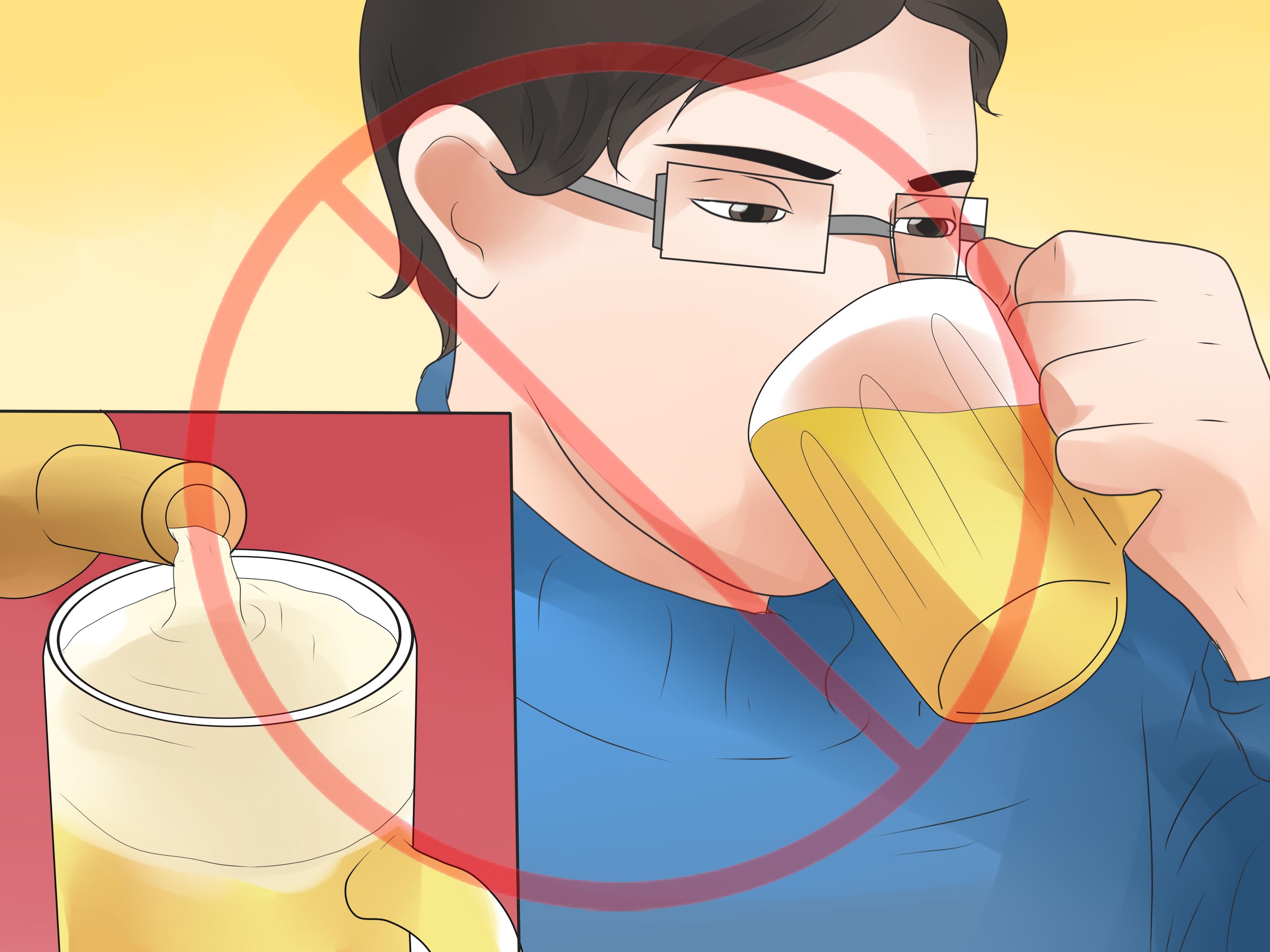
12. Limit Alcohol
Alcohol is linked with increased risk of several cancers, including colorectal cancer. If you do not drink, there is no health reason to start. If you do drink, moderation matters.
Replace some alcoholic drinks with sparkling water, unsweetened iced tea, kombucha in modest portions, or a mocktail made with citrus, mint, and soda water. Your colon does not know it is a party; it only knows what you keep pouring into the system.
13. Cut Back on Sugary Drinks and Ultra-Processed Foods
Sugary drinks and ultra-processed foods can make it easier to gain weight and harder to maintain stable energy. Excess body fat, especially around the waist, is associated with higher colorectal cancer risk.
Reduce soda, sweet tea, energy drinks, candy, packaged pastries, fast food, chips, and highly processed frozen meals. You do not have to live like a monk guarding a broccoli temple. Just make these foods occasional instead of automatic.
14. Use Healthy Fats Instead of Heavy Saturated Fats
A colon-friendly diet does not need to be fat-free. In fact, healthy fats can make vegetables taste better and help you feel satisfied. Choose olive oil, avocado, nuts, seeds, and fatty fish more often. Limit frequent intake of fried foods, heavy cream sauces, and large portions of high-fat processed meats.
A simple example: replace a bacon cheeseburger and fries with a salmon bowl made with brown rice, greens, olive-oil dressing, avocado, and roasted vegetables. Still satisfying, less inflammatory, and much less likely to leave you needing a couch-based recovery period.
15. Keep Your Eating Pattern Consistent
The best diet to help avoid colon polyps is not a three-day cleanse or a dramatic “new me” Monday plan. It is a repeatable pattern. Consistency beats intensity. A high-fiber breakfast most days, vegetables at lunch and dinner, limited processed meat, and moderate portions can add up over years.
Make the healthy choice easier: wash fruit when you get home, cook a pot of beans or grains once a week, keep frozen vegetables on hand, pack nuts for snacks, and plan two or three reliable dinners. Your future self will appreciate not having to negotiate with a vending machine at 4 p.m.
A Simple Colon-Friendly Meal Plan Example
Here is what one practical day might look like:
- Breakfast: Oatmeal with blueberries, ground flaxseed, cinnamon, and low-fat milk or fortified soy milk.
- Snack: An apple with peanut butter.
- Lunch: Lentil soup with a side salad, olive-oil vinaigrette, and a slice of 100% whole-grain bread.
- Snack: Greek yogurt or calcium-fortified plant yogurt with berries.
- Dinner: Baked salmon or tofu with brown rice, roasted broccoli, carrots, and a small handful of walnuts.
- Drink: Water, sparkling water, or unsweetened tea instead of soda or alcohol.
This is not a prescription. It is a template. You can adjust it for culture, budget, allergies, preferences, and cooking skill. A colon-friendly diet should fit real life, not require a private chef named Sebastian.
Foods to Eat More Often
- Beans, lentils, chickpeas, and split peas
- Vegetables, especially leafy greens and cruciferous vegetables
- Whole fruits, especially berries, apples, pears, and citrus
- Whole grains such as oats, brown rice, barley, quinoa, farro, and whole wheat
- Calcium-rich foods such as yogurt, kefir, fortified plant milk, tofu, and leafy greens
- Fish, poultry, tofu, tempeh, nuts, and seeds
- Healthy fats such as olive oil, avocado, walnuts, chia seeds, and flaxseed
Foods to Limit
- Processed meats such as bacon, sausage, hot dogs, salami, and pepperoni
- Large or frequent portions of red meat
- Alcohol, especially regular or heavy drinking
- Sugary drinks, including soda and sweet tea
- Ultra-processed snacks, packaged sweets, and fast food
- Charred or heavily fried meats
Common Mistakes When Changing Your Diet
Going Too Fast with Fiber
Fiber is fantastic, but increasing it too quickly can cause gas, bloating, and digestive discomfort. Add fiber gradually and drink enough water. Your gut bacteria need time to adjust; they are tiny, not superheroes.
Thinking Supplements Can Replace Food
A fiber supplement may help some people, but it does not replace vegetables, fruit, beans, and whole grains. Whole foods deliver a package of nutrients and plant compounds that pills cannot fully copy.
Ignoring Screening
This is the big one. A healthy diet can lower risk, but screening can find and remove polyps before they become dangerous. Average-risk adults are generally advised to begin colorectal cancer screening at age 45, but some people need earlier screening because of family history, symptoms, inflammatory bowel disease, or previous polyps. Ask your healthcare provider what schedule is right for you.
Real-Life Experience: What Changing Your Diet Actually Feels Like
In real life, altering your diet to avoid colon polyps rarely begins with a perfect meal plan. It usually starts with a wake-up call: a doctor mentions polyps after a screening, a family member gets diagnosed with colorectal cancer, or you notice that your “normal” meals are mostly processed meat, refined carbs, and not enough plants to decorate a sandwich. The first reaction is often worry. The second reaction is usually, “So… what exactly am I supposed to eat now?”
The most successful changes tend to be boring in the best possible way. People do better when they create repeatable habits instead of chasing dramatic transformations. For example, breakfast becomes oatmeal with berries instead of a pastry. Lunch becomes a grain bowl with beans and vegetables instead of a processed-meat sandwich. Dinner includes fish, chicken, tofu, or lentils more often than steak or sausage. These changes may not make a thrilling movie trailer, but they work because they are doable.
One common experience is discovering that fiber is both helpful and humbling. Someone may start eating beans, bran cereal, and broccoli all in the same day, then wonder why their abdomen sounds like a haunted basement. The better approach is gradual: add one fiber-rich food every few days, drink more water, and let the gut adapt. After a few weeks, many people notice better regularity, fewer snack cravings, and more stable energy.
Another real-world challenge is family food culture. If Sunday dinner means barbecue ribs, sausage, and creamy sides, changing everything overnight can feel like declaring war on Grandma. A smarter strategy is addition before subtraction. Add a big salad, roasted vegetables, beans, fruit, or a whole-grain side. Then reduce portions of red and processed meat over time. Healthy change is easier when it feels like an upgrade, not a punishment.
Grocery shopping also changes. At first, reading labels may feel like studying for a nutrition exam nobody told you about. Over time, the pattern becomes simple: buy more foods with short ingredient lists, choose whole grains, keep canned beans and frozen vegetables ready, and avoid making processed meat the default protein. The freezer becomes a secret weapon. Frozen berries, spinach, broccoli, fish, and whole-grain bread can rescue a busy week.
Eating out takes practice, too. Colon-friendly choices are not limited to sad salads. You can order grilled fish with vegetables, bean chili, vegetable-packed burrito bowls, sushi with edamame, lentil soup, or Mediterranean plates with hummus and whole grains. The trick is to look for fiber and plants first, then choose protein. If the meal arrives with fries the size of a small pillow, share them or save half.
The biggest lesson is that consistency matters more than purity. A person who eats well 80% of the time is often doing far better than someone who attempts perfection, burns out, and returns to old habits. Colon health is built through ordinary meals repeated over months and years. No single salad saves the day, and no single burger ruins everything. The goal is a steady pattern your body can trust.
Conclusion
Learning how to alter your diet to avoid colon polyps is really about building a smarter daily pattern: more fiber, more plants, more whole grains, more beans, more calcium-rich foods, and fewer processed meats, heavy red meat meals, sugary drinks, alcohol, and ultra-processed foods. These steps support colon health, weight management, gut bacteria, and overall wellness.
Still, diet is not a substitute for medical screening. Colon polyps can grow silently, and screening is the tool that can find and remove them early. Use food as a daily defense, use screening as your safety net, and talk with your healthcare provider about your personal risk. Your colon may not send thank-you cards, but it will appreciate the effort.