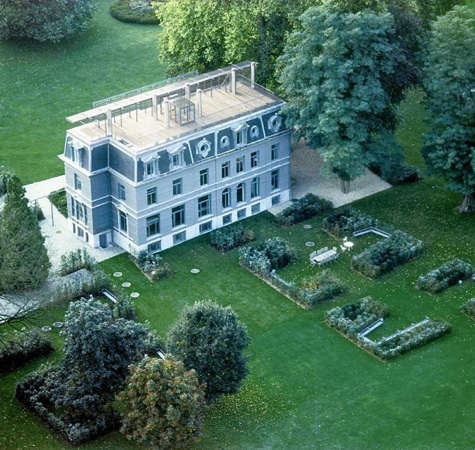
Some places make you want to book a room immediately. Others make you want to find a pencil, sketch the fireplace, and reconsider every piece of furniture you own. Groenhoven Estate in Belgium belongs firmly in the second category. This historic estate near Brussels is not your standard “two pillows, tiny minibar, mystery carpet” hotel experience. It is a character-rich Belgian castle property where centuries-old architecture, contemporary interiors, art, landscape, and sustainability meet with remarkable confidence.
Often described as an eco-minded castle estate, Groenhoven has become a point of interest for design travelers, architecture lovers, event planners, and anyone who suspects that a quiet morning in a historic Belgian park sounds better than another generic hotel breakfast buffet. Its story is especially appealing because it does not rely on one single gimmick. The appeal is layered: historic roots, modern renovation, thoughtful environmental features, and a setting that feels removed from the usual rush of city travel.
What Is Groenhoven Estate?
Groenhoven Estate, also known as Castle Groenhoven or Château Groenhoven, is a historic property in the Malderen area of Belgium, within reach of Brussels. Public architectural references trace the estate’s origins back several centuries, with the castle commonly associated with the seventeenth century. That kind of age gives a building more than an impressive birthday; it gives the walls a personality that no hotel branding team can manufacture.
The estate sits within a private parkland setting, creating the kind of atmosphere travelers usually hope to find when they search for a “hidden Belgian retreat.” Rather than presenting itself as a sprawling resort with a giant check-in desk and a lobby that smells vaguely of expensive candles, Groenhoven is known for a more intimate, architectural experience. It has been associated with conferences, private gatherings, weddings, and cultural events, making it especially relevant to visitors seeking a venue with real visual identity.
For travelers interested in hotels and lodging with a story, Groenhoven Estate represents a different category of stay. It is not simply a place to sleep after sightseeing. It is the sort of destination where the setting itself becomes part of the itinerary.
Groenhoven Estate Is Not a Typical Hoteland That Is the Point
It is important to set expectations correctly. Groenhoven Estate should not be treated like a conventional Brussels hotel with a public reservation engine, standardized room categories, loyalty points, and a breakfast menu that asks whether you would prefer “continental” or “continental but with a waffle.” Public information has primarily presented the property as a historic estate and event setting rather than a mass-market lodging operation.
That distinction matters. Travelers searching for a traditional overnight stay should verify current access, event schedules, private rental policies, and lodging availability directly with the estate or its current management before building a trip around it. Historic estates can change ownership, event programming, access rules, and hospitality arrangements faster than an antique chair can acquire an Instagram account.
Still, that does not reduce Groenhoven’s appeal. In many ways, it makes the experience more compelling. The estate is best suited to travelers who value atmosphere, architecture, private events, destination celebrations, and unusual accommodations over predictable hotel routines. It is also an inspiring reference point for anyone planning a wedding, executive retreat, art gathering, small conference, or design-centered escape in Belgium.
Who Will Appreciate Groenhoven Estate Most?
- Architecture and interior design enthusiasts
- Travelers who prefer heritage properties over chain hotels
- Couples considering a distinctive Belgian wedding venue
- Creative teams planning intimate retreats or workshops
- Visitors interested in sustainable renovation and adaptive reuse
- Art lovers drawn to historic interiors with contemporary interventions
A Belgian Design Story: Old Walls, Modern Confidence
One of the strongest reasons Groenhoven Estate continues to attract attention is its interior renovation by Belgian design duo Claire Bataille and Paul Ibens. Their work is widely associated with restrained elegance, balanced proportions, refined materials, and a deep understanding of how interiors should relate to architecture. In other words, they were not interested in filling an old castle with random velvet chairs and calling it “timeless luxury.”
The renovation of Groenhoven brought a contemporary sensibility into a historic structure without turning the building into a museum display case. Publicly documented descriptions of the estate emphasize the relationship between modern furnishings and a collection of Old Master paintings. That combination is one of the property’s defining pleasures: historic art does not sit awkwardly in a room that feels trapped in the past, and contemporary elements do not behave as though they have arrived to start a design coup.
This approach is especially Belgian in spirit. Belgian interior design often excels at understatement: natural textures, carefully selected antiques, generous negative space, muted tones, strong craftsmanship, and an appreciation for patina. Groenhoven Estate appears to embody this sensibility by allowing historic surfaces and modern interventions to coexist without shouting over each other.
The result is likely to appeal to travelers who prefer rooms that feel lived in, curated, and quietly dramatic. This is not a place that needs a neon sign declaring that it is “luxury.” The setting does the talking, and it speaks in a low, confident voice.
The Eco-Castle Idea: Sustainability Without Losing the Soul
Groenhoven Estate has also been described as an early example of environmentally conscious heritage renovation. Public accounts have highlighted large solar panels and a rainwater recycling system, two features that give the property its often-used “eco-castle” reputation. At first glance, solar technology and a centuries-old castle may sound like an architectural argument waiting to happen. At Groenhoven, however, the sustainability story is part of the property’s character.
The larger lesson is simple: historic buildings do not have to be frozen in time to remain meaningful. Thoughtful renovation can help preserve a property’s cultural identity while adapting it for modern use. Reusing an existing historic building can also reduce the need for entirely new construction, while carefully planned energy and water systems can make old structures more practical for contemporary hospitality and events.
Of course, sustainable design is not just about adding solar panels and placing one ambitious recycling bin near the kitchen. The most successful projects consider the entire property: energy use, water management, durable materials, restoration choices, landscape stewardship, and long-term maintenance. Groenhoven’s reputation is compelling because its environmental features appear integrated into a broader design vision rather than added as a decorative green sticker.
Why the Eco-Castle Concept Still Feels Fresh
Sustainable travel is often discussed through modern cabins, glass eco-lodges, and minimalist retreats. Groenhoven offers a different version of that story. It suggests that responsible travel can also happen in places with creaking floors, old portraits, long histories, and rooms that may have survived more dinner parties than your average smartphone has survived software updates.
How to Plan a Groenhoven Estate Experience
The smartest way to approach Groenhoven Estate is as a design and heritage destination rather than assuming it operates like a large public hotel. Before making travel plans, confirm whether the property is open for events, private stays, tours, conferences, weddings, or other arrangements. Historic estates frequently have changing schedules, and access may depend on private bookings or special programming.
If an overnight stay at the estate is not currently available, Groenhoven can still inspire a broader Belgian lodging itinerary. Consider pairing a visit to the area with boutique accommodations in Brussels, Mechelen, Antwerp, or the surrounding Flemish countryside. Belgium is particularly rewarding for travelers who enjoy combining urban art, historic architecture, excellent food, local beer culture, and rural calm without spending half the trip trapped on a bus.
Build your itinerary around themes instead of simply collecting landmarks. One day might focus on Brussels architecture, galleries, Art Nouveau façades, and classic cafés. Another could center on the countryside, historic estates, village walks, and slow lunches. A third might include Antwerp’s fashion and design scene or Mechelen’s Gothic architecture and relaxed historic center.
Groenhoven Estate also works beautifully as an inspiration source for event planning. Couples can study its blend of heritage and contemporary design when planning a wedding. Business organizers can borrow its model of bringing people out of the city and into a calmer, more memorable setting. Design lovers can simply enjoy the reminder that a building does not have to choose between being old and being useful.
Travel Planning Tips for a Historic Belgian Estate Visit
- Confirm access and event availability well before booking flights or hotels.
- Use Brussels as a convenient base for broader cultural exploration.
- Allow time for slower travel through smaller Flemish towns and countryside.
- Pack shoes suitable for parkland, cobblestones, and a little elegant wandering.
- Book nearby lodging with flexible cancellation if estate access is not guaranteed.
- Plan meals around local Belgian specialties instead of treating fries as a side dish. In Belgium, they have main-character energy.
Why Groenhoven Estate Matters in the World of Belgian Lodging
Groenhoven Estate matters because it challenges the idea that hospitality must always be standardized. It represents a version of travel where place, history, and design are inseparable. You do not visit an estate like this merely to collect a key card. You visit because the property offers a setting that cannot be copied into a twenty-story tower beside an airport runway.
Its combination of historic architecture, modern Belgian interiors, art, private parkland, and environmental ambition makes it especially relevant in an era when travelers increasingly value meaningful experiences. The strongest lodging memories are rarely about thread counts or whether the lobby had a bowl of complimentary mints. They are about atmosphere: the light through old windows, a quiet room with a surprising modern chair, the feeling of stepping into a place that has been carefully protected rather than aggressively updated.
Groenhoven Estate is a reminder that the most memorable Belgian stays are often not the loudest. Sometimes luxury is simply space, history, craftsmanship, and enough calm to hear yourself think.
Extended Experience Guide: Imagining a Day Around Groenhoven Estate
A Groenhoven Estate experience is best imagined as a slow travel day rather than a frantic checklist. Begin in the morning with the kind of breakfast that encourages lingering: strong coffee, warm bread, fruit, cheese, and perhaps the quiet realization that European butter has a suspicious amount of emotional power. From there, the surrounding parkland sets the tone. Historic estates work their magic gradually. You notice the trees first, then the scale of the façade, then the small architectural details that become more interesting the longer you look at them.
Inside, the experience is likely to center on contrast. A historic staircase, an aged wall, a traditional portrait, and a sharply modern furnishing can create a sense of visual conversation. Groenhoven’s appeal is not about pretending the past never happened or preserving every room in amber. It is about showing that old architecture can carry modern life gracefully. That is a useful travel lesson, and frankly a useful life lesson too: keep the good parts, update what no longer works, and do not install a giant television above every fireplace.
For a wedding or private event, the estate atmosphere would naturally encourage a more intimate style of celebration. Rather than relying on excessive décor, guests could let the architecture and grounds carry much of the visual weight. Seasonal flowers, candlelight, linen, restrained table settings, and locally inspired food would feel more in tune with the property than over-the-top props. A place with this much presence does not need a fog machine trying to steal the spotlight.
For creative retreats, Groenhoven Estate suggests another kind of luxury: uninterrupted attention. The setting could suit small design meetings, writing workshops, strategy sessions, photography projects, or artist gatherings where the surroundings help people think differently. Historic buildings often do this well. They make guests slow down, look closer, and stop pretending every idea needs to be created inside a fluorescent conference room next to a tray of wilted sandwiches.
The broader Belgian experience adds another layer. After time at a quiet estate, travelers can return to Brussels for museums, architecture, chocolate shops, beer cafés, and lively streets. That balance is part of the appeal: countryside calm paired with city energy. Groenhoven is not simply a lodging concept. It is a doorway into a richer way of traveling through Belgiumone where design, sustainability, history, food, art, and a little glorious unplanned wandering all have a seat at the table.
Final Thoughts
Groenhoven Estate in Belgium is an intriguing choice for travelers who see lodging as part of the journey rather than a practical pause between attractions. With historic roots, a renowned Belgian interior renovation, environmentally minded features, and a parkland setting near Brussels, it offers an unusually thoughtful vision of heritage hospitality. Whether experienced through an event, private arrangement, architectural visit, or travel inspiration, Groenhoven proves that the best places do not always fit neatly into a hotel category. Sometimes they are more interesting because they refuse to.
Note: Groenhoven Estate is presented using publicly available archival information. Confirm current access, private events, and overnight lodging availability directly before making travel plans.