Homes are having a bit of an identity crisis, and honestly, it is about time. For years, many spaces tried very hard to look like they had never been touched by a human hand. You know the type: white sofa, beige rug, one lonely vase, and the faint feeling that sitting down might somehow be illegal. But the latest home trends are steering in a different direction. Today’s most interesting homes are warmer, more personal, more practical, and a lot less interested in pretending nobody lives there.
That shift is what makes current home trends so appealing. This is not just about swapping out throw pillows and calling it a lifestyle. It is about designing rooms that work harder and feel better. People want homes with character, but they also want hidden storage, better lighting, durable materials, and spaces that support real life. In other words, they want a house that can handle homework, dinner parties, bad weather, and a Sunday afternoon nap without falling apart emotionally.
If you are trying to understand what is shaping interiors right now, here is the big picture: warmth is replacing cold minimalism, personality is beating perfection, and smart upgrades are getting more love than massive overhauls. Below, we break down the biggest home trends defining the moment and how to use them without turning your living room into a trend museum.
1. Homes Are Looking More Personal and Less Staged
One of the biggest changes in home design is the move away from showroom perfection. More homeowners are embracing rooms that feel collected instead of copied. That means vintage finds next to modern pieces, books that are actually read, family photos that are not hidden away, and furniture chosen for comfort as much as style.
This trend works because it makes a home feel honest. A polished room is still the goal, but polished no longer means sterile. It means intentional. A worn wood chest, a handmade ceramic lamp, or an old dining table with a few scratches can add more soul than a dozen trendy accessories ordered in one late-night panic scroll.
How to try it
Start by mixing one or two older pieces into a newer room. Pair a vintage mirror with a clean-lined console. Use inherited art in a freshly painted hallway. Add books, textiles, or decorative objects that tell a story instead of just matching the curtains like they are on a corporate retreat.
2. Warm Minimalism Is Winning
Minimalism is not dead, but it has definitely stopped skipping lunch. The new version is softer, warmer, and far more inviting. Instead of icy whites and ultra-sharp edges, today’s streamlined interiors rely on creamy neutrals, earthy greens, brown undertones, rich wood finishes, and layered textures that make a room feel calm rather than cold.
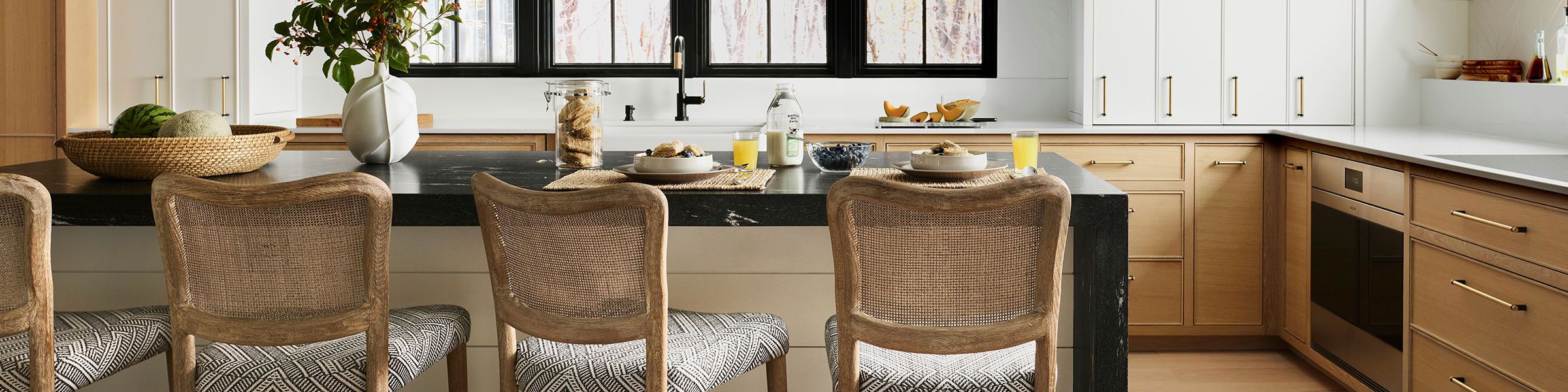
Think oak cabinetry, linen drapery, plaster-like walls, stone surfaces, woven accents, and upholstery that looks like you are actually allowed to lean on it. This style still values simplicity, but it avoids emptiness. The room is edited, not stripped for parts.
Warm minimalism also has staying power. It is easier to live with than a space built around one flashy moment, and it gives you room to evolve over time. If your taste changes, or if your budget says “absolutely not” to a full redesign, this kind of foundation is flexible.
What makes it work
The magic is in the texture. A room with a restrained palette needs contrast from materials, shape, and finish. Mix matte walls with a nubby rug, smooth stone with weathered wood, or soft upholstery with metal accents. Suddenly, beige is not boring. Beige has hobbies.
3. Kitchens Are Getting Sleeker, Smarter, and Better at Hiding the Mess
The kitchen remains the hardest-working room in the house, but current design trends are making it look a lot less frantic. One standout direction is the so-called invisible kitchen, where appliances, outlets, and storage blend into cabinetry so the space feels calmer and more connected to nearby living areas.
This does not mean kitchens are becoming less functional. Quite the opposite. Appliance garages, concealed storage, integrated refrigerators, flush-front cabinets, and secondary prep areas are all part of the appeal. The goal is not to pretend nobody cooks. The goal is to stop the toaster from becoming the room’s main personality trait.
At the same time, major gut renovations are not the only path forward. More homeowners are choosing kitchen facelifts instead. Painting cabinetry, replacing dated hardware, improving lighting, upgrading the backsplash, and adding smarter organization can dramatically refresh the room without a full demolition saga and a six-week relationship with takeout containers.
Kitchen details trending now
- Natural wood tones and warmer cabinet colors
- Honed stone and other low-shine surfaces
- Better storage inside drawers and pantries
- Statement lighting with sculptural shapes
- Character-driven details that make the room feel less generic
4. Wellness Design Is Going “Invisible”
Wellness at home is no longer just about a treadmill in the guest room and a candle with an ambitious name. One of the most interesting home trends is the rise of invisible wellness, which means designing spaces that support better sleep, less stress, cleaner air, and everyday comfort without screaming, “Welcome to my spa compound.”
That can look like circadian-friendly lighting, more natural light during the day, layered window treatments for better rest at night, low-toxicity materials, better acoustics, improved ventilation, and layouts that allow a little breathing room. A home does not need a sauna and a cold plunge to feel restorative. Sometimes it just needs a reading corner, quieter surfaces, and fewer harsh overhead lights trying to interrogate you during dinner.
This trend also overlaps with aging-in-place and universal design ideas. Wider walkways, easier-to-use storage, better lighting on stairs, and more accessible layouts are not only practical. They are smart long-term design decisions that can make a home more comfortable for everyone.
5. Outdoor Spaces Are Being Treated Like Real Rooms
Backyards, patios, porches, and even tiny balconies are no longer afterthoughts. One of the strongest home trends is the continued rise of outdoor living rooms, where exterior spaces are designed with the same care once reserved for interiors. That means weather-resistant rugs, layered lighting, cushioned seating, dining zones, shade structures, and decor that feels intentionally styled.
The appeal is obvious. Outdoor spaces extend a home’s usable square footage and make entertaining easier. They also provide something increasingly valuable: a place to unplug without leaving the property. Even a compact patio can become a retreat with the right layout, a few planters, comfortable seating, and lighting that does not make everyone look like they are being questioned in a crime drama.
Gardens are also getting more purposeful. Instead of overstuffed landscaping that becomes a maintenance headache, many homeowners are leaning toward more thoughtful planting, better water management, and flexible outdoor zones that balance beauty with function.
6. Micro-Renovations Are Replacing Big, Exhausting Makeovers
Not every update needs to involve knocking down walls and learning far too much about permit timelines. Another major home trend is the rise of micro-renovations: focused, high-impact projects that improve a room quickly and affordably.
These smaller upgrades are attractive because they deliver visible results without swallowing your life whole. Repainting a room in a richer tone, updating builder-grade lighting, replacing a dated vanity mirror, refreshing a fireplace surround, or adding built-in storage can make a space feel brand new. Small changes also give homeowners more freedom to experiment.
This trend fits the mood of the moment. People want better homes, but they also want realistic timelines, smarter spending, and fewer giant projects that end with someone crying in a hardware store parking lot.
High-impact micro-reno ideas
- Swap basic ceiling fixtures for sculptural lighting
- Add wall molding or trim for architectural interest
- Paint a room in a deep, warm color for instant depth
- Upgrade hardware in kitchens, baths, and entryways
- Turn an awkward corner into a nook, bench, or storage zone
7. Color, Curves, and Craftsmanship Are Back
Homes are becoming more expressive again, and that is showing up in both color and form. Curved furniture, skirted pieces, statement rugs, patterned wallpaper, and richer paint choices are all gaining momentum. So are artisan touches like handmade tile, textured wall finishes, decorative trim, and vintage-inspired details.
Color drenching is a good example. Instead of painting one accent wall and nervously backing away, more homeowners are taking a full-room approach, using closely related tones across walls, trim, and sometimes ceilings. The result can feel cozy, dramatic, and surprisingly sophisticated.
At the same time, softer shades rooted in nature are still very popular. Sage green, clay tones, warm neutrals, muted blues, and browns are showing up across walls, upholstery, and cabinetry. These colors help a space feel grounded, which is useful when the rest of life is doing somersaults.
8. Better Organization Is Part of Better Design
Organization trends are also evolving. Clear plastic bins may still have their place, but many homeowners now want storage solutions that feel more integrated with the design of the home. Woven baskets, wood organizers, glass containers, and custom-looking systems help practical spaces feel warmer and more finished.
That shift matters because clutter is not just a visual issue. It affects how a room functions and how it feels to live there. Mudrooms, laundry rooms, closets, and pantries are getting more attention because they reduce daily friction. Good design is not only about what guests see. It is also about whether you can find the tape, the dog leash, and the extra batteries without launching a household investigation.
9. Resilience and Efficiency Matter More Than Ever
Home trends are not just aesthetic now. Buyers and homeowners are thinking more about efficiency, durability, and resilience. That means interest in energy-saving upgrades, better insulation, weather-conscious materials, smart home features, and layouts that can adapt over time.
These choices are practical, but they also shape how a home looks and feels. Better windows bring in more natural light. Shade solutions improve comfort. Durable materials reduce maintenance headaches. Smart systems can make everyday routines smoother. A stylish home is great, but a stylish home that is cheaper to run and less vulnerable to wear and tear is even better.
How to Use Home Trends Without Regretting Them Next Year
The smartest way to approach home trends is to treat them like seasoning, not the whole meal. Use the ideas that align with how you live. Skip the ones that only look good on social media at midnight. A trend should solve a problem, improve function, or make your home feel more like yours. If it does none of those things, it is probably just decorative peer pressure.
Start with the bones of the room: light, layout, comfort, and storage. Then add personality through color, art, textiles, and furniture. Choose durable materials when you can. Invest in pieces that earn their keep. And remember that the best homes are rarely the most perfect ones. They are the ones that feel lived in, loved, and a little bit specific.
That is really the story behind today’s home trends. People are not chasing flawless interiors anymore. They are creating spaces that support real routines, reflect real taste, and still look beautiful in the process. Finally, the house can exhale.
What These Home Trends Feel Like in Real Life
Talking about home trends in abstract terms is useful, but living with them is where the idea really clicks. Imagine walking into a house at the end of a long day. The lighting is soft instead of blinding. There is a place to drop your bag without turning the dining chair into a temporary closet. The kitchen looks calm because the countertop is not buried under small appliances and tangled cords. The room feels tidy, but not stiff. That is the difference current home trends are making.
In real life, the shift toward warmer, more personal design often feels emotional before it feels visual. A reading nook under a window is not just a pretty detail. It becomes the place where somebody drinks coffee before work or finally finishes a novel they have been dragging around for six months. A deeper paint color in the bedroom does not simply look stylish. It changes the mood of the room, making it easier to unwind and feel separate from the noise of the day.
The same goes for kitchens. A hidden appliance garage sounds like a small design move until you realize your counters stay usable, cooking feels less chaotic, and the room no longer looks messy five minutes after breakfast. Good storage is not flashy, but it can save your sanity. That is why so many of today’s trends are less about dramatic reveal moments and more about daily ease.
Outdoor living trends also become more meaningful when you experience them. A simple patio upgrade with better chairs, softer lighting, and a small table can completely change how often you step outside. Suddenly, the porch becomes the place where neighbors chat, kids do homework, or dinner stretches an extra hour because nobody wants to go back in yet. It is not just an outdoor setup. It is an extra room with fresh air included.
Even micro-renovations carry that kind of payoff. Replacing a harsh ceiling light with a warmer fixture can change the entire tone of a room. Adding hooks and a bench near the entry can reduce the daily “where is my stuff” scramble. Painting walls in a more grounded color can make a formerly forgettable space feel intentional. These are not giant cinematic transformations. They are better than that. They are improvements you notice every single day.
Perhaps the most relatable part of the current home trend cycle is that it gives people permission to stop chasing perfection. A home can be stylish and still have evidence of life. It can mix old and new. It can be elegant in one corner and practical in another. It can have a beautiful rug and a dog bed in the same room without needing to apologize to anyone.
That may be why these trends feel more sustainable than many of the ones that came before. They are built around comfort, flexibility, and personality. They allow a home to grow with the people in it. And that, more than any paint color or cabinet finish, is what makes a trend worth paying attention to. When a design idea makes everyday life easier, prettier, and more human, it stops being a fad. It becomes part of how we want to live.
Conclusion
Today’s home trends are less about impressing strangers and more about supporting everyday life in style. The most successful spaces blend warmth, personality, function, and flexibility. Whether you lean into color drenching, add smarter storage, soften your lighting, or create an outdoor room that actually gets used, the best trend is the one that makes your home feel more livable. In the end, great design is not about making a house look untouched. It is about making it feel unmistakably yours.