Note: This article is written as original, web-ready content and synthesized from reputable U.S. botanical, university extension, historical, and horticultural references.
The history of the poinsettia is far richer than the cheerful red plant sitting on a grocery-store shelf in December might suggest. Today, the poinsettia is a holiday superstarright up there with twinkle lights, cinnamon candles, and that one family ornament no one is allowed to touch. But long before it became America’s favorite Christmas houseplant, the poinsettia was a wild shrub growing in Mexico and Central America, admired for its brilliant winter color and woven into cultural, medicinal, religious, and commercial history.
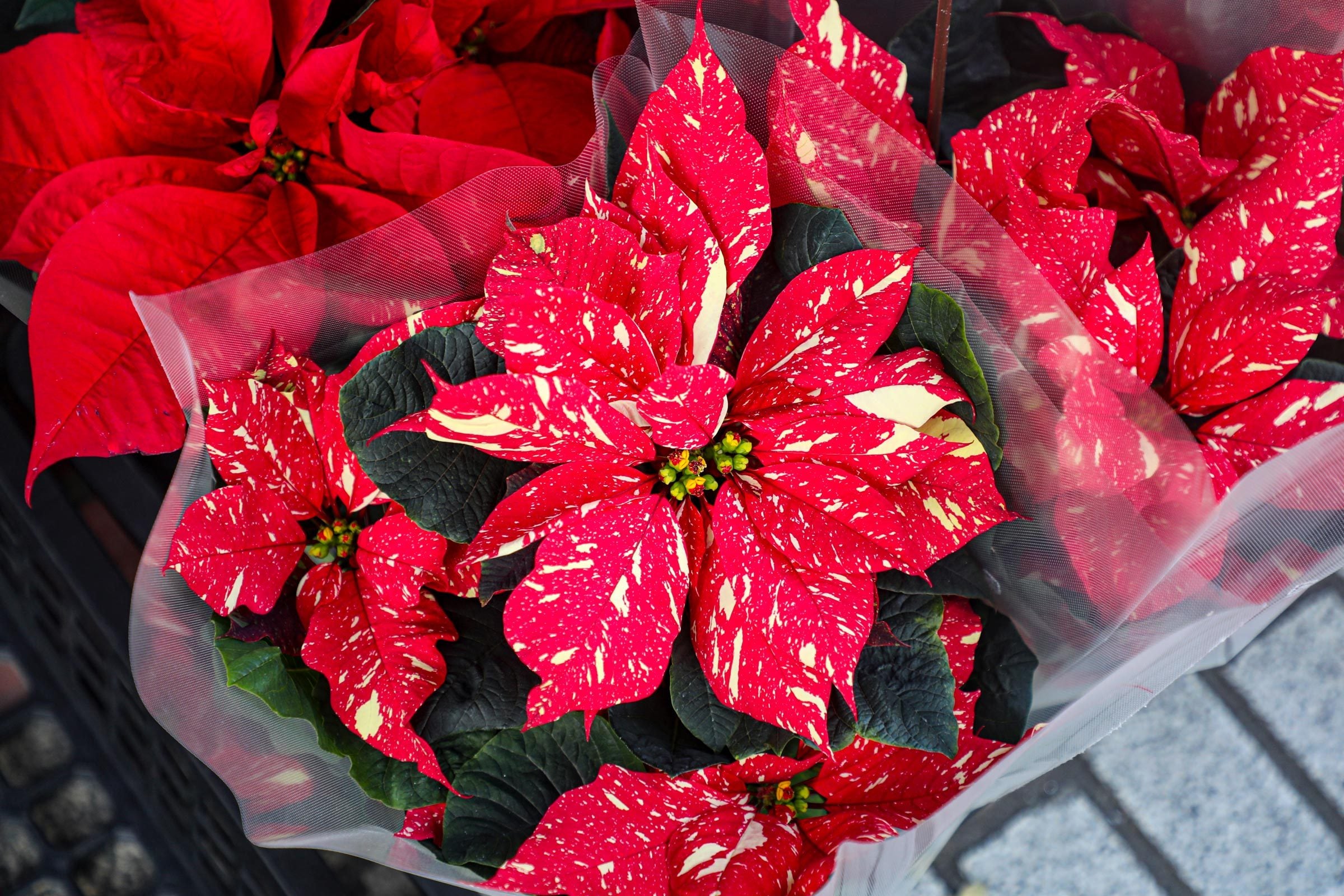
Known scientifically as Euphorbia pulcherrima, the poinsettia is not actually famous for its flowers. Those showy red “petals” are modified leaves called bracts. The true flowers are the tiny yellow structures in the center, called cyathia. In other words, the poinsettia has been fooling holiday decorators for generationsand doing it beautifully.
To understand the poinsettia’s journey, we need to travel from pre-Hispanic Mexico to Spanish colonial missions, from a South Carolina greenhouse to California flower fields, and finally to the modern holiday marketplace. The story includes Indigenous knowledge, diplomacy, plant breeding, branding, and a little botanical drama. Not bad for a plant that many people accidentally overwater by New Year’s Day.
The Native Roots of the Poinsettia
The poinsettia is native to Mexico and parts of Central America, especially regions with warm climates and seasonal dry forests. In its natural environment, it is not the compact tabletop plant most people buy in foil-wrapped pots. Wild poinsettias can grow as large shrubs or small trees, sometimes reaching 10 to 15 feet tall. Imagine that cheerful little holiday plant turning into a backyard celebrity with ambitions. That is the poinsettia in its home habitat.
Long before European botanists gave the plant a Latin name, Nahua-speaking peoples in Mexico knew it as cuetlaxochitl. The name is often associated with meanings connected to a flower that withers or a brilliant flower, depending on interpretation and translation. The plant was valued not only for its striking appearance but also for practical uses. Its red bracts were used to make dye, while its milky sap was used in traditional medicine, including remedies associated with fever.
In the 14th to 16th centuries, the plant held significance in Indigenous culture. Its bright winter color made it stand out during a season when many other plants were less showy. That timing helped give the poinsettia a symbolic power that later religious traditions would also recognize. It was beautiful, seasonal, and impossible to ignorebasically the botanical version of someone walking into a room wearing a red velvet suit.
From Cuetlaxochitl to Flor de Nochebuena
After the Spanish conquest of Mexico and the spread of Christianity, the poinsettia became connected with Christmas traditions. Spanish-speaking communities came to call it Flor de Nochebuena, meaning “Flower of the Holy Night” or “Christmas Eve Flower.” This name remains widely used in Mexico today and reflects the plant’s close relationship with December celebrations.
Franciscan priests are often credited with using poinsettias in Christmas processions and nativity displays, particularly in the Taxco region of Mexico. The plant naturally colors up during the winter season, making it available at exactly the right time for Christmas ceremonies. Its red bracts were interpreted through Christian symbolism, sometimes representing the blood of Christ, while its star-like form was associated with the Star of Bethlehem.
This religious adoption did not erase the plant’s older Indigenous identity, but it did create a new chapter in its history. The poinsettia became a bridge between local botanical tradition and imported Christian celebration. That dual identity is part of what makes the history of the poinsettia so fascinating. It is not simply a Christmas decoration; it is a plant with layered meanings shaped by culture, language, faith, and place.
Joel Roberts Poinsett and the Plant’s Arrival in the United States
The English name “poinsettia” comes from Joel Roberts Poinsett, the first U.S. Minister to Mexico. Poinsett was a South Carolina politician, diplomat, and amateur botanist who served in Mexico from 1825 to 1829. During his time there, he encountered the brilliant red plant, often associated with the area around Taxco, and sent cuttings back to his greenhouse in South Carolina.
Poinsett’s role in the plant’s American history is significant because he helped introduce it to U.S. horticultural circles. After growing poinsettias at his home, he shared plants with botanical gardens and plant enthusiasts. One important connection was the Bartram family in Philadelphia, whose botanical network helped spread unusual and attractive plants among gardeners and growers.
By the mid-19th century, the plant began appearing in American horticultural discussions under the common name “poinsettia.” Its scientific name, Euphorbia pulcherrima, means roughly “the most beautiful euphorbia,” which is both accurate and refreshingly dramatic. Botanists may not always be flashy, but they knew when a plant deserved a compliment.
A Complicated Namesake
The name “poinsettia” is familiar, but modern conversations about the plant increasingly recognize that Joel Roberts Poinsett’s legacy was complicated. He was influential in diplomacy and horticulture, but he was also a political figure tied to the power structures and injustices of his time, including slavery and controversial U.S. policies affecting Native peoples.
Because of that history, some writers, gardeners, and cultural advocates prefer to use names such as cuetlaxochitl or Flor de Nochebuena. These names highlight the plant’s Mexican and Indigenous origins rather than centering only the American diplomat who helped popularize it in the United States.
This does not mean every holiday plant tag will change tomorrow. But it does mean the history of the poinsettia is being told with more depth and honesty. A richer story gives credit to the cultures that knew, used, and valued the plant long before it became a December sales phenomenon in the United States.
How the Poinsettia Became a Christmas Icon
The poinsettia did not become America’s favorite holiday plant overnight. Its rise took time, marketing, improved plant breeding, and a family of growers who understood both horticulture and show business. Enter the Ecke family of Southern California.
In the early 20th century, German immigrant Albert Ecke and later his descendants began growing poinsettias commercially in California. At first, poinsettias were often sold as cut flowers. Later, growers learned how to produce them as potted plants that were fuller, more compact, and better suited for indoor holiday decorating.
Paul Ecke Sr. and Paul Ecke Jr. played major roles in transforming poinsettias from regional specialty plants into national Christmas symbols. The Ecke family developed improved varieties and promoted poinsettias through media, including television displays and holiday publicity. Their marketing helped attach the plant firmly to Christmas in the American imagination.
By the second half of the 20th century, plant breeders had created poinsettias that were shorter, more durable, longer-lasting, and easier to ship. That was a major turning point. Earlier poinsettias were tall and somewhat leggy, which made them less convenient for tabletops, church displays, office lobbies, and living rooms. Modern cultivars are compact, colorful, and photogenicexactly what a holiday plant needs in the age of shopping carts and Instagram.
The Science Behind the Seasonal Color
One reason the poinsettia became so strongly associated with Christmas is its natural response to seasonal light. Poinsettias are short-day plants, meaning they develop their colorful bracts when nights are long and days are shorter. In commercial production, growers carefully manage light exposure so plants color up at the right time for holiday sales.
This is why getting a poinsettia to rebloom at home can feel like negotiating with a tiny green diva. The plant needs weeks of consistent darkness each night, usually beginning in early fall, along with bright light during the day. Even a lamp turning on at the wrong time can interrupt the process. The poinsettia is festive, yes, but it also has standards.
The bright bracts are often mistaken for petals, but their job is to attract attention to the small true flowers in the center. Those flowers are not showy, so the plant lets its leaves do the advertising. It is a clever strategy and one reason poinsettias have such dramatic visual impact in winter displays.
National Poinsettia Day
In the United States, National Poinsettia Day is observed on December 12. The date is linked to the death of Joel Roberts Poinsett in 1851 and recognizes the plant’s importance in American horticulture. For florists, garden centers, and plant lovers, the day is a seasonal reminder that poinsettias are more than disposable decorations.
National Poinsettia Day also falls at the perfect time for holiday decorating. By mid-December, homes, churches, hotels, and public spaces are often filled with red, white, pink, marbled, and speckled poinsettias. While red remains the classic choice, modern breeding has expanded the palette dramatically. Today’s poinsettias can appear in cream, salmon, burgundy, gold, variegated patterns, and novelty forms. Some blue or glittered poinsettias are artificially colored, because apparently even plants are not safe from holiday makeovers.
The Poinsettia in Modern American Horticulture
Today, the poinsettia is one of the most important flowering potted plants in the United States. It is grown commercially across the country, though major production depends on careful greenhouse management. Growers must control temperature, watering, nutrition, spacing, pests, disease, and light exposure. A perfect poinsettia on a store shelf represents months of planning, not holiday magic alone.
Modern poinsettia breeding focuses on traits such as stronger stems, longer-lasting bracts, better branching, improved shipping tolerance, and resistance to leaf drop. Consumers may simply want a plant that looks beautiful through Christmas dinner, but growers are thinking about genetics, greenhouse schedules, and market timing.
The poinsettia industry also reflects changing consumer tastes. Some buyers still want traditional red because it feels timeless and warm. Others prefer white poinsettias for elegant winter décor, pink for softer holiday palettes, or marbled varieties for something more playful. The plant has adapted to changing design trends while keeping its historic identity as the Christmas flower.
Common Myths About Poinsettias
No history of the poinsettia would be complete without addressing its most persistent myth: the idea that poinsettias are deadly poisonous. They are not considered highly toxic. Like many members of the euphorbia family, poinsettias contain a milky sap that may irritate skin or cause mild stomach upset if eaten. Still, they should be kept away from curious pets and children because “not deadly” does not mean “great salad ingredient.”
Another myth is that poinsettias are impossible to keep alive after Christmas. In truth, they can survive for months and may rebloom with proper care. The challenge is that poinsettias dislike cold drafts, soggy soil, dry indoor air, and sudden changes. Unfortunately, many holiday homes offer all four, plus a heating vent blasting nearby like a tiny desert wind machine.
To keep a poinsettia healthy, place it in bright, indirect light, water when the soil surface feels dry, and let excess water drain away. Avoid leaving the pot sitting in decorative foil full of water. That shiny wrapper may look festive, but if it traps water around the roots, it becomes a holiday swamp.
Why the Poinsettia Still Matters
The poinsettia matters because it carries several histories at once. It is a native Mexican plant with Indigenous names and uses. It is a Christian holiday symbol shaped by colonial-era traditions. It is a botanical specimen tied to 19th-century diplomacy. It is a commercial crop transformed by American growers and plant breeders. And it is a seasonal decoration that still brings warmth into homes during the darkest part of the year.
That layered identity makes the poinsettia more meaningful than many people realize. When you place one by a window, on a church altar, or beside a fireplace, you are not just decorating. You are participating in a tradition that spans centuries and crosses borders. The plant’s story includes Mexico, the United States, Indigenous language, religious symbolism, greenhouse science, and holiday nostalgia.
The history of the poinsettia also reminds us that plants are never “just plants.” They travel with people. They pick up names, myths, meanings, and markets. They become symbols. Sometimes they even become so famous that millions of people buy them every December without knowing they are looking at modified leaves instead of flowers. The poinsettia has been quietly running that trick for a very long time.
Personal Experiences and Reflections on the History of the Poinsettia
Learning the history of the poinsettia changes the way you see it. Before understanding its background, it is easy to treat the plant as just another holiday purchase, something picked up near the checkout line between wrapping paper and peppermint bark. But once you know its story, the poinsettia becomes a living historical object. It is no longer simply “the red Christmas plant.” It becomes a reminder of cultural memory, botanical travel, and the surprising ways plants become part of everyday life.
One of the most interesting experiences connected with poinsettias is seeing how differently people respond to them. For some families, buying a red poinsettia every December is as routine as hanging stockings. It marks the official beginning of the season. The plant goes on the dining table, the mantel, the church stage, or the office reception desk, and suddenly the room looks ready for company. Even one poinsettia can make a space feel more intentional, as if the room put on its holiday sweater.
For gardeners, the poinsettia offers another kind of experience: respect. Anyone who has tried to rebloom one at home knows the plant is not as simple as it looks. It asks for careful watering, steady temperatures, bright daytime light, and long uninterrupted nights in fall. That process gives you a new appreciation for commercial growers. The flawless poinsettias stacked in garden centers are not accidents. They are the result of timing, skill, patience, and a lot of greenhouse discipline.
There is also something meaningful about using the plant as a conversation starter. When guests admire a poinsettia, it opens the door to a better story: its Mexican origin, its name cuetlaxochitl, its use as dye and traditional medicine, its connection to Flor de Nochebuena, and its journey into American horticulture. A simple holiday plant can become a small history lesson, and thankfully, one that does not require a chalkboard or a pop quiz.
Another experience worth noting is how poinsettias connect generations. Many people remember grandparents or parents placing them around the house during Christmas. Others associate them with church services, school concerts, winter weddings, or hotel lobbies dressed up for the season. The plant becomes part of emotional memory. Its color is not just red; it is December red, candlelight red, family-photo red, “someone is baking cookies” red.
At the same time, understanding the fuller history of the poinsettia encourages more thoughtful appreciation. Calling it only by the name “poinsettia” tells one part of the story, but remembering cuetlaxochitl and Flor de Nochebuena restores older layers of meaning. It reminds us that cultural credit matters. The plant’s popularity in the United States did not begin from nowhere. It came from a region where people had already known and valued it for centuries.
In practical terms, caring for a poinsettia can also become a seasonal ritual. Removing the foil before watering, checking the soil, turning the pot toward the light, and protecting it from cold drafts are small acts of attention. They slow the season down. In a month often filled with rushing, shopping, cooking, mailing, planning, and wondering where the tape disappeared to again, caring for a living plant can feel grounding.
The best experience related to the history of the poinsettia may be this: it teaches us to look twice. Look once, and you see a decoration. Look again, and you see Mexico, Indigenous plant knowledge, colonial history, diplomacy, greenhouse innovation, family traditions, and modern design. That is a lot for one potted plant to carry, but the poinsettia does it with style. Bright bracts, tiny flowers, complicated history, and all.
Conclusion
The history of the poinsettia is a story of transformation. Native to Mexico and Central America, known to Nahua-speaking peoples as cuetlaxochitl, adopted into Christmas traditions as Flor de Nochebuena, introduced to the United States through Joel Roberts Poinsett, and popularized by modern growers, the poinsettia has traveled a remarkable path.
Its rise from wild shrub to holiday icon shows how plants can move through culture, commerce, religion, and memory. The poinsettia is beautiful, yes, but its beauty is only the beginning. Behind every red bract is a history rooted in place, shaped by people, and renewed each December when homes and public spaces glow with its unmistakable color.