There are two kinds of people in the world: people who see an online personality test and think, “Absochoosing a sunset over a mountain means they are secretly destined to become a wizard.
Personality tests are everywhere. They pop up in job discussions, group chats, social feeds, coffee-break conversations, and the occasional late-night spiral when someone decides they need to know whether they are an introvert, an extrovert, an ambivert, or simply tired. The appeal is obvious: a few questions, a colorful result, and suddenly you have a tidy explanation for why you hate small talk, color-code your pantry, or reply “Sounds good!” to messages you fully plan to avoid for three days.
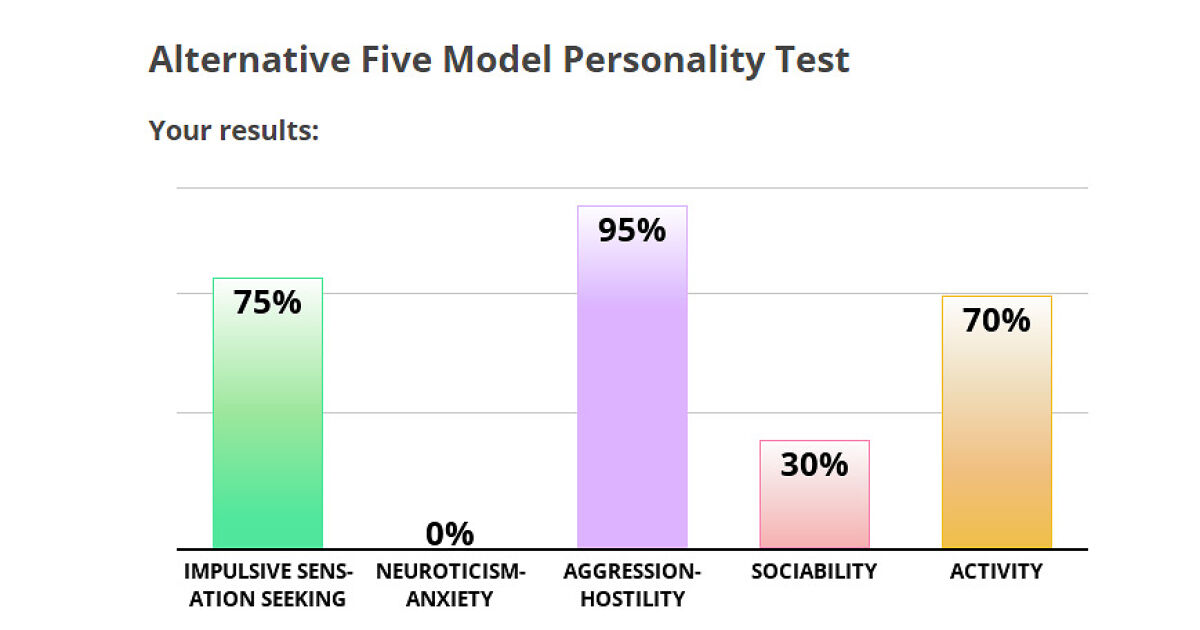
So, Hey Pandas, take any personality test you like and post your results here. But before we turn a quiz result into a full legal identity, let’s talk about how to enjoy personality tests, understand what they can actually reveal, and share the results without becoming the person who says, “Sorry, I can’t help you move. My type is emotionally allergic to boxes.”
Why Personality Tests Are So Hard to Resist
Human beings love patterns, especially patterns that appear to explain us. A personality test offers a neat little mirror: answer a few questions about your habits, reactions, preferences, and social energy, then receive a description that feels suspiciously familiar. “You are imaginative but sometimes overwhelmed.” Well, yes. That is also true of nearly everyone who has ever opened a refrigerator and forgotten why they were there.
Still, the attraction is not entirely fluff. A well-designed personality assessment can encourage self-awareness. It can help people reflect on their communication style, their approach to planning, their comfort with change, or the way they recharge after a busy day. The useful part is not necessarily the letter code, animal mascot, mystical aura color, or cartoon wizard robe. The useful part is the pause it creates.
A good personality test makes you ask better questions: Do I like structure because it helps me focus, or because uncertainty makes me nervous? Do I enjoy being around people, or do I enjoy being around the right people with an exit strategy? Do I avoid conflict because I am peaceful, or because I would rather vanish into the drywall than have an uncomfortable conversation?
That kind of reflection can be valuable. The trick is remembering that a test result is a snapshot, not a tattoo.
Not All Personality Tests Are Built the Same
Before posting your result with fifteen crying-laughing emojis, it helps to know what kind of test you took. Some personality quizzes are designed for entertainment. Some are built around established psychological models. Some are useful conversation starters. Some are basically digital fortune cookies wearing a lab coat.
The Big Five Personality Traits
One of the most widely used approaches in personality psychology is the Big Five model. Instead of putting people into fixed boxes, it looks at personality along broad trait ranges. The five traits are often remembered with the acronym OCEAN:
- Openness: curiosity, imagination, comfort with new ideas, and interest in novelty.
- Conscientiousness: organization, reliability, follow-through, and the mysterious ability to remember where you put your keys.
- Extraversion: sociability, energy from external stimulation, and comfort being outwardly expressive.
- Agreeableness: compassion, cooperation, trust, and a tendency to avoid starting a family feud over the last dinner roll.
- Neuroticism: emotional sensitivity, stress reactivity, and how easily your brain turns a mildly awkward email into a three-season drama.
The Big Five approach is useful because it recognizes that most traits exist on a continuum. You are not permanently “an introvert” or “an extrovert” in the same way you are a blood type. You may be more socially outgoing in familiar groups, quieter in unfamiliar settings, energetic at brunch, and emotionally unavailable after 8 p.m. That is not inconsistency. That is being a person with a nervous system and a calendar.
Type-Based Personality Tests
Type-based tests are popular because they are memorable. Receiving a four-letter label or a named personality type can feel like joining a club with matching emotional snacks. These tests can offer language for preferences, such as whether you tend to think aloud, make decisions quickly, plan ahead, or keep several tabs open in both your browser and your soul.
However, type labels should be handled lightly. People can score differently at different times, interpret questions differently, or behave differently depending on their environment. A personality type may describe a familiar pattern, but it should not become a tiny jail cell with excellent branding.
Strengths, Values, and Character Quizzes
Some of the most useful self-reflection tools focus on a specific area rather than trying to explain your entire existence. A character strengths quiz may highlight creativity, gratitude, curiosity, humor, fairness, or persistence. A values assessment may help you consider whether independence, security, connection, achievement, learning, or service matter most to you right now.
These tests can be especially helpful because they point toward action. Finding out that you value curiosity is nice. Using that information to enroll in a class, ask better questions, or stop pretending you do not want to learn pottery is even better.
How to Take a Personality Test Without Handing It the Keys to Your Life
Take the test. Enjoy the result. Screenshot the chart if it makes you happy. Then keep your brain switched on.
Answer for Your Usual Self, Not Your Ideal Self
Most people are tempted to answer personality questions as the version of themselves who drinks water, replies to emails, never procrastinates, and somehow owns matching storage containers. That person may exist occasionally, perhaps on the first Monday of January, but personality assessments work best when answers reflect your ordinary habits.
Ask yourself what you do most often, not what you wish you did. Do you usually recharge alone after a busy week? Do you tend to make lists? Do you avoid hard conversations? Do you volunteer for a new project because it excites you, or because saying no makes your palms sweat? Honesty produces better reflection than aspiration disguised as data.
Consider the Context
Your mood matters. So does your job, relationship situation, sleep quality, stress level, and whether someone asked you to take the test immediately after you lost an argument. A person who feels burned out may score differently from the same person during a relaxed vacation week with no notifications and a suspiciously large breakfast buffet.
Results can reveal tendencies, but they cannot fully account for context. You may be highly organized at work and chaotic at home. You may love public speaking when discussing a topic you care about but become a houseplant when asked to introduce yourself in a room full of strangers. Both can be true.
Use Results as Prompts, Not Excuses
“I am not a planner because my personality type says I am spontaneous” is not a free pass to miss every deadline until the sun swallows the Earth. Likewise, “I am blunt because I value honesty” does not mean you get to be rude and call it authenticity.
The best use of personality test results is practical. If a test suggests you are energized by solitude, build quiet recovery time into your week. If it suggests you are highly conscientious, notice whether your standards sometimes become perfectionism. If you score high in openness, use that curiosity to try something new. A result should help you make more intentional choices, not give you a decorative excuse to remain stuck.
What Personality Test Results Can and Cannot Tell You
A personality assessment can describe patterns. It may help identify preferences, habits, emotional tendencies, or approaches to social situations. It can be a helpful tool for self-awareness, communication, and even a little healthy laughter.
What it cannot do is diagnose a mental health condition, predict your entire future, determine whether you are compatible with every human on Earth, or explain why your cousin keeps borrowing money and returning only vague emotional promises.
Clinical mental health diagnosis is more complex than an online quiz. It involves qualified professionals, detailed conversations, history, symptoms, context, and sometimes additional evaluation. A result that says you are “highly sensitive,” “intense,” “avoidant,” or “emotionally complicated” does not automatically mean something is medically wrong. It may simply mean you are human, which is a condition with a famously broad range of operating systems.
At the same time, if someone is struggling with persistent distress, serious relationship problems, drastic mood changes, or difficulty functioning in daily life, an online quiz should not be the final answer. A licensed mental health professional can provide real support and context in a way a quiz with animated confetti cannot.
How to Post Your Personality Test Results Like a Fun, Normal Panda
Sharing a personality test result can spark excellent conversations. It can also create a comment section where people begin diagnosing strangers based on whether they prefer cats to dogs. The goal is to keep it light, curious, and respectful.
Try sharing your result with a little context. Instead of posting only, “I am a Strategic Unicorn Overthinker,” add what felt accurate, what felt silly, and what surprised you.
A Simple Personality Test Post Template
Test I took: [Name of the test]
My result: [Your type, trait profile, or score]
What felt accurate: [One or two specific details]
What felt questionable: [A result that made you raise one eyebrow]
My real-life example: [A brief story that supports or challenges the result]
Question for everyone else: What test did you take, and did it actually describe you?
This approach makes the discussion better because it encourages stories, not labels. A person may say they scored high in conscientiousness but still have a laundry chair that deserves its own ZIP code. Another may score as introverted yet be the funniest person in a crowded room once they feel comfortable. Personality is more interesting when it is lived, not merely categorized.
The Best Personality Test Is the One That Makes You More Curious
The real value of a personality test is not discovering a final answer to “Who am I?” That question is too large, too weird, and too full of snack-related contradictions to fit inside a results page.
The value is discovering a more useful question. Why do I respond this way? What environments help me thrive? What habits drain me? Which strengths do I overlook because they come naturally? What could I practice if I wanted to grow?
Take the result seriously enough to reflect on it, but not so seriously that you begin announcing your personality type before your name. Your personality is shaped by traits, experiences, relationships, choices, stress, growth, mistakes, and all the strange little moments that do not fit into multiple-choice answers.
So, Hey Pandas, take a personality test. Post the result. Laugh at the suspiciously accurate parts. Question the overly dramatic parts. Compare notes with other people. Then remember that no quiz, however colorful, has fully solved the magnificent chaos of being you.
Personality Test Experiences: The Results That Made People Think Twice
One of the funniest things about personality tests is how often people take them “just for fun” and then spend the next forty minutes staring at the screen like it has uncovered a classified government file. Someone reads, “You value harmony but avoid conflict,” and suddenly remembers every time they said, “No worries at all!” while quietly constructing a detailed internal spreadsheet of grievances.
Take the friend who received a result describing them as highly conscientious. They proudly posted it in the group chat, expecting applause for their reliability and discipline. Within minutes, three friends replied with screenshots of unread messages, an overdue library notice, and a photo of the plant they had promised to water two weeks earlier. The result was not entirely wrong. This person was extremely conscientious about work, appointments, and travel plans. Their houseplants, however, had apparently been accepted into a witness protection program.
Another common experience happens when an outgoing person receives an introverted result. Their first reaction is usually, “This test is broken. I talk to everyone.” But after thinking about it, they realize they enjoy conversation while still needing quiet time to recharge. They may love hosting a dinner party, telling stories, and making strangers laugh, yet feel completely drained afterward. That does not make them fake or contradictory. It simply shows that social confidence and social energy are not always the same thing.
Then there are the people who get a result that feels wildly inaccurate. Maybe a quiz calls them “calm and logical,” even though they once cried because a delivery app substituted their favorite chips. Or perhaps it labels them “fearless and spontaneous” despite the fact that they read restaurant menus online before leaving the house. Those moments can be useful, too. A result that feels wrong may reveal how much a test missed, how oddly a question was worded, or how different you are in one setting compared with another.
Some of the best personality-test conversations happen between close friends or family members. One person may see themselves as direct and practical, while others experience them as thoughtful but occasionally intimidating during board games. Another person may identify as low-key and independent, while their friends point out that they become intensely competitive when karaoke is involved. These differences are not evidence that anyone is lying. Self-perception and other people’s perceptions often overlap without matching perfectly.
Personality tests can also create surprising moments of kindness. A person who scores high in sensitivity may realize that they are not “too much”; they simply notice emotional details that others miss. Someone who scores high in introversion may stop apologizing for needing solitude. A highly organized person may recognize that their love of planning can become stressful when they try to control every possible outcome. The useful result is not, “This is who I am forever.” It is, “This is a pattern I can understand with a little more compassion.”
That is why posting personality test results can be more than a trend. Done well, it becomes a way to swap stories, laugh at our contradictions, and see that everyone is trying to understand themselves with imperfect tools. No test gets the whole picture. But sometimes it shines a small light on a corner of your personality that deserves a closer look.
Note: Personality quizzes can be enjoyable tools for self-reflection, but they are not substitutes for professional mental health evaluation, diagnosis, or treatment. Avoid sharing sensitive personal information with unfamiliar quiz websites, and treat every result as a conversation starter rather than a final verdict.