Note: This article is for educational purposes only and is not a diagnosis. If your nails change suddenly or you also have other symptoms, check in with a licensed clinician.
Your nails are tiny, shiny overachievers. They open soda cans, scratch mystery itches, and quietly put up with keyboard marathons. But they also do something else: they can offer clues about your overall health. One of the most talked-about details is the pale half-moon shape at the base of the nail, often called the half moon nail. Its medical name is the lunula, and while it may look like a tiny cosmetic flourish, it is actually part of the nail’s growth center.
Some people can spot their lunulae immediately, especially on the thumbs. Others look down, squint, tilt their hand toward the light, and still see… absolutely nothing. That does not automatically mean something is wrong. In many cases, not seeing a half moon is completely normal. But sometimes changes in the lunula, or changes in the nail overall, can show up alongside anemia, nutrient issues, inflammatory skin disease, circulation problems, or other medical conditions.
This guide breaks down what half moon nails are, why you may or may not have visible lunulae, what symptoms deserve attention, and when a nail change is probably just a nail being dramatic versus when it is worth a medical evaluation.
What Are Half Moon Nails, Exactly?
The half moon at the base of the nail is the visible portion of the nail matrix, which is the area where new nail cells are made. As fresh cells form, older cells get pushed forward and harden into the nail plate you can see. In other words, the lunula is not random decoration. It is part of the nail’s growth factory.
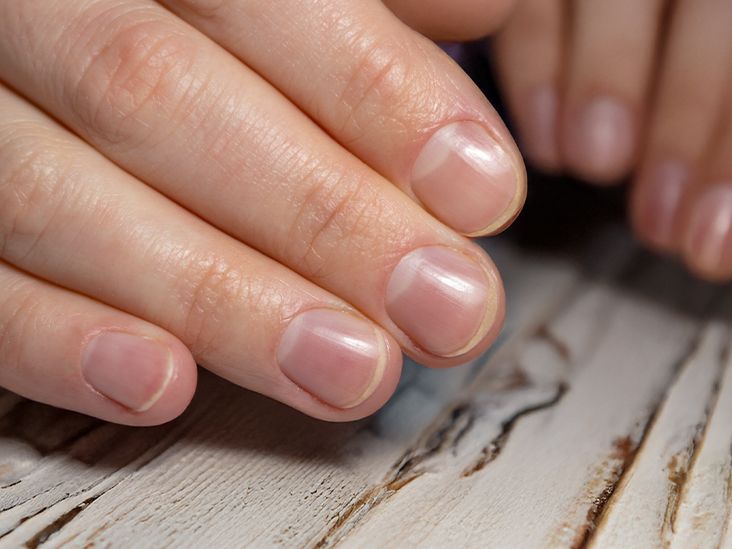
A healthy lunula is usually pale white or off-white and shaped like a crescent. It is most often easiest to see on the thumbs, somewhat visible on the index and middle fingers, and much smaller on the ring fingers and pinkies. For some people, the half moon is obvious. For others, it blends into the nail bed or hides partly under the skin near the cuticle. That can be completely normal too.
Why You Do Have Visible Half Moon Nails
If your lunulae are easy to see, congratulations: your nails are doing a fine job of being nails. Visible half moon nails are often just a normal variation in anatomy. Genetics plays a role, and so does the natural structure of your nail matrix and nail bed. Some people simply have more visible lunulae than others.
Visibility can also vary by finger. You may have a clear half moon on both thumbs and barely any on the pinkies. That pattern is common. Skin tone and contrast matter too. On some hands, the lunula stands out sharply. On others, it is present but much less noticeable.
In plain English: having visible half moon nails does not automatically mean you are healthier than someone who cannot see theirs. It mostly means your lunula is more visible.
Why You Don’t Have Visible Half Moon Nails
1. They may simply be hidden
This is the most common reason. The lunula can sit partly beneath the skin at the base of the nail, especially if it is naturally small. So “no half moon nails” often really means “not visible half moon nails.” Sneaky, yes. Dangerous, not usually.
2. It can be a normal age-related or genetic variation
Some people have faint or absent visible lunulae for years with no illness involved. Older adults may also notice changes in nail appearance over time, including less obvious lunulae and more ridging.
3. Trauma can change the look of the nail base
Habitual picking, nail biting, aggressive manicures, and repeated pressure on the nail can affect the nail matrix and surrounding tissue. If the base of one nail looks different after an injury, that may explain the missing crescent.
4. Sometimes it appears with health issues
This is where things get more interesting, and a little less manicure-blog, a little more medical chart. A faint or absent lunula may sometimes appear alongside conditions involving anemia, malnutrition, chronic illness, kidney problems, inflammatory skin disease, or pigment loss disorders such as vitiligo. But the key point is this: the half moon alone is not enough to diagnose anything. Doctors look at the full nail pattern, your symptoms, your medical history, and whether the change happened suddenly.
When Half Moon Nails Are Normal and When They Are Not
If your nails have always looked a certain way and you feel fine, that is reassuring. A stable pattern is usually less concerning than a sudden change. The bigger issue is not whether your lunula is tiny. It is whether your nail appearance has changed and whether that change comes with other symptoms.
For example, not seeing a half moon on just your pinky is usually no big deal. But if your previously visible lunulae disappear across many nails and you also develop fatigue, shortness of breath, swelling, pain, or strange nail color changes, that deserves attention.
Symptoms to Watch For
Here is where the nail gossip turns useful. These are the changes that matter more than simply having or not having a visible lunula:
Sudden loss of the lunula across multiple nails
A gradual, lifelong pattern is usually less concerning. A fast, noticeable change across several nails is more worth discussing with a clinician.
White nails that look washed out
If most of the nail turns pale or white and the lunula seems to disappear into a frosted-looking nail, this can resemble Terry’s nails. This pattern has been associated with aging as well as conditions involving the liver, heart, kidneys, or diabetes.
Dark streaks or a new black band
A new dark stripe under a nail, especially one that changes, widens, or appears on only one nail, should not be ignored. This can occasionally be a sign of nail melanoma and needs prompt evaluation.
Clubbing
If fingertips become rounder, puffier, or the nails curve more dramatically over the tips, that is called clubbing. It can be linked with heart or lung disease and should be checked.
Spoon-shaped nails
Nails that dip inward like tiny scoops may point to iron deficiency or other medical problems. Cute name, not a cute symptom.
Pitting, crumbling, or thickening
Small dents in the nails, thickening, rough texture, or crumbling can happen with psoriasis, eczema, fungal infection, or other nail disorders.
Yellow, brown, blue, or red color changes
Nails should not suddenly audition for a paint sample deck. Yellowing can happen with fungus or chronic health issues. Blue or purple tones can suggest poor oxygenation or circulation. A red lunula or unusual discoloration can also be worth a closer look.
Pain, swelling, warmth, or pus around the nail
This points more toward infection or inflammation than a simple lunula variation. Painful nails deserve care, especially if the skin around the nail is red or draining.
Horizontal grooves or major texture changes
Beau’s lines, deep ridges running across the nail, can happen after significant illness, high fever, stress on the body, or injury to the nail matrix.
Common Examples People Notice
Example 1: Someone removes old nail polish and realizes they can only see half moons on both thumbs. If that has always been true and there are no other symptoms, that is often normal.
Example 2: A person who recently recovered from a major illness notices horizontal grooves and changes in nail growth. That pattern may reflect a temporary disruption in nail production.
Example 3: Someone develops thick, yellow, crumbly toenails and says, “Maybe my half moon disappeared.” In that case, the bigger issue is more likely a fungal nail infection than the lunula itself.
Example 4: A person sees a new dark vertical streak on one nail that was never there before. That is a “please get it checked” moment, not a “wait and see until next year” moment.
How Doctors Think About Nail Changes
Healthcare professionals do not diagnose based on one missing half moon alone. They look at the pattern. Is it on one nail or all of them? Did it happen suddenly? Is there pain, swelling, cracking, color change, fatigue, shortness of breath, or skin symptoms? They may also examine your skin, hair, and circulation or order blood work if anemia, nutrient deficiency, thyroid disease, or other systemic issues are possible.
In other words, nails are clues, not crystal balls.
How to Support Better Nail Health
Even if your half moon nails are just doing their own quirky thing, healthy nail habits still matter:
Be gentle with the nail base
Aggressive cuticle trimming, picking, and rough manicures can irritate the nail matrix.
Moisturize regularly
Dry nails crack more easily. A simple hand cream or cuticle oil helps more than people give it credit for.
Wear gloves for wet work
Repeated soaking and drying can make nails brittle. Your nails are not trying to become beef jerky.
Eat a balanced diet
Protein, iron, and key vitamins support nail growth. Supplements are not magic, but true deficiencies can absolutely affect nail appearance.
Do not ignore infections
Thickening, yellowing, pain, and lifting from the nail bed deserve proper treatment instead of endless layers of polish and optimism.
When to See a Doctor
You should consider medical advice if:
your lunulae suddenly disappear across several nails; your nails become mostly white, blue, darkly streaked, spoon-shaped, or clubbed; the nail or surrounding skin is painful, swollen, or draining; or you have whole-body symptoms such as fatigue, dizziness, shortness of breath, swelling, or unexplained weight changes along with new nail changes.
If the issue is a single nail after trauma, the cause may be local. If several nails change at once, doctors become more interested in whether something broader is going on.
The Big Takeaway on Half Moon Nails
Half moon nails are one of those body details that can trigger either curiosity or a late-night search spiral. The good news is that visible or invisible lunulae are often just normal variations. Many healthy people have tiny half moons, half moons only on their thumbs, or lunulae that seem to hide like introverts at a loud party.
What matters more is change. If your nails suddenly look different, especially in combination with other symptoms, pay attention. Nails can sometimes reflect issues with nutrition, inflammation, circulation, infection, or chronic disease. They are not diagnostic on their own, but they are worth noticing.
So yes, your nails can say something about your health. They are just not usually trying to yell. Most of the time, they whisper.
Experiences People Commonly Report With Half Moon Nails
One reason the topic of half moon nails gets so much attention is that people usually discover the lunula by accident. It often happens during a manicure, after removing old nail polish, or while comparing hands with a friend and suddenly realizing that one person has obvious white crescents and the other person appears to have none. That moment can be oddly dramatic for something happening on a thumbnail. People often assume there must be a hidden meaning, when in reality the answer is frequently simple anatomy.
Another common experience is noticing that the half moon is clear on the thumbs but almost invisible on the other fingers. This tends to send people into detective mode. They look at each finger under different lighting, turn the hand sideways, and wonder whether they are developing some mysterious deficiency overnight. In many cases, nothing is wrong. The lunula is commonly more visible on the thumbs and less obvious toward the pinky, so a “thumb-only” pattern is not unusual.
Some people report the opposite experience: they used to see their lunulae more clearly, but now they seem faint. That can happen for harmless reasons, including changes in nail thickness, lighting, hydration, aging, or minor trauma from picking and manicures. But when the change comes with brittle nails, fatigue, dizziness, new skin symptoms, or widespread whitening, that is usually when concern becomes more reasonable.
People with nail psoriasis or eczema often describe nail changes as frustrating because the nails can look unhealthy long before they hurt. They may notice pitting, roughness, thickening, or a strange texture before anyone mentions the lunula at all. Others with fungal infections focus more on color, odor, crumbling, or lifting of the nail than on the half moon shape. In those situations, the lunula question becomes part of a much larger nail story.
There is also the anxiety factor. A surprising number of people notice a nail change once and then check their hands ten times a day. That reaction is understandable, especially when online health searches range from “totally normal” to “possibly catastrophic” in about three clicks. A more helpful approach is to look for patterns: Did the change happen on one nail or many? Did it appear suddenly? Is there pain, swelling, or discoloration? Are there symptoms beyond the nails? Those questions are far more useful than staring at your cuticles like they owe you an explanation.
Finally, many people feel relieved to learn that nails are clues, not verdicts. A missing half moon does not automatically mean illness. A visible one does not automatically mean perfect health. Real-life experience tends to fall somewhere in the middle: curiosity first, confusion second, reassurance most of the time, and a doctor’s visit only when the nail changes are clearly new, dramatic, or paired with other symptoms. That is probably the healthiest way to think about half moon nails: stay observant, stay calm, and let your thumbnails keep their tiny mysteries unless they start acting truly weird.