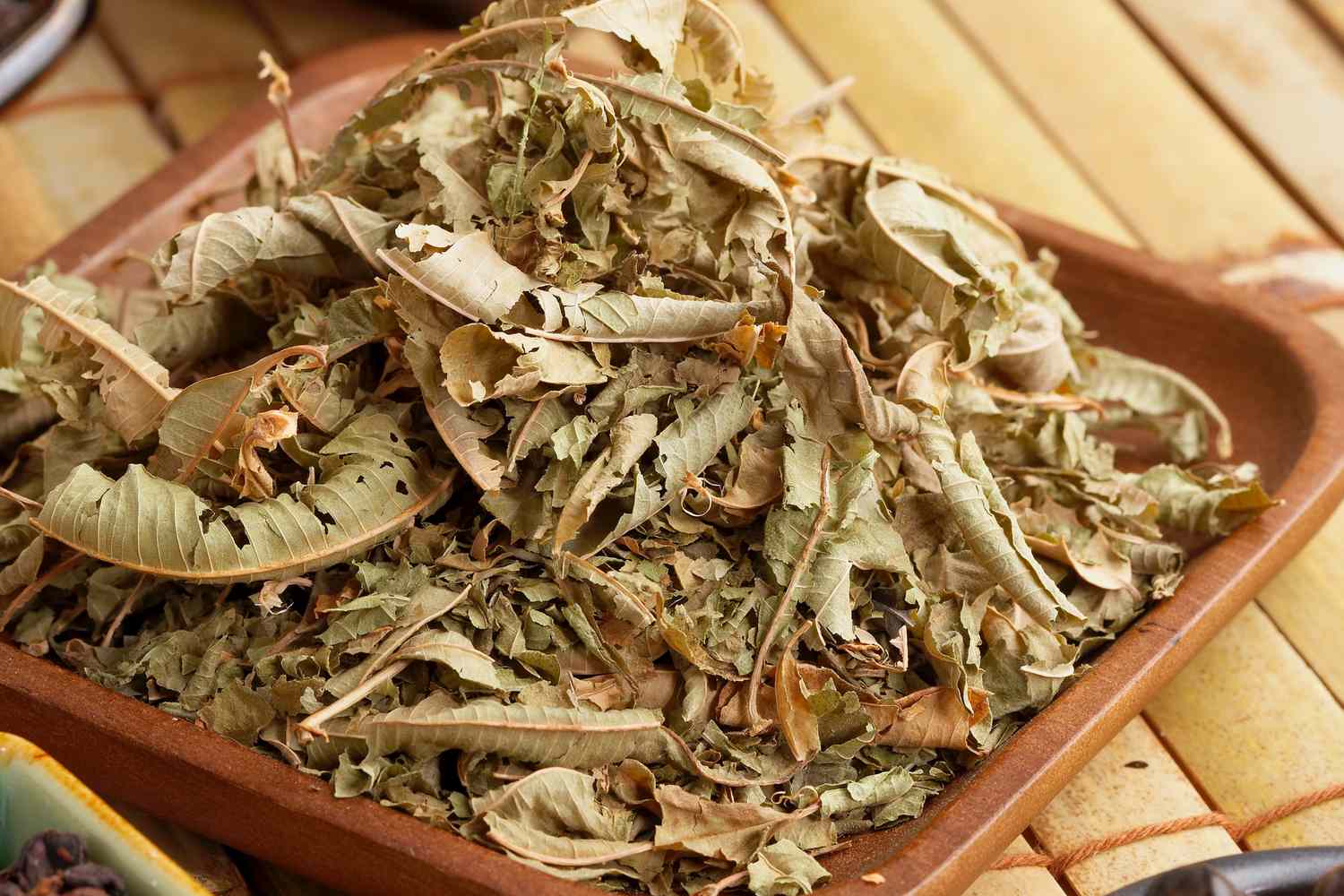
If sunshine had a flavor, it might taste a lot like Greek lemon verbena herbal tea, also known as Luiza or Louisa. This caffeine-free herbal infusion is bright, lemony, floral, and soothing without the sharp bite of actual lemon juice. In Greece, it is the kind of tea people reach for after dinner, during a quiet afternoon, or when the stomach says, “I need a little kindness, please.”
Greek lemon verbena tea is made from the dried leaves of the lemon verbena plant, commonly known botanically as Aloysia citrodora or Aloysia triphylla. Although the plant is native to South America, it grows beautifully in Mediterranean climates, including many parts of Greece. There, Luiza has become a beloved herbal tea with a reputation for its refreshing aroma, digestive comfort, and calming character.
But let’s be clear from the first sip: lemon verbena tea is not a miracle cure in a mug. It is not a magic potion, a metabolism button, or a tiny herbal doctor wearing sandals. What it is, however, is a fragrant, flavorful, naturally caffeine-free tea with a long history of traditional use and a growing body of scientific interest. For anyone looking for a cozy, citrusy drink that feels elegant without being fussy, Luiza deserves a spot in the tea cabinet.
What Is Greek Lemon Verbena Tea?
Greek lemon verbena herbal tea is an infusion made by steeping the leaves of lemon verbena in hot water. In Greek, it is often called Luiza or Louisa, pronounced roughly “loo-WEE-zah.” The name sounds like a cheerful aunt who always has cookies, wisdom, and a very strong opinion about whether you are wearing enough layers.
The plant itself is a woody shrub with narrow, fragrant leaves. Crush one leaf between your fingers and you immediately understand the hype: the aroma is intensely lemony, but softer and more floral than lemon peel. It smells clean, sunny, and almost perfumed. Unlike black tea, green tea, or oolong tea, lemon verbena does not come from the Camellia sinensis plant, so it is technically an herbal infusion or tisane rather than a true tea.
In Greece, Luiza is commonly enjoyed hot, but it also makes a beautiful iced tea. The flavor is light enough for warm weather and comforting enough for cool evenings. It pairs well with honey, fresh mint, chamomile, mountain tea, ginger, or a slice of lemon if you want the citrus drama to enter the room wearing sunglasses.
Why Lemon Verbena Became Popular in Greece
Greece has a deep tradition of herbal infusions. From mountain tea to chamomile, sage, oregano tea, and dittany, herbs are not treated as trendy wellness accessories. They are part of daily life, family kitchens, village remedies, and hospitality. Lemon verbena fit naturally into this tradition because it thrives in sunny, well-drained conditions and offers a flavor that feels both refreshing and gentle.
Although lemon verbena originated in South America, it adapted well to warm Mediterranean regions. Greek growers often dry the leaves for year-round use, preserving the plant’s lemony fragrance. In homes, cafés, and small herbal shops, Luiza is often sold as loose dried leaves rather than in highly processed tea bags. That matters because whole or lightly broken leaves usually deliver a fuller aroma than dusty tea-bag crumbs.
The appeal is simple: Greek lemon verbena tea tastes good, smells wonderful, and fits nearly any moment. It is caffeine-free, so it can be enjoyed in the evening. It feels light after meals. It is aromatic enough to satisfy people who want flavor without sugar. And it has that Mediterranean charm that makes you briefly believe your kitchen is overlooking the Aegean Sea, even if you are actually standing next to a dishwasher full of yesterday’s forks.
Flavor Profile: What Does Luiza Tea Taste Like?
Greek lemon verbena tea has a clean lemon flavor without the acidity of lemon juice. The first impression is citrus, but not sour. Then comes a soft herbal sweetness, followed by a delicate floral note. Some people notice a faint grassy or mint-adjacent finish, but lemon verbena is usually smoother and more perfumed than lemon balm or lemongrass.
Lemon Verbena vs. Lemongrass
Lemongrass is bold, grassy, and slightly earthy. It is common in Southeast Asian cooking and has a more savory personality. Lemon verbena is lighter, sweeter, and more floral. If lemongrass is a confident trumpet, lemon verbena is a violin playing near an open window.
Lemon Verbena vs. Lemon Balm
Lemon balm is part of the mint family and has a mild lemon-mint flavor. It can be pleasant and calming, but it is usually less intensely lemony than lemon verbena. Lemon verbena tastes more refined, almost like lemon zest met a bouquet and decided to behave.
Potential Benefits of Greek Lemon Verbena Herbal Tea
Lemon verbena has been traditionally used for digestion, relaxation, feverish feelings, and general comfort. Modern research has explored its antioxidant and anti-inflammatory compounds, including polyphenols such as verbascoside. Still, many studies use concentrated extracts rather than ordinary tea, so it is important not to exaggerate what a cup can do.
1. Naturally Caffeine-Free Relaxation
One of Luiza’s biggest everyday advantages is that it is naturally caffeine-free. That makes it a smart choice for evenings, late-night reading, post-dinner sipping, or anyone trying to reduce coffee intake without replacing it with sadness in a cup.
The aroma itself can feel calming. A warm mug encourages slower breathing, a short pause, and the deeply underrated activity of doing nothing for five minutes. No app subscription required.
2. Gentle Digestive Support
Traditionally, lemon verbena has been used as a digestive herb. Many people drink it after meals because its warm, aromatic quality feels soothing. The tea’s lemony scent can make it especially pleasant after heavier foods, rich dinners, or festive meals where everyone “just tasted a little” of six different desserts.
While traditional use is not the same as clinical proof, Luiza remains popular as a post-meal herbal tea because it is light, warm, and easy to drink without adding caffeine, dairy, or heavy sweetness.
3. Antioxidant Compounds
Lemon verbena contains plant compounds with antioxidant activity. Antioxidants help protect cells from oxidative stress, a process linked to normal metabolism, environmental exposures, and aging. Research into lemon verbena extracts has found promising antioxidant and anti-inflammatory activity, but the strength of those effects can vary depending on the preparation, dose, and plant quality.
In practical terms, think of Luiza as one enjoyable part of a healthy lifestyle, not a substitute for vegetables, sleep, exercise, or calling your doctor when something feels wrong. Tea can be lovely. Tea cannot do your annual checkup.
4. A Pleasant Alternative to Sugary Drinks
Greek lemon verbena tea has enough natural aroma that it can satisfy a craving for flavor without soda, sweet bottled tea, or dessert-like coffee drinks. Served iced, it becomes a refreshing warm-weather drink. Add cucumber slices, mint, or a small spoonful of honey, and you have something that feels fancy but does not require a mixologist with a mustache.
5. Possible Exercise Recovery Interest
Some studies have examined lemon verbena extract for exercise-related muscle stress and recovery. These studies generally involve standardized extracts, not simple homemade tea. That distinction matters. A gentle cup of Luiza after a workout may be hydrating and relaxing, but it should not be marketed as a guaranteed recovery supplement.
Still, for people who want a caffeine-free drink after evening exercise, lemon verbena tea can be a pleasant option. It hydrates, it smells great, and it does not shout at your nervous system the way a late espresso might.
How to Make Greek Lemon Verbena Tea
Making Luiza is wonderfully simple. The key is to respect the leaves. Use water that is hot but not aggressively boiling for too long, and give the tea enough time to release its aroma.
Basic Hot Luiza Tea Recipe
- Use: 1 to 2 teaspoons dried lemon verbena leaves per cup
- Water: Freshly boiled water, slightly cooled for about 30 seconds
- Steep: 5 to 7 minutes
- Finish: Strain and enjoy plain, or add honey
For a stronger cup, add more leaves rather than steeping forever. Over-steeping can pull out rougher herbal notes. Lemon verbena is graceful; it does not need to be interrogated under boiling water until it confesses.
Greek-Style Honey Luiza
For a cozy Greek-inspired version, steep dried Luiza leaves for 6 minutes, strain, and stir in a small spoonful of Greek honey. Thyme honey is especially beautiful because it adds floral depth without overpowering the lemon aroma.
Iced Lemon Verbena Tea
To make iced Luiza, brew the tea stronger than usual because ice will dilute it. Use 2 tablespoons of dried leaves for 4 cups of hot water. Steep for 7 minutes, strain, cool, and refrigerate. Serve over ice with mint, lemon slices, or a few berries.
Best Food Pairings for Luiza Tea
Greek lemon verbena herbal tea pairs well with foods that like citrus but do not need acidity. Try it with butter cookies, almond biscuits, lemon cake, Greek yogurt with honey, fresh fruit, shortbread, or toast with fig jam. It also works after savory meals featuring fish, chicken, roasted vegetables, rice dishes, or Mediterranean herbs.
Because the flavor is clean and aromatic, Luiza can also be used in the kitchen. Infuse it into simple syrup for mocktails, steep it in milk for custards, add it to poaching liquid for pears, or blend it with mint for a bright iced tea. Dried leaves can be tucked into sugar to make lemon-scented sugar for baking. Your pantry will smell like it hired a publicist.
Buying Tips: How to Choose Good Lemon Verbena Tea
Quality matters with herbal tea. Old lemon verbena loses its aroma quickly, and the whole point of Luiza is that gorgeous lemon scent. When buying Greek lemon verbena tea, look for leaves that are greenish rather than dull brown, fragrant when opened, and sold by a supplier with clear packaging information.
Loose Leaf vs. Tea Bags
Loose leaf lemon verbena often gives the best flavor because the leaves are larger and less processed. Tea bags are convenient, especially at work or while traveling, but choose brands that use recognizable leaf pieces rather than powder. If the tea smells like cardboard with a lemon sticker on it, politely move on.
Organic and Naturally Dried Options
Organic lemon verbena can be a good choice if you prefer herbs grown without synthetic pesticides. Naturally dried leaves may retain a strong aroma when handled well. Store any lemon verbena tea in an airtight container away from heat, light, and moisture. A glass jar in direct sun may look charming, but it is basically a retirement home for fading herbs.
Growing Lemon Verbena at Home
If you enjoy gardening, lemon verbena is a rewarding plant to grow. It prefers full sun, warmth, and well-drained soil. In colder climates, it can be grown in a container and brought indoors before frost. The plant can become woody over time, so regular pruning helps keep it bushy and productive.
Harvest leaves throughout the growing season. For drying, cut stems, tie them loosely, and hang them in a dry, shaded, well-ventilated place. Once the leaves are crisp, strip them from the stems and store them in an airtight container. Properly dried lemon verbena should still smell bright and lemony when crushed.
Safety Notes: Who Should Be Careful?
For most healthy adults, lemon verbena tea used in normal food-like amounts is generally treated as a gentle herbal beverage. However, herbal products can still interact with medications or cause problems for certain people. If you are pregnant, breastfeeding, managing kidney disease, taking prescription medications, preparing for surgery, or giving herbal tea to children, ask a healthcare professional first.
Also remember that dietary supplements and herbal products are not regulated like prescription medicines. Strength, purity, and labeling can vary. This is especially important with extracts, capsules, or concentrated products. A casual cup of tea and a high-dose supplement are not the same thing.
Common Mistakes When Brewing Luiza
Using Leaves That Are Too Old
Lemon verbena should smell lively. If your tea has almost no aroma, it may be stale. Old leaves are not dangerous just because they are boring, but they will produce a flat cup.
Adding Too Much Lemon Juice
Luiza already tastes lemony. A small slice of lemon can be nice, but too much juice can bury the herb’s floral quality. Let the verbena do its job. It trained for this.
Expecting Medical Results
Enjoy Greek lemon verbena tea for comfort, flavor, and ritual. Do not use it as a replacement for medical treatment. If symptoms are persistent, severe, or unusual, tea time should be followed by professional advice time.
of Experience: Living With Greek Lemon Verbena Tea
The first time you make Greek lemon verbena tea, the experience starts before the first sip. Open a bag of good dried Luiza and the scent lifts immediately: lemon peel, flowers, sunshine, and something softly green. It is not loud like peppermint and not earthy like sage. It is elegant. It smells like a clean kitchen in a house where someone remembered to water the herbs and somehow never loses their keys.
One of the best ways to enjoy Luiza is after dinner. Imagine a meal with roasted chicken, potatoes, olive oil, oregano, and maybe a salad that had more feta than originally planned. Coffee would be too much. Dessert wine feels dramatic. Plain water is fine, but not exactly exciting. Then comes a warm cup of lemon verbena tea. It settles into the evening gently, giving your palate a clean finish and your hands something warm to hold.
Luiza is also a wonderful workday tea. Around mid-afternoon, when focus starts wandering toward snacks, online shopping, or the emotional support of another coffee, lemon verbena offers a lighter reset. It has enough fragrance to feel like a treat, but because it is caffeine-free, it does not turn the rest of the day into a nervous tap dance. A mug beside your laptop can make ordinary tasks feel slightly more civilized.
In summer, iced Luiza becomes even more impressive. Brew it strong, chill it, and pour it over ice with fresh mint. The drink looks pale and simple, but the aroma is gorgeous. It is the kind of iced tea you can serve in a pitcher at lunch and watch people ask, “What is this?” in the tone usually reserved for secret recipes. Add peach slices or cucumber if you want it spa-like. Add honey if you want it softer. Add sparkling water if your iced tea wants to attend a garden party.
For home cooks, lemon verbena is surprisingly useful beyond the teacup. A few dried leaves can perfume sugar for cookies. A warm infusion can become the base for syrup. Fresh leaves can flavor cream for panna cotta or custard. In savory cooking, the herb works best as an infusion rather than chopped directly into everything, because the leaves can be firm. Think of it as a flavor guest: invite it in, let it mingle, then strain it out before dinner gets chewy.
The ritual may be the greatest benefit. Making Luiza encourages you to slow down without turning relaxation into a complicated project. You do not need special equipment, a 14-step wellness routine, or a playlist of whale sounds. You need leaves, hot water, a cup, and a few quiet minutes. That simplicity is part of why Greek lemon verbena herbal tea has lasted as a household favorite. It is humble, fragrant, and dependable. In a world full of drinks promising to transform your life by Tuesday, Luiza simply says, “Here, breathe for a moment.” Honestly, that is already pretty good.
Conclusion: Is Greek Lemon Verbena Tea Worth Trying?
Greek lemon verbena herbal tea, or Luiza, is absolutely worth trying if you enjoy citrusy herbal teas, caffeine-free drinks, Mediterranean flavors, or calming evening rituals. Its lemon-floral aroma makes it more interesting than many basic herbal infusions, while its gentle taste makes it easy to drink daily.
The best way to appreciate Luiza is to treat it as both a beverage and a small ritual. Buy fresh, fragrant leaves. Brew them carefully. Try the tea hot after meals and iced in warm weather. Pair it with honey, mint, chamomile, or Greek desserts. Enjoy its traditional reputation, but keep health claims realistic and responsible.
In short, Luiza is not just “lemon tea.” It is a bright, aromatic herbal infusion with Greek charm, culinary versatility, and a soothing personality. It is the tea equivalent of opening a window on a sunny morning. And sometimes, that is exactly what a cup should be.
Note: This article is for general educational and culinary information only. Herbal teas are not a substitute for professional medical care. People who are pregnant, breastfeeding, taking medication, managing kidney disease, or dealing with ongoing symptoms should consult a qualified healthcare professional before using herbal products regularly.