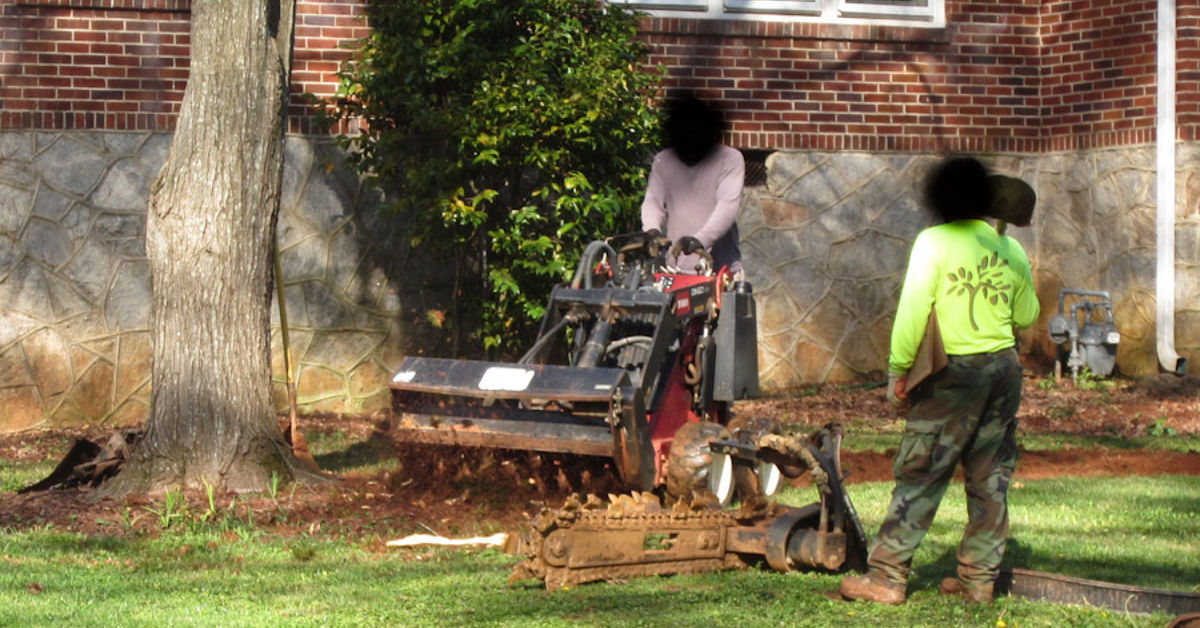
Want to kill a tree? Wonderful. There are plenty of terrible ideas available, and many of them are already happening in perfectly respectable front yards across America. The catch, of course, is that most people do not set out to destroy a tree. They simply love it too aggressively, mulch it like a volcano, prune it like a nervous barber, park on its roots, drown it, starve it, or let construction equipment tap-dance across the soil until the poor thing gives up.
This article is not a guide to harming trees. It is a guide to recognizing the surprisingly ordinary ways homeowners, landscapers, builders, and even well-meaning gardeners accidentally kill trees. Think of it as a “what not to do” manual with a wink, a shovel, and a deep respect for shade.
Trees are not yard furniture. They are living systems with roots, bark, leaves, water movement, stored energy, and delicate relationships with soil, air, fungi, insects, and weather. A healthy mature tree can cool a home, reduce stormwater runoff, improve curb appeal, support wildlife, and make a neighborhood feel less like a parking lot with mailboxes. A dead tree, on the other hand, mostly supports woodpeckers, fungi, liability, and awkward conversations with insurance adjusters.
Why Trees Die Slowly, Not Dramatically
One frustrating thing about tree decline is that it often looks like nothing is happening until the damage is already serious. A tomato plant wilts in an afternoon and gives you a clear message: “Help.” A mature oak may hide stress for years. Roots can be crushed, buried, cut, or suffocated long before the canopy starts dropping leaves, thinning out, or producing dead branches.
That delay causes confusion. A homeowner may blame this summer’s heat, last winter’s freeze, or “some bug,” while the real problem began five years earlier when a patio was installed over the root zone. Trees are excellent at pretending everything is fine. Unfortunately, “everything is fine” is also what people say right before they open a plumbing bill.
1. Build a Mulch Volcano and Call It Landscaping
If there were an award for the most popular bad tree-care habit, the mulch volcano would arrive in a tuxedo and give a long acceptance speech. Mulch is useful when applied correctly. It moderates soil temperature, helps conserve moisture, reduces mower damage, and improves the soil as organic material breaks down. But when mulch is piled high against the trunk like a decorative termite hotel, trouble begins.
Excess mulch can hold moisture against the bark, encourage decay, reduce oxygen around roots, and create conditions that invite disease and pests. The trunk of a tree is not designed to stay wet and buried. It needs air. The root flare, where the trunk widens into the roots, should remain visible. If the tree looks like a telephone pole stuck into a mound of shredded bark, congratulations: the landscape has become suspicious.
Better approach
Use a wide, shallow mulch ring rather than a mountain. Keep mulch pulled back from the trunk, and let the root flare breathe. The best-looking mulch job is not the tallest one. It is the one that quietly helps the tree without trying to become a landmark.
2. Plant the Tree Too Deep
A great way to make a young tree struggle is to plant it too deep. This mistake is common because many nursery trees arrive with extra soil over the root flare. A homeowner digs a generous hole, sets the tree in, backfills proudly, and unknowingly buries the most important transition zone of the plant.
Deep planting can lead to poor oxygen exchange, bark damage, weak growth, girdling roots, and long-term decline. The tree may not die immediately. It may simply grow poorly, leaf out unevenly, look tired, and become the botanical version of someone who has been waiting at the DMV since 2019.
Better approach
Before planting, locate the root flare. Plant so that the flare is visible at or slightly above the surrounding soil level. The planting hole should usually be wide rather than deep, because new roots need room to spread outward into loosened soil. Trees do not want a basement apartment.
3. Cut Roots Like They Are Underground Spaghetti
Tree roots are easy to ignore because they are not waving in the breeze like branches. But roots do the heavy work: absorbing water, taking up nutrients, storing energy, and anchoring the tree. Many roots grow relatively close to the surface, and they often extend well beyond the branch spread. That means the “empty” soil around a tree is not empty. It is the tree’s pantry, plumbing system, and foundation.
Construction projects are notorious tree assassins. Driveways, sidewalks, patios, trenching, grading, and utility work can remove or injure roots. Even when roots are not cut, heavy equipment can compact soil so tightly that water and oxygen cannot move properly. The tree may decline slowly over several seasons, leaving everyone to wonder why the leaves look sparse and the upper branches keep dying back.
Better approach
Protect the root zone before work begins. Keep heavy equipment, stored materials, and repeated foot traffic away from valuable trees. If a sidewalk, patio, driveway, or trench must be installed near a tree, consult a certified arborist before the work starts, not after the tree begins dropping limbs like bad reviews.
4. Change the Soil Grade Around the Tree
Adding soil around a tree seems harmless. After all, soil is natural, right? So are hurricanes. The problem is that raising or lowering the grade around an established tree can injure roots and disrupt oxygen exchange. Scraping soil away can remove absorbing roots and expose larger roots to drying. Adding fill can suffocate roots, especially if the material is dense or clay-heavy.
This often happens during landscape renovations. Someone wants a raised bed, a smoother slope, a retaining wall, or a more “finished” look around an old tree. The result may be lovely for a season and damaging for years. Trees are not fond of sudden changes to the ground they have spent decades adapting to.
Better approach
Design around existing roots and grades whenever possible. Avoid burying the trunk or building raised beds against trees. A mature tree is a long-term asset; treat it like architecture, not an obstacle to be smothered under decorative soil.
5. Top the Tree Because It “Got Too Big”
Tree topping is the haircut equivalent of solving split ends with a chainsaw. It involves cutting back large branches or reducing the height of a mature tree in a drastic way. People often do it because they worry a tree is too tall, too wide, or too close to a house. Unfortunately, topping does not make a tree safer in the long run. It creates large wounds, encourages decay, and often produces fast-growing sprouts with weak attachments.
A topped tree may look smaller for a while, but it can become more hazardous as weak new growth develops. It also loses its natural shape, its stored energy, and much of its ability to feed itself through leaves. The tree does not become a neat little bonsai. It becomes stressed, ugly, and expensive.
Better approach
Use proper pruning cuts and remove specific problem branches when needed. If a tree is truly too large for the site, replacement with a better-suited species may be smarter than repeatedly butchering the same tree. The right tree in the right place is cheaper than a lifetime subscription to panic pruning.
6. Hit the Trunk With Mowers and String Trimmers
Few things say “suburban tragedy” like a young tree with a ring of bark damage at the base. Lawn mowers and string trimmers can injure bark and cambium, the living tissue responsible for moving water and nutrients. Repeated wounds can weaken the tree, invite pests and diseases, and interfere with the tree’s ability to move resources.
The damage may look small at first: a scrape here, a nick there, a little missing bark. But repeated injury around the trunk can become serious. Trees do not heal wounds the way skin heals. They seal off damaged tissue and grow around it. That takes energy, and young trees may not have much energy to spare.
Better approach
Create a mulch ring around the tree so lawn equipment does not need to come close to the trunk. This is one of the simplest tree-care upgrades available. It protects bark, reduces grass competition, and makes the yard look intentional instead of mildly chaotic.
7. Water Like a Person With No Middle Setting
Watering trees sounds easy until humans get involved. Some people forget to water newly planted trees and then act shocked when the leaves crisp like kale chips. Others water constantly, turning the root zone into a swampy spa nobody asked for. Both drought stress and poor drainage can damage trees.
Newly planted trees need consistent moisture while they establish roots beyond the original root ball. Mature trees may need support during extended dry periods, especially in compacted urban soils. But overwatering can reduce oxygen in the soil and encourage root problems. Roots need water and air. They are picky like that.
Better approach
Water deeply and slowly when needed rather than giving frequent shallow sprinkles. Check soil moisture before watering. The goal is moist, not soggy. A tree is not pasta; do not boil the roots.
8. Use Weed Killers Carelessly Near Trees
Herbicide drift and misuse can injure desirable plants, including trees. Some products can move as droplets or vapors under the wrong weather conditions. Others may affect roots if used carelessly in the root zone. Symptoms can vary, but distorted leaves, browning, cupping, dieback, and unusual growth may appear after exposure.
This is one reason “weed and feed” shortcuts and casual spraying around valuable landscape plants deserve caution. The target may be dandelions, but the nearby maple, oak, redbud, or fruit tree did not sign the permission slip.
Better approach
Read and follow all product labels, avoid spraying when drift is likely, and keep sensitive plants in mind. For serious weed issues around trees, ask a qualified landscape professional or extension office for safer options. When in doubt, choose mechanical weed control, mulch, or professional guidance over chemical confidence with a trigger sprayer.
9. Ignore Soil Compaction
Soil compaction is sneaky. It does not look dramatic. There is no flashing red light in the lawn. Yet compacted soil can reduce pore space, limit oxygen, slow water movement, and make it harder for roots to grow. Parking under trees, storing materials, driving equipment across the yard, or hosting repeated foot traffic in the same area can all compact soil.
Compaction is especially common during construction and landscaping. A tree may stand there politely while trucks, pallets, lumber, gravel, and workers occupy its root zone. Later, the canopy thins, branches die back, and everyone acts betrayed.
Better approach
Protect soil before it is damaged. Fence off root zones during construction. Avoid parking or storing materials beneath valuable trees. In some cases, professional soil aeration can help, but prevention is far easier than rehabilitation.
10. Choose the Wrong Tree for the Wrong Place
Sometimes the tree was doomed at the garden center. A species that wants deep soil, broad space, or a cool climate may not thrive in a tiny, hot, compacted strip between a sidewalk and a street. A tree planted under power lines may become a pruning conflict. A moisture-loving tree placed in dry, reflected heat may spend its life looking personally offended.
Good tree care begins before planting. Site conditions matter: sunlight, mature size, soil drainage, climate, overhead wires, underground utilities, sidewalks, driveways, pests, and long-term maintenance. The best tree is not the one that looks prettiest in a five-gallon container. It is the one that still makes sense twenty years later.
Better approach
Match the species to the site. Consider mature height and spread, soil needs, disease resistance, local climate, and available space. A small ornamental tree may be perfect near a patio. A large shade tree may belong in a broad yard. A tree that outgrows its spot becomes a future argument with ladders.
How to Tell a Tree Is in Trouble
A struggling tree often gives clues, though they can be subtle. Watch for thinning canopy, dead branches, early fall color, small or pale leaves, mushrooms or fungal growth near the base, cracks, peeling bark, leaning, cavities, root damage, or repeated branch dieback. One symptom does not always mean disaster, but patterns matter.
Do not assume every insect is the villain or every brown leaf means the tree is dying. Trees respond to drought, flooding, soil changes, root injury, pests, diseases, and mechanical damage in overlapping ways. Diagnosing tree decline can be like solving a mystery where the suspect list includes weather, soil, humans, fungi, insects, and “the guy who installed the fence.”
When a tree is large, near a house, close to power lines, or showing structural defects, call a certified arborist. A qualified professional can evaluate risk, identify likely causes, recommend care, and determine whether removal is necessary. Guessing is cheaper for about five minutes. Then it can become very expensive.
When Tree Removal Is the Responsible Choice
Saving trees is usually the goal, but not every tree can or should be saved. A dead, severely decayed, storm-damaged, unstable, or poorly located tree may pose a risk to people and property. In those cases, removal can be the responsible decision. The key difference is intent and process: removing a hazardous tree safely is not the same as slowly killing a tree through neglect.
If removal is needed, hire insured professionals who understand rigging, property protection, local regulations, and safe work practices. Tree removal can be dangerous, especially around structures, fences, streets, and utilities. This is not the moment to become a weekend lumberjack because you watched three videos and own sunglasses.
The Better Goal: Keep the Tree Alive on Purpose
A healthy tree does not require perfection. It requires fewer bad decisions. Give roots room. Keep mulch reasonable. Protect the trunk. Water thoughtfully. Avoid topping. Respect the root flare. Be careful with chemicals. Plan construction around the tree instead of apologizing to it later.
Most trees are generous. They shade the driveway, feed birds, cool the house, hold soil, soften streets, and make a yard feel settled. In return, they ask for a surprisingly short list of favors: air, water, space, decent soil, and freedom from human enthusiasm expressed with sharp tools.
Experiences Related to “Great Way to Kill a Tree!”
Anyone who has spent time around yards, neighborhoods, construction sites, or older homes has probably seen the slow-motion comedy of tree decline. One of the most common scenes is the proud homeowner standing beside a newly planted tree buried under a heroic pile of mulch. The mulch is fresh, the edges are neat, and the trunk has disappeared into a bark volcano tall enough to have its own weather system. The homeowner sees care. The tree sees a damp collar pressed against its bark and wonders what it did wrong.
Another familiar story begins with a patio project. The plan sounds simple: remove a little soil, level the area, add pavers, and create a charming outdoor space. Nobody thinks much about the roots because roots are underground, and underground things are apparently allowed to suffer quietly. A few years later, the tree starts dropping branches. The leaves are smaller. One side of the canopy thins. People blame age, drought, beetles, bad luck, or the neighbor’s suspiciously powerful leaf blower. The real injury happened when the root zone was cut, compacted, and sealed beneath hardscape.
Then there is the mower wound, a classic. A young tree in the lawn gets clipped once. No big deal. Then again. And again. The bark at the base becomes ragged. Grass grows right up to the trunk, so the string trimmer comes in like a tiny angry helicopter. Over time, the tree struggles. A simple mulch ring would have prevented the whole drama, but many yards choose suspense instead.
Tree topping deserves its own tragic sitcom. A large shade tree “gets too tall,” so someone removes the upper limbs in one dramatic afternoon. The tree responds with a burst of weak shoots. For a brief period, the homeowner feels victorious. The tree is shorter. The view is open. The invoice is paid. But the wounds are large, decay begins, and the new growth is poorly attached. Years later, the same tree needs more pruning, more worry, and possibly removal. What started as a shortcut becomes a subscription plan.
I have also seen the “wrong tree, wrong place” problem play out in painfully predictable ways. A cute little tree is planted two feet from a driveway because it looks charming at the nursery. Years later, the roots meet the pavement, the branches meet the roof, and the owner meets regret. The tree was not bad. The placement was. Trees are small when we buy them, which is how they trick us into forgetting adulthood.
The real lesson is simple: most tree damage is not caused by villains. It is caused by convenience, impatience, and small misunderstandings repeated over time. People want tidy landscapes, fast fixes, and low maintenance. Trees want stable soil, healthy roots, proper planting depth, and respectful pruning. When those needs collide, the tree usually loses quietly. The good news is that small changes make a big difference. Pull mulch back from the trunk. Water deeply when needed. Keep machines away from bark. Protect roots during projects. Ask an arborist before making major cuts. A great way to “kill a tree” is usually just a bad habit wearing a garden glove. A great way to save one is to notice the habit before the canopy starts telling the story.
Conclusion
“Great way to kill a tree!” may sound like a joke, but the punchline is expensive. Trees are often damaged by ordinary choices: too much mulch, deep planting, root cutting, soil compaction, careless pruning, mower wounds, poor watering, chemical drift, and bad site selection. The good news is that most of these problems are preventable. A little knowledge can keep a tree alive for decades, which is far better than turning a valuable shade tree into a cautionary stump.
The best tree care is not flashy. It is patient, boring, and effective. Respect the root flare. Protect the root zone. Prune with purpose. Water wisely. Choose the right species for the right place. And if a tree looks dangerous or deeply stressed, bring in a certified arborist before making big decisions. Trees do not need us to be perfect. They just need us to stop helping them to death.