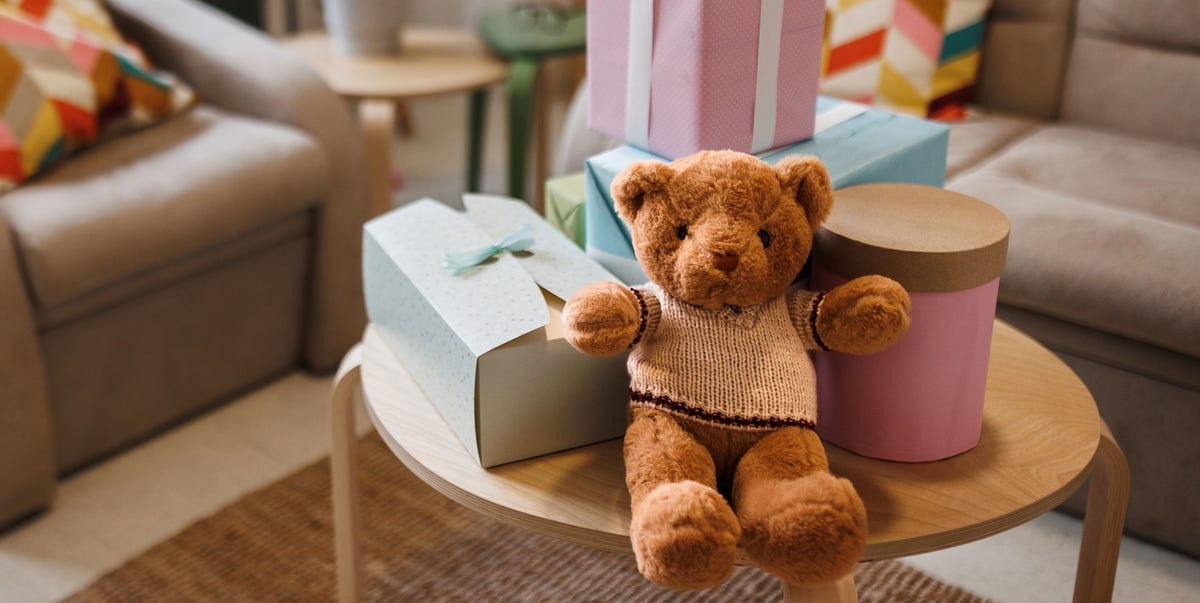
Just when the internet thought it had finished arguing about baby names, gender reveals, and whether toddlers should be allowed near beige couches, a new family celebration has entered the chat: the grandma shower. Also called a grandparent shower or grandbaby shower, this event celebrates a soon-to-be grandmother before the arrival of her grandchild. Sometimes it is a sweet brunch with friends. Sometimes it includes games, decorations, onesies, diapers, and a gift table that looks suspiciously like a baby shower wearing reading glasses.
And that is exactly why people are split. Supporters see grandma showers as a joyful way to honor a major family milestone. Critics see them as a spotlight-stealing gift grab that turns the expecting parents into background characters in their own life event. As usual, the internet has responded calmly, thoughtfully, and with absolutely no dramatic comments. Just kidding. People have opinions, and some of them arrive in all caps.
The truth sits somewhere between "adorable new tradition" and "please do not create a registry for a baby who will visit your house twice a month." Grandma showers can be warm, useful, and meaningful when handled with care. They can also become awkward fast if they compete with the parents' shower, ignore boundaries, or make the new baby feel like a community trophy. So let's unpack what grandma showers are, why they are controversial, and how families can celebrate without turning the group chat into a courtroom.
What Is a Grandma Shower?
A grandma shower is a party thrown for a woman who is becoming a grandmother, usually for the first time. It may be hosted by her friends, coworkers, church group, or relatives. The event often looks like a smaller version of a baby shower: snacks, cake, advice cards, decorations, and sometimes gifts for the baby or gear for the grandmother's home.
The idea is not completely random. Becoming a grandparent is a genuine life transition. Many grandparents help with childcare, provide emotional support, buy essentials, and become part of the baby's daily rhythm. In many American families, grandparents are not just smiling people in holiday photos; they are backup daycare, family historians, emergency snack providers, and the people who somehow know how to calm a baby with one hand while stirring soup with the other.
Because grandparents often play such a practical role, some families argue that a grandmother may need supplies in her home too: a pack-and-play, diapers, wipes, bottles, baby-safe cleaning products, board books, a changing mat, or a car seat if she will be driving the child regularly. In that version, a grandma shower is less about attention and more about preparing another safe, loving space for the baby.
But the name "shower" carries baggage. A baby shower traditionally exists to support the expectant parents as they prepare for the physical, emotional, financial, and logistical hurricane known as newborn life. When the shower shifts to grandma, people naturally ask: who is this really for?
Why Grandma Showers Are Dividing the Internet
Supporters Say It Celebrates a Meaningful New Chapter
Fans of the trend argue that becoming a grandmother deserves recognition. For many women, especially first-time grandmothers, the arrival of a grandchild is deeply emotional. It can represent family continuity, healing, joy, and a new identity. Some grandmothers have waited years for this moment. Some live far from their adult children and want a way to share the excitement with their own friends. Some are stepping into serious caregiving roles and need practical supplies.
In this view, a grandma shower is not meant to compete with the parents' baby shower. It is simply a small celebration for someone whose life is about to change too. And honestly, if Grandma is about to spend the next decade buying dinosaur pajamas, cutting grapes into microscopic pieces, and saying, "Don't tell your mother I gave you ice cream," a piece of cake in her honor does not sound outrageous.
Critics Say the Focus Should Stay on the Parents
The backlash comes from a different concern: childbirth and early parenthood are not symbolic milestones only. They are intense, expensive, exhausting realities. The pregnant person may be dealing with medical appointments, body changes, birth planning, postpartum recovery, breastfeeding decisions, sleep deprivation, and anxiety. The parents may be setting up a nursery, budgeting for childcare, preparing leave from work, and quietly wondering how one tiny person needs so much equipment.
That is why critics argue that a shower should focus on the parents, not the grandparents. A grandmother may be thrilled, but she is not the one recovering from birth or waking every two hours with a newborn. She may need diapers at her house, but she usually does not need an entire registry. When a grandma shower becomes too elaborate, it can feel like the family is asking guests to fund a second nursery instead of supporting the people actually bringing the baby home.
There is also the emotional issue of boundaries. Some expecting parents already feel overwhelmed by relatives who are eager to claim titles, make plans, post ultrasound photos, or announce news before the parents are ready. A grandma shower can accidentally amplify that pressure. What starts as "We're excited!" can sound like "This baby belongs to all of us equally," which is where the record scratch happens.
The Real Problem Is Not the Party. It Is the Power Dynamic.
Most online arguments about grandma showers are really arguments about family roles. Who gets celebrated? Who gets to make decisions? Who controls the guest list? Who is allowed to call themselves "Grandma"? Who gets access to the baby? Who gets to post pictures? Who gets to say, "Well, in my day…" and survive the conversation?
A grandma shower can be harmless when the expecting parents are comfortable with it and the event is modest. It becomes tense when the grandmother acts without asking, creates a separate registry, invites the same guests who are already attending the parents' shower, or positions herself as the main character. In other words, the party itself is not the villain. The villain is poor communication wearing a sash that says "Nana-to-Be."
Modern families are also more complicated than old etiquette books assumed. There may be divorced grandparents, step-grandparents, estranged relatives, chosen family, same-sex parents, adoptive parents, and grandparents who live across the country. A simple party can raise sensitive questions about identity and belonging. For some people, including a grandmother figure is beautiful. For others, a title like "Grandma" carries emotional history that should not be forced at a party between cupcakes and balloon arches.
Baby Shower Etiquette Has Changed, But Intention Still Matters
Traditional etiquette once discouraged close family members from hosting showers because gifts were involved, and it could appear self-serving. Today, those rules are more flexible. Parents, siblings, grandparents, friends, and coworkers may all help host depending on the situation. Families live farther apart, budgets vary, and communities are built differently than they were decades ago.
Still, the spirit of the rule remains useful: a shower should support the person or people who need support most. For a baby shower, that usually means the expecting parents. For a grandma shower to work, it should support the larger family without confusing the chain of command. The parents are the parents. Grandma is important, beloved, and possibly the only person who can remove mysterious stains from baby clothes, but she is not the decision-maker for the new household.
When a Grandma Shower Makes Sense
A grandma shower can be thoughtful in several situations. First, it may make sense when the grandmother will provide regular childcare. If the baby will spend one or two days a week at her home, practical items can make life safer and easier. A portable crib, diapers, wipes, burp cloths, outlet covers, baby books, and a small first-aid kit are reasonable. A luxury stroller, custom nursery wallpaper, and a gold-plated bottle warmer named Sir Milks-a-Lot are probably pushing it.
Second, it can work when the grandmother lives far away and her friends want to celebrate with her. In that case, the party should be framed as a toast, brunch, or gathering rather than a full baby shower. Gifts can be optional, small, or directed to the parents' existing registry.
Third, it may be meaningful when there is a special circumstance. Maybe the grandmother is recovering from illness, retiring before the baby arrives, joining a blended family, or becoming a grandparent after years of waiting. A gentle celebration can create memories without turning the event into a competition.
When a Grandma Shower Is a Bad Idea
A grandma shower is likely to cause drama if the expecting parents have not approved it. That is the big one. No amount of pastel frosting can fix a party that starts with ignored boundaries.
It is also a bad idea if there is no plan for the parents' shower yet. The parents' celebration should come first. If Grandma gets a balloon arch before the pregnant person gets a chair with back support, something has gone sideways.
Another red flag is a separate gift registry. A small list of practical items may be acceptable if the parents agree, especially when Grandma will provide childcare. But a full registry can look greedy, even if the intention is innocent. Guests may wonder why they are buying duplicate gear for someone who is not raising the baby full-time.
Finally, avoid inviting the same guests to multiple gift-focused events. Asking Aunt Linda to buy a high chair for the parents, a travel crib for Grandma, and then show up later with a book for the sip-and-see is how you turn Aunt Linda into a minimalist.
How to Host a Grandma Shower Without Starting Family Drama
1. Ask the Parents First
This is non-negotiable. Before planning anything, ask the expecting parents how they feel. Not a vague "You don't mind, right?" asked after the invitations are printed. A real conversation. If they seem hesitant, pause. Becoming a good grandparent starts with respecting the parents before the baby is even here.
2. Keep It Small and Casual
Call it a brunch, tea, lunch, or celebration instead of a shower if the word feels loaded. Invite close friends, not the entire county. Keep the tone warm, simple, and personal. Think muffins and advice cards, not rented throne and fog machine.
3. Make Gifts Optional or Parent-Focused
If guests want to bring something, suggest books, diapers, wipes, freezer meals, or contributions to the parents' registry. A lovely alternative is a "grandma wisdom" basket where guests write advice, family stories, or encouragement. That gives the event emotional value without making it look like a second checkout line.
4. Do Not Compete With the Baby Shower
The parents' shower should get priority on timing, guest attention, and gift-giving. A grandma shower should feel like a side dish, not the main course. Delicious? Yes. Replacing the turkey? Absolutely not.
5. Respect Family Titles and Boundaries
Not every grandmother figure will automatically be called Grandma. Some families use Nana, Mimi, Gigi, Abuela, Oma, Grammy, or first names. Some titles are emotionally sensitive, especially in blended families or after loss. Let the parents guide the naming conversation. The baby will eventually call everyone something anyway, possibly "Baba," "Gaga," or "Remote Control."
Better Alternatives to a Traditional Grandma Shower
If the phrase "grandma shower" makes the expecting parents twitch, there are gentler options. A grandparent brunch can celebrate the new role without gifts. A meal-prep party can fill the parents' freezer before the baby arrives. A book shower can build a library for the baby at Grandma's house. A grandparent class gathering can help older relatives refresh knowledge about safe sleep, car seats, feeding, and modern baby care. A sip-and-see after birth can introduce the baby to loved ones once the parents are ready.
The best alternative depends on the family's needs. If the parents are overwhelmed, organize meals. If Grandma is nervous about babysitting, give her a safety checklist and baby-care refresher. If everyone simply wants to celebrate, have cake and skip the registry. There is no rule that joy must come with a barcode scanner.
The Bigger Cultural Question: Are We Celebrating Too Much?
Grandma showers are part of a larger trend: modern life turns more milestones into events. Engagements, weddings, pregnancies, gender reveals, sprinkles, push presents, first birthdays, preschool graduations, and even pet birthdays now come with themes, hashtags, and balloon installations that could be seen from space.
Some people love this. Celebrations build community, create memories, and give people a reason to gather in a lonely, busy world. Others feel exhausted by the constant expectation to attend, gift, dress up, comment, post, and pretend they understand why the cake says "Baby in Bloom" when it is clearly just vanilla.
Grandma showers hit a nerve because they sit at the intersection of love, money, attention, and family boundaries. They ask a question many families are already wrestling with: how do we honor everyone's excitement while still centering the people doing the hardest work?
Experiences and Real-Life Scenarios: What Grandma Showers Look Like in Practice
Imagine a first-time grandmother named Carol. Her daughter lives three states away, and Carol's friends have heard about the pregnancy for months. They want to celebrate with her because they know how much this grandchild means. Instead of throwing a full baby shower, they host a Saturday brunch at a friend's home. No registry, no formal games, no giant "World's Best Grandma" banner blocking traffic. Guests bring children's books with handwritten notes inside. Carol cries, everyone eats lemon cake, and the books are mailed to the parents. That version works because it is affectionate, modest, and connected to the baby without taking over the parents' moment.
Now picture a different scenario. A mother-in-law announces her own grandma shower before the parents have even finalized their baby shower date. She creates a registry with a crib, stroller, high chair, swing, diaper bag, and nursery decor. She invites many of the same relatives who are already invited to the parents' shower. The expecting mother finds out through a social media post that says, "Celebrating MY grandbaby!" Suddenly, the issue is not cake. The issue is control. The parents feel sidelined, guests feel financially squeezed, and Grandma feels attacked when people question her plans. That version fails because nobody asked the parents first.
A third experience is more practical. A grandmother named Denise will watch the baby every weekday when her son and daughter-in-law return to work. Her coworkers know she is buying supplies and offer to host a small "Nana Nesting Lunch." The parents approve. Guests bring diapers, wipes, a baby thermometer, board books, and freezer meals for the parents. Denise receives a handwritten card reminding her that her support matters. The event is useful because it recognizes her caregiving role without pretending she is the primary parent.
Another common situation involves blended families. A stepmother may long to be called Grandma, while the expecting parent may feel that title belongs to someone else. A grandma shower can intensify those feelings because public recognition feels permanent. In such cases, the healthiest path is not forcing a title at a party. It is letting relationships grow naturally. A child can never have too many loving adults, but adults should not demand emotional titles as admission tickets.
Some families solve the whole debate by changing the purpose. Instead of a grandma shower, they host a "village party." Everyone brings something that supports the parents: a frozen casserole, a babysitting coupon, a pack of diapers, a gas card for hospital trips, or a note of encouragement. Grandparents are honored during a toast, but the parents remain the center. This approach works beautifully because it turns excitement into service. It says, "We are happy for Grandma," while also saying, "We are here for the people about to survive on cold coffee and three hours of sleep."
The most successful experiences share the same ingredients: consent, humility, practicality, and warmth. The least successful ones usually involve surprise plans, duplicate gift lists, public pressure, or relatives who confuse enthusiasm with entitlement. A grandma shower can be lovely when it is a soft celebration. It becomes divisive when it tries to become a second baby shower with Grandma as the star and the parents as supporting cast members.
Final Verdict: Sweet Tradition or Tacky Trend?
So, are grandma showers tacky? Not automatically. They can be sweet, especially when they are small, gift-light, and approved by the expecting parents. Becoming a grandparent is worth celebrating. Love should not be rationed like the last slice of cake.
But grandma showers become problematic when they compete with the baby shower, pressure guests for extra gifts, or ignore the parents' wishes. The safest rule is simple: celebrate Grandma, but support the parents. If the event strengthens the family village, wonderful. If it creates stress before the baby even arrives, cancel the balloon order and bring dinner instead.
In the end, the internet may stay divided because every family has different dynamics. But most people can agree on this: babies need love, parents need support, and grandmothers who respect boundaries usually get invited back for more cuddles. That is the real prize. Well, that and the lemon cake.
Note: This article is written from synthesized current parenting, etiquette, family, and cultural reporting. Source links are not included in the body per publishing requirements.