Note: This article is for educational purposes only and should not replace medical care. Sudden, severe joint pain, fever, spreading redness, or an inability to move a joint should be checked by a healthcare professional promptly.
Introduction: When One Toe Becomes the Main Character
Gout has a dramatic personality. It rarely knocks politely. It often storms in at night, attacks one joint, and makes a bedsheet feel like a medieval torture device. For many people, the first clue is a big toe that suddenly looks swollen, red, shiny, and furious. But gout diagnosis is not based on pictures alone. A swollen toe can look suspicious, but doctors usually need symptoms, medical history, a physical exam, and sometimes testing to confirm what is really happening.
The main keyword here is gout diagnosis, but the real question people ask is simple: “How do I know if this is gout?” The answer involves recognizing the classic signs, understanding what gout pictures can and cannot tell you, and knowing which tests help separate gout from look-alikes such as infection, injury, rheumatoid arthritis, or pseudogout.
Gout is a form of inflammatory arthritis caused by deposits of monosodium urate crystals. These crystals form when uric acid levels stay high enough for long enough. Once crystals settle in or around a joint, the immune system may react as if tiny broken glass has moved into the neighborhood. The result: sudden pain, heat, swelling, redness, and tenderness. Very charming, if your idea of charm is a joint yelling at 2 a.m.
What Gout Looks Like in Pictures
Gout pictures usually show a swollen joint, most famously the joint at the base of the big toe. This classic big-toe gout is called podagra. In many images, the toe looks enlarged, red, tight, glossy, and tender-looking. The skin may appear stretched, and the area around the joint may look warmer or darker than the surrounding skin.
Common visual signs in gout pictures
- Swelling: The affected joint may look puffy, enlarged, or rounded.
- Redness or discoloration: On lighter skin, gout may look bright red or pink. On darker skin, it may appear purple, dusky, brown-red, or darker than nearby skin.
- Shiny, tight skin: Inflammation can stretch the skin over the joint.
- Localized warmth: The joint may feel hot compared with the other side.
- Visible lumps: In long-term gout, firm deposits called tophi can appear under the skin.
Gout pictures are useful for education, but they are not a diagnosis machine. A red, swollen joint may also be caused by cellulitis, septic arthritis, trauma, bursitis, tendon problems, or other types of arthritis. In other words, a picture can raise suspicion, but it cannot put on a white coat and order labs.
Classic Gout Symptoms
The most typical gout attack begins suddenly. Many people feel fine during the day and wake up at night with severe joint pain. The pain often reaches peak intensity within hours. The affected joint can become so sensitive that shoes, socks, or even light touch feel unbearable.
Primary symptoms of a gout flare
- Sudden severe joint pain: Often intense, sharp, throbbing, or burning.
- Swelling: The joint may look enlarged and feel stiff.
- Redness or color change: Inflammation can change the skin color over the joint.
- Warmth: The joint may feel hot to the touch.
- Tenderness: Even gentle pressure may be painful.
- Limited movement: Walking, bending, gripping, or using the joint may become difficult.
The big toe is the celebrity joint of gout, but it is not the only possible location. Gout can affect the ankles, knees, feet, wrists, fingers, elbows, and other joints. Some people experience one flare and then go months or years without another. Others develop recurrent gout, where flares return and may become more frequent without proper treatment.
Why Gout Happens
Uric acid is a waste product created when the body breaks down purines, substances found naturally in the body and in certain foods. Normally, uric acid travels through the blood, reaches the kidneys, and leaves through urine. Problems begin when the body makes too much uric acid or the kidneys do not remove enough of it.
High uric acid levels are called hyperuricemia. Hyperuricemia does not always mean gout. Some people have high uric acid and never develop symptoms. Others can have a gout flare even when a blood test shows uric acid in the normal range during the attack. That is why gout testing requires context, not just one number on a lab report.
Risk Factors Doctors Ask About
During a gout diagnosis, a clinician usually asks about risk factors. This is not small talk. These details help build the case for or against gout.
Common gout risk factors
- Family history of gout
- Kidney disease or reduced kidney function
- Obesity or recent rapid weight change
- High blood pressure, diabetes, or metabolic syndrome
- Use of certain diuretics or other medications that affect uric acid
- Frequent alcohol intake, especially beer and spirits
- High intake of purine-rich foods such as organ meats, some seafood, and large amounts of red meat
- Frequent consumption of sugary drinks or foods high in fructose
- Recent surgery, dehydration, illness, or injury
Having one risk factor does not prove gout. Having several risk factors, classic symptoms, and a typical joint pattern makes gout more likely. The doctor’s job is to connect the dots without assuming every swollen toe is guilty.
How Doctors Diagnose Gout
A gout diagnosis usually starts with three basics: medical history, physical examination, and testing when needed. The doctor may ask when the pain began, how quickly it reached full intensity, whether the joint has flared before, what medicines you take, and whether you have kidney disease or a history of kidney stones.
Physical examination
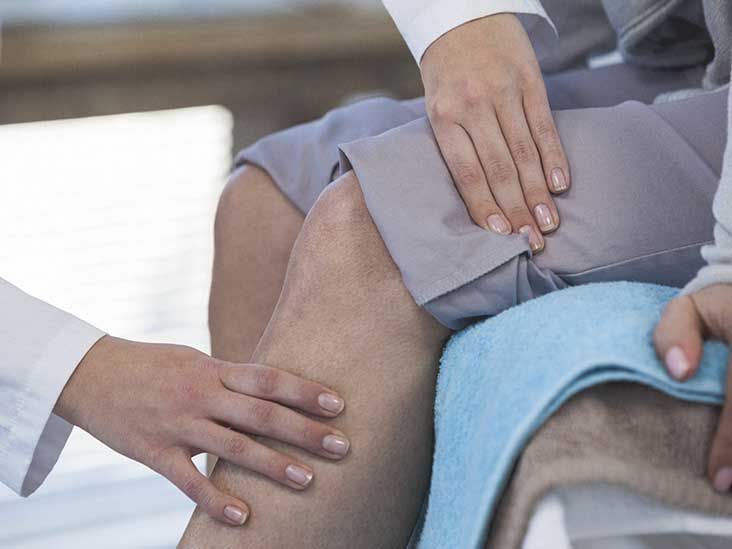
During the exam, the clinician checks the painful joint for swelling, warmth, tenderness, range of motion, and skin changes. They may compare the painful joint with the same joint on the other side of the body. They may also look for tophi, which are firm deposits of urate crystals that can appear near joints, on fingers, around elbows, on ears, or along tendons.
Tophi often develop after years of untreated or poorly controlled gout. They may look like firm bumps under the skin. Sometimes they appear yellowish or whitish. In severe cases, they can damage nearby joints or bone. If a bump leaks chalky material, that is a major “please see a doctor” moment, not a DIY science experiment.
Joint Fluid Test: The Most Definitive Gout Test
The most accurate way to confirm gout is often a joint fluid test, also called arthrocentesis or joint aspiration. In this test, a healthcare professional uses a sterile needle to remove a small amount of fluid from the swollen joint. The fluid is examined under a special microscope to look for urate crystals.
When monosodium urate crystals are found in joint fluid, the diagnosis becomes much clearer. Doctors may also analyze the fluid to check for infection or other crystals, such as calcium pyrophosphate crystals, which are linked to pseudogout. This matters because gout and pseudogout can look very similar from the outside. The joint may not care what the crystal is called, but the treatment plan certainly does.
Does a joint fluid test hurt?
The idea of a needle near a painful joint sounds about as relaxing as stepping on a Lego barefoot. However, clinicians usually numb the area first, and the test can provide valuable information. In some cases, removing fluid may also reduce pressure inside the joint. Not every person with suspected gout needs aspiration, but it is especially helpful when the diagnosis is uncertain or infection must be ruled out.
Blood Test for Uric Acid
A serum uric acid blood test measures the amount of uric acid in the blood. High uric acid supports the possibility of gout, especially when symptoms fit. However, this test has limits. Some people with high uric acid never get gout. Some people with gout may have normal uric acid during a flare.
That means a uric acid blood test is useful, but it is not a magic stamp. A doctor may repeat the test after the flare settles, because uric acid levels can shift during an acute attack. Blood tests may also check kidney function, inflammation markers, and other health concerns that influence treatment choices.
Imaging Tests for Gout
Imaging can help when the diagnosis is unclear, when gout has affected deeper joints, or when a clinician wants to evaluate joint damage. Imaging is also useful when joint aspiration is not possible or does not provide enough information.
X-rays
X-rays may look normal early in gout. They are more helpful in long-term gout, where they can show joint damage, erosions, or changes related to tophi. X-rays can also help rule out fractures, severe osteoarthritis, or other bone problems.
Ultrasound
Ultrasound can sometimes show urate crystal deposits in or around joints. One feature doctors may look for is the “double contour sign,” which suggests crystal buildup on cartilage. Ultrasound may also show inflammation, fluid, or tophi.
Dual-energy CT scan
A dual-energy CT scan can help identify urate deposits in joints and soft tissues. It can be useful in complex cases, but it is not always needed for routine diagnosis. It may be considered when symptoms are unusual, several joints are involved, or the doctor needs more evidence before making long-term treatment decisions.
Urine Testing and Kidney Evaluation
Some patients may need a urine uric acid test, especially if kidney stones are part of the story or if a doctor wants to understand how the body is handling uric acid. Kidney function matters because the kidneys help remove uric acid from the body. Reduced kidney function can increase gout risk and also affects which medications are safest.
Gout is not only a toe problem. It can be connected with kidney stones, chronic kidney disease, high blood pressure, and metabolic health. That does not mean every person with gout has all these conditions, but it does mean a good diagnosis often looks at the whole person, not just the angry joint.
Conditions That Can Be Mistaken for Gout
Gout has several medical impersonators. Some are mild. Some are urgent. That is why getting evaluated matters, especially for a first attack.
Septic arthritis
Septic arthritis is a joint infection. It can cause sudden pain, swelling, warmth, and redness, just like gout. However, it can damage a joint quickly and may become dangerous. Fever, chills, feeling very ill, or rapidly worsening symptoms should raise concern. Doctors may test joint fluid to check for bacteria.
Pseudogout
Pseudogout, also called calcium pyrophosphate deposition disease, can cause sudden painful swelling in a joint. It often affects knees, wrists, and other large joints, but it can overlap with gout symptoms. Joint fluid analysis helps tell the difference by identifying the type of crystals present.
Injury or fracture
A sprain, fracture, or soft tissue injury can look swollen and painful. If symptoms began after trauma, imaging may be needed. Of course, gout can also flare after physical stress, so the story is not always neat. Bodies love plot twists.
Cellulitis
Cellulitis is a skin infection that can cause redness, swelling, warmth, and pain. If redness spreads beyond the joint area or the skin becomes increasingly tender, medical evaluation is important.
Rheumatoid arthritis and osteoarthritis
Other forms of arthritis can cause joint pain and swelling. Rheumatoid arthritis often affects multiple joints and may cause morning stiffness. Osteoarthritis tends to be more gradual and mechanical, though it can flare. Gout is often more sudden and intense, but overlap happens.
When to See a Doctor for Possible Gout
You should seek medical care if you have sudden severe joint pain, especially if the joint is red, hot, swollen, or very tender. You should seek urgent care if you also have fever, chills, an open wound, spreading redness, severe weakness, or you cannot move or bear weight on the joint.
A first gout attack should be evaluated rather than self-diagnosed from pictures online. Online images can help you recognize patterns, but they cannot rule out infection. Also, starting the right treatment early can reduce pain and help prevent repeat flares.
What to Expect at a Gout Appointment
A healthcare visit for gout may include questions about symptoms, diet, alcohol intake, medications, kidney history, family history, and previous joint attacks. The clinician may examine the joint, order blood work, consider imaging, or recommend joint aspiration.
It helps to bring a list of medications and supplements. Diuretics, low-dose aspirin, immune-suppressing drugs, and some other medicines can influence uric acid or treatment options. Do not stop medications without medical advice. The goal is not to blame your medicine cabinet; it is to understand the full picture.
Can You Diagnose Gout at Home?
You can suspect gout at home, but you cannot confirm it with certainty. A classic pattern is sudden severe pain in one joint, often the big toe, with swelling, heat, redness, and extreme tenderness. A history of similar flares, high uric acid, kidney stones, or known gout makes the suspicion stronger.
However, a home guess is not enough when symptoms are new, severe, or unusual. A joint infection can look like gout and needs fast treatment. If the joint is hot and swollen and you feel sick or feverish, do not wait for the internet to hold a committee meeting. Get medical care.
How Gout Diagnosis Guides Treatment
Diagnosis matters because treatment has two goals: calm the current flare and prevent future flares. Acute attacks may be treated with anti-inflammatory medications such as nonsteroidal anti-inflammatory drugs, colchicine, or corticosteroids, depending on the patient’s health history. Long-term management may include urate-lowering medication for people with recurrent flares, tophi, kidney stones, or other risk factors.
Lifestyle changes may help reduce flares, but gout is not simply a “you ate the wrong dinner” disease. Genetics, kidney function, medications, and metabolism play major roles. Hydration, weight management, limiting alcohol, reducing sugary drinks, and moderating high-purine foods can be helpful, but many people still need medication to control uric acid long-term.
Gout Pictures: What to Photograph Before Your Appointment
If symptoms come and go before you see a doctor, pictures can be useful. Take clear photos in good lighting. Capture both the painful joint and the same joint on the other side for comparison. Photograph the joint from multiple angles. If swelling changes over time, take daily photos during the flare.
Also write down the timeline. When did pain start? How quickly did it peak? Did it wake you from sleep? Could you wear a shoe? Did the joint feel hot? Did you have fever? Did symptoms improve after a few days? These details may be more useful than the most artistic toe portrait ever taken.
Practical Experience: What a Gout Diagnosis Often Feels Like in Real Life
People often describe their first gout flare with disbelief. One day they are walking normally; the next day, the big toe acts like it has filed a formal complaint against the entire body. The pain may feel too intense for something so small. That mismatch is one reason many people assume they injured themselves. They may search for a bruise, blame tight shoes, or wonder if they stubbed the toe in their sleep.
A common real-world experience is the “shoe problem.” During a flare, even a roomy sneaker may feel impossible. The joint may be too swollen, too tender, or too hot. Some people switch to sandals or avoid walking altogether. Others limp around the house, negotiating with furniture like every chair is a potential rescue station.
Another common experience is confusion over uric acid blood test results. Someone may have classic gout symptoms but a normal uric acid result during the attack. This can feel frustrating, especially when the pain is clearly not imaginary. The key point is that uric acid levels can be misleading during a flare, and doctors often interpret the test alongside symptoms, exam findings, and sometimes joint fluid analysis.
People with recurrent gout often learn to recognize early warning signs. A joint may feel slightly stiff, warm, or “off” before a full flare develops. The area may feel sensitive before visible swelling appears. Some describe a tingling or pressure sensation. These early clues are not the same for everyone, but tracking them can help patients talk with their clinician about treatment plans.
Food stories are also common. A person may notice flares after holiday meals, dehydration, alcohol, heavy seafood dinners, or major changes in diet. Still, it is important not to turn gout into a morality play about dinner choices. Plenty of people develop gout despite reasonable habits. Others have high-purine meals and never develop gout. The body is not always a simple spreadsheet.
Many patients also discover that gout diagnosis can be emotionally irritating. It is painful, it interrupts work, and it can carry outdated stereotypes. Historically, gout was joked about as a disease of overindulgence, but modern understanding is more accurate and far less judgmental. Gout is a medical condition involving uric acid metabolism, crystal deposits, inflammation, genetics, kidney function, and other health factors.
The most useful experience-based advice is to document flares and seek care early. Keep notes on which joints are affected, how long attacks last, what helped, what did not help, and whether symptoms fully resolved between attacks. Bring photos and medication lists to appointments. Ask whether joint aspiration, repeat uric acid testing, kidney function testing, or imaging makes sense for your situation.
Finally, do not ignore repeat flares just because they eventually go away. Gout may quiet down between attacks, but urate crystals can remain. Over time, untreated gout can lead to more frequent flares, tophi, joint damage, and kidney stone concerns. A proper diagnosis is not just about naming the pain. It is about building a plan so the next flare does not get to make surprise guest appearances.
Conclusion: Gout Diagnosis Is More Than a Red Toe
Gout diagnosis begins with recognizing the classic pattern: sudden, severe joint pain with swelling, warmth, redness, and tenderness, often in the big toe. Pictures can help you understand what gout may look like, but they cannot confirm the diagnosis. The most definitive test is joint fluid analysis, where a sample from the affected joint is checked for urate crystals. Blood uric acid tests, imaging, urine tests, and kidney evaluation can also play important roles.
If you suspect gout, especially during a first attack, medical evaluation is the smart move. A doctor can confirm the diagnosis, rule out infection or other causes, treat the flare, and help prevent future attacks. Your toe may be dramatic, but your care plan does not have to be.