The Panka Indoor/Outdoor Bench is the kind of furniture piece that looks like it has lived several interesting lives before arriving at your patio, entryway, garden corner, or breakfast nook. It has the rugged honesty of reclaimed barn wood, the industrial confidence of recycled steel pipe, and the laid-back personality of a bench that does not need to shout to be noticed. In a world full of overly polished outdoor furniture that sometimes looks like it was designed by a weatherproof spreadsheet, the Panka bench brings texture, story, and a little Brooklyn workshop soul.
Originally noted as a made-to-order bench built with reclaimed barn wood and recycled steel pipes, the Panka Indoor/Outdoor Bench sits at the intersection of rustic furniture, industrial design, and practical everyday seating. It was designed with the spirit of vintage metal gliders in mind, giving it a nostalgic outdoor-living character without becoming a theme-park version of the past. Think less “grandma’s porch with squeaky lemonade drama” and more “modern patio with excellent taste and no patience for plastic chairs.”
This article explores what makes the Panka bench special, how it fits into indoor and outdoor spaces, why its materials matter, and how to style and care for a bench that works as both functional seating and sculptural furniture.
What Is the Panka Indoor/Outdoor Bench?
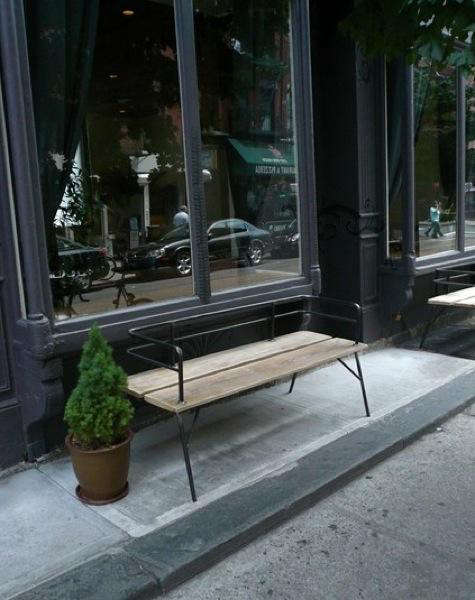
The Panka Indoor/Outdoor Bench is a handcrafted bench made from reclaimed barn wood and recycled steel pipes. Its design is simple but not plain: a wood seat rests on a curved metal pipe frame, creating a profile that feels sturdy, open, and slightly playful. The steel is not hidden. The wood is not disguised. The bench lets its materials do the talking, which is refreshing because furniture that talks too much usually comes with confusing assembly instructions.
One of the most appealing things about the Panka bench is that it was made to order, with custom sizing and finishes available depending on the project. A commonly referenced version measured about 60 inches long and 22 inches wide, making it suitable for a porch, hallway, garden wall, dining table, mudroom, or restaurant-style seating area. The design was originally inspired by outdoor metal gliders from the 1950s, and that influence gives the bench its relaxed, retro-industrial charm.
Why the Panka Bench Still Feels Relevant
Good furniture does not expire just because trends change. The Panka bench remains relevant because it answers several design needs at once: durability, sustainability, flexibility, and personality. It can live indoors or outdoors. It can serve as seating, a visual anchor, or a practical landing zone for bags, plants, shoes, towels, or the emotional baggage of guests who arrive too early.
The bench also reflects a larger shift in furniture design: people want pieces that feel less disposable. Instead of buying a lightweight bench that survives one summer and then retires dramatically to the curb, homeowners are increasingly drawn to durable materials, reclaimed wood, metal frames, and furniture that feels like it belongs to a real space rather than a showroom simulation.
Material Spotlight: Reclaimed Barn Wood
Reclaimed barn wood is one of the biggest reasons the Panka Indoor/Outdoor Bench has character. Unlike freshly milled boards that can look uniform and anonymous, reclaimed wood often carries marks from its previous use: nail holes, color variation, grain changes, weathering, and natural imperfections. These details are not defects. They are the furniture equivalent of laugh lines.
Using reclaimed wood also supports a more thoughtful approach to materials. Reusing existing wood can help reduce demand for newly harvested timber and keep useful material in circulation longer. In practical design terms, reclaimed barn wood gives the bench warmth, texture, and authenticity. It pairs beautifully with stone patios, brick walls, concrete floors, painted siding, leafy gardens, and modern interiors that need a little visual grit.
What Reclaimed Wood Adds to a Space
Reclaimed wood adds depth that new furniture often tries to imitate but rarely captures. A Panka bench placed near a front door instantly softens the space. In a dining area, it makes the room feel less formal and more communal. On a patio, it blends into the landscape instead of looking like a temporary prop. The wood brings warmth; the steel keeps things sharp. Together, they strike a balance between rustic and modern.
Material Spotlight: Recycled Steel Pipes
The steel pipe frame gives the Panka bench its industrial backbone. Recycled steel pipes, hand bent into shape, create the bench’s distinctive curved support. This is not the kind of frame that tries to disappear. It is part of the design language. The curved metal base gives the bench movement and keeps it from looking too heavy, even though the materials are substantial.
Steel is a smart material for indoor/outdoor furniture because it offers strength and stability. When properly finished and maintained, metal furniture can handle regular use, shifting weather, and busy households. In the Panka bench, the steel pipe frame contrasts with the reclaimed wood seat, creating a visual tension that feels intentional and stylish.
Indoor Uses for the Panka Bench
Although the Panka bench has outdoor-friendly DNA, it works beautifully indoors. In fact, one of its best qualities is that it refuses to be trapped in a single category. It can be patio furniture in June, entryway seating in November, and the most useful piece in the house during a dinner party when someone inevitably says, “Can we squeeze in one more person?”
Entryway Seating
In an entryway, the Panka bench offers a practical place to sit while putting on shoes. It also works as a drop zone for bags, baskets, folded scarves, or a tray for keys. The reclaimed wood adds warmth to what is often a neglected transition space, while the steel base keeps the look clean and architectural.
Dining Bench
Used with a dining table, the Panka bench creates a casual, restaurant-inspired feel. Because it has a simple backless form, it can slide under or near a table without visually crowding the room. Pair it with simple wood chairs, metal café chairs, or upholstered end chairs for a collected look that does not feel too matched.
Living Room Accent
In a living room, the bench can sit behind a sofa, beneath a window, or along a blank wall. Add a stack of art books, a ceramic bowl, or a pair of plants, and it becomes part seating, part display surface. The trick is to avoid overdecorating it. A bench with this much texture already has a point of view.
Outdoor Uses for the Panka Bench
Outdoors, the Panka Indoor/Outdoor Bench feels right at home. Its rugged materials make sense on a patio, porch, deck, garden path, or balcony. The industrial frame and reclaimed wood seat can complement both urban and country settings, which is not easy to do. Some benches look too precious for a garden. Others look like they were borrowed from a bus stop. The Panka bench lands comfortably in the middle.
Patio Seating
On a patio, the bench can work as flexible seating around a dining table, fire pit, or outdoor coffee table. It is especially useful in smaller spaces because a backless bench keeps sightlines open. That means your patio feels larger, and you get extra seating without creating a furniture traffic jam.
Garden Accent
In a garden, the Panka bench can become a destination point. Place it near a planted border, under a tree, or against a weathered wall. The wood and steel materials fit naturally among greenery, gravel, brick, and stone. Add a cushion if comfort is the priority, or leave it bare for a cleaner, sculptural look.
Covered Porch
A covered porch is one of the best places for this style of bench. It gets the outdoor mood without taking the full force of rain and sun every day. Add outdoor pillows in canvas, linen-look performance fabric, or striped cotton for a relaxed porch setup that feels considered but not fussy.
Design Style: Rustic, Industrial, and Surprisingly Versatile
The Panka bench belongs to several design families at once. It is rustic because of the reclaimed barn wood. It is industrial because of the steel pipe frame. It is vintage-inspired because of its connection to 1950s outdoor gliders. And it is modern because the overall silhouette is clean and simple.
This versatility makes it easy to style. In a farmhouse entryway, it looks natural with woven baskets and hooks. In a modern loft, it adds warmth to concrete floors and white walls. On a patio, it pairs with planters, lanterns, and outdoor rugs. In a restaurant or café, it brings authenticity and durability, two qualities that customers notice even when they cannot quite name them.
How to Style the Panka Indoor/Outdoor Bench
The key to styling the Panka bench is restraint. Let the materials breathe. The wood has grain, age, and texture; the steel has shape and strength. You do not need to bury the bench under twelve pillows and a throw blanket large enough to qualify as a weather event.
For a Minimal Patio
Pair the bench with a concrete planter, a black metal side table, and a neutral outdoor rug. Keep the palette simple: charcoal, warm brown, cream, and green. This allows the reclaimed wood to stand out without making the space feel busy.
For a Rustic Garden
Place the bench near gravel, climbing vines, terracotta pots, and soft outdoor lighting. The aged wood will look especially good with natural materials. A linen-look cushion in beige, olive, or faded blue can add comfort while staying true to the bench’s relaxed mood.
For an Entryway
Use the bench with wall hooks, a mirror, and a woven storage basket beneath or beside it. This setup is practical, attractive, and forgiving. Shoes can exist. Bags can land. Real life can happen without destroying the design.
Care and Maintenance Tips
Because the Panka bench uses wood and steel, care depends on placement and exposure. A bench kept indoors will need far less maintenance than one living outdoors through sun, rain, humidity, pollen, and the occasional bird with poor decision-making skills.
Cleaning the Wood
Use a soft cloth or brush to remove dust and debris. For deeper cleaning, use mild soap and water, then dry the surface thoroughly. Avoid harsh chemicals, pressure washing, or abrasive scrubbing, especially if the wood has a protective finish. Reclaimed wood can be durable, but it still deserves gentle handling.
Protecting the Steel
For the metal frame, wipe it with a damp soft cloth and mild soap when needed. Avoid abrasive cleaners that can scratch the finish and expose the metal underneath. If the bench is placed outside, inspect the frame occasionally for chips, rust spots, or worn areas. Small issues are easier to fix early than after they have auditioned for a home renovation disaster show.
Outdoor Placement
If possible, place the bench in a covered or partially protected area. This helps extend the life of both the wood and metal. During harsh weather, consider using a breathable cover or moving the bench under shelter. Good outdoor furniture can handle the elements, but even tough furniture appreciates a little common sense.
Why This Bench Works for Small Spaces
Backless benches are underrated heroes in small-space design. They provide seating without blocking views, and they can often be tucked against a wall, beneath a window, or along a table. The Panka bench is especially useful because its open steel frame keeps it from feeling visually bulky.
On a balcony, it can provide seating for two while doubling as a plant stand. In a narrow hallway, it offers function without crowding the walkway. In a compact dining area, it can replace two or three chairs and make the room feel more casual. Small spaces need furniture that earns its footprint, and this bench works hard without looking like it is trying too hard.
Who Should Consider the Panka Bench?
The Panka Indoor/Outdoor Bench is ideal for people who appreciate handcrafted furniture, reclaimed materials, and flexible design. It is a strong choice for homeowners who want something more characterful than mass-market outdoor seating. It also suits designers, restaurant owners, boutique hotel spaces, creative studios, and anyone who likes furniture with a story.
It may not be the best fit for someone who wants plush, cushioned lounge seating or ultra-lightweight foldable furniture. This bench is more about structure, durability, and style than sink-in softness. Add cushions if comfort is a priority, but the core appeal is its honest construction and distinctive material mix.
Buying Considerations
Before buying a bench like the Panka, consider where it will live, how often it will be used, and whether you need custom dimensions. A 60-inch bench can seat two to three people depending on comfort expectations and personal-space philosophy. For a dining table, check seat height and table clearance. For an entryway, measure the wall and allow room for foot traffic.
Also consider finish. Outdoor use may require more protective treatment than indoor use. If the bench will sit in direct sun or heavy rain, ask about the wood finish, metal coating, and maintenance recommendations. A good bench should not be treated like a museum object, but it should be cared for properly if you want it to age gracefully.
Experience Notes: Living With a Bench Like the Panka
A bench like the Panka changes how a space behaves. That may sound dramatic for a piece of furniture, but it is true. Chairs define individual seats. A bench invites sharing, shifting, stacking, leaning, dropping things, and making room. In an entryway, it becomes the place where the day begins and ends. Shoes go on there. Groceries pause there. A backpack lands there with the confidence of a small meteor. The bench quietly absorbs the rhythm of the house.
Outdoors, the experience is even more noticeable. A Panka-style bench on a patio does not demand a formal seating arrangement. It can face the garden one day and pull up to a table the next. During a casual gathering, it becomes the flexible seat everyone uses without thinking. One person sits with coffee in the morning. Two people share it during dinner. Later, it holds a tray of drinks, a folded blanket, or a collection of potted herbs that were definitely supposed to be planted last weekend.
The reclaimed wood makes the bench feel forgiving. New, glossy furniture can make every scratch feel like a crime scene. Reclaimed wood is different. It already has texture, variation, and history, so daily life adds to the character rather than ruining the mood. That does not mean neglect is a good plan. It means the bench is not precious in the annoying way. It can be used, moved, touched, and enjoyed.
The steel frame adds confidence. When a bench has a strong metal base, people trust it. Nobody approaches it with the cautious side-eye reserved for flimsy folding chairs. The curved pipe form also gives the piece a little personality. It is industrial, but not cold. It feels handmade, but not rough. That balance is what makes the design memorable.
In a real home, the Panka bench works best when it is not overstyled. A single cushion, a folded throw, or one planter nearby is usually enough. Let the wood show. Let the metal frame do its sculptural work. The bench already brings texture, sustainability, and practical seating. Piling too much on top is like putting sunglasses on a chandelier: technically possible, but unnecessary.
The best experience comes from using the bench in a spot that benefits from flexibility. A covered porch, mudroom, dining nook, garden wall, or compact patio are all excellent candidates. Over time, the bench becomes less of a decorative object and more of a dependable part of the home. It is where people sit, pause, talk, tie shoes, sip coffee, and occasionally place a package “just for a minute” that stays there for three days. That is not a flaw. That is furniture doing its job.
Final Thoughts on the Panka Indoor/Outdoor Bench
The Panka Indoor/Outdoor Bench proves that practical furniture can still have personality. With reclaimed barn wood, recycled steel pipe, and a vintage-inspired silhouette, it offers a mix of sustainability, durability, and visual character that works in many spaces. It is rustic without being heavy, industrial without being harsh, and flexible without being boring.
For anyone looking for an indoor outdoor bench that feels handcrafted, useful, and memorable, the Panka bench is a strong example of how simple materials can become something special. It is not just a place to sit. It is a small design statement with muddy boots, good manners, and excellent posture.