Editor’s note: This original article discusses the themes, cooking approach, and published recipe examples associated with French at Heart: Recipes That Bring France Home. For complete ingredient lists, measurements, and tested instructions, consult the official cookbook.
There are cookbooks that tell you what to make for dinner, and then there are cookbooks that make you wonder whether your kitchen deserves a linen tablecloth, a tiny vase of flowers, and a far less alarming relationship with butter. French at Heart, by Marjorie Taylor and Kendall Smith Franchini, belongs firmly in the second category.
Created by the American mother-daughter team behind The Cook’s Atelier in Beaune, Burgundy, this cookbook is more than a glossy parade of French recipes. It is a practical invitation to cook with more attention, eat with more pleasure, and stop treating Tuesday night pasta like a hostage negotiation. The authors built their cooking school around the regional ingredients, market culture, and daily rhythms of Burgundy, then translated those lessons for home cooks everywhere.
The result is a French-inspired cookbook filled with approachable dishes, entertaining ideas, pantry wisdom, seasonal cooking guidance, and reminders that a meal can be simple without being forgettable. You do not need a stone farmhouse, a vineyard view, or a French grandmother who quietly judges your knife skills. You only need decent ingredients, a little curiosity, and enough patience to let onions become gloriously golden instead of merely “sort of beige.”
What Is the French at Heart Cookbook About?
French at Heart: Recipes That Bring France Home is the second cookbook from Marjorie Taylor and Kendall Smith Franchini, the cofounders of The Cook’s Atelier, a cooking school, culinary boutique, and wine destination in Beaune, France. Their school has welcomed travelers who want to understand French cooking beyond the usual stereotypes of fussy sauces, impossible pastries, and chefs shouting “Oui!” while wielding a copper pan.
The book centers on a more welcoming idea: French cooking is not necessarily complicated; it is often thoughtful. It begins with good produce, proper seasoning, seasonal ingredients, and techniques that reward attention. A ripe tomato needs very little help. A roast chicken becomes memorable when it is cooked carefully and served with confidence. A simple radish can feel luxurious when paired with excellent butter and flaky salt. That is not culinary snobbery. That is a vegetable finally getting the respect it deserves.
With more than 100 recipes, French at Heart moves between classic French comfort food and modern, flexible dishes that fit real home kitchens. Readers can expect familiar favorites such as salade Niçoise, French onion soup, gratin dauphinois, roast lamb, duck confit, and tarte Tatin. The collection also makes room for unexpected combinations, including dishes that borrow from the authors’ American background and global pantry.
The cookbook’s larger message is that being “French at heart” has less to do with geography than with mindset. It means noticing the ordinary pleasures of cooking and gathering: buying herbs that smell alive, setting the table even when nobody is coming over, sharing a wedge of cheese without making it look like a corporate catering tray, and allowing dinner to be a pause rather than another task to conquer.
The Burgundy Cooking School Behind the Book
The story of French at Heart begins in Beaune, a historic town in Burgundy known for wine, markets, local producers, and a food culture that takes lunch seriously enough to deserve its own national anthem. Marjorie Taylor and Kendall Smith Franchini left Arizona and created The Cook’s Atelier in Burgundy in 2008, building a family-centered business around cooking classes, local ingredients, market visits, wine, and communal meals.
That background matters because the book does not feel like a distant fantasy of France filtered through a travel brochure. It comes from years of cooking with students, shopping from regional producers, working with seasonal ingredients, and feeding people around a shared table. The authors understand the questions home cooks actually ask: What should I buy at the market? Which pan do I really need? How do I make a simple dinner feel generous? Can a cheese board count as a meal? The answer to that last question is clearly yes, provided there is bread and nobody starts measuring the brie with a ruler.
A Seasonal Approach Without the Sermon
One of the strongest ideas in the book is seasonal cooking. That does not mean you must grow heritage carrots under a full moon or reject every ingredient that arrives in a plastic clamshell. It means starting with what looks best now and allowing that ingredient to guide the meal.
In spring, this might mean radishes, asparagus, peas, tender herbs, eggs, and goat cheese. Summer naturally points toward tomatoes, stone fruit, zucchini, berries, and grilled meats. Autumn welcomes mushrooms, squash, apples, grapes, and slow-roasted dishes. Winter leans into braises, soups, gratins, baked desserts, and all the cheese that makes cold weather seem like a strategic lifestyle choice.
The French at Heart cookbook encourages cooks to build meals around those seasonal cues. Instead of deciding that every dinner needs ten components and a garnish requiring a degree in architecture, it favors sensible combinations: roasted vegetables with a sharp vinaigrette, a chicken dish with herbs and pan juices, a composed salad that doubles as dinner, or a fruit dessert that lets nature do most of the heavy lifting.
French at Heart Recipes: Classic Dishes with a Modern Point of View
The recipes in French at Heart are rooted in French culinary tradition, but they are not trapped inside a museum display case. The authors balance recognizable classics with livelier ideas that make the book feel useful for contemporary cooks.
French Comfort Food That Feels Reachable
Readers looking for traditional French recipes will find plenty to love. French onion soup appears with its deeply caramelized onions, savory broth, toasted bread, and molten cheese capthe culinary equivalent of wearing a wool sweater beside a fireplace. Gratin dauphinois delivers the timeless charm of thinly sliced potatoes baked in cream until they become soft, rich, and suspiciously capable of stealing attention from the main course.
Salade Niçoise offers another lesson in relaxed French cooking. It is not merely “salad” in the sad desk-lunch sense. It is a composed plate of ingredients with texture, color, protein, acidity, and enough personality to make a sandwich reconsider its career choices. Tarte Tatin brings the same philosophy to dessert: fruit, caramel, pastry, and a dramatic flip that may briefly test your faith in gravity.
Modern French-Inspired Ideas for Everyday Cooks
The book also explores more contemporary recipes, including tataki-style beef tenderloin and duck confit tostadas. These dishes show that French cooking can be open-minded rather than rigid. A Burgundy cooking school may honor local tradition, but a home cook does not need to treat the kitchen as a historical reenactment.
This modern touch is useful because it gives readers permission to adapt. A recipe may inspire a different protein, a regional vegetable, or a pantry substitution based on what is available. The goal is not to produce a museum-perfect plate. The goal is to understand the balance behind the dish: rich elements need brightness, crisp textures benefit from creamy ones, herbs wake up heavier foods, and salt should be invited to dinner before the final five seconds.
Small Details That Make Food Feel Special
Some of the most appealing lessons from the French at Heart cookbook are not tied to any single recipe. They are the small choices that make a meal feel considered: buying good butter, keeping a few useful mustards on hand, using fresh herbs generously, serving vegetables on a platter rather than leaving them in the pan, and putting a proper knife beside a ripe piece of cheese.
The cookbook also celebrates a French-inspired pantry. Think olive oil, vinegar, Dijon mustard, preserved items, anchovies, good salt, dried beans, quality chocolate, wine for cooking, and simple staples that help dinner happen without panic. This is not about owning 47 jars of mysterious condiments. It is about keeping a modest collection of ingredients that can become vinaigrettes, sauces, roasts, soups, salads, and last-minute snacks with very little drama.
Why French at Heart Stands Out Among French Cookbooks
French cookbooks often fall into one of two camps. Some are beautiful but intimidating, filled with dishes that require obscure equipment and a willingness to spend Sunday morning chasing veal stock. Others simplify French food until it becomes little more than chicken with a suspiciously French name.
French at Heart lands in a more appealing middle ground. It respects technique without turning dinner into a final exam. It values quality ingredients without pretending that everyone lives beside a famous market. It encourages beauty, but not perfection. A slightly uneven tart can still taste fantastic. A dinner table does not need to resemble a magazine shoot. And a family meal can be memorable even if someone shows up wearing sweatpants and asking whether there is more bread.
The mother-daughter perspective gives the book warmth. It is grounded in a shared life rather than a single chef’s grand performance. The recipes and stories feel connected to hospitality, family rituals, teaching, and everyday pleasures. That makes the book especially appealing for readers who enjoy cookbooks as lifestyle guides as much as recipe collections.
How to Cook from French at Heart in an American Kitchen
The charm of French at Heart is that it does not demand a one-way ticket to Burgundy. Home cooks can use the book’s philosophy anywhere, from a city apartment to a suburban kitchen where the “garden” is one heroic basil plant trying its best.
Start with One Technique, Not a Whole French Makeover
Choose one habit to practice. Learn how to make a vinaigrette you enjoy. Roast chicken until the skin is crisp and the meat rests before carving. Caramelize onions slowly. Make a fruit tart. Cook potatoes in cream without apologizing to your nutrition app every twelve seconds.
French cooking becomes more manageable when broken into repeatable skills. A strong vinaigrette can improve roasted vegetables, greens, lentils, grain salads, and sandwiches. A good pan sauce can turn simple meat or fish into something dinner guests discuss with more enthusiasm than your new furniture.
Shop Like a Cook, Not Like You Are Preparing for a Blizzard
The book’s Burgundy-inspired approach encourages thoughtful shopping rather than overbuying. Pick a few beautiful ingredients and build around them. If the tomatoes are excellent, make tomatoes the star. If the fish counter has something fresh, let that decide dinner. If the peaches smell like summer and childhood and poor impulse control, buy the peaches.
This approach can reduce waste and improve flavor. It also makes cooking more fun because the meal develops from what is available instead of what was imagined weeks ago in a color-coded meal plan that now feels emotionally distant.
Make the Table Part of the Meal
A key French at Heart lesson is that hospitality is not reserved for holidays. A cloth napkin, a candle, a bowl of fruit, or a few herbs in a glass can shift the mood of an ordinary meal. These gestures are not frivolous. They create a moment of care.
The table does not need perfection. It needs intention. Put the salad in a serving bowl. Slice the bread. Pour water into a pitcher. Sit down before the food turns cold. The world may still be noisy after dinner, but at least for thirty minutes, you have created a small, edible ceasefire.
Who Will Enjoy the French at Heart Cookbook?
This cookbook is an excellent fit for Francophiles, home cooks who love French comfort food, fans of seasonal recipes, and readers who enjoy books that combine food with travel, design, gardening, and entertaining. It also works well for cooks who want to become more confident without being buried under restaurant-level complexity.
Beginners will appreciate the approachable spirit and practical guidance. More experienced cooks may enjoy the fresh perspective on classic dishes, the entertaining ideas, and the reminder that cooking well often comes down to restraint. The best meals do not always need more components. Sometimes they need better tomatoes, better seasoning, and fewer people hovering around the stove asking whether it is ready yet.
A French at Heart Cooking Experience: Bringing Burgundy Home
Cooking from a book like French at Heart is less about recreating Burgundy exactly and more about borrowing its rhythm. Imagine starting a Saturday morning without a rushed checklist. You visit a farmers’ market, grocery store, or neighborhood produce stand with only a loose plan. You notice glossy radishes, a bunch of fragrant herbs, eggs with bright yolks, a crusty loaf of bread, and strawberries that actually smell like strawberries. Suddenly, lunch begins to assemble itself.
At home, the cooking is deliberately unhurried. Radishes are washed and arranged on a plate with softened butter and salt. A simple salad is dressed at the last moment. Potatoes roast in the oven while chicken sizzles in a pan. The kitchen fills with the scent of thyme, garlic, butter, and the subtle confidence of someone who has finally stopped opening the refrigerator every three minutes in search of a better idea.
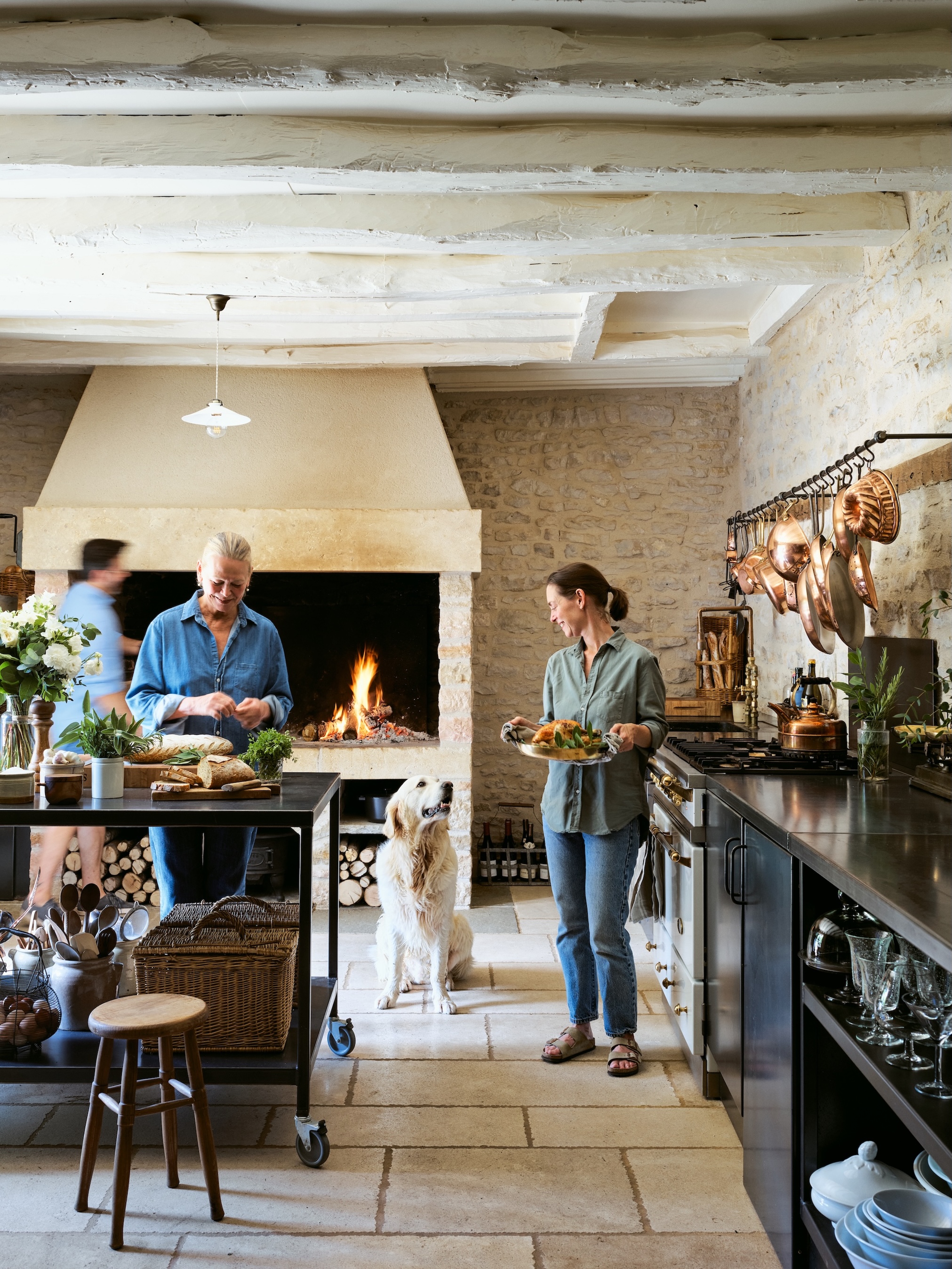
The experience becomes richer because the food is not treated as background noise. The bread is sliced and placed in a basket. The water is poured. A few flowers or branches go into a jar. The table is set before the meal is finished, which is a tiny miracle in most homes. There may be mismatched plates, a wine bottle with only one glass left in it, and a dog sitting nearby with the focused expression of a food critic. None of that ruins the moment. It makes it real.
Then comes the most important part: sitting down. The French at Heart approach encourages people to let the meal take up space in the day. A lunch can last longer than fifteen minutes. A dinner can include conversation that has nothing to do with schedules, screens, or whether someone remembered to switch the laundry. Food becomes a reason to gather, not simply fuel delivered between obligations.
That mindset can be practiced anywhere. A small apartment kitchen can host a beautiful cheese board. A weeknight soup can feel special with good bread and a proper bowl. A backyard dinner can become memorable with grilled fruit, a simple salad, and candles that keep blowing out in the breeze. Burgundy may be far away, but the ritual is portable.
The lasting lesson is that French-inspired cooking is not about performing sophistication. It is about paying attention. Taste the vinaigrette. Buy the best fruit you can afford. Cook for people you love, including yourself. Use the nice plates occasionally. And remember that even a humble potato can become extraordinary when given cream, time, and a little respect.
Final Thoughts on French at Heart
French at Heart is a cookbook for people who want more than recipes. It offers a way of thinking about food that is generous, seasonal, practical, and quietly joyful. Marjorie Taylor and Kendall Smith Franchini bring the spirit of their Burgundy cooking school into the home kitchen through French classics, modern variations, ingredient-driven meals, and a strong belief that everyday rituals are worth protecting.
Its most valuable message may be the simplest: good cooking does not require perfection. It requires care. Whether you are preparing French onion soup for friends, making a quick salad for lunch, or turning an ordinary Tuesday into a slightly better Tuesday with a fruit tart, the French at Heart cookbook provides plenty of inspiration to make the table feel like a place worth returning to.