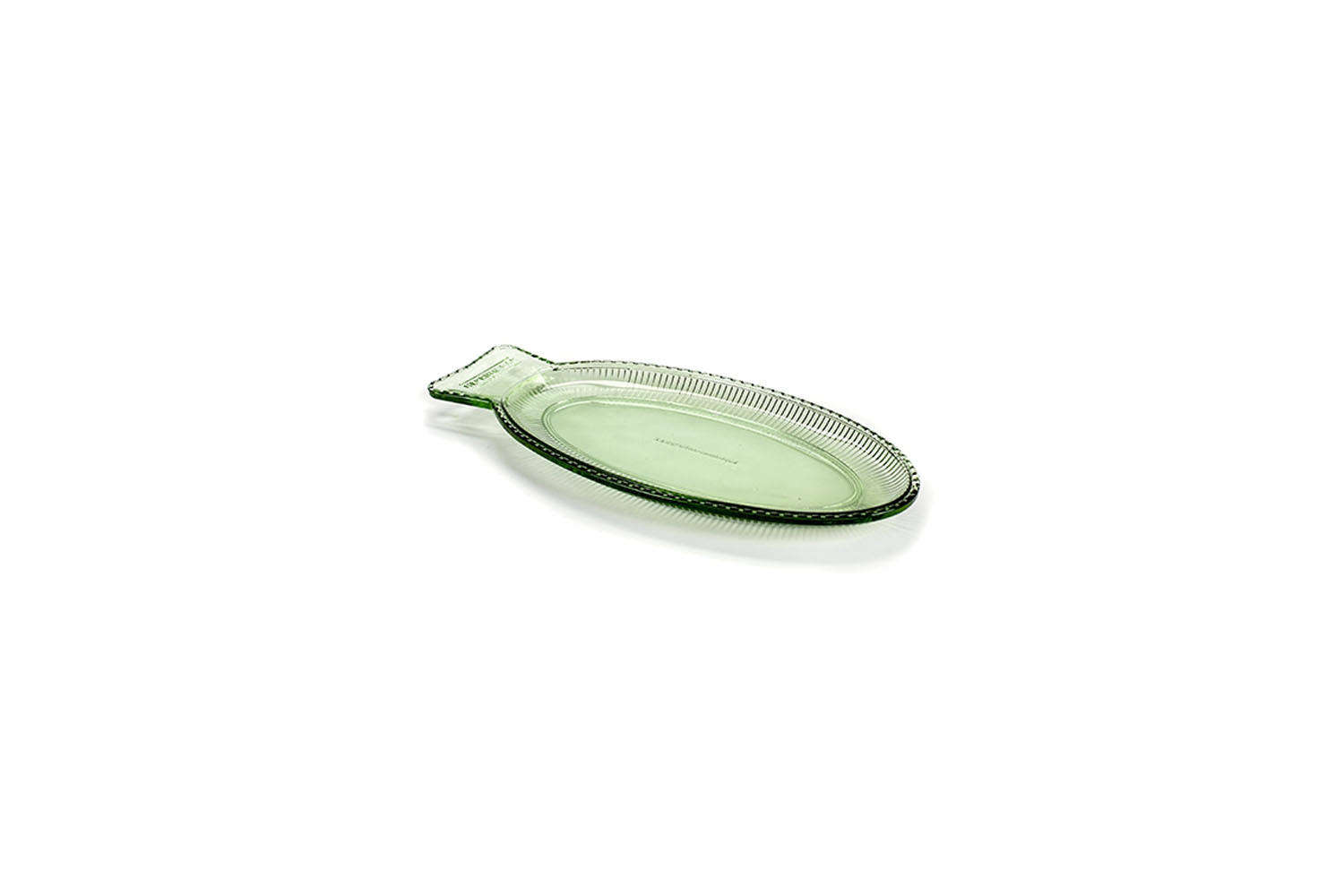
A fish dish flat transparent green may sound like a mysterious phrase typed into a search bar at 1:17 a.m., but it describes a surprisingly charming piece of serveware: a flat, fish-shaped or fish-themed dish made from transparent green glass. It can be vintage, modern, decorative, practical, or all of the above. And yes, it can make even a humble shrimp cocktail look like it hired a publicist.
Transparent green glass dishes have a special place in American kitchens and dining rooms because they combine function with nostalgia. The color hints at sea glass, jadeite, Depression glass, coastal décor, and old-fashioned entertaining. When shaped like a fish or used for seafood, the dish becomes more than a plate. It becomes a tiny stage for lemon wedges, oysters, grilled fish, sushi, smoked salmon, crackers, dips, fruit, candy, or whatever snack deserves a dramatic entrance.
This guide explores what a flat transparent green fish dish is, why people love it, how to use it safely, how to style it, and what to look for when buying one. Whether you collect vintage glassware, host seafood dinners, decorate a beach house, or simply enjoy objects that make the table feel less boring than a tax form, this dish has plenty to offer.
What Is a Fish Dish Flat Transparent Green?
A fish dish flat transparent green is usually a shallow serving plate, tray, or platter made from green-tinted glass. It may be shaped like a fish, embossed with scales or fins, or simply intended for serving fish and seafood. The “flat” design makes it ideal for presentation rather than deep serving. Think oysters on crushed ice, sliced lemons, smoked fish, sushi rolls, deviled eggs, cucumber bites, or a neat row of crackers with dip.
The transparent green color is the star. Unlike opaque jadeite, transparent green glass lets light pass through it, creating a watery, jewel-like glow. On a bright table, it can look like a tide pool. Under warm evening lighting, it feels vintage and elegant. In a cabinet, it adds color without shouting, “I am the main character,” although it secretly is.
Why Green Glass Works So Well for Fish and Seafood
Seafood presentation benefits from color contrast. White fish, pink shrimp, orange salmon, pale scallops, and bright lemon wedges all stand out beautifully against green glass. The color feels fresh, coastal, and clean. It also suggests herbs, citrus, cucumber, seaweed, and the ocean without needing tiny seashells scattered around the table like a beach-themed craft emergency.
Flat glass platters are also practical. They give guests a clear view of the food, keep portions accessible, and avoid the awkward digging that happens with deep bowls. For seafood trays, a single-level layout is often easier to serve than tall arrangements. A flat dish lets people see what they are choosing, grab it neatly, and return to conversation instead of performing a balancing act with tongs.
A Brief Look at Green Glassware History
Green glassware has a strong connection to American table history. During the late 1920s and 1930s, colorful pressed glass became popular because it was affordable, decorative, and widely available. Many pieces were produced in translucent colors, including green, pink, amber, blue, and clear. These dishes were often used for everyday meals, promotions, and home entertaining.
Collectors often associate green transparent glass with Depression glass, although not every green glass dish is true Depression glass. Some pieces are mid-century, some are reproduction items, and some are modern decorative serveware inspired by vintage forms. The key point is that green glass has long been linked with cheerful, accessible beauty. It brought color to tables when budgets were tight, and it still does the same todayonly now it may be photographed next to sourdough, oysters, or a suspiciously perfect brunch spread.
Common Styles of Flat Transparent Green Fish Dishes
Fish-Shaped Glass Platters
The most literal version is a platter shaped like a fish, complete with a pointed tail, rounded body, fin details, and sometimes textured scales. These pieces are popular for serving seafood because the design matches the theme without requiring explanation. Place shrimp, lemon slices, tartar sauce, or smoked trout on it, and the table instantly understands the assignment.
Embossed or Textured Fish Dishes
Some dishes are not fully fish-shaped but include raised details such as scales, waves, bubbles, or fins. Texture adds sparkle because glass catches light along every ridge. It also helps disguise tiny water spots, which is helpful if your dishwasher believes “rinse aid” is a philosophical concept rather than a product.
Oval and Rectangular Green Glass Serving Plates
Not every fish dish needs to look like a fish. A flat oval or rectangular transparent green glass dish can still serve fish beautifully. These styles are often easier to stack, store, and pair with other dinnerware. They also feel more versatile, moving from seafood night to salad, dessert, appetizers, or holiday snacks without looking out of place.
Vintage-Inspired Decorative Dishes
Many modern pieces borrow the charm of vintage glass but are made for current households. These may include cleaner lines, dishwasher-safe claims, or updated shapes. When buying new, check manufacturer instructions carefully. “Glass” does not automatically mean oven-safe, microwave-safe, or suitable for sudden temperature changes.
Best Uses for a Flat Transparent Green Fish Dish
A fish dish flat transparent green is more flexible than its name suggests. It works beautifully for seafood, but it can also serve many other foods and decorative purposes.
Seafood Appetizers
Use it for shrimp cocktail, smoked salmon, crab cakes, oysters, sardines, anchovy toast, ceviche cups, or mini fish tacos. Add lemon wedges and small ramekins of sauce to create a polished presentation. If serving chilled seafood, keep food cold and avoid leaving it out too long, especially during warm weather.
Whole Fish Presentation
A flat fish-shaped dish is perfect for presenting a cooked whole fish. The visual echo is delightful: fish on fish. Choose a platter that is longer than the fish, with room for herbs, citrus, and sauce. For grilled branzino, trout, snapper, or mackerel, the green glass can make the dish feel restaurant-level with almost no extra work.
Sushi and Sashimi
Transparent green glass pairs well with sushi because the color complements seaweed, cucumber, wasabi, and pickled ginger. A flat platter lets rolls and sashimi slices sit neatly in rows. Keep raw fish properly chilled and buy from reputable sources if serving it at home.
Cheese, Crackers, and Small Bites
Despite the fish theme, this dish does not have to be loyal only to seafood. Use it for soft cheeses, crackers, grapes, olives, nuts, tea sandwiches, or canapés. The green glass adds color to neutral foods and looks especially good with white cheese, dark olives, red grapes, and golden crackers.
Decorative Display
When not in use, display the dish on open shelving, in a glass cabinet, or on a sideboard. It can hold wrapped candies, shells, polished stones, keys, or seasonal décor. A transparent green fish dish looks especially natural in coastal, cottage, vintage, eclectic, and farmhouse interiors.
How to Choose the Right Fish Dish Flat Transparent Green
Check the Size
Before buying, think about how you will use the dish. A small plate may work for lemon wedges or appetizers, while a large platter is better for whole fish or seafood spreads. For entertaining, a dish between 12 and 18 inches long is often more practical than a tiny decorative plate.
Inspect the Glass
Look for chips, cracks, sharp edges, cloudiness, or heavy scratches. Vintage glass may have small bubbles or mold marks, which can be normal, but cracks are a concern. A dish used for food should be smooth, stable, and easy to clean.
Confirm Food Safety
If the dish is new, read the product description or manufacturer care instructions. If it is vintage or antique, be more cautious. Older glass and decorated dinnerware can sometimes contain materials that are not ideal for regular food use, especially if there are painted details, metallic trim, or unknown glazes. When in doubt, use questionable vintage pieces for display rather than serving acidic, hot, or wet foods.
Consider Weight and Stability
A flat fish dish should sit evenly on the table. If it rocks, wobbles, or feels too delicate, it may be better as décor. Heavier pressed glass can feel sturdy, but weight alone does not guarantee safety or quality. Always inspect the base and rim.
Think About Color Tone
Transparent green glass ranges from pale seafoam to emerald. Pale green feels soft and coastal. Darker green feels richer and more dramatic. Olive green can look mid-century or rustic. Bright green can feel playful and retro. Choose the tone that matches your tableware and the mood you want.
How to Style a Transparent Green Fish Dish
Styling this dish is easy because the glass already does much of the work. Still, a few choices can make it look intentional instead of “I found this in the cabinet and hoped for the best.”
Use White or Natural Linens
White linen, cream napkins, or natural woven placemats help green glass stand out. The contrast creates a clean, fresh look. For a coastal table, add simple blue accents. For a vintage table, pair it with silver flatware, etched glass, or floral plates.
Add Citrus and Herbs
Lemon slices, lime wedges, dill, parsley, fennel fronds, and chives all look beautiful against green glass. They also connect visually with fish and seafood. A few herbs can make store-bought shrimp look like you planned dinner with impressive confidence.
Keep the Arrangement Low
Because the dish is flat, let the food stay low and visible. Avoid piling too much in the center. Spread items in gentle lines or clusters. Leave some glass showing around the edges so the transparent green color remains part of the presentation.
Mix Old and New Pieces
A vintage green glass dish looks wonderful with modern white plates, wooden boards, stainless flatware, or simple ceramic bowls. Mixing eras keeps the table from looking like a museum display. Unless museum display is your goal, in which case, please label the cheese cubes by century.
Care and Cleaning Tips
Glass can be durable, but vintage or decorative glass deserves gentle treatment. Hand-washing is usually the safest choice, especially for older pieces, textured surfaces, or dishes with unknown care instructions. Use warm water, mild dish soap, and a soft sponge. Avoid abrasive pads that can scratch the surface.
Dry the dish immediately with a lint-free towel to prevent water spots. If the glass becomes cloudy from mineral buildup, a short soak with diluted white vinegar may help. However, avoid long soaks for fragile vintage pieces or dishes with painted decoration.
Do not expose ordinary glass serveware to sudden temperature changes. A cold glass dish should not receive very hot food straight from the oven, and a warm dish should not be placed into cold water. Thermal shock can crack glass, and nobody wants the dramatic sound of a platter splitting during dinner.
Safety Tips for Serving Fish and Seafood
When using a fish dish flat transparent green for seafood, presentation should never outrank safety. Buy seafood from reliable sellers, keep it chilled, and serve it promptly. Fresh fish should smell mild, not sour or ammonia-like. Shellfish should be handled carefully, and any cracked or questionable shells should be discarded.
For cooked fish and shellfish, proper temperature matters. Fish should be cooked until it is opaque and flakes easily. Shrimp, scallops, crab, and lobster should become firm. If using the platter for cold seafood, place it over ice or serve smaller portions in rounds so food stays fresh.
Also remember that glass is not a cutting board. Do not fillet fish directly on the dish or use sharp knives aggressively on the surface. Plate the food after prep is complete. Your dish will last longer, and your knife will not silently judge you.
Is It Better as Serveware or Décor?
The answer depends on the piece. A modern transparent green glass dish labeled food-safe can be used confidently for serving, as long as you follow the care instructions. A vintage dish in excellent condition may also be usable for occasional serving, especially dry foods like crackers or wrapped candies.
However, if the dish has metallic paint, unknown decoration, cracks, chips, or heavy wear, decorative use is the wiser choice. Display it on a shelf, hang it on a wall, or use it as a catchall for non-food items. Beauty does not have to be edible to be useful.
Buying Tips for Collectors and Home Decor Lovers
When shopping for a fish dish flat transparent green, search with several phrases: “green glass fish platter,” “transparent green fish dish,” “vintage glass fish plate,” “pressed glass fish tray,” and “sea glass serving platter.” Online marketplaces often use inconsistent descriptions, so flexible searching helps.
Ask sellers for measurements, condition details, and clear photos of the rim, base, and surface. If the piece is described as vintage, ask whether there are chips, flea bites, cracks, repairs, or utensil marks. For collectible glass, condition matters. A tiny chip may not bother a casual buyer, but it can affect value.
Do not assume every green dish is rare. Some are common and affordable; others may be collectible because of age, pattern, maker, or condition. Buy what you love and can use. The best piece is not always the rarest one. Sometimes it is the dish that makes your table look fantastic and your guests ask, “Where did you find that?”
Experience Section: Living With a Fish Dish Flat Transparent Green
The first thing you notice about a flat transparent green fish dish is that it changes personality depending on the light. In morning sun, it can look bright and beachy, almost like a piece of sea glass that grew up and got a serving job. At dinner, under warmer lighting, it turns richer and more nostalgic. It has that old-kitchen charm that makes people imagine family recipes, summer seafood, and cabinets full of stories.
Using one for seafood is genuinely satisfying. Shrimp look brighter, lemon wedges look sharper, and even a simple smoked fish spread feels more intentional. The dish gives the table a theme without requiring matching napkins, anchor-shaped napkin rings, or a centerpiece involving sand. It says “coastal” quietly, which is usually better than saying it with a decorative lighthouse.
One of the best experiences is serving a whole fish on it. A roasted trout or branzino placed on a green fish-shaped platter feels playful but still elegant. Add dill, parsley, thin lemon slices, olive oil, and flaky salt, and the presentation looks far more expensive than the effort required. Guests tend to respond to shaped serveware because it feels personal. It turns a meal into a small event.
The dish also works well outside seafood. I have seen transparent green fish platters used for cucumber sandwiches, fruit slices, butter cookies, olives, and even jewelry on a bedroom dresser. That flexibility is part of the appeal. A very specific-looking object can become surprisingly useful when the color is attractive and the shape is simple enough.
There are practical lessons, too. Flat glass dishes need careful storage. If stacked carelessly, the tail or rim may chip. A felt pad, cloth napkin, or shelf liner helps protect it. Hand-washing is worth the extra minute, especially with vintage pieces. The dishwasher may be convenient, but it can also be a tiny thunderstorm with detergent. Delicate glass deserves a calmer life.
Another experience: people notice it. A transparent green fish dish is not invisible tableware. It invites comments because it is unusual without being bizarre. It is charming, a little retro, and easy to understand. Even guests who do not care about glassware may ask about it, especially if it holds something delicious. Food is always the best public relations team for a dish.
If you enjoy collecting, the hunt can be half the fun. Thrift shops, estate sales, antique malls, and online listings all reveal different versions. Some dishes are pale green and delicate; others are thick, textured, and bold. Some look like 1930s pressed glass, while others feel mid-century or contemporary. The phrase “fish dish flat transparent green” may be awkward, but the object itself has a clear personality: practical, decorative, nostalgic, and just quirky enough to be memorable.
In everyday use, this dish teaches a simple design lesson: small details make meals feel special. You do not need a full tablescape or a professional chef’s budget. Sometimes one colorful platter is enough. Put good food on it, add citrus, keep it clean, and let the glass catch the light. Dinner immediately feels more thoughtful. And if someone compliments it, you can smile modestly while pretending you did not spend twenty minutes arranging shrimp tails in a perfect curve.
Conclusion
A fish dish flat transparent green is more than a niche piece of glassware. It is a practical serving dish, a decorative accent, a vintage-inspired collectible, and a table conversation starter. Its flat shape makes food easy to arrange, while the transparent green glass adds color, light, and coastal charm. Whether you use it for seafood, appetizers, sushi, fruit, or display, it brings personality to the table without working too hard.
Choose a dish in good condition, confirm food safety when possible, treat vintage glass gently, and style it with simple ingredients like citrus, herbs, and clean linens. The result is elegant but approachablethe kind of serveware that makes dinner feel special even when the recipe is simple. In a world full of plain plates, a green glass fish dish swims happily against the current.