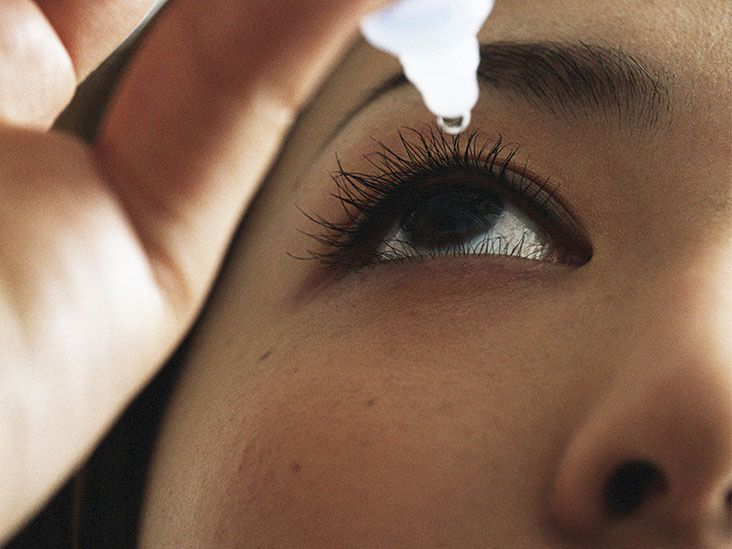
Itchy eyes can turn an ordinary afternoon into a determined campaign not to rub your face like a sleepy cartoon bear. Pollen, pet dander, dust, dry air, contact lenses, eyelid inflammation, and infections can all make the eyes uncomfortable, but they do not all respond to the same bottle of drops.
The best eye drops for itchy eyes depend on what is causing the itch. Artificial tears may soothe dryness or wash away allergens. Antihistamine drops target allergy symptoms. Dual-action allergy drops provide both quick relief and longer-lasting prevention. Prescription anti-inflammatory drops may be needed for severe cases. Meanwhile, routine “get the red out” drops can sometimes make matters worse when used too often.
This guide explains the major options, how to match them to your symptoms, how to use eye drops safely, and when an itchy eye deserves professional attention instead of another trip down the pharmacy aisle.
Why Are Your Eyes Itchy?
Eye itching is a symptom, not a diagnosis. Allergic conjunctivitis is one of the most common causes, especially when both eyes are itchy, watery, mildly swollen, and exposed to triggers such as pollen, mold, dust mites, or animals. Sneezing and a runny nose often join the party. Allergic conjunctivitis is not contagious.
However, allergies are not the only possibility. Dry eye may cause itching, burning, fluctuating vision, grittiness, or the feeling that a tiny piece of sand has rented an apartment beneath your eyelid. Blepharitis may produce itchy eyelids, crusting around the eyelashes, and irritation along the lid margins. Viral or bacterial conjunctivitis may cause redness, discharge, tearing, or eyelids that stick together. Contact-lens problems can also cause irritation and occasionally a serious corneal infection.
Clues that suggest an eye allergy
- Both eyes are affected.
- Itching is the dominant symptom.
- The discharge is watery rather than thick or pus-like.
- Symptoms appear around pollen, pets, dust, mold, or seasonal changes.
- You also have sneezing, nasal congestion, or an itchy nose.
Clues that suggest another cause
- Only one eye is severely affected.
- You have significant pain, light sensitivity, or reduced vision.
- There is thick yellow or green discharge.
- Your eyelashes are crusted every morning.
- The symptoms began while wearing contact lenses.
- You recently had an eye injury, chemical exposure, or surgery.
Artificial Tears and Lubricating Eye Drops
Artificial tears are usually the simplest place to start when the cause is uncertain and symptoms are mild. They add moisture, reduce friction, dilute inflammatory substances, and help wash pollen or other allergens from the eye’s surface. They can be useful for dry eye, minor environmental irritation, and mild allergic symptoms.
Look for products labeled “lubricating eye drops” or “artificial tears.” Ingredients vary and may include carboxymethylcellulose, glycerin, polyethylene glycol, propylene glycol, hyaluronic acid, or hypromellose. The ingredient list matters less than how your eyes respond, although thicker gels may last longer and blur vision temporarily.
When to use artificial tears
- Your eyes feel dry, gritty, tired, or mildly itchy.
- Symptoms worsen with screens, air conditioning, wind, or dry weather.
- You want to rinse airborne allergens from the eyes.
- You need additional lubrication alongside an allergy medication.
Preservative-free artificial tears are often preferable when drops are needed frequently, when the eye surface is especially sensitive, or when preservatives seem to cause burning. Single-use vials reduce repeated exposure of the bottle contents, but they should still be handled carefully and discarded as directed.
Antihistamine Eye Drops
When histamine is responsible for the itch, topical antihistamines address the problem more directly than plain lubricants. They block histamine activity at the eye’s surface and may begin working relatively quickly. Prescription examples include azelastine, cetirizine, emedastine, and other ophthalmic antihistamines. Availability and age restrictions vary by product.
When antihistamine drops make sense
- Itching is clearly linked to an allergy trigger.
- Both eyes are watery, red, and itchy.
- Artificial tears provide only partial relief.
- You need targeted treatment during occasional allergen exposure.
Some antihistamine drops may cause brief stinging, dryness, headache, or blurred vision immediately after application. Follow the label rather than adding extra drops because one drop usually fills the eye’s available space. The rest simply travels down your cheek, where it performs no useful medical function.
Dual-Action Antihistamine and Mast-Cell Stabilizer Drops
Dual-action drops are widely used for allergic conjunctivitis because they combine two jobs. The antihistamine component helps control current itching, while the mast-cell stabilizing action reduces the release of inflammatory chemicals involved in future reactions. Ophthalmology and allergy organizations commonly identify these medicines as a front-line targeted option for seasonal eye allergies.
Ketotifen is available over the counter in the United States and is labeled for temporary relief of itchy eyes caused by triggers such as pollen, ragweed, grass, animal hair, and dander. Olopatadine is also available in nonprescription formulations for allergic eye itching. Different concentrations may have different dosing schedules, so read the specific label rather than relying on your memory of a similar-looking box.
When dual-action drops may be the best fit
- You have predictable seasonal allergies.
- Symptoms recur repeatedly during pollen season.
- You want both rapid symptom control and preventive activity.
- Plain artificial tears are not enough.
These drops often work best when used consistently according to the label during the period of exposure. Waiting until you have rubbed your eyes into two angry tomatoes may make symptom control more difficult.
Mast-Cell Stabilizers
Mast-cell stabilizers help prevent mast cells from releasing histamine and other inflammatory substances. Examples include cromolyn, lodoxamide, nedocromil, and pemirolast. Some are prescription-only, and they generally work better as preventive treatments than as instant rescue drops.
An eye doctor may recommend one when allergies are predictable, persistent, or associated with more serious forms of allergic eye disease. Because the preventive effect can take time to build, these medicines may be started before a known allergy season or used regularly during exposure.
Decongestant or Redness-Relieving Drops
Redness-relieving drops containing vasoconstrictors such as tetrahydrozoline or naphazoline temporarily narrow surface blood vessels. That can make the eyes appear whiter, but it does not necessarily treat the cause of itching. With repeated use, redness may return after the medicine wears off and can become worse than it was originallya problem known as rebound redness.
These products are not the best everyday solution for allergic or dry eyes. They can also distract from conditions that need evaluation. A bottle promising brighter eyes may be excellent at cosmetic optimism while remaining remarkably uninterested in why the eyes are irritated.
Use redness-relieving drops cautiously when
- You need only short-term relief from minor redness.
- The product is appropriate for you based on its label.
- You do not have significant pain, discharge, light sensitivity, or vision changes.
- You are not using the drops repeatedly to conceal persistent symptoms.
Prescription NSAID Eye Drops
Ketorolac is a prescription nonsteroidal anti-inflammatory eye drop that may be used for itching caused by seasonal allergic conjunctivitis. It reduces the formation of inflammatory substances but may sting when applied and is not usually the first bottle most people need for uncomplicated allergy symptoms.
An eye-care professional may consider an ophthalmic NSAID when standard allergy treatments are insufficient or unsuitable. Use it only as prescribed because eye-surface complications can occur with inappropriate or prolonged use, particularly in people with certain corneal conditions.
Steroid Eye Drops
Corticosteroid eye drops can powerfully reduce inflammation and may be prescribed for severe allergic conjunctivitis, vernal keratoconjunctivitis, atopic eye disease, or another inflammatory condition. They are not routine over-the-counter itch remedies.
Steroids may raise eye pressure, contribute to cataracts, delay healing, or make certain infections worse. They can also temporarily improve redness while allowing an underlying infection to progress. For those reasons, steroid drops should be selected and monitored by an eye doctor, sometimes with pressure checks and follow-up examinations.
Never reuse an old steroid prescription because your current red eye “looks exactly the same.” Many eye conditions look alike from the bathroom mirror, which is not known for its board certification in ophthalmology.
What About Antibiotic Eye Drops?
Antibiotics do not treat allergic itching, dry eye, or viral conjunctivitis. They may be prescribed for certain bacterial infections, but not every case of pink eye needs them. Using leftover antibiotics without an examination may delay the correct diagnosis and expose the eye to unnecessary medication.
Thick discharge, eyelids stuck together, recent exposure to bacterial conjunctivitis, or symptoms in a contact-lens wearer warrant medical guidance. Contact-lens wearers with red, painful, light-sensitive, or blurry eyes should remove their lenses and seek prompt care because microbial keratitis can threaten vision.
Eye Drops and Contact Lenses
Do not assume that every eye drop is compatible with contact lenses. Allergy-drop labels commonly instruct users to remove lenses before application and wait a specified periodoften at least 10 minutesbefore reinserting them. Ketotifen labels also state that the product should not be used to treat irritation caused by contact lenses themselves.
When a lens-wearing eye becomes itchy or red, remove the lens first. Do not keep wearing it to “see whether things settle down.” Seek care promptly for worsening pain, persistent redness, light sensitivity, discharge, or blurred vision. The Centers for Disease Control and Prevention advises contact-lens wearers to remove their lenses and contact an eye-care provider when discomfort or infection symptoms occur.
How to Use Eye Drops Correctly
- Wash and dry your hands. Avoid transferring dirt, makeup, or microorganisms to the bottle or eye.
- Check the label and solution. Do not use a product that is expired, discolored, cloudy when it should be clear, damaged, or subject to a recall.
- Remove contact lenses when directed. Follow the product-specific waiting time before reinsertion.
- Tilt your head back. Pull the lower eyelid down gently to create a small pocket.
- Apply one drop. Keep the bottle tip away from the eyelashes, eyelid, eye, fingers, and countertops.
- Close the eye gently. Do not squeeze hard or blink repeatedly.
- Press near the inner corner. Gentle pressure where the eyelid meets the nose for one to two minutes can reduce drainage into the nose and throat.
- Wait between different products. Many labels recommend separating ophthalmic medicines by at least five minutes. Apply ointments last unless your clinician gives different instructions.
Never share eye drops. Replace the cap immediately, store the bottle as directed, and do not touch the dispensing tip. The FDA emphasizes that ophthalmic products require careful handling because medicines placed directly in the eye bypass some of the body’s usual protective barriers.
Nonmedication Ways to Calm Itchy Eyes
A cool compress can reduce itching and swelling during an allergy flare. Use a clean washcloth and avoid sharing it. Artificial tears kept coolnot frozenmay also feel soothing.
Try not to rub your eyes. Rubbing can intensify the allergic response, irritate the corneal surface, transfer allergens from your hands, and create a delightful feedback loop in which the itch causes rubbing and the rubbing causes more itch.
During pollen season, close windows when counts are high, shower after outdoor activities, change clothing, wash bedding regularly, and consider wearing wraparound sunglasses outdoors. For pet allergies, wash your hands after contact and avoid touching your eyes. Saline or lubricating drops may help rinse allergens from the ocular surface after exposure.
When to Call an Eye Doctor
Arrange an eye examination when itching persists despite appropriate over-the-counter treatment, keeps returning, interferes with contact-lens wear, or is accompanied by eyelid disease. Professional evaluation can distinguish allergy from dry eye, blepharitis, medication reactions, infection, corneal disease, and less common inflammatory disorders.
Seek urgent or same-day care for:
- Moderate or severe eye pain.
- New blurred, dim, or reduced vision.
- Marked sensitivity to light.
- A chemical splash, foreign object, scratch, or other injury.
- Severe swelling around the eye.
- Thick discharge with worsening redness.
- Symptoms following eye surgery.
- A red or painful eye while wearing contact lenses.
- Headache, nausea, halos around lights, or a fixed-looking pupil.
Redness, pain, light sensitivity, discharge, or a sensation that something is stuck in the eye can signal a condition more serious than ordinary allergies. Infection warnings and recall notices should also be taken seriously; contaminated ophthalmic products have been associated with severe infections and vision loss.
Experience-Based Scenarios: What Choosing Eye Drops Looks Like in Real Life
The following composite examples reflect common situations rather than personal medical histories. They show why identifying the pattern matters more than memorizing brand names.
The seasonal gardener
Imagine someone who spends Saturday trimming shrubs and develops intense itching in both eyes that evening. The eyes water, the nose runs, and the symptoms improve indoors. This pattern strongly suggests an airborne allergy. A cool compress and artificial tears can rinse and soothe the surface. If the problem recurs every weekend, an over-the-counter dual-action allergy drop containing ketotifen or olopatadine may be more useful than repeatedly reaching for redness relief.
The practical lesson is timing. Allergy drops often perform better when used according to the label throughout the exposure period rather than only after symptoms reach maximum drama. Sunglasses, handwashing, and changing clothes after yardwork can also reduce the allergen load.
The screen-heavy office worker
Now consider a person whose eyes become itchy, gritty, and tired after hours of computer work. There is little redness, no runny nose, and symptoms worsen in an air-conditioned office. Allergy drops might not address the main issue because the pattern sounds more like tear-film instability or dry eye.
Lubricating drops, regular blinking, screen breaks, reduced airflow toward the face, and evaluation of eyelid health may provide more benefit. If preserved drops sting or are needed many times per day, a preservative-free lubricant may be easier on the ocular surface. The lesson: itching does not automatically equal histamine.
The contact-lens wearer who tries to push through
A contact-lens wearer notices one red, itchy eye halfway through the day. The tempting response is to add a random eye drop over the lens and continue working. The safer response is to remove the lens immediately. If discomfort resolves quickly and no warning signs develop, the eye may simply have been irritated. If redness persists or pain, light sensitivity, discharge, or blurry vision appears, prompt examination is essential.
Contact-lens infections can progress faster than many people expect. An allergy drop should not be used to disguise lens-related pain, and a lens should not be reinserted into an eye that remains irritated.
The person loyal to “get-the-red-out” drops
Another common experience begins with occasional redness-relieving drops before meetings or photographs. Over time, the user needs them more frequently, and the eyes look even redder when the drops wear off. This is the classic trap of treating appearance rather than cause.
Switching repeatedly among cosmetic redness products is unlikely to solve dryness, allergy, blepharitis, or exposure to smoke. Persistent redness deserves a cause-based approach, often beginning with lubricants and an eye examination. Stopping a frequently used vasoconstrictor may temporarily reveal substantial rebound redness, so professional guidance can be helpful.
The old prescription in the bathroom cabinet
Finally, picture someone who finds a half-used steroid or antibiotic bottle from last year. The current symptoms “look close enough,” and using leftovers seems efficient. It is not. The bottle may be contaminated or expired, the medication may be wrong for the present condition, and a steroid can worsen certain infections.
The safest experience-based rule is simple: use current, properly stored products for the condition listed on the label or prescribed at the present visit. Your eyes are not a suitable venue for pharmaceutical improv night.
Conclusion
The best eye drops for itchy eyes are the ones matched to the cause. Artificial tears are useful for dryness, mild irritation, and washing away allergens. Antihistamine and dual-action antihistamine–mast-cell stabilizer drops are better suited to allergic itching. Redness relievers should be used cautiously, while NSAID, steroid, antibiotic, and other prescription drops require condition-specific guidance.
When symptoms are mild, affect both eyes, and follow a predictable allergy pattern, careful over-the-counter treatment may be reasonable. When itching is accompanied by pain, light sensitivity, discharge, visual changes, injury, or contact-lens problems, skip the guesswork and contact an eye-care professional.
This article synthesizes current guidance and drug information from the American Academy of Ophthalmology, National Eye Institute, U.S. Food and Drug Administration, MedlinePlus, Mayo Clinic, American Optometric Association, American Academy of Allergy, Asthma & Immunology, American College of Allergy, Asthma & Immunology, Centers for Disease Control and Prevention, DailyMed, and Cleveland Clinic.