If you have acne, you have probably met the entire cast of breakout folklore. Drink more water. Stop eating fries. Buy that miracle serum with a moon-phase price tag. And, somewhere in the supplement aisle, you may have noticed another trendy contender: evening primrose oil. It sounds gentle, botanical, and vaguely like something a woodland fairy would recommend. But does it actually help acne, or is it just another pretty bottle making big promises?
The honest answer is more interesting than a simple yes or no. Evening primrose oil may have a few qualities that make it appealing for acne-prone skin, especially when inflammation, dryness, or hormone-related flare-ups are part of the picture. But the current research does not show strong proof that it is a reliable stand-alone acne treatment. In other words, this is not the skin-care equivalent of a superhero cape. At best, it may be a supporting actor.
Let’s dig into what evening primrose oil is, why people use it for breakouts, what the science actually says, and whether it deserves a place in your acne routine.
What is evening primrose oil?
Evening primrose oil, often shortened to EPO, comes from the seeds of the Oenothera biennis plant. Its star ingredient is gamma-linolenic acid, or GLA, an omega-6 fatty acid. That matters because GLA is involved in skin barrier function and inflammatory pathways, two things that definitely get invited to the acne party whether you want them there or not.
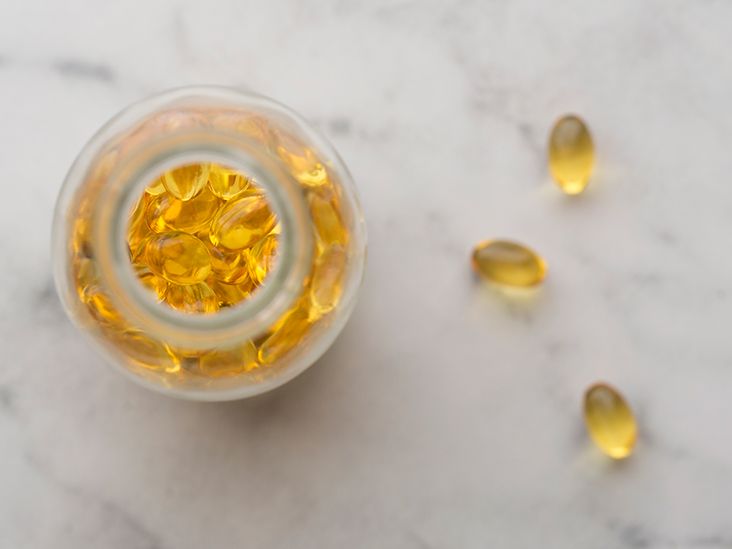
People use evening primrose oil in capsules, softgels, liquids, and sometimes in skin-care products. It has been marketed for a long list of concerns, including eczema, breast pain, menopausal symptoms, and skin health in general. That broad résumé sounds impressive, but broad résumés can also mean broad marketing. A product being popular is not the same thing as a product being proven.
Why people think evening primrose oil might help acne
The theory behind evening primrose oil is not ridiculous. In fact, it is fairly logical. Acne is a condition that involves clogged pores, excess oil, inflammation, bacteria, hormones, and skin barrier disruption. EPO seems most relevant to the inflammation-and-barrier side of that equation.
1. It may support the skin barrier
Some research suggests evening primrose oil may help improve skin moisture and reduce transepidermal water loss. That does not mean it can magically erase blackheads, but it does suggest it may help skin feel less dry, tight, or irritated. This is especially interesting for people using acne medications that dry the skin out, such as retinoids or isotretinoin.
2. It may have anti-inflammatory effects
Because GLA is tied to inflammatory signaling, some researchers think it may help calm inflammatory skin issues. Since inflamed acne lesions are basically tiny red billboards announcing, “Something is going wrong here,” anything that helps reduce inflammation sounds promising in theory.
3. It is often discussed for hormone-related skin concerns
Many people become interested in evening primrose oil when they notice cyclical breakouts around their period or during other times of hormonal fluctuation. Hormonal acne can be stubborn, sneaky, and emotionally rude. While some users swear EPO helps adult female acne, the clinical evidence here is still thin. Anecdotes are useful for curiosity, but not strong enough to count as medical proof.
How acne really works
To understand where evening primrose oil fits in, it helps to understand acne itself. Acne develops when hair follicles become clogged with oil and dead skin cells. Hormones can increase oil production, bacteria can grow inside plugged follicles, and inflammation can turn a clogged pore into a red, angry pimple. Stress can make acne worse. Harsh skin care can make acne worse. Picking at pimples can definitely make acne worse, even if your fingers claim they are “just checking.”
This is important because it reveals the main weakness of evening primrose oil as an acne treatment: it does not directly target all the major steps that drive acne. It may help on the margins, especially with inflammation or dryness, but it is not as directly active against clogged pores or acne-causing bacteria as proven treatments like retinoids, benzoyl peroxide, salicylic acid, azelaic acid, or prescription therapies.
What the research actually says
Here is where the marketing fog clears a little. Major dermatology and NIH-backed sources agree on one central point: there is not enough strong evidence to recommend herbal or complementary therapies for acne in a confident, first-line way. That includes evening primrose oil.
That does not mean evening primrose oil is useless. It means the evidence is limited, mixed, and not nearly strong enough to make it a headline treatment.
Small studies are interesting, but not definitive
Some smaller studies involving GLA or evening primrose oil have hinted at possible benefits. One line of research suggests that omega-3 fatty acids and gamma-linolenic acid could potentially work as adjunctive treatments for acne. That word, adjunctive, matters. It means “alongside other treatment,” not “replace everything and trust the flowers.”
Another small study looked at people with acne who were taking isotretinoin. In that context, evening primrose oil appeared to help with xerotic cheilitis, which is a fancy way of saying painfully dry, cracked lips. That is useful. It may make acne treatment more comfortable. But it is not the same as proving that evening primrose oil clears acne lesions on its own.
The evidence for direct acne clearing is weak
At this point, there is no strong, large-scale body of evidence showing that evening primrose oil consistently reduces comedones, papules, pustules, nodules, or cysts as well as standard acne treatments do. The most accurate way to describe the current evidence is: biologically plausible, mildly promising in a few niche situations, but still not strongly proven.
So, does evening primrose oil help acne?
If by “help acne” you mean completely clear breakouts the way a well-matched acne treatment plan can, the answer is probably no.
If by “help acne” you mean possibly support irritated skin, help some people with treatment-related dryness, or play a small supporting role in a broader routine, the answer is maybe.
That may sound annoyingly cautious, but caution is the correct mood here. Acne is common, persistent, and influenced by several overlapping factors. A supplement that only lightly nudges one part of that process is unlikely to outperform treatments designed specifically for acne.
Who might consider trying it?
Evening primrose oil may be worth a conversation with a dermatologist or other clinician if any of the following sound familiar:
- You are using acne medication that causes significant dryness, tightness, or lip irritation.
- You have adult acne with a noticeable hormonal pattern and want to discuss evidence-based supplements as a minor add-on, not a replacement.
- You are curious about supportive skin-barrier strategies and want to try one thing at a time in a measured, trackable way.
The key phrase is add-on. Evening primrose oil makes the most sense as a side note, not the entire plot.
Who should be careful or skip it?
Just because something comes from a plant does not make it risk-free. Arsenic comes from Earth too, and nobody is making a wellness smoothie out of it.
Evening primrose oil is generally considered well tolerated for most adults, but it can cause side effects such as stomach pain, nausea, diarrhea, and headaches. More importantly, it can interact with certain medications.
You should be especially careful and talk with a clinician first if you:
- Take blood thinners or antiplatelet medication
- Take medication for blood pressure
- Take certain HIV medicines, including lopinavir
- Are pregnant or breastfeeding
- Have multiple health conditions or already use several supplements
Also, if a supplement label suggests it will “treat,” “prevent,” or “cure” acne, that is your cue to raise one skeptical eyebrow. Dietary supplements are not approved the same way prescription acne drugs are, and they are not supposed to be marketed as disease cures.
What works better than evening primrose oil for acne?
If your goal is to actually reduce acne lesions, prevent scarring, and improve skin over time, standard therapies still deserve the spotlight.
For blackheads and clogged pores
Topical retinoids are among the most effective tools because they help unclog pores and reduce inflammation. Salicylic acid can also be useful for oily, acne-prone skin.
For inflamed pimples
Benzoyl peroxide remains a classic for a reason. It helps reduce acne-causing bacteria and can work well alone or in combination with other treatments.
For hormonal acne
Depending on the person, prescription options such as spironolactone or certain birth control pills may be more directly helpful than supplements.
For severe acne or scarring risk
Oral isotretinoin can be highly effective when acne is severe, cystic, or leaving scars. That route needs medical supervision, but it is based on much stronger evidence than evening primrose oil.
How to try evening primrose oil without making your skin routine weird
If you still want to test evening primrose oil, do it like a scientist, not like someone panic-buying hope at midnight.
- Talk to a clinician first, especially if you take medications or have health conditions.
- Do not replace your proven acne treatment plan with a supplement experiment.
- Change one thing at a time so you can tell what is helping, hurting, or doing absolutely nothing.
- Track your skin for at least several weeks, including breakouts, oiliness, dryness, and side effects.
- Keep the rest of your routine simple: gentle cleanser, noncomedogenic moisturizer, sunscreen, and evidence-based acne treatments.
- Be cautious with topical oils. Acne-prone skin generally does better with oil-free, noncomedogenic products, so slathering random oils on active breakouts is not a strategy; it is a gamble.
A practical verdict
Evening primrose oil is not snake oil, but it is not acne magic either. The most sensible view sits in the middle. There is a reasonable biological explanation for why it might help some people a little, especially around dryness and inflammation. There are also a few small studies that make researchers curious. But curiosity is not the same thing as confidence.
If your acne is mild and you want to discuss EPO as an add-on, that is a fair conversation to have. If your acne is persistent, painful, scarring, or affecting your confidence, it is smarter to focus first on treatments with stronger evidence. Acne is common, but scars and frustration are not souvenirs you need to collect.
Experiences people often describe when trying evening primrose oil for acne
One reason evening primrose oil keeps showing up in acne conversations is that people’s experiences can sound surprisingly convincing, at least at first. Someone starts taking a supplement, and two weeks later their skin seems calmer. Another person notices fewer chin breakouts before their period. Someone else swears their lips stopped feeling like sandpaper while on isotretinoin. These stories are not meaningless, but they are easy to misread.
A common pattern is that people do not see dramatic acne clearing, but they do report subtle changes. Their skin may feel less irritated. Redness may seem a little less intense. Their lips or flaky patches may improve. For people whose acne routine is drying, that can feel like a real win. A treatment plan is easier to stick with when your face does not feel like it is auditioning for a desert documentary.
Another common experience involves hormonal timing. Adults with cyclical breakouts sometimes feel that evening primrose oil helps smooth out the month-to-month chaos. The catch is that hormonal acne is already unpredictable. Sleep, stress, diet shifts, skin care changes, weather, and regular hormone swings can all influence what happens. So when someone says, “I think evening primrose oil helped,” that may be true, partly true, or impossible to separate from everything else going on.
There is also the no-change group, and they matter just as much. Plenty of people try evening primrose oil faithfully and notice no meaningful difference in pimples, oiliness, or post-acne marks. Their skin looks the same, their wallet feels lighter, and the supplement bottle becomes one more object living rent-free in the cabinet. That outcome is important because it matches the larger evidence gap: if the product were a powerful acne treatment, the results would usually be more obvious and more consistent.
Then there are the people who stop because of side effects. For some, it is mild nausea, stomach discomfort, or headaches. Nothing dramatic, just enough to make the experiment feel less charming. When acne is already frustrating, adding a supplement that makes your stomach grumpy is not exactly self-care poetry.
What often stands out most in real-life routines is not the supplement itself, but the structure around it. People tend to do better when they pair any experiment with the basics: a gentle cleanser, noncomedogenic moisturizer, sunscreen, patience, and a proven acne treatment that targets clogged pores or inflammation. In many routines, those boring basics end up doing the heavy lifting while the supplement gets the credit. It is the skin-care version of group projects in school.
So the real-world experience story is not that evening primrose oil transforms acne overnight. It is that some people feel a little better using it, some feel no difference, and a few decide it is not worth the trouble. That is exactly why balanced expectations matter. If you try it, think of it as a cautious side experiment, not a grand rescue mission.
Conclusion
Evening primrose oil sits in that frustrating skin-care category known as “promising, but not proven enough.” It may help a little in very specific situations, especially when dryness, inflammation, or treatment irritation are part of the story. But if your goal is actual acne control, standard dermatology-backed treatments still offer a much stronger path forward.
So, does evening primrose oil help acne? Maybe a little for some people, mostly as support. Does it deserve to replace proven acne care? No. Your pores would like to file that objection in writing.