Raising independent children does not mean handing a toddler a calendar, a debit card, and a tiny briefcase. It means teaching kids, little by little, that they are capable of helping, choosing, trying, failing, fixing, and trying again. Independence grows through ordinary moments: putting shoes on the correct feet, packing a backpack, ordering politely at a restaurant, solving a sibling argument, or remembering that wet towels do not magically migrate from the floor to the laundry basket.
Parents often want to make life easier for their children. That instinct is loving, but constant rescuing can quietly steal the very confidence children need. When adults do every task, answer every question, and smooth every bump, children may learn, “I cannot handle this without someone bigger stepping in.” The better message is, “You are not alone, and you are also capable.” That is the sweet spot: supportive independence.
What It Really Means to Encourage Independence in Children
Independence is not the same as leaving children to figure everything out alone. A four-year-old should not be expected to manage a morning routine like a hotel concierge. A teenager, however, can learn to manage homework deadlines, laundry, basic meals, and respectful communication without a parent running the entire operation from mission control.
Healthy independence means children gradually take responsibility for age-appropriate tasks while parents provide structure, encouragement, and boundaries. Think of it as scaffolding. At first, you stand close. Then you step back. Then you become the friendly supervisor sipping coffee while your child discovers that cereal bowls do, in fact, belong somewhere after breakfast.
Independence Is Built, Not Born
Children develop independence through practice. Skills like planning, patience, decision-making, and emotional control are part of executive function. These abilities improve when kids repeat small tasks, experience reasonable consequences, and learn how to recover from mistakes. The goal is not perfect performance. The goal is progress, ownership, and the belief that “I can learn how.”
Why Independence Matters More Than Perfect Behavior
Independent children are not always quieter, neater, or easier in the moment. In fact, teaching independence can be gloriously inefficient. A child learning to pour milk may create a dairy-based weather event on the kitchen table. A child learning to dress may choose stripes, dinosaurs, and rain boots for a sunny day. Still, these small experiments matter because they teach responsibility and self-trust.
When children are given real chances to contribute, they learn that they are valuable members of the family. When they are allowed to solve problems, they learn persistence. When they are permitted to make small mistakes, they learn that mistakes are not disasters; they are data. That mindset supports resilience, confidence, and emotional maturity.
The Hidden Benefit: Less Parental Burnout
Encouraging independence also helps parents. A household where children gradually take on responsibilities becomes less dependent on one exhausted adult remembering everything. You are not a robot vacuum with feelings. You are a parent. Teaching your child to help with dishes, laundry, pet care, or school preparation is not laziness; it is leadership.
Start With Routines That Children Can Predict
Routines are independence’s best friend. Children do better when they know what comes next. A predictable morning routine, bedtime routine, homework routine, or after-school routine reduces arguments because the routine becomes the boss. Instead of saying, “How many times do I have to tell you?” you can say, “What is next on your chart?” Suddenly, the toothbrush chart is the villain, not you. Excellent parenting strategy.
For younger children, use pictures: pajamas, toothbrush, book, bed. For school-aged children, use short written checklists: empty lunchbox, put folder in backpack, choose clothes, charge tablet. For teens, routines may look like shared calendar reminders, weekly planning, or a Sunday reset.
Example Morning Routine
- Use the bathroom and wash hands.
- Get dressed in clothes chosen the night before.
- Eat breakfast and place dishes by the sink.
- Brush teeth and hair.
- Check backpack, lunch, water bottle, and shoes.
At first, walk through the routine together. Then prompt less. Eventually, let your child run the routine while you stay nearby. Independence grows when kids can say, “I know what to do next.”
Give Age-Appropriate Responsibilities
Children love feeling useful when the task matches their ability. The key is to make chores realistic, specific, and consistent. “Clean your room” can sound enormous to a six-year-old. “Put books on the shelf and clothes in the hamper” is much clearer. Children do not need vague motivational speeches. They need steps.
Responsibilities for Toddlers and Preschoolers
Young children can put toys in bins, carry napkins to the table, place dirty clothes in a hamper, choose between two outfits, wash hands, and help feed a pet with supervision. The work may not be flawless. That is fine. A preschooler wiping a table may simply move crumbs into a more artistic arrangement. Praise the effort and teach the next step.
Responsibilities for School-Aged Children
Elementary-age children can pack backpacks, set the table, clear dishes, water plants, sort laundry, make simple snacks, organize school papers, and keep track of library books. This age is perfect for teaching systems: where things go, when tasks happen, and how to check work before declaring victory.
Responsibilities for Tweens and Teens
Older children can do laundry, prepare simple meals, manage allowance, clean bathrooms, take out trash, help with younger siblings in reasonable ways, track assignments, and communicate with teachers when appropriate. Teens especially need practice with real-world skills before adulthood arrives wearing sunglasses and demanding rent.
Offer Limited Choices Instead of Unlimited Freedom
Choice builds independence, but too many choices can overwhelm children. “What do you want to eat, wear, do, become, and philosophically represent today?” is too much before breakfast. A better approach is limited choice: “Do you want the blue shirt or the green shirt?” “Do you want to do homework before snack or after snack?” “Do you want to clean the desk first or the closet first?”
Limited choices help children practice decision-making while parents maintain healthy boundaries. The parent controls the safe options; the child practices choosing. This teaches autonomy without turning the household into a tiny democracy where bedtime loses every election.
Use the “Two Good Options” Rule
Offer two choices you can accept. Do not ask, “Do you want to brush your teeth?” unless you are prepared for the answer “never.” Instead say, “Do you want to brush before pajamas or after pajamas?” The task is non-negotiable. The order gives independence.
Let Children Struggle Safely
One of the hardest parts of parenting is watching a child struggle with something you could fix in five seconds. The zipper is stuck. The math problem is messy. The friendship conflict is uncomfortable. Your parental rescue helicopter starts warming its blades. Pause.
Safe struggle is where confidence grows. Children need chances to work through frustration with support, not instant rescue. You can say, “That looks tricky. What have you tried?” or “Would you like a hint or more time?” This keeps you emotionally available while leaving the problem partly in your child’s hands.
Rescue Less, Coach More
Coaching sounds like this: “Let’s break it into steps.” “What is the first thing you need?” “What could you do differently?” “How can you repair that?” These questions teach thinking. Rescuing often teaches waiting. The more children practice solving manageable problems, the more they trust their ability to face bigger ones later.
Praise Effort, Strategy, and Responsibility
Praise is powerful when it points children toward what they can control. Instead of only saying, “You are so smart,” try “You kept working even when it was hard,” or “You remembered your checklist without being reminded,” or “You noticed the spill and cleaned it up.” This kind of praise highlights effort, strategy, responsibility, and persistence.
Children who are praised only for outcomes may become afraid of mistakes. Children who are praised for effort and problem-solving are more likely to keep trying. The message is simple: your value is not based on perfection; your growth comes from practice.
Make Praise Specific
Specific praise works better than general applause. “Good job” is nice, but “You put every puzzle piece back in the box before starting a new game” tells the child exactly what behavior to repeat. It is like giving their brain a high-five with instructions attached.
Teach Problem-Solving Scripts
Children often need words before they can act independently. Give them simple scripts for common problems. For example, if a child forgets homework, teach: “I forgot my assignment. Can I turn it in tomorrow?” If a sibling takes a toy, teach: “I was using that. Can I have it back when you are done?” If a child feels nervous ordering food, practice: “May I please have a grilled cheese and water?”
Scripts reduce panic. They give children a starting point when emotions are loud. Over time, scripts become flexible communication skills.
Try the “Pause, Think, Choose” Method
When your child faces a decision, teach a simple process: pause, name the problem, think of two possible choices, consider what may happen, and choose one. This works for playground disagreements, homework planning, screen-time decisions, and even the urgent question of whether glitter glue belongs on the dog. It does not.
Create a Home Environment That Supports Independence
Children become more independent when the home is designed for success. Put cups where kids can reach them. Use low hooks for coats. Keep snacks in a child-accessible bin. Label drawers. Place laundry baskets where clothes actually land. If the hamper is across the house, the floor will win.
Independence is easier when the environment says, “You can do this.” It is harder when every task requires adult height, adult strength, or adult memory. Adjust the setup, and you reduce daily friction.
Prepare Without Over-Preparing
Preparation helps. Over-preparation takes over. Laying out weather-appropriate clothing choices is helpful. Dressing your child while they scroll cartoons is not independence. Packing lunch ingredients where your child can assemble them is helpful. Repacking the lunch because the sandwich is not centered is a parental hobby best retired.
Use Natural Consequences Wisely
Natural consequences can be excellent teachers when they are safe, respectful, and not humiliating. If a child forgets a jacket on a mildly cool day, feeling chilly may teach more than a lecture. If a teen waits too long to wash a uniform, wearing the backup option may make laundry planning suddenly fascinating.
However, natural consequences should never endanger a child or damage trust. A child who forgets medication, safety gear, or something truly essential needs adult help. The goal is learning, not “I told you so” theater.
Ask Reflective Questions
After a consequence, keep the tone calm. Ask, “What happened?” “What can you do next time?” “What reminder would help?” This turns the moment into planning instead of blame. Children learn better when they are not busy defending themselves from shame.
Balance Independence With Connection
Children are more willing to try independent tasks when they feel emotionally secure. Connection is the launchpad. Spend small pockets of focused time together: reading, cooking, walking, playing, or talking in the car. When children know they can return to you for comfort, they are braver about stepping out.
This is especially important for anxious children, sensitive children, and children going through transitions. Independence should not feel like rejection. Say, “I believe you can try this, and I am right here if you need help.” That sentence carries both confidence and safety.
Do Not Confuse Independence With Detachment
Independent children still need affection, guidance, and limits. Teens who can cook dinner still need listening ears. School-aged children who can pack bags still need bedtime hugs. Preschoolers who can put on shoes still need patience when the shoes mysteriously become “too footy.” Independence and closeness can grow together.
How to Encourage Independence by Age
Ages 2–4: Tiny Tasks, Big Pride
At this age, focus on simple self-help skills: choosing between two outfits, washing hands, putting toys away, carrying a small backpack, and helping with table routines. Keep instructions short. Celebrate effort. Expect repetition. Toddlers are not inefficient adults; they are beginners with strong opinions and questionable sock logic.
Ages 5–8: Routines and Responsibility
Children in early elementary school can handle more structured responsibilities. Use checklists for school mornings, homework, chores, and bedtime. Teach them to prepare materials, clean up after activities, and solve small social problems with words. This is a great age for family jobs because children often enjoy being trusted with “real” tasks.
Ages 9–12: Planning and Follow-Through
Tweens can start managing time, projects, allowance, simple cooking, personal spaces, and school communication with guidance. Help them use calendars, timers, and planning conversations. Instead of asking every hour whether homework is done, ask, “What is your plan for finishing it?” Then let the plan breathe.
Ages 13–18: Real-World Practice
Teenagers need independence that prepares them for adulthood: budgeting, transportation planning, meal preparation, laundry, digital responsibility, job or volunteer commitments, and respectful self-advocacy. Parents should still set boundaries, especially around safety, sleep, driving, relationships, and technology. But teens need room to practice adult skills before the adult world expects them to already know everything.
Common Mistakes Parents Make When Teaching Independence
Mistake 1: Expecting Independence Without Teaching
Children cannot magically become responsible because adults are tired. Teach the task first. Demonstrate it. Do it together. Watch them try. Then step back. “You should know this by now” is less useful than “Let’s review the steps.”
Mistake 2: Redoing Everything
If you constantly redo your child’s work, they may stop trying. A lumpy bed, imperfectly folded towel, or creatively packed backpack is part of learning. Correct only what truly matters. Safety matters. Hygiene matters. A towel folded like a confused burrito probably does not.
Mistake 3: Giving Too Many Reminders
Reminders can become background noise. Replace repeated verbal reminders with visual checklists, alarms, routines, and natural consequences. The goal is to move responsibility from your mouth to your child’s system.
Mistake 4: Treating Mistakes Like Character Flaws
A forgotten lunchbox does not mean your child is irresponsible forever. It means they need a better routine. Respond to mistakes with curiosity and problem-solving. Children develop independence faster when mistakes are treated as fixable.
A Simple 7-Day Plan to Build Independence
You do not need to redesign your entire family life overnight. Start small. Choose one skill and practice it for a week.
- Day 1: Pick one independence goal, such as packing a backpack or clearing dishes.
- Day 2: Demonstrate the task slowly and explain each step.
- Day 3: Do the task together and let your child handle one part.
- Day 4: Let your child try while you observe quietly.
- Day 5: Add a checklist, picture guide, or reminder system.
- Day 6: Step back and praise effort, not perfection.
- Day 7: Review what worked and choose the next small responsibility.
Small wins compound. One habit becomes two. Two become five. Eventually, your child becomes the kind of person who knows where their shoes are. Well, most of the time. Let us stay realistic.
Real-Life Experiences: What Encouraging Independence Looks Like at Home
In real family life, encouraging independence rarely looks like a calm parenting brochure. It looks like a child taking twelve minutes to put on one sneaker while everyone else is aging in the hallway. It looks like a parent biting their tongue while a seven-year-old pours pancake batter in shapes not recognized by geometry. It looks like a teenager learning that laundry does not become clean through hope.
One helpful experience many parents discover is that children become more cooperative when responsibility feels meaningful instead of random. A child who resists “chores” may respond better to “family jobs.” The language matters. “You are in charge of napkins tonight” sounds more important than “Go help.” Children like having a role. When they see that their contribution makes dinner smoother or the pet happier, responsibility feels connected to belonging.
Another common lesson is that parents often need training too. Adults are used to moving quickly, and children are not quick when learning. If you are teaching a child to make a bed, the first few attempts may look like a blanket had an argument with a pillow. If you jump in and fix it every time, the child learns that their effort is only the rough draft for your final edit. A better response is, “You pulled the blanket all the way up. Nice. Tomorrow let’s work on smoothing the top.” One improvement at a time keeps motivation alive.
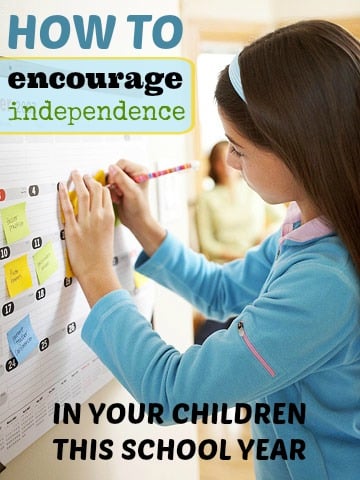
Families also find that independence grows best when expectations are visible. A morning checklist on the fridge can save everyone from the daily opera of “Did you brush your teeth?” “Where is your homework?” “Why are you holding one shoe and a banana?” Children are not always ignoring parents; sometimes they are overloaded. A checklist turns chaos into steps. For younger children, pictures work beautifully. For older children, a planner, phone reminder, or whiteboard can transfer responsibility without constant nagging.
There will also be moments when independence backfires temporarily. A child may forget a library book, pack the wrong folder, spend allowance too quickly, or choose not to wear a jacket and then complain about being cold. These moments are not proof that independence has failed. They are the lesson. The parent’s job is to stay calm and help the child reflect: “What happened? What could help next time?” That conversation builds more maturity than a lecture delivered with dramatic hand gestures.
The best experience, though, is watching pride appear. The child who finally zips the coat. The tween who cooks eggs without turning the kitchen into a science fair. The teen who schedules an appointment or emails a teacher respectfully. These moments may seem small, but they are bricks in the foundation of adulthood. Independence is not one giant leap. It is hundreds of tiny, ordinary chances to say, “I can handle more than I thought.”
Conclusion: Raise Capable Kids, Not Perfect Robots
To encourage independence in your children, start with small responsibilities, predictable routines, limited choices, and safe opportunities to struggle. Let them help. Let them try. Let them make age-appropriate mistakes. Then teach them how to repair, adjust, and try again.
Independent children are not created by parents who disappear. They are raised by parents who guide, model, encourage, and gradually release control. Your child does not need you to do everything for them. They need you to believe they can learn, even when the learning includes spilled milk, mismatched socks, and a backpack that somehow contains three rocks but no pencil.
The heart of independence is confidence built through practice. Give your children useful work, real choices, loving boundaries, and the dignity of being capable. One day, they may even put the wet towel in the hamper without being asked. Dream big.
Note
This article is educational parenting content and should be adapted to each child’s age, temperament, development, and safety needs. Parents with concerns about anxiety, developmental delays, learning differences, or behavior challenges should consult a qualified pediatrician, child psychologist, or family professional.