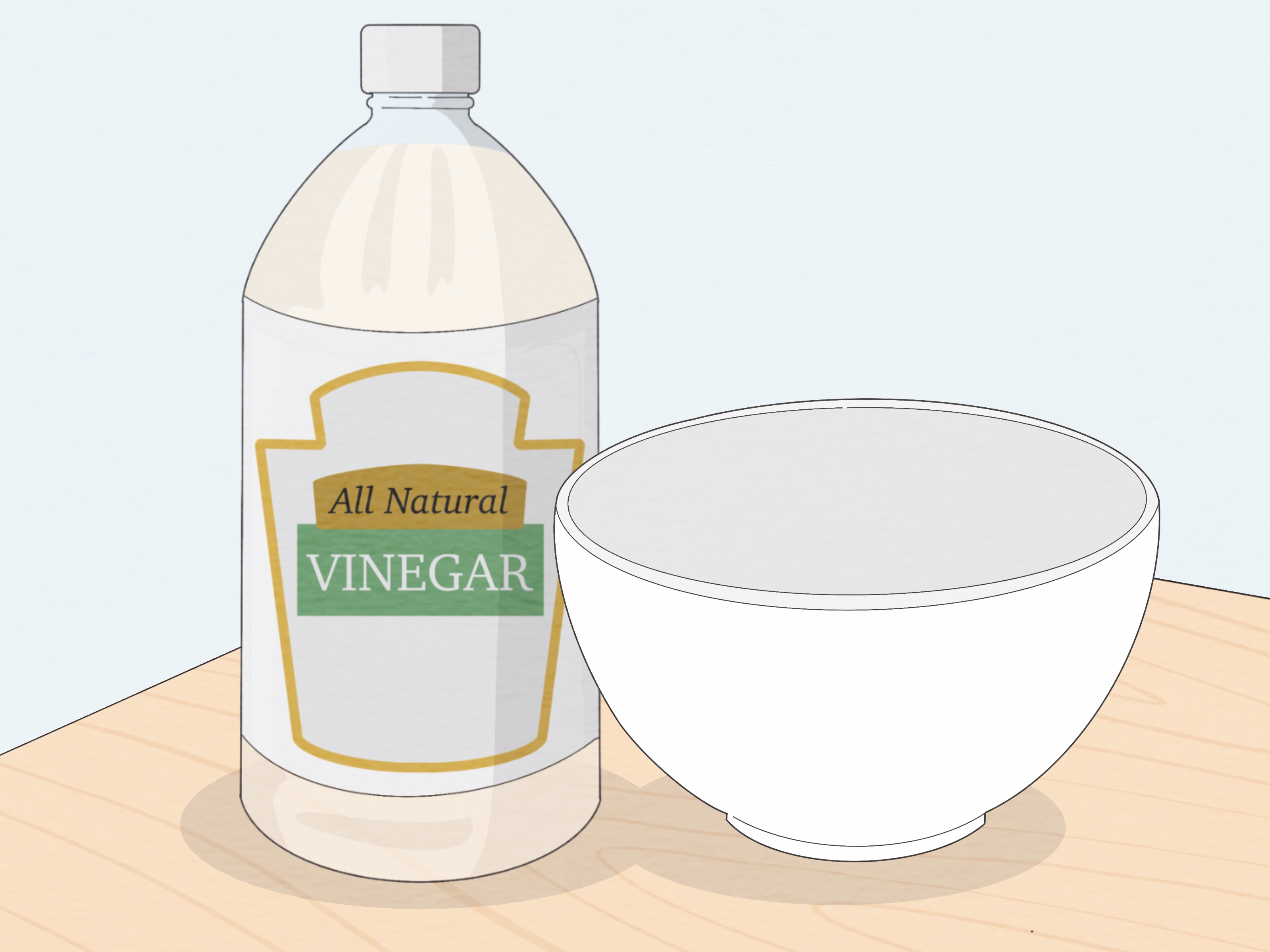
Arthritis has a talent for turning ordinary activities into tiny obstacle courses. Opening a jar? Suddenly it is a strength test. Walking downstairs? A negotiation. Buttoning a shirt? A personal attack from fabric. So it is no surprise that many people search for natural options such as cherry juice and apple cider vinegar for arthritis relief.
The big question is simple: do they actually work? The honest answer is more interesting than a yes-or-no headline. Tart cherry juice has some promising evidence, especially for gout and possibly mild osteoarthritis symptoms. Apple cider vinegar, on the other hand, has a much weaker case. It may be useful in the kitchen, but it has not earned a starring role as an arthritis treatment.
This article breaks down what the research suggests, how these remedies might fit into an arthritis-friendly lifestyle, and how to use them safely without turning your morning routine into a science experiment with a salad dressing theme.
The Short Answer: Cherry Juice Looks More Promising Than Apple Cider Vinegar
If cherry juice and apple cider vinegar were auditioning for the role of “natural arthritis helper,” cherry juice would probably get a callback. Apple cider vinegar would be thanked politely and told the team would “keep its résumé on file.”
Tart cherry juice contains anthocyanins and other polyphenols, plant compounds linked with antioxidant and anti-inflammatory activity. These compounds may help reduce oxidative stress and inflammatory signals in the body. That does not mean cherry juice is a cure, but it gives researchers a reasonable biological explanation for why some people report fewer gout flares or less joint discomfort.
Apple cider vinegar contains acetic acid and small amounts of plant compounds from fermented apples. It has been studied more often for blood sugar, cholesterol, appetite, and weight-related claims than for arthritis. For joint pain specifically, there is no strong human evidence showing that apple cider vinegar reduces arthritis inflammation, protects cartilage, or improves rheumatoid arthritis symptoms.
Understanding Arthritis Before Choosing a Remedy
Before deciding whether tart cherry juice or apple cider vinegar is worth trying, it helps to know what kind of arthritis you are dealing with. “Arthritis” is not one single disease. It is an umbrella term covering more than 100 conditions affecting joints, nearby tissues, and connective structures.
Osteoarthritis
Osteoarthritis is the most common type. It often develops when cartilage in the joints wears down over time. The result may be pain, stiffness, swelling, grinding sensations, and reduced mobility. Knees, hips, hands, and the spine are frequent trouble spots. Osteoarthritis is not simply “old age,” although age is a major risk factor. Joint injuries, repetitive stress, genetics, body weight, and muscle weakness can all contribute.
Rheumatoid Arthritis
Rheumatoid arthritis is different. It is an autoimmune disease, meaning the immune system mistakenly attacks healthy joint tissue. It can cause pain, swelling, stiffness, fatigue, and long-term joint damage if not treated. Diet may support overall health, but rheumatoid arthritis usually requires medical care, often including disease-modifying medications. A glass of cherry juice cannot replace a rheumatologist, even if it is wearing a cape.
Gout
Gout is a form of inflammatory arthritis caused by uric acid crystal buildup in joints. It often appears suddenly, commonly in the big toe, ankle, knee, or foot. A gout flare can feel like the joint has joined a tiny volcano club. Because cherries and tart cherry juice may influence uric acid and inflammation, this is the area where cherry products have received the most attention.
Why Tart Cherry Juice Gets Attention for Arthritis
Tart cherries, especially Montmorency cherries, are rich in anthocyanins. These are the pigments that give cherries their deep red color. They also act as antioxidants, helping neutralize free radicals that can contribute to inflammation and tissue stress.
Inflammation is part of the body’s healing process, but when it becomes chronic, it can worsen pain, stiffness, and tissue damage. In arthritis, inflammation may come from different sources: immune activity in rheumatoid arthritis, crystal irritation in gout, or low-grade inflammatory changes around osteoarthritic joints.
Tart cherry juice may help in three possible ways. First, it may reduce inflammatory markers such as C-reactive protein in some people. Second, it may help lower uric acid levels, which matters most for gout. Third, it may support sleep because tart cherries contain small amounts of melatonin. Better sleep does not magically repair cartilage, but poor sleep can make pain feel louder, crankier, and far less willing to negotiate.
Cherry Juice and Gout: The Strongest Case
The most convincing area for cherry juice is gout support. Research has found that cherry intake is associated with a lower risk of recurrent gout attacks. Some studies suggest that tart cherry juice or cherry concentrate may reduce serum uric acid levels, while other research shows mixed or short-term results.
That mixed evidence matters. Cherry juice is not a replacement for gout medications such as allopurinol, colchicine, or anti-inflammatory drugs prescribed by a doctor. However, it may be a reasonable add-on for some people as part of a broader gout plan that includes hydration, weight management when needed, limiting alcohol, reducing sugary drinks, and moderating high-purine foods such as organ meats and certain seafood.
A practical example: someone with gout who drinks soda daily and adds tart cherry juice without changing anything else may not see much benefit. Someone who uses unsweetened tart cherry juice, drinks more water, follows medical treatment, and improves overall diet may have a better chance of noticing fewer or less intense flares over time.
Cherry Juice for Osteoarthritis: Promising, But Not a Miracle
For osteoarthritis, the evidence is more modest. Some trials involving people with knee osteoarthritis have found symptom improvement after tart cherry juice, but in at least one randomized study, the benefit was not significantly greater than placebo. Translation: people may feel better, but the improvement may come from several factors, including expectation, routine changes, hydration, or other lifestyle habits.
Still, tart cherry juice may be worth discussing with a healthcare provider if you have mild to moderate osteoarthritis and want a food-based option to complement exercise, physical therapy, weight management, and prescribed medications. It is not likely to rebuild cartilage. It may, however, fit into an anti-inflammatory eating pattern that supports joint health more broadly.
The key is realistic expectations. Cherry juice is not a tiny orthopedic surgeon in a bottle. It is a nutrient-rich beverage that may help some people feel a little better, especially when used consistently and sensibly.
Apple Cider Vinegar for Arthritis: Popular, But Poorly Proven
Apple cider vinegar has been promoted for almost everything: digestion, blood sugar, weight loss, skin, energy, and probably somewhere on the internet, better Wi-Fi. For arthritis, however, the evidence is thin.
Some supporters claim apple cider vinegar “alkalizes” the body, removes toxins, dissolves joint crystals, or reduces inflammation. These claims sound neat, but the body does not work like a kitchen sink that needs descaling. Your blood pH is tightly regulated by the lungs and kidneys. Drinking vinegar does not meaningfully change that system in a way that treats arthritis.
Research on apple cider vinegar suggests possible modest effects on blood sugar or cholesterol in certain contexts, but those findings do not prove arthritis relief. There is no strong clinical evidence showing that apple cider vinegar improves osteoarthritis, rheumatoid arthritis, or gout. If someone feels better after taking it, the improvement may be due to other changes: eating more salads, reducing sugary drinks, losing weight, improving digestion, or simply paying closer attention to health habits.
Can Cherry Juice and Apple Cider Vinegar Be Combined?
Many home remedy recipes mix tart cherry juice with apple cider vinegar, lemon juice, water, and sometimes honey. The idea is to create a tangy anti-inflammatory drink. Taste-wise, it can range from “refreshing wellness tonic” to “aggressive fruit salad with opinions.”
Combining them is not automatically dangerous for most healthy adults, but it also does not make apple cider vinegar an arthritis treatment. If the mixture helps someone replace soda or alcohol, drink more water, and build a consistent routine, that is useful. But the arthritis-related benefit would more likely come from the tart cherry component and the overall lifestyle shift than from the vinegar itself.
People with diabetes, kidney disease, reflux, gastroparesis, low potassium, dental enamel problems, or those taking diuretics, insulin, blood sugar medications, or heart medications should talk with a clinician before using apple cider vinegar regularly.
How to Try Tart Cherry Juice Safely
Choose 100% tart cherry juice with no added sugar when possible. Many cherry-flavored drinks are more dessert than remedy. Check the label for added sugars, serving size, calories, and whether the product is juice, concentrate, or a sweetened blend.
A common approach is 4 to 8 ounces of tart cherry juice per day, often diluted with water. Some people prefer tart cherry concentrate because it is easier to store, but concentrate is strong and should be diluted according to the product directions. More is not always better. Drinking large amounts of juice can add excess sugar and calories, which may be counterproductive for inflammation, weight, blood sugar, and gout risk.
If you have diabetes or prediabetes, monitor your blood sugar response. If you have irritable bowel syndrome or follow a low-FODMAP diet, tart cherry juice may cause bloating or digestive discomfort. Start small and see how your body responds.
How to Use Apple Cider Vinegar More Safely
If you still want to try apple cider vinegar, treat it as a food ingredient, not medicine. Never drink it straight. Its acidity can irritate the throat and damage tooth enamel over time. A safer option is mixing 1 to 2 teaspoons in a large glass of water or using it in salad dressing, marinades, or sauces.
Some people use 1 tablespoon diluted in water once daily, but daily use is not necessary for arthritis and may not be appropriate for everyone. Rinse your mouth with plain water afterward. Avoid brushing immediately after acidic drinks because enamel can be temporarily softened.
Do not apply undiluted apple cider vinegar to swollen joints or irritated skin. It can burn. Your skin is not asking to be pickled.
What Actually Helps Arthritis the Most?
Natural remedies are appealing, but the foundation of arthritis management is less glamorous and more effective: regular movement, strength training, weight management when needed, adequate sleep, anti-inflammatory eating patterns, physical therapy, medical treatment, and smart pacing of daily activities.
For osteoarthritis, low-impact exercise such as walking, cycling, swimming, and strength work can reduce pain and improve function. For rheumatoid arthritis, early diagnosis and disease-modifying treatment are essential to protect joints. For gout, lowering uric acid is the long-term goal, often requiring medication plus dietary changes.
Cherry juice may fit into this bigger plan. Apple cider vinegar may fit into your salad dressing. That is not an insult to vinegar. Salad dressing is honorable work.
Specific Example: A Sensible Daily Routine
Here is a practical, low-drama example for someone with mild knee osteoarthritis who wants to try tart cherry juice:
In the morning, they drink 4 ounces of unsweetened tart cherry juice diluted with sparkling water. Breakfast includes Greek yogurt, berries, and walnuts. Later, they take a 20-minute walk and do simple strengthening exercises recommended by a physical therapist. Dinner includes salmon or beans, vegetables, olive oil, and whole grains. If they enjoy apple cider vinegar, they use it in a vinaigrette rather than taking vinegar shots like a dare at a county fair.
After four weeks, they compare joint stiffness, pain levels, sleep quality, and walking comfort. If nothing changes, they stop and save the grocery money. If they notice mild improvement and no side effects, they can discuss continuing with their clinician.
Final Verdict: Is It Effective?
Tart cherry juice may be somewhat effective for certain arthritis-related concerns, especially gout flare risk and possibly mild osteoarthritis symptoms. The evidence is promising but not definitive. It works best as a supportive habit, not a stand-alone treatment.
Apple cider vinegar is not well supported as an arthritis remedy. It may have limited benefits for other health markers, but it should not be promoted as a proven joint pain solution. If used, it should be diluted and treated as a food ingredient.
The smartest approach is balanced: enjoy tart cherry juice if it fits your health needs, use apple cider vinegar carefully if you like the taste, and keep proven arthritis care at the center of the plan. Your joints deserve science, not just pantry enthusiasm.
Experience-Based Notes: What People Often Notice When Trying Cherry Juice and Apple Cider Vinegar
Real-world experiences with cherry juice and apple cider vinegar for arthritis tend to fall into three groups: enthusiastic fans, cautious experimenters, and people who tried it once and decided their joints were not worth that much tartness.
People who like tart cherry juice often describe small but meaningful changes. They may say morning stiffness feels less intense, gout flares seem less frequent, or sleep feels slightly better. These reports are most common when the person uses the juice consistently for several weeks rather than expecting overnight results. Arthritis usually does not respond to one heroic beverage. It prefers boring consistency, which is rude but true.
Some people with gout describe tart cherry juice as part of a “flare prevention routine.” They keep a bottle in the refrigerator, dilute a small serving with water, and drink it daily or several times per week. The people who seem happiest with this approach usually combine it with other changes: fewer sugary drinks, more water, less alcohol, better medication adherence, and fewer high-purine meals. In that situation, cherry juice becomes one helpful piece of a bigger puzzle.
People with osteoarthritis often report more subtle experiences. Instead of dramatic pain relief, they may notice that walking feels a little easier, stairs feel less annoying, or stiffness fades sooner after moving around. Others notice no difference at all. That does not mean they “did it wrong.” Osteoarthritis pain can come from cartilage changes, bone remodeling, muscle weakness, inflammation, nerve sensitivity, and daily activity patterns. One beverage cannot address all of that.
Apple cider vinegar experiences are more mixed. Some people swear it helps their joints, but many of those stories include other changes happening at the same time. They may start eating more vegetables, cutting back on processed snacks, drinking more water, losing weight, or walking more. Any of those changes can improve arthritis symptoms. The vinegar may get the credit simply because it has the strongest personality in the room.
Others stop using apple cider vinegar because it bothers their stomach, worsens reflux, tastes too harsh, or makes their teeth feel sensitive. This is especially common when people drink it undiluted or use too much. A small amount in salad dressing is very different from taking daily vinegar shots. One is food. The other is a dare with dental consequences.
A useful personal experiment is to track symptoms for four weeks. Record joint pain, stiffness, sleep, activity, medication use, and diet. Then add tart cherry juice without changing five other things at once. If symptoms improve, continue the conversation with a healthcare provider. If nothing changes, stop without guilt. Natural remedies should earn their place in your routine; they do not get lifetime membership just because they came from a fruit.
Note: This article is for educational purposes only and is not a substitute for professional medical advice, diagnosis, or treatment. Anyone with arthritis, gout, diabetes, kidney disease, reflux, medication concerns, or worsening joint symptoms should consult a qualified healthcare professional before using cherry juice or apple cider vinegar as a regular remedy.