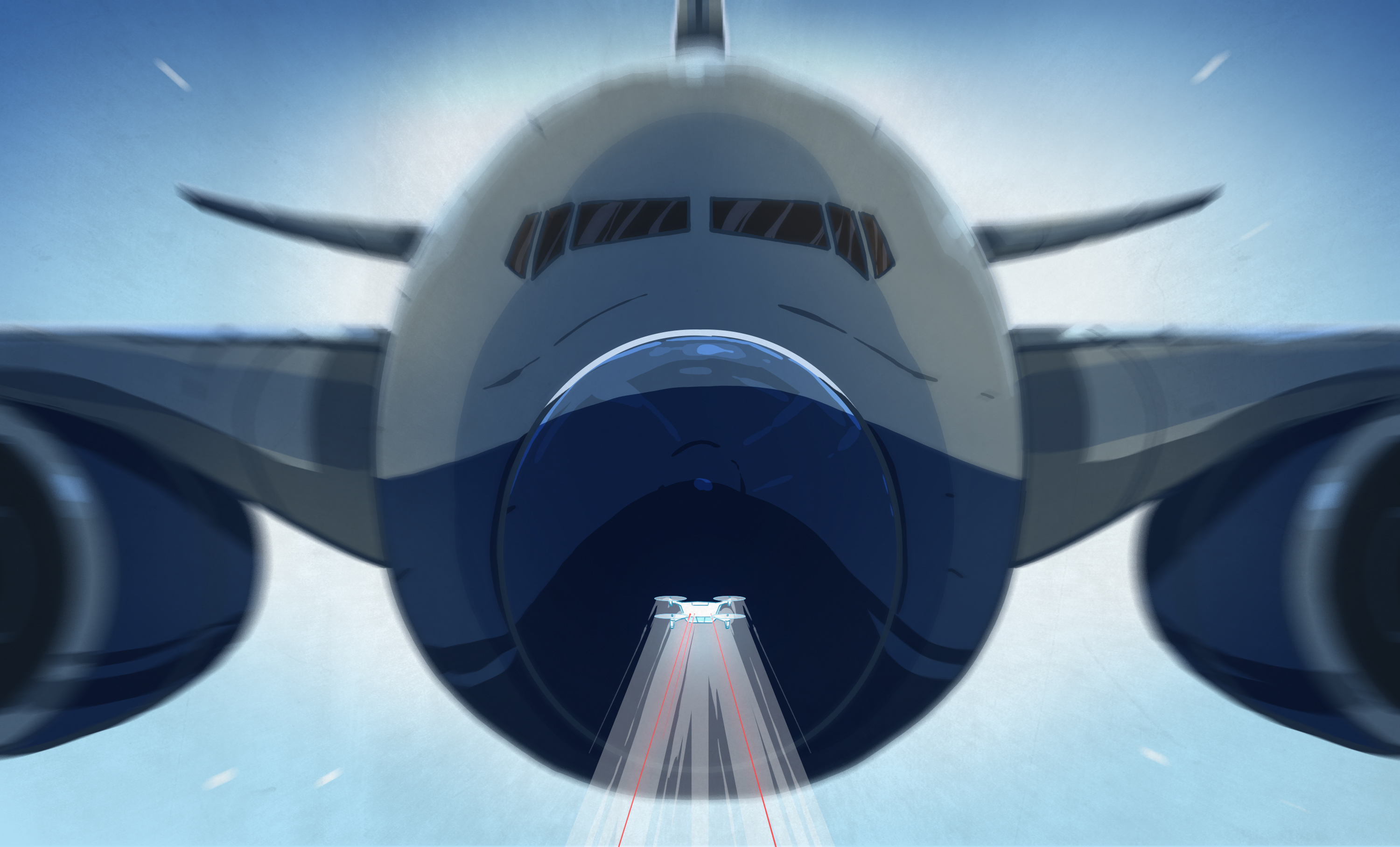
Nothing gets drone pilots buzzing quite like a regulator announcing a new fee and insisting it is not a tax. That was the heart of the uproar when the UK’s Civil Aviation Authority, or CAA, proposed an annual charge for drone registration in 2019. To officials, the plan looked like a straightforward cost-recovery system. To hobbyists, model aircraft clubs, and plenty of small operators, it looked like a hand reaching into their flight bag and helping itself to the batteries.
The controversy was never just about the money. It was about what the fee represented. Was this a serious safety policy designed to make drone flying more accountable? Was it a clumsy way to fund bureaucracy? Or was it one of those classic modern regulatory moments when technology moves fast, politicians get nervous, and ordinary users get handed the invoice?
The answer is a little messy, which is exactly why the story still matters. The CAA’s proposed registration charge became a case study in how governments try to regulate drones: with one eye on safety, one eye on public anxiety, and at least one nervous hand on the calculator. For anyone following drone laws, aviation policy, or the future of low-altitude airspace, the episode offers a useful lesson. A registration scheme can make sense. A registration scheme that feels unfair can still backfire spectacularly.
What the CAA Was Trying to Do
At the broadest level, the CAA’s goal was not bizarre. Drone registration has become one of the most common first steps in drone regulation around the world. Regulators like it because it creates a basic layer of accountability. If someone flies irresponsibly near an airport, over a crowd, or into a place where they clearly should not be, authorities want a system that makes it easier to identify the responsible operator.
In the UK, the government had already decided to require registration and education for many drone and model aircraft users. The idea was simple enough: if you are going to put a flying camera, gadget, or hobby aircraft into shared airspace, you should know the rules and be traceable if something goes wrong. Nobody likes to hear that sentence while opening a new toy at Christmas, but from a policy standpoint it is not exactly revolutionary.
The CAA framed the proposed charge as part of that accountability system. It said the fee would support the running of the registration service, identity checks, support services, education content, testing, security, and future upgrades. In plain English, the regulator was saying, “This system costs money, and the people using it should help pay for it.” That is not thrilling copy for a T-shirt, but it is coherent as administrative logic.
Why People Immediately Called It a Drone Tax
Here is where things got spicy. The proposed charge was set at £16.50 per operator per year. That number did not land gently. For many enthusiasts, especially people flying for fun rather than profit, the fee felt less like a reasonable administrative charge and more like a penalty for participating in a harmless hobby.
Critics were particularly annoyed because the CAA’s own language sounded calm and technocratic while the emotional reality was much sharper. If you are a model aircraft enthusiast who has flown safely for years, being told to pay an annual fee so the government can keep a database of you has a certain “thank you for your obedience, now please proceed to checkout” flavor. That is why the word tax stuck, even if the fee was technically presented as a cost-recovery charge rather than a tax in the formal sense.
There was also the comparison problem. In the United States, the FAA’s drone registration fee has long looked far lighter. That made the UK proposal seem especially chunky. Once people start doing mental math and comparing annual charges across borders, regulators usually lose the room. Telling drone owners that the charge is necessary while another major aviation system charges much less is a bit like telling diners the restaurant’s glass of water costs extra because hydration infrastructure is expensive.
The CAA also had a messaging challenge. It was trying to reassure the public that it took safety seriously while telling responsible users they were the ones who would fund the solution. That is a hard sell. People who already follow the rules tend not to enjoy being treated like the opening balance on a new compliance budget.
The Safety Argument Was Real
To be fair, the safety case was not invented out of thin air. Drones had become a visible political issue because of airport disruption, reports of near misses, fears about reckless flying, and growing concern about misuse. Regulators in multiple countries were converging on a familiar formula: registration, education, flight restrictions, and eventually some form of digital identification.
That broader pattern matters. Registration is not some strange British hobby. It fits into an international regulatory model in which authorities try to balance innovation with traceability. If drones are going to share airspace with helicopters, light aircraft, emergency services, and future commercial delivery systems, governments want a paper trail. Or, more accurately these days, a digital paper trail with a password reset option.
The education side of the scheme also had merit. A large share of unsafe drone behavior is not malicious; it is clueless. Some operators simply do not understand distance limits, privacy concerns, no-fly zones, or the practical consequences of flying near manned aircraft. Requiring basic testing and safety knowledge can reduce stupid mistakes, and in aviation policy, reducing stupid mistakes is a deeply underrated public service.
Where the CAA Misjudged the Mood
The real mistake was not that the CAA wanted registration. The mistake was treating price as a minor detail when price was the political story. A fee is never “just a fee” when it lands on ordinary hobbyists, volunteer club flyers, families, and small operators who already think the public conversation around drones is shaped by panic rather than proportion.
The regulator’s estimate assumed a certain number of people would register and that those users would cover the service costs. But cost recovery models become awkward fast when participation estimates are uncertain. Set the fee too low, and the system under-recovers. Set it too high, and you risk turning compliance into a resentment machine. Worse, you may deter registration, which defeats the point of a registration scheme in the first place.
That is why the proposal triggered such a strong reaction. Many users did not object to accountability. They objected to paying a level of annual fee that seemed disconnected from the actual burden of the activity. A cautious hobby pilot flying in open space on weekends does not see himself as a national airspace menace. He sees himself as a guy with a folding quadcopter and a weather app.
There was also a fairness issue around responsible communities. Model aircraft clubs, long-established hobby organizations, and professional operators argued that they already promoted safe flying and should not be treated as if they had just wandered into aviation from a gadget aisle five minutes ago. When rules flatten every user into the same regulatory silhouette, the people with the best safety culture are often the ones most offended.
How the U.S. Comparison Made the UK Proposal Look Worse
The American comparison was impossible to ignore. The FAA’s system has its own complexities, but its registration structure sent a different political signal: lower fee, longer validity, and a clearer impression that the government wanted participation more than punishment. Add in free recreational safety education, and the U.S. model looked more like “please join the system” than “please fund the system.”
That contrast mattered because regulation is not only about the rules on paper. It is also about the mood those rules create. A lower-friction system encourages compliance and makes users feel that the government is building a culture of safety. A pricier annual fee creates suspicion that the real star of the show is revenue collection wearing a reflective vest labeled “public interest.”
To be clear, the FAA is not a regulation-free wonderland. American drone policy has moved steadily toward stronger identification, safety requirements, and remote tracing. Remote ID, often described as a kind of digital license plate for drones, shows the overall direction of travel. The difference is that the U.S. approach has often worked harder to make the initial registration step feel administratively light rather than emotionally insulting.
What Happened Next
Public pushback worked. After the consultation process, the proposed charge was reduced from £16.50 to £9 before the registration system launched. That revision mattered for two reasons. First, it showed that the backlash was not just noisy internet grumbling. Second, it proved the original number had overshot what the public would accept.
The final outcome did not erase the underlying debate, but it did make the scheme more politically survivable. Registration still arrived. The education element still mattered. The accountability logic remained intact. But the lower price reduced the sense that drone enthusiasts were being used as a convenient funding stream.
In other words, the CAA eventually found the point it probably should have started with: a system that says “we need a record, a test, and a safety framework” is much easier to defend than a system that sounds like “aviation is modern now, so please renew your hobby subscription annually.”
The Bigger Lesson for Drone Regulation
The real lesson from the CAA episode is that good drone policy needs three things at the same time: credibility, proportionality, and usability. Miss one, and the whole setup wobbles.
1. Credibility
Users need to believe the rule is genuinely tied to safety, enforcement, and education. If a fee looks padded, vague, or disconnected from outcomes, people stop trusting the policy.
2. Proportionality
Not every drone pilot presents the same risk. A teenager filming a beach at sunrise, a club member flying a model aircraft in a designated space, and a commercial operator conducting infrastructure inspection are not identical cases. Regulation that acts as if they are the same invites backlash.
3. Usability
If registration is easy, cheap enough, and paired with clear rules, compliance goes up. If it feels expensive, annoying, or bureaucratically smug, people look for loopholes, delays, or miniature aircraft that magically weigh 249 grams. Funny how often policy inspires sudden interest in product specifications.
This is why the phrase “drone tax” had such staying power. It was not legally precise, but it captured a public feeling: that a sensible concept had been wrapped in an unnecessarily painful price tag.
Experience-Based Perspectives From the Real Drone World
To understand why this debate hit a nerve, it helps to look beyond policy language and imagine what the experience feels like for the people living with it. Below are four snapshots drawn from the kinds of reactions this sort of policy usually creates.
The Weekend Hobbyist
You buy a drone because flying is fun, the camera is great, and your local park looks like a movie set at golden hour. You are not running a logistics empire. You are not mapping rail infrastructure. You are just trying to avoid trees and come home with one decent shot of the lake. Then the regulator arrives with a registration rule, a safety test, and an annual fee. You can live with the test. In fact, you probably should take it. But the fee feels personal. Suddenly your low-drama hobby has paperwork, and the joy of flight now comes with the emotional texture of renewing a parking permit.
The Responsible Club Flyer
This person is often the most irritated of all. Club flyers tend to know the rules, respect airspace, and care deeply about safe practice. Many already operate within organized communities that promote discipline and peer accountability. So when a national system arrives and treats them like they have just discovered aviation on social media, the reaction is not mild enthusiasm. It is more like offended professionalism. They do not reject safety. They reject the suggestion that another blanket fee is the missing ingredient in a culture they have already spent years building.
The Small Commercial Operator
For a business user, the experience is different. Registration is less shocking because compliance is already part of the job. Clients want proof of competence. Insurance matters. Rules matter. But even here, extra fees irritate because small operators live in a world of stacked costs: equipment, batteries, software, training, transport, maintenance, and insurance. Add a registration charge that feels inflated, and it becomes one more reminder that regulators often design systems around administrative neatness rather than thin operating margins. Commercial users can absorb rules. What they hate is fuzzy value for money.
The Nervous Member of the Public
There is also the person on the ground, the one who hears a drone overhead and immediately wonders whether it is filming, spying, trespassing, or about to crash into a hedge with tragic little rotor noises. For that person, registration sounds reassuring. A database means accountability. A safety test means at least someone tried to teach operators not to behave like overconfident raccoons with firmware updates. From this perspective, a fee can even sound reasonable. If the sky is getting busier, surely the people using it should contribute to keeping it orderly. This is why drone policy is so tricky: the same measure that feels like a nuisance to the operator can feel like common sense to everyone under the operator’s flight path.
Conclusion
The CAA’s proposed drone registration charge became controversial because it sat at the intersection of good intentions and bad optics. The regulator had a real problem to solve: drones were becoming more common, public anxiety was rising, and accountability systems needed to catch up. Registration and education were logical responses. But the initial £16.50 proposal made the policy feel heavier, colder, and more punitive than it needed to be.
That is why the phrase “drone tax” worked so well. It condensed a complicated policy argument into one sharp complaint. People were not only objecting to registration. They were objecting to the feeling that the state had chosen the easiest possible people to bill: the ones willing to comply.
In the end, the reduced fee showed that public pressure can improve aviation policy. More importantly, it showed that smart drone regulation is not just about controlling risk. It is about designing a system that ordinary people can accept as fair. If governments want better compliance, better education, and safer skies, they should remember a simple rule of their own: do not make responsible users feel like the villain in your budget spreadsheet.