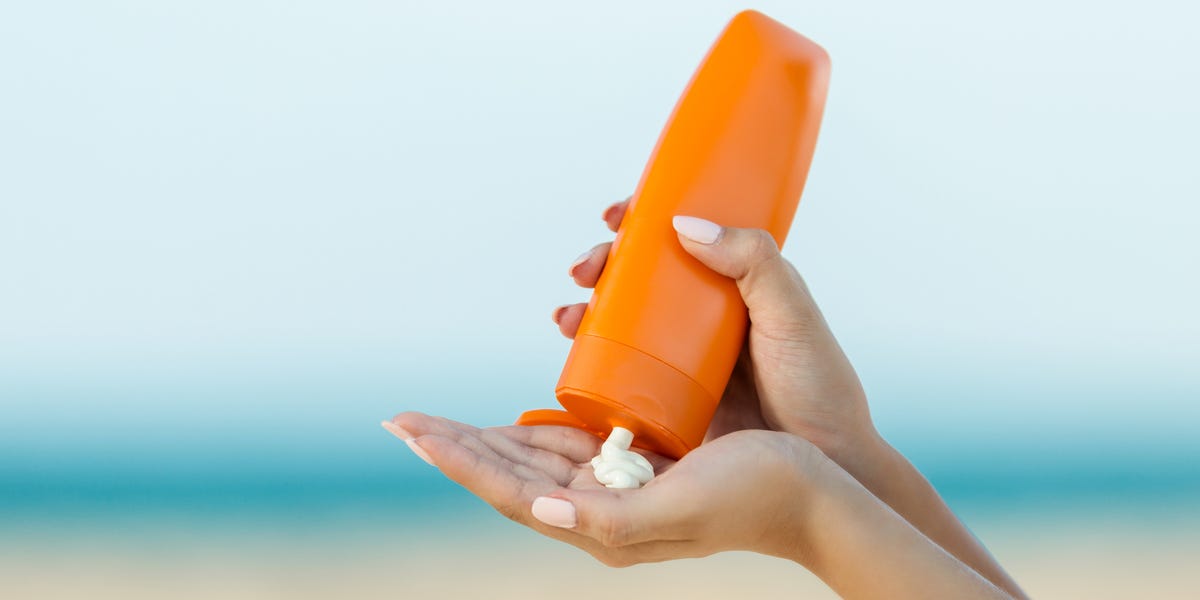
Sunscreen is one of those products we buy with heroic intentions and then abandon in beach bags, glove compartments, bathroom drawers, gym totes, and that mysterious cabinet where travel-size toiletries go to form a tiny plastic civilization. Then one sunny day, you grab the half-used bottle from last summer and ask the million-dollar question: Does sunscreen expire?
Yes, sunscreen does expire. More importantly, expired sunscreen may not protect your skin the way the label promises. That matters because SPF is not decorative. It is not a motivational sticker. It is a measure of protection against ultraviolet rays, and when the formula breaks down, separates, smells strange, or passes its expiration date, your skin may be getting less defense than you think.
The good news is that SPF expiration dates are not complicated once you know what to look for. This guide explains how long sunscreen lasts, what expiration dates really mean, how heat affects sunscreen, how to tell when SPF has gone bad, and when it is smarter to toss the bottle and start fresh.
Does Sunscreen Expire?
Yes. Sunscreen expires because its active ingredients and overall formula can become less stable over time. In the United States, sunscreen is regulated as an over-the-counter drug, not just a cosmetic. That means manufacturers must meet rules for safety, labeling, and effectiveness.
Most sunscreens are designed to remain effective for at least three years. If a sunscreen has an expiration date printed on the bottle, tube, stick, or spray can, that date is your best guide. Once the date has passed, the product should be discarded. If there is no expiration date, a practical rule is to consider the sunscreen expired three years after purchase.
In plain English: if you found a bottle in the back of a drawer and cannot remember whether you bought it during this decade, congratulations, you have discovered a skincare fossil. Do not use it as your main sun protection.
What Does an SPF Expiration Date Mean?
An SPF expiration date is the manufacturer’s promise that the product should remain stable and effective until that date when stored properly. The phrase “stored properly” is doing important work here. Sunscreen is tested under controlled conditions, not in the floorboard of a car that turns into a toaster oven every July.
The expiration date tells you when the formula can no longer be relied on to provide the labeled level of protection. A sunscreen marked SPF 30, SPF 50, or SPF 100 is only useful if the ingredients are still evenly mixed, stable, and capable of filtering UV rays as intended.
Where to Find the Expiration Date
The expiration date may appear on the crimped edge of a tube, the bottom of a bottle, the back label, the side seam, or near the barcode. It may say “EXP,” “expires,” “use by,” or show a month and year. Some products also have a lot number or batch code, but that is not always easy for shoppers to interpret without contacting the brand.
If you buy sunscreen without a visible expiration date, write the purchase date on the container with a permanent marker. It is a tiny habit that can save you from playing detective later. “Was this from last summer or from the family reunion in 2019?” is not the kind of suspense anyone needs before a pool day.
How Long Does Sunscreen Last?
In general, sunscreen lasts up to three years when stored correctly. That applies to many lotion, cream, gel, stick, and spray formulas. However, the real-world lifespan of sunscreen can be shorter if the product is exposed to heat, sunlight, air, moisture, or repeated contamination from dirty hands.
If you use sunscreen regularly and apply the recommended amount, most bottles should not last anywhere near three years. An average adult needs about one ounce, roughly a shot-glass amount, to cover exposed skin on the body. Reapplying every two hours, and more often after swimming, sweating, or towel drying, means a bottle can disappear quickly during outdoor activities.
If your sunscreen seems to last forever, you may not be using enough. That bottle is not supposed to be a family heirloom.
Why Expired Sunscreen Is a Problem
Expired sunscreen is risky because it may provide less UV protection than the SPF number on the label suggests. Ultraviolet radiation can cause sunburn, premature skin aging, dark spots, and DNA damage that raises the risk of skin cancer. Sunscreen is only one part of sun safety, but it is an important part when used correctly.
When sunscreen expires, the active ingredients may break down, the formula may separate, and the product may no longer spread evenly on the skin. If the UV filters are not distributed properly, some areas may get weaker protection. That can lead to unexpected sunburn, especially on high-exposure areas like the nose, shoulders, ears, scalp, neck, and tops of the feet.
Can Expired Sunscreen Hurt Your Skin?
The main concern is usually reduced protection, not instant danger. However, an old or contaminated product may irritate the skin, especially if the formula has changed in smell, texture, or color. People with sensitive skin, acne-prone skin, eczema, or a history of allergic reactions should be particularly cautious.
If the sunscreen looks strange, smells rancid, feels gritty, comes out watery, or has separated into layers, throw it away. Your skin deserves better than mystery cream.
How to Tell If Sunscreen Has Expired
The easiest way is to check the expiration date. If the date has passed, toss it. If there is no date and you bought it more than three years ago, toss it. If you do not remember when you bought it, inspect it carefully.
Signs Your Sunscreen Has Gone Bad
- Changed smell: A sour, rancid, chemical, or unusual odor is a warning sign.
- Changed texture: Clumps, graininess, watery liquid, excessive oiliness, or a gritty feel suggest the formula has broken down.
- Separation: If the product comes out in layers or will not remix after shaking, it is unreliable.
- Changed color: Yellowing, darkening, or cloudiness can indicate degradation.
- Damaged packaging: Cracked caps, broken seals, leaking tubes, or rusty spray cans are reasons to replace it.
- Unknown age: If the bottle has been floating around for years with no date, do not gamble.
Mineral sunscreens and chemical sunscreens may show spoilage differently. Mineral formulas containing zinc oxide or titanium dioxide may become thick, gritty, or hard to rub in. Chemical sunscreens may separate, smell off, or become watery. Either way, if the formula no longer looks or feels normal, it should not be trusted.
Does Heat Make Sunscreen Expire Faster?
Yes. Heat can shorten the life of sunscreen. Leaving SPF in a hot car, on a sunny windowsill, next to a pool, or inside a beach bag baking on the sand can speed up degradation. High temperatures may affect the active ingredients and the emulsion that keeps the formula evenly mixed.
This is why a sunscreen can become questionable even before the printed expiration date. If it has spent weeks in extreme heat, treat it with suspicion. Sunscreen is for protecting you from the sun, not for being slow-roasted by it.
Best Way to Store Sunscreen
Store sunscreen in a cool, dry place away from direct sunlight. At home, keep it in a drawer, cabinet, closet, or shaded shelf. At the beach or pool, tuck it into a bag, wrap it in a towel, or keep it inside a cooler pocket if possible. Make sure the cap is closed tightly after each use to reduce air exposure and contamination.
Avoid storing sunscreen in the car for long periods. A glove box, trunk, or backseat can become extremely hot, especially in summer. If you keep emergency sunscreen in the car, replace it frequently and do not rely on it as your primary bottle for serious sun exposure.
Can You Use Last Year’s Sunscreen?
Often, yes, last year’s sunscreen can still be used if it has not expired, has been stored properly, and looks, smells, and feels normal. A bottle bought last summer is not automatically bad this summer. But check the date and condition before applying it.
Here is a simple checklist:
- Is the expiration date still in the future?
- Was it stored away from heat and direct sunlight?
- Does it smell normal?
- Is the texture smooth and consistent?
- Does it spread evenly?
If the answer is yes to all five, the sunscreen is probably fine. If you are unsure, buy a new one. Compared with the cost of sunburn misery, premature aging, or a dermatologist visit, fresh sunscreen is a bargain.
What If You Used Expired Sunscreen by Accident?
First, do not panic. Accidentally using expired sunscreen once does not mean disaster is guaranteed. The bigger concern is whether you were underprotected during sun exposure. If you notice redness, tenderness, warmth, or blistering, treat it like a sunburn: get out of the sun, cool the skin, moisturize, drink water, and avoid additional exposure while your skin heals.
Watch for severe sunburn symptoms such as blistering over a large area, fever, chills, dizziness, confusion, or signs of infection. In those cases, contact a medical professional. Also, if a suspicious mole or changing skin spot appears later, make an appointment with a dermatologist.
Does SPF Level Change When Sunscreen Expires?
The SPF number does not officially “change” on the label, but the real protection may drop. An expired SPF 50 may not perform like SPF 50. It might offer weaker, patchier, or less predictable protection. That uncertainty is the problem.
SPF is measured under controlled testing conditions using a specific amount of product. In everyday life, people often apply too little sunscreen, miss areas, sweat, swim, towel off, and forget to reapply. Add expiration or heat damage to the mix, and protection can fall even further.
Mineral vs. Chemical Sunscreen: Do They Expire Differently?
Both mineral and chemical sunscreens expire. Mineral sunscreens use active ingredients such as zinc oxide and titanium dioxide. Chemical sunscreens use UV filters that absorb ultraviolet radiation. While mineral ingredients are often considered relatively stable, the entire product still includes other ingredients that can degrade, separate, dry out, or become contaminated.
In other words, do not assume a mineral sunscreen is immortal just because zinc oxide sounds sturdy enough to survive a small asteroid. Check the expiration date, inspect the formula, and store it properly.
How to Use Sunscreen So It Actually Works
Fresh sunscreen is only useful if you apply enough of it. Many people use far less than needed, which means they get less protection than the SPF on the label suggests.
Smart SPF Habits
- Choose a broad-spectrum sunscreen to help protect against both UVA and UVB rays.
- Use SPF 30 or higher for everyday outdoor exposure, and consider SPF 50 or higher for extended activity.
- Apply sunscreen generously to all exposed skin.
- Use about one ounce for the body, adjusting based on body size and clothing coverage.
- Apply before sun exposure so the product can form an even layer.
- Reapply at least every two hours.
- Reapply sooner after swimming, sweating, or towel drying.
- Do not forget ears, lips, neck, scalp, hands, and feet.
Sunscreen works best when combined with other sun protection habits: shade, wide-brimmed hats, sunglasses, UPF clothing, and avoiding intense midday sun when possible. Sunscreen is not a force field. It is more like a very helpful bodyguard who needs backup and regular coffee breaks.
Should You Stockpile Sunscreen?
Buying sunscreen in bulk can make sense for families, athletes, outdoor workers, beach lovers, gardeners, and anyone who uses SPF daily. But do not stockpile more than you can realistically use before the expiration dates. A cabinet full of expired sunscreen is not preparation; it is clutter with SPF branding.
When buying multiple bottles, choose sizes you will actually finish. Keep one for the bathroom, one for your bag, one near the door, and one for outdoor gear. Mark purchase dates on containers without expiration dates. Rotate older bottles to the front so they get used first.
What About Sunscreen Sprays, Sticks, and Makeup With SPF?
Spray sunscreens, stick sunscreens, and cosmetics with SPF can also expire. Sprays may clog, lose pressure, or distribute unevenly if old or poorly stored. Sticks may dry out, crack, or change texture. Makeup with SPF may not be applied thickly enough to serve as your only sun protection, especially for long outdoor exposure.
If you use makeup with SPF, think of it as a bonus rather than your whole plan. A dedicated broad-spectrum sunscreen is usually more reliable for full coverage. For reapplication over makeup, many people use SPF powders, sprays, or sticks, but those still need to be fresh, evenly applied, and used generously.
When in Doubt, Throw It Out
The simplest sunscreen expiration rule is this: when in doubt, throw it out. If the date is old, the texture is odd, the smell is weird, or the bottle has been cooked in the car, replace it. Sunscreen is not the place to practice extreme frugality.
A fresh bottle gives you more confidence that the SPF on the label is the SPF you are actually applying. That does not mean you need the most expensive product on the shelf. The best sunscreen is one that is broad spectrum, not expired, comfortable enough that you will use it, and affordable enough that you will apply it generously.
Real-Life Experiences: The Sunscreen Expiration Lessons People Learn the Hard Way
Almost everyone has a sunscreen story, and many of them begin with the same sentence: “I thought it was probably fine.” That phrase has launched countless lobster-red shoulders, sandal-shaped foot burns, and family vacation photos where everyone is smiling through aloe vera.
One common experience is the “beach bag bottle.” It sits in a canvas tote all summer, travels from pool to lake to backyard barbecue, and then spends winter in a closet next to goggles, deflated floaties, and one lonely flip-flop. The next year, someone pulls it out, shakes it aggressively, and hopes for the best. Sometimes it smells normal. Sometimes it comes out watery, then chunky, then oily, which is skincare’s way of waving a little white flag. If a formula has separated that much, it should be replaced.
Another classic is the “car sunscreen.” Keeping a backup bottle in the car feels responsible until you remember that cars can become extremely hot. A tube left in the glove box through summer may look fine at first glance, but heat can damage the formula. People often discover the problem only after applying it and noticing that it feels thin, sticky, greasy, or strangely grainy. The lesson: sunscreen can ride along for a short trip, but it should not live in the car like an unpaid intern.
Parents often learn sunscreen expiration rules during the first warm weekend of the year. The kids are dressed, the snacks are packed, and the sunscreen from last season is the only thing available. If the bottle is in date and has been stored well, it may be usable. But if it has no date, smells strange, or looks separated, buying a fresh bottle is the safer move. Children’s skin can burn quickly, and a questionable SPF formula is not worth the risk.
Travelers run into a different problem: tiny sunscreen tubes from past trips. Hotel gift shops, airport kiosks, and vacation pharmacies often produce a collection of miniature SPF bottles that migrate into toiletry bags forever. These travel sizes are convenient, but they expire too. Because they are small, they are also opened and reopened often, exposed to air, and sometimes stored in warm bathrooms. Before packing one, check the date and squeeze out a small amount. If it looks or smells off, toss it before it earns a dramatic role in your sunburn origin story.
Outdoor athletes and gardeners often have the opposite experience: they actually use enough sunscreen to finish bottles quickly. For them, expiration is less of a problem than reapplication. A fresh SPF 50 applied once at 8 a.m. is not still giving full protection at 2 p.m. after sweat, dust, towel wiping, and hours of sun. The best habit is to keep fresh sunscreen in a cool place and reapply on schedule.
The most practical experience-based rule is to do a sunscreen audit at the start of spring or summer. Gather every bottle, tube, spray, and stick. Check dates. Toss expired products. Toss anything that smells odd or has changed texture. Mark undated bottles with the purchase date going forward. Then buy enough fresh sunscreen for your actual lifestyle. If you spend weekends outdoors, one small tube will not cut it. If you only need daily face protection, choose a formula you enjoy wearing so it does not become bathroom decoration.
Sunscreen expiration is not meant to scare you. It is meant to keep your sun protection honest. Fresh SPF, stored well and applied generously, is one of the easiest ways to protect your skin while still enjoying the outdoors. Your future self, ideally not glowing like a boiled shrimp, will appreciate the effort.
Conclusion
So, does sunscreen expire? Absolutely. Most sunscreens are reliable for up to three years when stored properly, but heat, sunlight, contamination, and time can make them less effective. Always check the SPF expiration date, replace sunscreen that has expired, and toss any product that smells strange, changes color, separates, or feels gritty.
The safest strategy is simple: buy sunscreen you will actually use, store it in a cool and dry place, apply it generously, and reapply every two hours during sun exposure. Sunscreen is not a one-and-done magic potion, but when it is fresh and used correctly, it is one of the most useful tools for protecting your skin.