Few things can turn a peaceful night into a tiny household drama faster than a cough. One minute you are trying to sleep; the next, your throat is staging a percussion solo. That is usually when someone suggests the classic kitchen-cabinet remedy: honey. But does honey help for a cough, or is it just sweet wishful thinking in a bear-shaped bottle?
The short answer: honey can help calm some coughs, especially coughs linked to colds, upper respiratory infections, and throat irritation. It is not a cure, and it will not magically evict a virus from your body like a tiny golden bouncer. But research and medical guidance suggest that honey may reduce cough frequency, ease throat discomfort, and help people sleep better when coughing gets worse at night.
The important catch is safety. Honey is not safe for babies under 12 months old because it can contain spores that may cause infant botulism. For adults and children over 1 year old, however, honey is generally considered a reasonable home remedy when used in small amounts. Let’s look at what honey can do, what it cannot do, and how to use it wisely.
Why Honey May Help a Cough
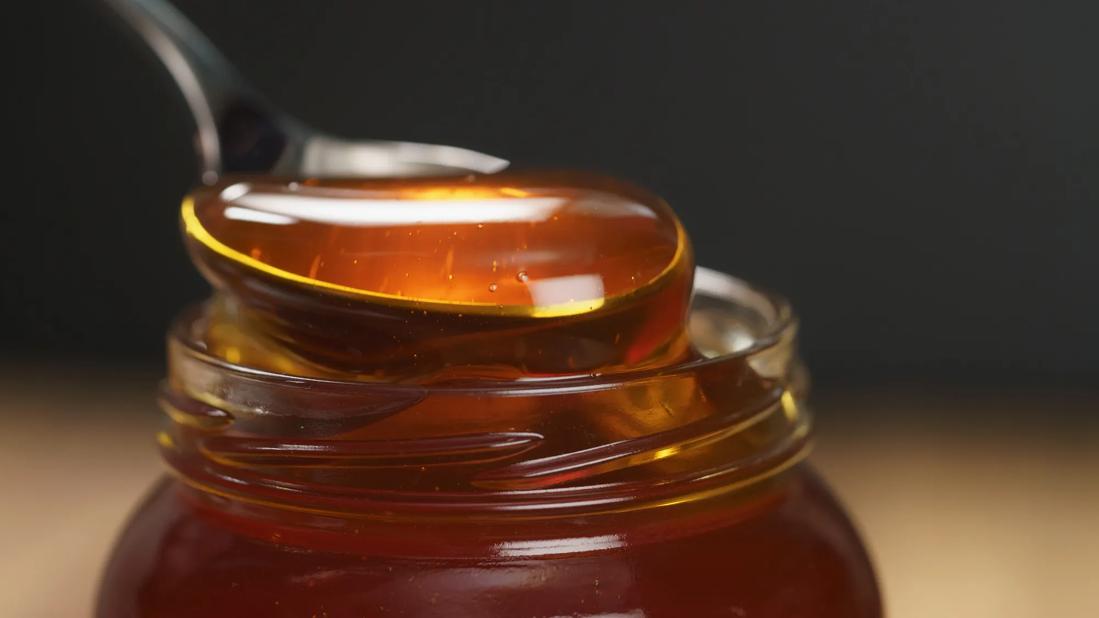
Honey has several qualities that make it useful for cough relief. First, it is thick and soothing. When swallowed, it can coat the throat and help calm the scratchy, irritated feeling that often triggers coughing. Think of it as a soft blanket for a cranky throat.
Second, honey is sweet, and sweetness may stimulate saliva production. More saliva can help keep the throat moist, which may reduce the dry tickle that sends you into another coughing fit at exactly 2:13 a.m.
Third, honey contains natural compounds, including antioxidants and small amounts of antimicrobial substances. That does not mean honey acts like an antibiotic, and it should not be used as one. Most common coughs are caused by viruses, and antibiotics do not work against viral infections. Still, honey’s soothing and mild antimicrobial properties may help explain why it has remained a popular cough remedy for generations.
What the Research Says About Honey for Cough
Studies on honey and cough often focus on children with upper respiratory infections, especially nighttime cough. Several reviews have found that honey may reduce cough frequency and severity compared with no treatment or placebo. Some research also suggests honey may work about as well as certain over-the-counter cough suppressants for short-term symptom relief.
One reason honey gets attention is that many cough medicines are not recommended for young children, and they may not work very well for common cold coughs. In children old enough to have honey, a small spoonful before bedtime may be a safer and simpler option than reaching for multi-symptom cough syrups.
For adults, the evidence is less dramatic but still promising. Many adults report that honey helps soothe a dry cough, reduce throat irritation, or make warm tea more comforting. It is best viewed as symptom support, not a medical treatment for the underlying cause of the cough.
What Kind of Cough Does Honey Help Most?
Dry, Tickly Cough
Honey may be especially helpful for a dry cough that feels like a tickle in the throat. This type of cough often comes from irritation after a cold, dry air, or postnasal drip. Because honey coats the throat, it may quiet the cough reflex long enough for you to rest.
Nighttime Cough
Nighttime cough is where honey often shines. Lying down can make mucus drip toward the throat, and dry indoor air can make irritation worse. Taking honey before bed may reduce coughing and help improve sleep quality. Better sleep is not just nice; it helps the body recover.
Cough from a Common Cold
Honey may help with coughs caused by common colds and other mild upper respiratory infections. These coughs usually improve on their own with time, fluids, rest, and symptom care. Honey can be part of that comfort plan.
Wet or Mucus Cough
If your cough brings up mucus, honey may still soothe your throat, but it will not “dry up” the infection. Drinking fluids, using a humidifier, and resting may also help. Avoid trying to completely suppress a productive cough unless a healthcare professional tells you to, because coughing can help clear mucus.
How to Use Honey for Cough Relief
For adults and children over 1 year old, a common approach is to take 1 to 2 teaspoons of honey as needed, especially before bedtime. You can take it straight from the spoon, stir it into warm water, or mix it with caffeine-free tea.
Warm honey drinks are popular because they combine two soothing effects: warmth and coating. A simple option is warm water with honey and a squeeze of lemon. The lemon adds flavor, but the honey is the star of the cough-soothing show.
Simple Honey Cough Drink
Mix 1 to 2 teaspoons of honey into a mug of warm water or herbal tea. Add lemon if you like. Sip slowly, especially when your throat feels scratchy. Avoid boiling the honey directly; very hot liquid can irritate the throat and make the drink uncomfortable.
Honey Before Bed
If coughing is disturbing sleep, try honey 20 to 30 minutes before lying down. Brush your teeth afterward, especially for children, because honey is still sugar and teeth do not care that it came from bees.
Who Should Not Use Honey for a Cough?
Honey is not safe for infants under 12 months old. This is the most important safety rule. Babies’ digestive systems are not developed enough to handle possible botulism spores that can occasionally be found in honey.
People with diabetes should also be careful because honey can raise blood sugar. It may sound more natural than table sugar, but the body still treats it like a sweetener. If you monitor blood glucose, count honey as part of your carbohydrate intake.
Anyone with a known allergy to honey, pollen, or bee products should avoid honey unless a healthcare professional says otherwise. Rare allergic reactions can happen, and no cough remedy is worth trading a tickle for hives.
When Honey Is Not Enough
Most coughs from colds improve within days to a couple of weeks. However, some symptoms should not be handled with honey and optimism alone. Contact a healthcare professional if a cough lasts more than three weeks, gets worse instead of better, or comes with chest pain, shortness of breath, wheezing, high fever, dehydration, coughing up blood, or bluish lips.
You should also seek medical advice if the person coughing is very young, has asthma, has a weakened immune system, or has a chronic condition such as heart or lung disease. Honey may soothe symptoms, but it does not diagnose pneumonia, asthma flare-ups, bronchitis, flu, COVID-19, allergies, reflux, or other causes of cough.
Honey vs. Cough Medicine
Honey is often compared with cough medicine because both are used to calm symptoms. For many mild coughs, especially those caused by colds, honey may be a practical first step. It is inexpensive, widely available, and usually well tolerated by adults and children over 1 year old.
Over-the-counter cough medicines can be useful in some situations, but they are not always necessary. They may also contain multiple ingredients, which increases the risk of accidental double-dosing, especially if someone is taking other cold or flu products. For children, age restrictions matter. Always follow the label and ask a pediatrician or pharmacist when unsure.
Honey also has one major advantage: it tastes good. That sounds simple, but anyone who has tried convincing a child to take bitter medicine knows flavor can be the difference between peaceful cooperation and a tiny courtroom objection.
Best Types of Honey for Cough
Most studies do not prove that one specific type of honey is dramatically better than another for cough relief. Clover honey, wildflower honey, buckwheat honey, and other varieties may all help soothe the throat. Darker honeys may contain more antioxidants, but for cough comfort, the honey already in your pantry is usually fine.
Raw honey is popular, but it is not automatically safer or more effective. In fact, raw honey still carries the same infant safety warning. If you are buying honey, choose a reputable brand, store it properly, and avoid giving it to babies under 1 year old.
Other Home Remedies That Pair Well With Honey
Honey works best as part of a larger cough-care routine. Drink plenty of fluids to keep mucus thinner and the throat moist. Use a cool-mist humidifier if the air is dry. Try saline nasal spray if postnasal drip is triggering the cough. Rest as much as possible, even if your to-do list is giving you judgmental side-eye.
Warm soups, broths, and herbal teas may also help soothe the throat. For older children and adults, lozenges can reduce throat irritation, but they are not safe for very young children because of choking risk.
Common Mistakes When Using Honey for Cough
Using Too Much
More honey does not mean faster healing. A teaspoon or two is usually enough. Large amounts add unnecessary sugar and may upset the stomach.
Giving Honey to Babies
This bears repeating because it is so important: never give honey to infants under 12 months old. Not in tea, not on a pacifier, not in baked goods as a cough remedy.
Ignoring Serious Symptoms
Honey can soothe a cough, but it cannot treat serious breathing problems. If symptoms are severe, unusual, or persistent, get medical guidance.
Expecting a Cure
Honey helps symptoms; it does not cure the common cold. Your immune system still has to do the heavy lifting. Honey is more like a helpful assistant, not the CEO of recovery.
Practical Experiences: What Using Honey for a Cough Feels Like in Real Life
In everyday life, honey for cough relief often feels less like “medicine” and more like a calming bedtime ritual. Picture this: your throat is dry, your voice sounds like you spent the afternoon cheering at a football game, and every time you lie down, the cough returns like it forgot its keys. A spoonful of honey in warm tea does not suddenly make you feel brand-new, but it can make the throat feel smoother and less irritated.
Many people notice the biggest difference at night. During the day, distractions help; you drink water, talk, move around, and forget about the cough for a while. At night, the room gets quiet, your throat feels dry, and the cough becomes the main character. Taking honey before bed may create a coating sensation that makes swallowing easier and reduces that “scratch-scratch-cough” cycle.
For parents, honey can be especially useful when a child over 1 year old has a mild cold cough and cannot sleep well. A small amount of honey may help the child settle, and when the child sleeps, the entire household gets a chance to stop wandering around like tired raccoons. Of course, parents should still watch symptoms carefully. If a child is breathing fast, wheezing, has a high fever, seems unusually sleepy, or is not drinking fluids, it is time to call a healthcare professional.
Adults often use honey in different ways depending on the type of cough. For a dry cough, honey straight from the spoon may feel most effective because it coats the throat directly. For a sore throat with coughing, warm tea with honey can feel more comforting. For a mucus-heavy cough, honey may soothe irritation, but hydration and steam from a shower may feel more helpful for loosening congestion.
One practical tip is to avoid making the drink too hot. A steaming mug may look cozy, but if it burns your tongue, your throat will not send a thank-you card. Warm is better than scorching. Another useful habit is to keep water nearby after taking honey. Honey can coat the throat, but sipping water later helps prevent sticky mouth and supports hydration.
Some people prefer darker honey because it has a stronger flavor. Others like mild clover honey because it blends easily into tea. The “best” honey is usually the one you will actually use safely and consistently. Fancy honey is not required. Your cough does not need a luxury brand experience.
The most realistic expectation is modest relief. Honey may reduce coughing enough to help you rest, speak more comfortably, or get through the night with fewer interruptions. It probably will not erase a cough completely. If your cough is caused by allergies, asthma, acid reflux, or a more serious infection, honey may only provide temporary comfort while the real cause still needs attention.
In short, honey earns its reputation as a simple cough helper. It is easy to use, tastes pleasant, and has enough evidence behind it to be more than an old family legend. Just use it wisely, avoid it completely for babies under 1 year old, and do not let a sweet remedy distract you from symptoms that need medical care.
Conclusion: So, Does Honey Help for a Cough?
Yes, honey can help for a cough, especially a dry, tickly, or nighttime cough caused by a cold or mild upper respiratory infection. It may soothe the throat, reduce cough frequency, and make sleep easier. It is not a cure, and it is not a replacement for medical care when symptoms are serious, but it is one of the better-supported home remedies available.
For adults and children over 12 months old, 1 to 2 teaspoons of honey may be worth trying. Take it alone or mix it into warm water or tea. Keep the safety rules in mind, especially the no-honey rule for babies under 1 year old. Used sensibly, honey can be a sweet little helper when your cough is being anything but sweet.