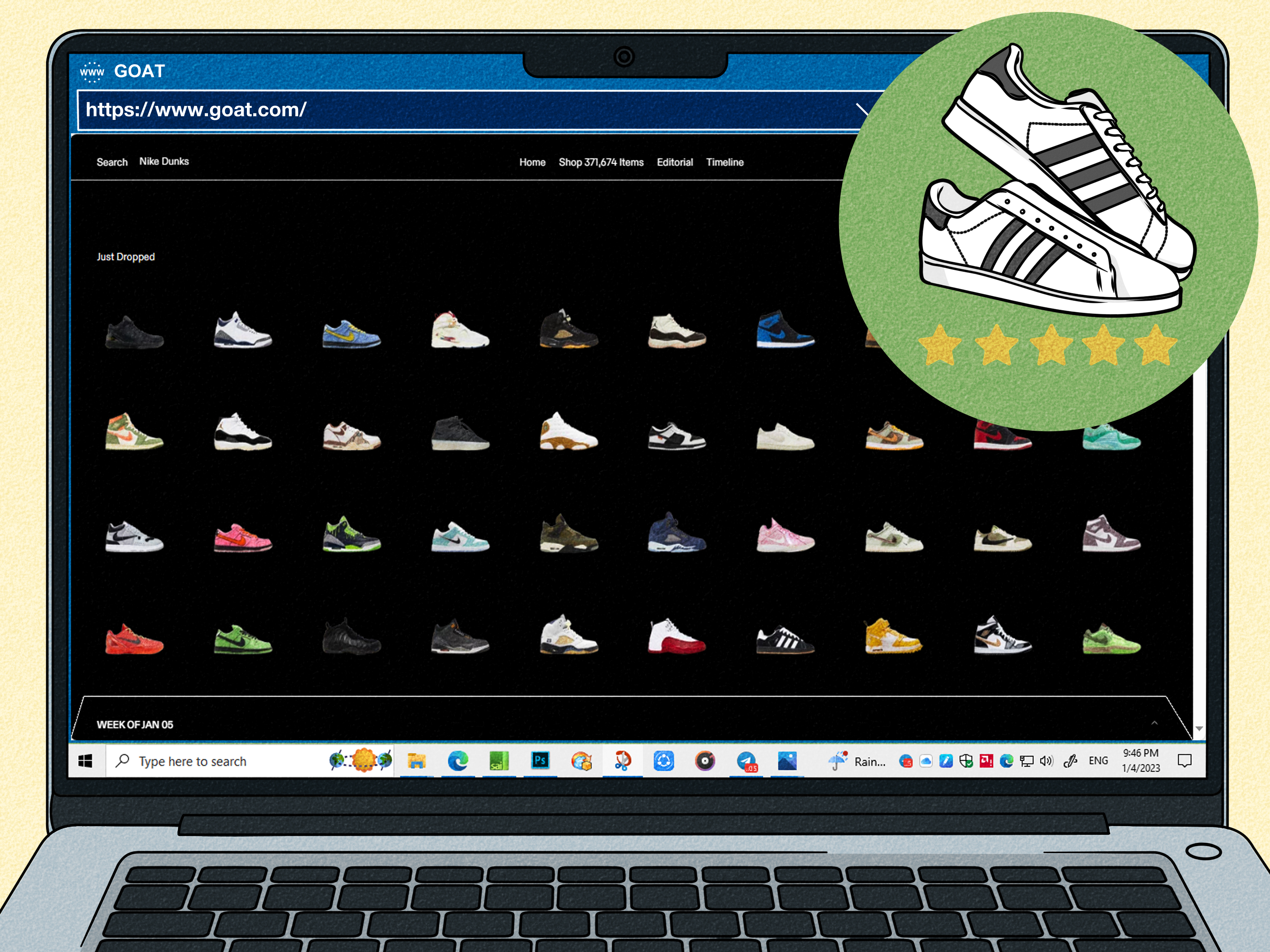
If you have ever stared at a pair of suspiciously beautiful sneakers on GOAT and thought, “Am I buying grails or a very expensive life lesson?” you are not alone. In the sneaker world, fear of fakes is practically part of the checkout process. Limited releases, resale markups, and increasingly sophisticated replicas have made buyers cautious, skeptical, and occasionally dramatic enough to inspect a shoebox like it contains classified documents.
So, does GOAT sell fake shoes? The honest answer is this: GOAT is a legitimate sneaker marketplace built around authentication, and its entire business model is designed to reduce the chance of counterfeits reaching buyers. That said, no resale platform handling huge volumes of inventory can realistically promise perfection. Mistakes, disputes, and unhappy buyers still happen. The smarter question is not just whether GOAT is legit, but how its system works, where the risks still live, and what you should do if something seems off.
This guide breaks it all down in plain English. No hype, no panic, and no “bro trust me” logic.
What Is GOAT, Exactly?
GOAT is one of the biggest sneaker resale platforms in the market, offering new, used, and specialty footwear, along with apparel and accessories. It operates as a marketplace connecting buyers and sellers, but unlike the wild west version of online resale, many items go through a verification process before they reach the customer.
That detail matters. GOAT is not just a digital bulletin board where a random seller tosses shoes into the mail and hopes for the best. For most resale items, the seller ships the sneakers to GOAT first. GOAT checks whether the pair appears authentic and whether it matches the listing. After that, the shoes are sent to the buyer. In theory, this extra stop is what separates GOAT from less controlled peer-to-peer marketplaces.
So, Does GOAT Sell Fake Shoes?
In the big-picture sense, GOAT does not intend to sell fake shoes. Its stated mission, platform design, and authentication process are all built to prevent that from happening. The company says resale items are verified before shipment, “Instant” items are pre-verified and shipped from GOAT facilities, and buyers can file claims if an item is inauthentic, incorrect, or not as described.
That is the official framework. But here is the real-world version: GOAT can still have disputes, misses, or customer-service failures. A sneaker platform can be serious about authenticity and still have some bad outcomes. Those two facts can exist at the same time, even if the internet prefers all-or-nothing drama.
So the most accurate answer is this: GOAT is generally considered a legit marketplace with meaningful authentication procedures, but it is not magically immune to human error, edge cases, or customer complaints. If someone asks whether GOAT is “safe,” the reasonable answer is yes, safer than many open marketplaces, but not risk-free.
Why People Trust GOAT
1. Authentication Is Central to the Business
GOAT was built around a trust problem in sneaker resale. Counterfeits were already a headache long before resale apps became mainstream, and GOAT’s founders have openly discussed the fake-sneaker problem as the reason the company exists. That origin story matters because authentication is not a side feature bolted onto the business; it is the business.
2. Many Pairs Are Physically Checked
For standard resale items, the shoes are shipped to GOAT for verification before the buyer gets them. That physical inspection step is a major layer of protection. In sneaker authentication, tiny details matter: shape, stitching, materials, label placement, odor, outsole texture, box accuracy, and manufacturing quirks. A legit-check is rarely about one dramatic giveaway. It is usually about a bunch of small signals that add up.
3. GOAT Uses More Than One Verification Method
GOAT says it uses a mix of digital authentication, in-hand verification, and machine-learning technology. That suggests the process is not just one employee squinting at a heel tab under fluorescent lights while fighting for their life against a Monday morning. It is a layered system that combines trained specialists with technology and product data.
4. Pre-Verified “Instant” Inventory Exists
Some products on GOAT are listed as “Instant,” meaning they have already been authenticated and are shipping from GOAT facilities. That can reduce the waiting game and remove one step where seller-side issues might appear.
Why People Still Worry About Fake Shoes on GOAT
1. The Fake Sneaker Market Is Very Good at Being Annoying
Replica sneakers have become far more sophisticated. Some counterfeits are easy to spot. Others are close enough to make even experienced buyers uncomfortable. In a market where people pay hundreds or thousands of dollars for a pair, “probably real” is not exactly the bedtime story anyone wants.
2. Human Systems Are Never Perfect
Even the best authentication process can miss something. Limited releases, unusual production variations, aging materials, regional packaging differences, and used pairs can complicate legit checks. When people ask whether GOAT ever sells fake shoes, they are often really asking whether a counterfeit could ever slip through. The answer is: it is possible, even if the platform is built to prevent it.
3. Consumer Complaints Exist
Public reviews and complaints show a mixed picture. Many buyers report smooth transactions and confidence in GOAT’s verification system. Others complain about delayed deliveries, condition issues, incorrect items, refund friction, or suspicion that an item was not properly checked. That does not prove GOAT is a counterfeit marketplace. It does show that real customer disputes exist, and they are part of the platform’s reputation.
What GOAT’s Policies Actually Mean for Buyers
This is where things get important. A lot of sneaker buyers do not get into trouble because they bought a fake. They get into trouble because they assumed every problem would be handled the way they hoped.
Buyer Protection Is Not the Same as Unlimited Returns
GOAT’s Buyer Protection Policy says coverage can apply if your item is inauthentic, incorrect, does not match the listing, or is missing a key feature. That is helpful. But the policy also has timelines and conditions. Buyers generally need to report issues within 30 days of receiving the item.
That means you should not let the box sit in a corner for two weeks while telling yourself you are “saving the unboxing experience for a special moment.” The special moment is now. Open the package, inspect everything, and act quickly if something looks wrong.
Standard Returns Have Limits
GOAT does allow returns for certain categories, but not all purchases are treated equally. Used items, many final-sale items, auction purchases, special items, and some other categories are excluded from standard returns. In many cases, regular returns are refunded as GOAT Credit, not necessarily cash back to your original payment method.
That detail surprises a lot of people. If you are buying used sneakers, vintage pairs, or defect listings, read the fine print before checkout. A buyer who expected department-store flexibility may discover they actually bought under sneaker-resale rules, which are a different species entirely.
Used and Defect Listings Require More Attention
GOAT is popular partly because it lets buyers find used or imperfect pairs at better prices. That can be a great deal, but it also shifts more responsibility onto the buyer. Listing photos, scuffs, yellowing, missing accessories, box condition, and wear level matter. If you buy a pair marked with flaws, you cannot later act shocked that the shoes are not floating on a cloud of retail perfection.
What Happens If GOAT Thinks a Seller Sent Replicas?
GOAT says that if a seller sends in items it deems fake, the buyer gets a full refund, and the seller can be charged a fee. That policy is one of the clearest signs that GOAT is not casually shrugging at counterfeits. The system is designed to block replica pairs before they move forward.
Of course, a tough anti-fake policy does not automatically mean every dispute ends cleanly. It simply shows that GOAT has a formal process for rejecting suspicious inventory rather than waving it through like a bouncer who forgot his glasses.
The FTC Problem: Why It Matters
One reason the “Is GOAT legit?” conversation gets messy is that authenticity is only one part of trust. In late 2024, the Federal Trade Commission announced action requiring GOAT to pay more than $2 million related to shipping practices and the way it handled certain buyer-protection and return representations.
That does not mean the FTC declared GOAT a counterfeit seller. It does mean regulators took issue with shipping promises and with how relief for deficient products was represented or delivered. For shoppers, the lesson is simple: trust on a resale platform is not only about whether the shoe is real. It is also about whether the company communicates clearly, ships on time, and honors its own policies consistently.
How to Reduce Your Risk When Buying on GOAT
Inspect the Pair Immediately
Open the package as soon as it arrives. Check the SKU, size label, box label, shape, materials, stitching, smell, insoles, and accessories. Compare the pair to official release photos and trusted legit-check resources.
Document the Unboxing
Take clear photos or video while opening the package. If there is a problem, documentation helps. It is much easier to explain a concern when you have evidence instead of an email that basically says, “These vibes feel wrong.”
Read the Listing Carefully
New in box, used, defect, vintage, and final sale are not interchangeable. They are different buying experiences with different expectations and different return realities.
Report Problems Fast
If the shoes seem inauthentic or not as described, contact GOAT quickly. Waiting too long can make a bad situation worse.
Be Realistic About Prices
A below-market deal is not always a scam, but ultra-cheap hype sneakers should trigger your internal alarm. In resale, if the price looks like a miracle, it may actually be a plot twist.
Who Should Buy from GOAT?
GOAT makes the most sense for buyers who want a major resale platform with structured authentication and who understand the rules of the resale game. It is especially useful for people shopping for hard-to-find releases, used pairs, or pre-verified inventory.
If you want endless flexibility, instant refunds, and a no-questions-asked return culture, GOAT may feel strict. If you want access to a huge catalog with more protection than a loose peer-to-peer transaction, GOAT remains one of the more credible options in the market.
Real-World Experiences Buyers Commonly Have on GOAT
Talk to enough sneaker buyers and you will hear a familiar pattern. A first-time customer places an order, feels excited for about six minutes, and then spends the next several days Googling whether GOAT sells fake shoes. The package arrives, the buyer inspects the box like a forensic scientist, and then one of two things usually happens: relief or a support ticket.
Many people describe smooth experiences. Their shoes arrive looking right, the authentication process gives them peace of mind, and the pair matches the listing. For those buyers, GOAT feels like what it promises to be: a structured marketplace that makes resale less chaotic. These are the customers who become repeat buyers because the platform removes just enough uncertainty to make expensive sneaker purchases feel survivable.
Then there is the second category: the anxious-but-not-disastrous experience. Maybe shipping takes longer than expected. Maybe the box is rougher than hoped. Maybe the pair is legit, but the condition is not quite what the buyer pictured in their head. Nothing is catastrophically wrong, yet the experience still feels stressful because sneaker resale is emotional. Nobody spends serious money on grails hoping for an “almost thrilled” ending.
The most frustrating stories usually involve mismatch or support problems rather than obvious Hollywood-level fakes. Buyers complain that an item looked different from the listing, arrived with condition issues, or became difficult to resolve through customer service. Sometimes the issue is not authenticity at all. It is communication, timing, or refund expectations. A customer expects a full cash refund; the policy points toward GOAT Credit. A shopper assumes a used pair can be treated like a standard retail return; the platform treats it like a final-sale-style resale transaction unless buyer protection clearly applies. That gap between expectation and policy is where many complaints are born.
There is also a very sneaker-specific experience that does not get talked about enough: legit pair, nervous buyer. Because replicas have improved so much, some customers receive real shoes and still worry they are fake. They compare stitching, smell glue, zoom in on heel tabs, and spiral into twenty-seven tabs of internet analysis. In other words, the shoes may be authentic, but the buyer’s peace of mind is still fighting for its life.
The lesson from all these experiences is not that GOAT is shady. It is that resale requires attention. The happiest buyers are usually the ones who read the listing carefully, understand the return rules, inspect their shoes immediately, and keep documentation handy. GOAT can be a strong place to buy sneakers, but it rewards buyers who shop like adults and not like people wandering into a raffle line with nothing but optimism.
Final Verdict
Does GOAT sell fake shoes? As a platform, GOAT is designed to stop fake shoes from reaching buyers, and that is a big reason it remains popular in sneaker resale. Its verification system, pre-verified inventory options, and buyer-protection structure make it more trustworthy than many unstructured marketplaces.
But if you want the no-nonsense truth, here it is: GOAT is legit, not flawless. That is the sweet spot of reality. Most buyers will likely receive authentic shoes, especially when they pay attention to the listing and act quickly if something seems wrong. Still, because sneaker resale is high-risk by nature, shoppers should stay alert, understand the policies, and inspect every pair promptly.
In other words, GOAT is not in the business of selling fake shoes. It is in the business of trying very hard not to. For most buyers, that distinction matters a lot.