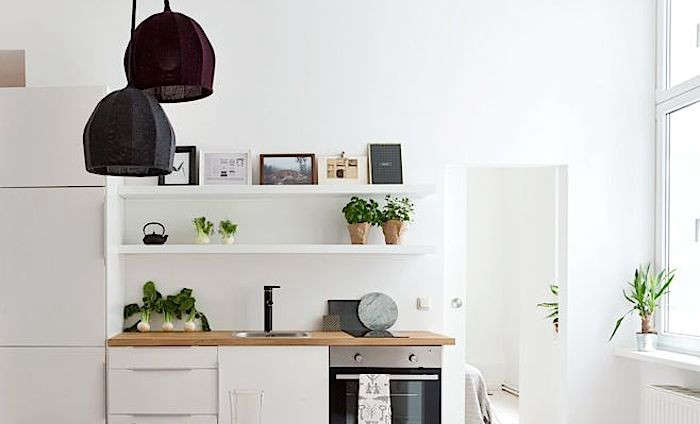
Some home design discoveries arrive with a trumpet blast. Others quietly dangle from the ceiling, wrapped in wool, looking like they wandered in from a stylish Berlin loft and forgot to leave. Knitted wool pendant lights belong firmly in the second category. They are soft but sculptural, practical but poetic, and just unusual enough to make a dinner guest pause mid-sentence and ask, “Wait, is that lamp wearing a sweater?”
The phrase Design Sleuth: Knitted Wool Pendant Lights points to one of those delightful interiors moments where a small object steals the room. The original fascination centered on wool-covered pendant lamps seen in a Berlin apartment and traced to LLOT LLOV, a Berlin-based design studio known for turning traditional craft into contemporary furniture, lighting, and objects. Their Ray Merino lamp is not simply a shade with a cord; it is a flexible lighting object wrapped in knitted merino wool, designed to hang, drape, knot, loop, or lean into a room like a cozy design accomplice.
In a world crowded with glass globes, brass cones, and black metal pendants, a knitted wool pendant light feels refreshingly human. It adds texture where lighting often adds shine. It softens hard architectural lines. It makes a modern room feel less like a showroom and more like a place where actual people drink coffee, lose keys, and argue gently about thermostat settings.
What Are Knitted Wool Pendant Lights?
Knitted wool pendant lights are hanging light fixtures that use knitted or felted wool as a major visual and tactile material. In some designs, the wool covers the shade. In others, it wraps the electrical cord, forms a sculptural sleeve, or stretches over a metal frame. The result is lighting that feels closer to textile art than ordinary hardware.
The LLOT LLOV Ray Merino lamp is a standout example. It features a merino-wool-covered lampshade and a long wool-covered cable, giving the user unusual freedom to place and shape the light. Instead of disappearing into the ceiling like a standard pendant cord, the cable becomes part of the composition. It can be looped over hooks, stretched across a room, or gathered into sculptural lines. Basically, it is the rare lamp that asks to be styled rather than merely installed.
The Charm of the “Sweatered” Lamp
Most pendant lights are judged by silhouette, finish, and brightness. Knitted wool pendant lights add another quality: touch. Even if you never physically touch the shade, the eye reads it as soft. That softness changes how the room feels. A wool pendant can make concrete warmer, white walls friendlier, and minimalist interiors less severe.
This is why knitted lighting works so well in modern apartments, Scandinavian-inspired homes, Japandi interiors, cozy reading corners, boutique bedrooms, nurseries, and dining rooms where the mood should say “stay for dessert” rather than “please admire my expensive ceiling fixture from a respectful distance.”
Why Wool Works So Well in Lighting Design
Wool is not the first material most people associate with pendant lighting. Metal, glass, rattan, paper, and ceramic usually get there first, wearing tiny medals of familiarity. Yet wool brings several design advantages that make it surprisingly practical.
Texture Without Visual Noise
Knitted wool has depth. The loops, ribs, and stitch patterns create shadows before the light is even switched on. Unlike a loud pattern or glossy finish, texture adds interest without overwhelming the room. A gray wool pendant can feel calm, but never flat. A cream wool shade can brighten a space without looking sterile. A charcoal knitted pendant can add drama without shouting across the kitchen island.
Warmth in Modern Rooms
Modern interiors often rely on smooth surfaces: plaster walls, stone counters, steel frames, glass partitions, polished floors. Beautiful? Absolutely. Cozy? Sometimes about as cozy as a museum bench. Wool corrects that imbalance. A knitted pendant light introduces the same kind of warmth you get from a throw blanket, area rug, or upholstered chair, but it does it overhead.
Soft Light and Atmosphere
Depending on the knit density and shade structure, wool can filter light gently and create a warmer visual mood. A knitted shade may cast subtle shadows or diffuse glare, especially when paired with a warm-white LED bulb. It is not always the right choice for high-intensity task lighting, but for ambient lighting, dining spaces, bedrooms, and lounge areas, it can be wonderfully flattering. Everyone looks better under a softer glow. Even the houseplants seem more emotionally available.
The LLOT LLOV Ray Merino: A Case Study in Clever Design
The Ray Merino pendant by LLOT LLOV is one of the best-known examples of the knitted wool lighting idea. It combines a merino wool shade, a steel cage, and a long covered cable that turns the lamp into a flexible installation. The product is described as a pendant lamp, but it behaves more like a lighting system. It can hang above a table, wind across a wall, or create an atmospheric corner where a normal lamp might look too predictable.
That flexibility is the secret sauce. Many pendant lights are fixed in place, and once the electrician leaves, the lamp’s personality is basically locked for life. Ray Merino invites the owner to participate. The user becomes part stylist, part installer, and part person trying to make the cord look effortless while secretly adjusting it six times. That is not a flaw; that is the fun.
Materials and Mood
Merino wool gives the Ray lamp its softness and dense knitted look. Merino is known for its fine texture, which helps the lamp feel refined rather than crafty in the “I made this at summer camp and now everyone must praise it” sense. The steel structure gives the shade shape and stability, while the wool covering makes the industrial bones feel domestic.
The color options often associated with this kind of lampsuch as soft gray, graphite, and earthy neutral tonesalso make it easy to place in real homes. These are not neon novelty fixtures. They are quiet statement pieces, which is a tricky balance to achieve. A knitted pendant light should be interesting enough to start a conversation but calm enough not to dominate breakfast.
Where Knitted Wool Pendant Lights Look Best
The beauty of knitted wool pendant lights is that they can work in several rooms, but they need the right setting. Treat them like character actors: give them the correct role, and they make the entire scene better.
Over a Dining Table
A wool pendant above a dining table creates instant intimacy. It lowers the visual ceiling, frames the table, and makes meals feel more gathered. For most dining tables, a pendant hung roughly 28 to 36 inches above the tabletop is a common starting point, though the best height depends on the fixture size, ceiling height, and sightlines. The goal is simple: illuminate the table without making guests duck like they are entering a submarine.
In a Reading Corner
A knitted pendant can be especially charming in a reading nook. Hang it beside an armchair, loop the cord from a ceiling hook, and pair it with a warm LED bulb. Add a small table, a wool throw, and a book you claim you are “almost finished” with, and suddenly the corner has main-character energy.
Beside the Bed
Instead of traditional bedside lamps, consider a pair of small textile pendants. This frees up nightstand space and adds a boutique-hotel feeling. Wool shades are especially appealing in bedrooms because they soften the atmosphere. Choose dimmable bulbs or a wall control if possible, unless you enjoy being flash-banged by your own decor at 11:47 p.m.
In Minimalist or Industrial Spaces
Knitted wool pendant lights shine in minimalist and industrial interiors because they contrast beautifully with hard materials. Against brick, concrete, plywood, steel, or white plaster, wool adds warmth without compromising clean lines. It tells the room, “You may be modern, but you still deserve a hug.”
How to Style Knitted Wool Pendant Lights
Styling a knitted wool pendant light is not complicated, but it does require restraint. Because the material already has texture, surrounding pieces should support it rather than compete with it.
Pair Wool With Honest Materials
Wool looks best beside materials that feel natural or substantial: oak, walnut, ash, linen, clay, stone, plaster, matte metal, leather, or woven rugs. This creates a layered look that feels collected, not chaotic. Avoid placing a knitted wool pendant in a room already overloaded with heavy patterns, unless your design goal is “craft fair inside a thunderstorm.”
Use Color Carefully
Neutral wool pendants are the easiest to live with. Graphite, oatmeal, warm gray, ivory, camel, and taupe all work beautifully. If you choose a bold color, let it be the star. A mustard wool pendant over a white breakfast table can be fantastic. A mustard wool pendant in a room with red chairs, blue cabinets, floral wallpaper, and a striped rug may require a referee.
Think About Scale
A single wool pendant can look poetic over a small table or reading chair. Over a long kitchen island, two or three smaller pendants may work better. For island lighting, many designers use a general guideline of about 30 to 36 inches between the countertop and the bottom of the fixture. Also leave breathing room at the ends of the island so the layout looks intentional rather than squeezed in at the last second.
Lighting Quality: Bulbs, Brightness, and Temperature
The wrong bulb can ruin a beautiful shade. With knitted wool pendant lights, LED bulbs are usually the smarter choice because they are energy-efficient and produce less heat than traditional incandescent bulbs. Choose a bulb recommended by the manufacturer, especially when the shade uses fabric or wool. Never exceed the fixture’s wattage rating, and do not improvise with random bulbs just because one was lonely in the junk drawer.
For mood lighting, a warm white bulb around 2700K is often flattering. For a dining room, dimmability is extremely useful. For a reading corner, you may want slightly brighter output, but still diffused enough to avoid harsh glare. When in doubt, test the bulb at night, because daylight lies. A lamp that looks gentle at noon can become a tiny interrogation device after sunset.
Safety Considerations for Wool Pendant Lights
Wool is naturally more flame resistant than many fibers, but that does not mean every wool-covered lighting project is automatically safe. Lighting is electrical, heat-producing, and installed overhead. That combination deserves respect.
Buy from reputable makers, check for safety certifications when shopping in the United States, and confirm that the fixture is compatible with your voltage, bulb type, and installation method. For ceiling-mounted pendants, professional installation is usually the best choice. If the lamp includes a long cord meant to be looped or draped, keep it away from sharp edges, moisture, children’s climbing routes, and enthusiastic pets who believe all dangling things are personal challenges.
For DIY-minded readers, the safest approach is to use certified lighting kits and heat-appropriate shade materials rather than improvising around an unknown socket. A knitted cover should never touch a hot bulb, block ventilation, or hide damaged wiring. Design bravery is good. Electrical bravery is how people end up telling embarrassing stories to insurance adjusters.
Are Knitted Wool Pendant Lights Practical?
Yes, but they are not universal. A knitted wool pendant light is practical when used for atmosphere, accent lighting, dining, bedrooms, and cozy zones. It may be less practical in greasy kitchen work areas, humid bathrooms, or dusty workshops. Wool can attract dust, and textured surfaces require gentler cleaning than glass or metal.
To maintain a wool pendant, use a soft brush attachment on a vacuum or a lint roller for surface dust. Avoid soaking the shade. If the manufacturer provides care instructions, follow them with the seriousness normally reserved for tax forms and sourdough starter feeding schedules.
Design Alternatives: Felt, Knit, Linen, Rattan, and Paper
If you love the idea of soft lighting but cannot find the exact knitted wool pendant you want, there are related options. Wool felt pendants offer a smoother textile look and often have acoustic benefits. Knitted lamps like the Knit-Wit style use yarn structure to distribute light through a patterned surface. Linen pendants provide softness with a more classic profile. Rattan and paper lanterns bring warmth and texture at a wider range of prices.
The key difference is personality. Linen is relaxed and familiar. Rattan is casual and organic. Paper is airy and sculptural. Wool is cozy, tactile, and a little unexpected. It has the visual equivalent of a good cardigan: useful, warm, and quietly stylish.
Who Should Choose Knitted Wool Pendant Lights?
Knitted wool pendant lights are ideal for homeowners and renters who want lighting with character but not chaos. They suit people who appreciate craft, texture, and flexible styling. They are especially good for interiors that feel too sharp, too cold, or too showroom-perfect.
They may not be the best fit if you want ultra-bright task lighting, a wipe-clean kitchen fixture, or a design that disappears completely. Wool pendants are not invisible. They have presence. They say, “Someone thoughtful lives here,” and occasionally, “Someone spent longer than expected arranging this cord.”
Design Experience: Living With Knitted Wool Pendant Lights
After spending time studying and styling textile lighting, the biggest lesson is that knitted wool pendant lights change a room before they even turn on. That may sound dramatic, but it is true. A bare bulb says utility. A metal shade says structure. A wool-covered pendant says comfort. The material carries emotional weight, and in interior design, emotion is not a bonus featureit is the whole reason people repaint walls three shades of beige and insist they are completely different colors.
One practical experience worth noting is that wool pendant lights are best planned as part of a lighting layer, not as the only light source in the room. In a dining area, for example, the pendant creates intimacy over the table, but wall sconces, recessed lights, or a nearby floor lamp can help balance the rest of the space. Without that support, the room may look beautiful directly under the pendant and suspiciously cave-like everywhere else.
Another lesson is that cord placement matters. With a fixture like the Ray Merino, the long wool-covered cable is part of the design. This is wonderful, but it means you should think compositionally. A cable looped casually over a hook can look artistic. A cable drooping randomly across a wall can look like the lamp gave up halfway through installation. Before committing, test several arrangements. Use removable hooks or temporary guides to visualize the route. Step back. Squint. Ask whether it looks intentional. Then adjust it again, because that is what design people do for fun.
In small apartments, knitted wool pendant lights can be surprisingly useful because they add softness without taking up floor space. A pendant beside a sofa can replace a floor lamp. A bedside pendant can clear the nightstand. A corner pendant can define a reading zone without adding another piece of furniture. This is especially helpful in city homes where every square foot has to justify its existence like it is appearing before a tiny design court.
Color choice also becomes more important once the light is installed. A pale wool shade may brighten a corner and feel airy during the day. A graphite shade may look more architectural and dramatic, especially against white walls. Earthy tones like camel, coyote, oatmeal, or warm gray tend to feel the most forgiving. They blend with wood, stone, linen, and leather, which means you are less likely to redecorate the entire room because one lamp developed too much personality.
For anyone considering a knitted wool pendant light, the best experience-based advice is to start with one statement location. Do not install six wool pendants across three rooms unless you are intentionally opening a very chic sheep-themed boutique hotel. Begin with a dining nook, bedroom corner, or reading chair. Let the fixture prove itself. If it makes the space feel warmer, more layered, and more personal, then consider expanding the idea elsewhere.
Finally, remember that textile lighting rewards care. Dust it gently. Use the correct bulb. Keep it away from moisture and cooking grease. Treat it less like disposable decor and more like a crafted object. A good knitted wool pendant light is not just a lamp; it is a small piece of domestic theater. It glows, softens, frames, and quietly steals attention without knocking over the furniture. That is a pretty impressive résumé for something wearing knitwear.
Conclusion
Knitted wool pendant lights prove that lighting does not have to be cold, glossy, or predictable to feel sophisticated. The best examples, including LLOT LLOV’s Ray Merino, combine craft, flexibility, and modern form in a way that feels both useful and poetic. They soften minimalist rooms, add depth to neutral palettes, and turn a simple overhead fixture into a conversation piece.
For homeowners who want warmth without clutter, texture without fuss, and a pendant light with genuine personality, knitted wool lighting is worth a serious look. Just choose the right scale, use safe bulbs, check installation requirements, and give the cord the styling attention it deserves. After all, when your lamp shows up wearing merino wool, the least you can do is help it make a good entrance.