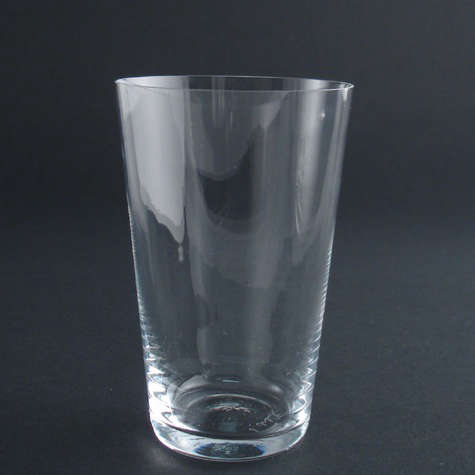
Some objects walk into a room quietly and still manage to steal the table. The Deborah Ehrlich shot glass is one of those rare little pieces: small in scale, serious in craftsmanship, and so understated that it practically whispers, “Yes, I was handblown in Sweden, but please continue talking about the cheese board.”
At first glance, it is just a clear crystal shot glass. Look longer, and the story becomes richer. This is not novelty barware with a funny slogan printed on the side. It is a compact example of Deborah Ehrlich’s design philosophy: simplicity, balance, clarity, touch, and a deep respect for traditional glassmaking. In a world full of loud objects begging for attention, this one wins by not trying too hard.
Deborah Ehrlich is known for her Simple Crystal collection, a line of glassware sketched from her Hudson Valley studio and made by skilled artisans in Sweden. The shot glass belongs to that same refined family: handblown, carefully shaped, light in the hand, and usually signed by the designer. It is minimalism with manners.
Who Is Deborah Ehrlich?
Deborah Ehrlich is an American designer whose work centers on glassware, lighting, furniture, and sculptural objects. Her crystal pieces are often described as elegant, restrained, and deeply tactile. Instead of using decoration as the main event, Ehrlich lets proportion, clarity, thinness, and weight do the talking.
Her glassware has been associated with a modern craft tradition: contemporary forms produced through old-world hand skills. The Simple Crystal line, introduced around 1999 with Takashimaya, helped establish her reputation among design-conscious collectors, stylists, and people who believe a glass should feel as good as it looks.
The result is glassware that does not scream luxury. It simply behaves like it. A Deborah Ehrlich shot glass is the opposite of “look at me” design. It is more like “notice me when you are ready.” Very civilized. Very crystal.
What Makes the Deborah Ehrlich Shot Glass Special?
The short answer: restraint. The longer answer: a combination of Swedish crystal, handblown production, balanced proportions, a fine rim, and a design language that turns a tiny vessel into a tabletop sculpture.
Many shot glasses are treated as disposable party props. Ehrlich’s version takes the format seriously. It has a tall, clean silhouette, a delicate presence, and a sense of purpose. Depending on the retailer or production reference, dimensions are commonly listed around 3.3 to 3.75 inches high, placing it closer to a slender tasting glass than a chunky souvenir cup from a beach boardwalk.
Lead-Free Swedish Crystal
The Deborah Ehrlich crystal shot glass is typically described as made from lead-free crystal, handblown in Sweden. That matters because crystal quality affects clarity, brightness, weight, and the way light travels through the glass. A good piece of crystal does not just sit on the table; it catches the room.
The glass is often praised for its remarkable strength and clarity. This is a key part of the Simple Crystal identity. The form is thin and refined, but not flimsy. It has the kind of confidence that says, “I am delicate, not dramatic.”
A Paper-Thin Lip and Balanced Feel
One of the most admired details in Deborah Ehrlich glassware is the thin lip. A finely cut and polished rim changes the entire experience of using a glass. It feels cleaner, lighter, and more precise. Even when the vessel is small, the rim gives it elegance.
The shot glass is also designed with balance in mind. It should feel comfortable between the fingers, not awkward or top-heavy. That balance is part of why collectors appreciate Ehrlich’s glassware: it is beautiful on a shelf but not too precious to touch.
Signed by the Designer
Many Deborah Ehrlich pieces are signed, often noted as marked on the bottom. That signature reinforces the sense that the glass is not anonymous factoryware. It has authorship. It has a maker’s story. It has, dare we say, a tiny crystal résumé.
Design Style: Minimalism Without the Cold Shoulder
Minimalist design can sometimes feel severe, like furniture that disapproves of your snacks. Deborah Ehrlich’s shot glass avoids that trap. Its simplicity feels warm because it is rooted in handcraft. The human element softens the geometry.
The shape is clean, but not sterile. The surface is clear, but not bland. The scale is small, but the presence is surprisingly strong. This is why the Deborah Ehrlich shot glass works in several interiors: modern apartments, rustic dining rooms, gallery-like kitchens, traditional homes, and quietly luxurious spaces where every object seems to have been chosen after a long and meaningful stare.
How to Style a Deborah Ehrlich Shot Glass at Home
A beautiful shot glass does not need to be hidden until a formal occasion. In fact, one of the best things about the Deborah Ehrlich design is that it can function as both glassware and a decorative accent.
On a Minimalist Bar Tray
Place a few Deborah Ehrlich shot glasses on a simple tray with a small carafe, a linen cocktail napkin, and one sculptural object. Keep the palette calm: clear glass, warm wood, brushed metal, or matte ceramic. The glassware will do the sparkle work.
As a Tiny Vase
Because the shot glass has an elegant vertical profile, it can hold a single stem, a sprig of herbs, or a small seasonal bloom. One tiny flower in a crystal shot glass on a bedside table? Suddenly your room looks like it has a stylist. A very calm stylist.
For Tastings and Small Servings
The glass can be used for small pours, dessert sauces, espresso-style presentations, palate cleansers, or tasting portions. It works beautifully when the goal is presentation rather than volume. Think refined, not rowdy.
Mixed With Other Glassware
Deborah Ehrlich’s Simple Crystal pieces are designed to live comfortably with other tableware. Pair the shot glass with simple white plates, hand-thrown ceramics, linen napkins, or vintage silver. Its clarity makes it flexible, while its form keeps it distinctive.
Why Collectors Appreciate Deborah Ehrlich Glassware
Collectors often value objects that combine beauty, usability, and a recognizable design point of view. The Deborah Ehrlich shot glass checks all three boxes. It is not a mass-market novelty item. It belongs to a broader design collection with a consistent language: clarity, lightness, thinness, and proportion.
Another reason collectors appreciate these glasses is the connection to Swedish glassmaking. Sweden has a long reputation for refined glass production, and Ehrlich’s work draws on that craft tradition while keeping the silhouette modern. The result feels timeless rather than trendy.
There is also the matter of scale. A shot glass is an accessible way to enter a designer’s glassware collection. It offers the same philosophy as larger wine glasses, water glasses, champagne glasses, rocks glasses, and decanters, but in a compact format. Small object, big design energy.
Deborah Ehrlich Shot Glass vs. Ordinary Shot Glass
An ordinary shot glass usually prioritizes durability, branding, or price. The Deborah Ehrlich shot glass prioritizes proportion, clarity, touch, and craft. That difference changes the object’s role.
A standard shot glass may sit in a cabinet until needed. Ehrlich’s version can sit in plain view because it contributes visually to the room. It is not just a vessel; it is part of the atmosphere.
The difference is similar to comparing a paper cup with a handmade ceramic mug. Both can technically hold liquid. Only one makes you slow down for two seconds and think, “Well, this is nice.”
Care Tips for Fine Crystal Glassware
Fine crystal deserves gentle treatment. Deborah Ehrlich glassware is admired for being light yet strong, but handblown crystal should still be handled with care. Wash pieces by hand with mild soap, warm water, and a soft cloth. Avoid aggressive scrubbing pads, sudden temperature changes, and crowded sinks where crystal goes to meet its enemies: forks.
Dry the glass with a lint-free towel to preserve clarity. Store it upright in a stable cabinet or display it where it will not be knocked by heavier objects. If the piece is signed on the bottom, avoid dragging it across rough surfaces.
In short: treat it like a small work of art that happens to be useful. No panic required, just respect.
Who Is the Deborah Ehrlich Shot Glass For?
The Deborah Ehrlich shot glass is ideal for people who love design details, collect fine glassware, enjoy understated luxury, or want tabletop pieces that feel personal rather than generic. It also makes sense for gift-givers looking for something small but meaningful.
It is especially appealing for those who prefer quiet design over decorative excess. There are no flashy patterns, novelty graphics, or oversized logos. The beauty is in the clarity, the rim, the weight, and the way the glass catches light at the edge.
Is It Worth It?
Whether the Deborah Ehrlich shot glass is “worth it” depends on what you value. If you want a basic utility item, countless cheaper shot glasses exist. If you want a refined piece of handblown crystal with a designer pedigree and a timeless shape, this glass occupies a different category.
It is best understood as functional design. You are not only buying a small glass. You are buying a relationship between material, handcraft, proportion, and daily ritual. That may sound poetic for something that fits in your palm, but great design often hides in small places.
Experience Notes: Living With a Deborah Ehrlich Shot Glass
The first thing you notice about a Deborah Ehrlich shot glass is not drama. It is quietness. Pick it up, and the experience is almost surprisingly calm. The glass is light, but not nervous. Thin, but not weak. Clear, but not ordinary. It has the kind of balance that makes you rotate it in your fingers for a moment before setting it down again.
On a table, it behaves beautifully. In morning light, it can throw a little brightness across a surface without becoming flashy. At dinner, it looks refined beside linen, ceramics, and stainless flatware. On an open shelf, it does not need a crowd. One or two pieces can make the whole shelf feel more intentional.
Using it for small servings also changes the mood of presentation. A tiny dessert sauce looks more elegant. A chilled amuse-bouche feels more composed. A single flower stem suddenly looks like a design decision instead of something rescued from the bottom of a bouquet. This is where the glass becomes fun: it makes ordinary moments feel slightly edited, as though your kitchen has developed taste overnight.
The rim is another part of the experience. A thicker glass often feels blunt, but a fine rim feels precise. It creates a cleaner contact point and gives the piece a sense of delicacy. That detail is easy to overlook in photos but obvious in the hand. It is the difference between seeing the design and feeling it.
There is also pleasure in its restraint. Some luxury objects announce themselves loudly. This one does not. It rewards attention rather than demanding it. Guests who care about design may notice the signature or the thinness of the crystal. Others may simply think the table looks better without knowing why. That is good design doing its sneaky little job.
Over time, the Deborah Ehrlich shot glass can become part of personal rituals. Maybe it sits on a tray with other crystal pieces. Maybe it holds a single garden clipping. Maybe it becomes the small glass used when presentation matters. Its value grows not because it changes, but because it fits into moments gracefully.
The best experience related to this glass is realizing that scale does not determine importance. A small object can carry a complete design philosophy. It can show discipline, craft, and personality without decoration. It can make a table feel more thoughtful. It can remind you that beauty does not always need a large footprint. Sometimes it is only 3 or 4 inches tall and made of clear crystal.
Conclusion
The Deborah Ehrlich shot glass is a small but memorable example of modern American design shaped by Swedish glassmaking tradition. Its beauty comes from clarity, proportion, thinness, balance, and the confidence to remain simple. For collectors, design lovers, and anyone building a more thoughtful tabletop collection, it offers more than function. It offers a tiny, luminous lesson in restraint.
In a marketplace crowded with decorative noise, Deborah Ehrlich’s crystal shot glass proves that the quietest object can be the one people remember. No gimmicks. No shouting. Just clear crystal, careful hands, and a form that knows exactly what it is doing.