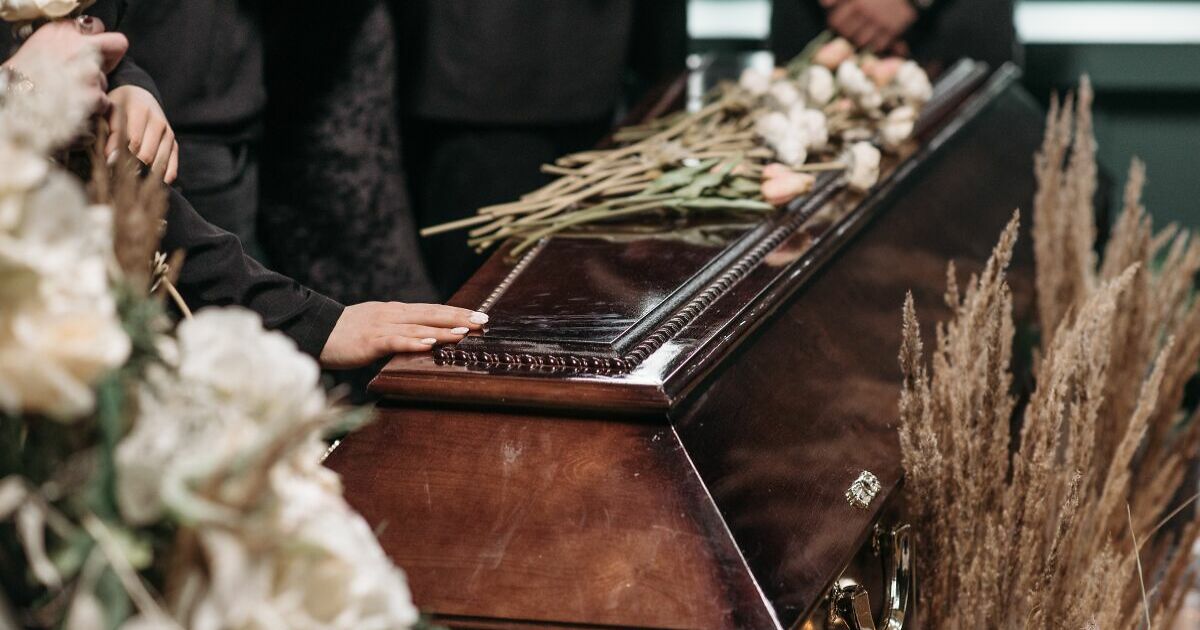
It sounds like the opening scene of a horror movie: a coffin arrives at a crematorium, relatives are grieving, temple staff are preparing for final rites, and thenknock, knock. Not from a polite visitor at the door, but from inside the coffin. In Thailand, a 65-year-old woman believed to be dead stunned everyone when she showed signs of life shortly before her scheduled cremation. The story spread around the world because it touches one of humanity’s oldest fears: being declared dead when you are very much not finished with your subscription to life.
The woman had reportedly been bedridden for about two years and had become unresponsive at home. Her brother believed she had stopped breathing and placed her in a coffin. He first tried to honor her wish to donate organs, but the hospital would not proceed without official death documentation. He then brought her to Wat Rat Prakhong Tham, a Buddhist temple in Nonthaburi province near Bangkok, for cremation. There, staff noticed movement and heard faint knocking. When the coffin was opened, the woman was alive, weak, and slightly responsive. She was taken to a hospital for treatment. In other words, paperworkoften the least dramatic character in any storymay have helped save her life.
This bizarre and frightening incident is not simply a “believe it or not” headline. It raises serious questions about how death is confirmed, why rare mistakes happen, and what families should do when a loved one appears to have passed away. It also reminds us that in medicine, as in group chats, assumptions can go very wrong when nobody verifies the details.
The Real Story Behind the Viral Coffin Incident
The Thailand case became international news because of its almost unbelievable timing. According to reports, the woman’s brother had transported her a long distance after she appeared lifeless. She had been ill and bedridden for years, which made her unresponsiveness seem like the tragic but expected end of a long decline. However, what looked like death to a grieving family member was not legally or medically confirmed death.
At the temple, staff reportedly refused to continue with cremation because the family did not have an official death certificate. That refusal changed everything. While temple personnel were explaining how to obtain the required documentation, faint sounds came from the coffin. The woman was seen moving her arms and head. Temple workers opened the coffin and discovered she was still alive. The situation quickly shifted from funeral preparation to emergency rescue.
The most important detail is not the dramatic knock. It is the missing death certificate. In many places, cremation cannot legally proceed without official documentation because cremation is irreversible. Once a body is cremated, there is no second check, no correction, and no “oops, let’s review that again.” The requirement for documentation may feel bureaucratic during grief, but in this case, it functioned as a safety barrier.
Why Would Someone Be Mistaken for Dead?
Most of the time, death is clear and properly confirmed by trained professionals. But rare cases show that a person can appear dead when they are actually in a state of extremely weak or difficult-to-detect vital signs. A shallow breath, a faint pulse, low body temperature, severe illness, coma-like unresponsiveness, metabolic crisis, medication effects, or end-of-life decline can all make assessment difficult for nonprofessionals.
In this Thailand case, the woman had reportedly been bedridden for years and then became unresponsive. For a family member under emotional stress, especially without medical equipment, it may have seemed obvious that she had died. But “seems obvious” is not enough. Death confirmation requires trained assessment, documentation, and in many systems, a physician, medical examiner, coroner, or authorized professional.
There is also a medical phenomenon often discussed in these stories: the Lazarus effect, or delayed return of spontaneous circulation. It refers to the rare return of circulation after CPR has stopped, making a person appear to have died when vital signs later return. This is not the same as supernatural resurrection. It is a medical phenomenon involving delayed circulation, and it is rare. Still, its existence explains why monitoring and careful death determination matter.
Similar Cases Show This Is Rare, But Not Impossible
The Thailand incident is shocking, but it is not alone. In 2024, a Nebraska funeral home discovered that a 74-year-old hospice patient declared dead by a nursing home was still breathing. Funeral home workers began CPR, and she was rushed to a hospital, though she later died. In Iowa in 2023, a 66-year-old woman in hospice care was declared dead and transported in a body bag to a funeral home, where workers discovered she was breathing. She later died in hospice care. In New York, an 82-year-old woman was reportedly found breathing at a funeral home after being pronounced dead at a nursing facility.
Another widely reported case occurred in Ecuador, where 76-year-old Bella Montoya, declared dead at a hospital, shocked relatives by knocking from inside her coffin during her wake. She was returned to a hospital, and authorities investigated how the death certificate had been issued. In Michigan, the family of Timesha Beauchamp reached a multimillion-dollar settlement after she was declared dead at home, only to be found gasping for air at a funeral home. These cases are painful, frightening, and often legally complex, but together they underline one clear lesson: death determination must never be rushed.
To be clear, these incidents are extremely uncommon. Funeral homes, hospitals, hospices, and emergency responders handle countless deaths every year without such mistakes. But when errors do happen, the consequences are devastating. That is why systems rely on multiple safeguards: medical assessment, death certificates, permits, identification checks, and documented authorization before burial or cremation.
Death Is Not Just “No Movement”
Popular culture often teaches us to identify death by stillness. Someone stops moving, closes their eyes, and dramatic music plays. Real life is much more complicated. A person can be unconscious, deeply sedated, in a coma, hypothermic, severely weak, or breathing so shallowly that an untrained observer misses it. That does not mean they are dead.
Medical professionals assess death through a combination of signs and legal standards. These may include the absence of breathing, absence of circulation, lack of responsiveness, fixed pupils, and other clinical findings. In cases involving brain death, the standards are even more specific. Brain death is not a casual observation; it requires strict criteria, exclusion of reversible causes, and appropriate testing. Conditions such as low body temperature, drugs, metabolic problems, or severe low blood sugar can confuse the picture and must be considered.
This is why families should never rely on a quick glance, a hand near the nose, or the old “I don’t feel a pulse” test. Even trained people can have difficulty detecting a pulse in certain circumstances. For everyone else, the safest response is simple: call emergency services or a qualified medical professional. It is better to make an unnecessary call than to make an irreversible mistake.
Why Cremation Requires Extra Caution
Cremation is final. That finality is one reason laws and procedures around cremation tend to be strict. Families usually need proper authorization, a death certificate, and sometimes a waiting period or permit depending on local law. Funeral providers are also regulated in how they present services, pricing, and legal requirements. These rules are not just red tape wrapped in black ribbon. They exist to protect families, prevent fraud, confirm identity, and make sure the person being cremated has legally and medically been declared dead.
In the Thailand case, the temple’s refusal to proceed without documentation was crucial. The staff did not simply say, “Close enough.” They insisted on proper paperwork. That decision gave time for the woman’s signs of life to be noticed. It is a chilling reminder that safeguards may feel inconvenient in a moment of grief, but they can protect human life and dignity.
The Emotional Shock for Families
Imagine grieving a loved one, preparing for cremation, and then hearing a sound from the coffin. Relief might come first. Then horror. Then guilt. Then confusion. A family member may ask, “How did we not know?” But grief and caregiving exhaustion can distort perception. When someone has been severely ill for a long time, relatives may be emotionally prepared for death and may interpret unresponsiveness as the end.
That does not make them careless or cruel. It makes them human. Families caring for bedridden loved ones often operate under stress, fatigue, fear, financial pressure, and limited medical knowledge. The better lesson is not “shame the family.” The better lesson is “build systems that protect families from having to make medical determinations alone.”
When someone appears to have died at home, the first step should be contacting emergency services, a hospice nurse, the attending physician, or the proper local authority. A trained person should confirm death. Family members should not move the body for funeral arrangements until death has been officially verified. It may feel awkward to wait, but waiting is far better than discovering a mistake at the crematorium.
What This Story Teaches About Medical Trust
Stories like this can make people suspicious of hospitals, funeral homes, or medical professionals. That reaction is understandable, but it needs balance. The correct conclusion is not that death certificates are meaningless or that doctors routinely get death wrong. The correct conclusion is that rare mistakes prove why strict procedures matter.
Medicine works best when observation, documentation, and accountability reinforce one another. A person who appears dead should be examined by someone authorized and trained. A death certificate should not be treated as a casual form. A cremation should not happen without proper authorization. Funeral providers should follow the law. Families should feel empowered to ask questions, especially if anything seems rushed or unclear.
Trust does not mean blind acceptance. It means relying on professionals while also expecting clear communication. Families can ask: Who pronounced death? At what time? What signs were checked? Has the death certificate been completed? Are there any legal requirements before cremation? These questions are not rude. They are responsible.
Practical Experiences and Lessons Families Can Take From This Case
The story of a “dead” woman waking up moments before her own cremation is terrifying, but its most useful message is practical. Families do not need to live in fear of premature cremation. They do need to know what to do when a loved one becomes unresponsive. The first experience many caregivers describe is panic. A person who was breathing yesterday may suddenly become still, cold, or impossible to wake. In that moment, emotions race ahead of procedure. People cry, call relatives, search for documents, or begin funeral planning. But the very first action should be medical confirmation.
If a loved one is not responding, call emergency services unless a hospice or medical care plan has already given specific instructions. If the person is enrolled in hospice, call the hospice number immediately. Hospice nurses are trained for end-of-life situations and can guide the family step by step. If the person is not in hospice, emergency responders can check vital signs, begin life-saving care if appropriate, and contact the correct authority. A family member should not assume death because breathing is hard to see. Place a mirror under the nose if you must, but do not let household detective work replace professional assessment.
Another lesson is to keep medical and legal documents organized. Families caring for chronically ill relatives should know where identification, medication lists, physician contacts, hospice papers, advance directives, and emergency numbers are kept. This does not mean being gloomy. It means being prepared. Think of it as adulting with a file folder: boring until it saves the day.
The Thailand case also shows the value of asking funeral providers about required paperwork. Before burial or cremation, families should confirm that the death certificate, permit, authorization, and identity checks are complete. If any provider seems willing to skip essential steps, that is not kindness; it is a red flag wearing formal shoes. Proper procedure protects the deceased, the family, and everyone involved.
For caregivers, the emotional experience can be heavy. After months or years of caring for a bedridden person, exhaustion may blur judgment. Caregivers may feel guilty for hoping the suffering is over. They may feel guilty again if the person is still alive. These emotions are common, but guilt should not be the guide. Procedure should be the guide. Call the right people, wait for confirmation, and let trained professionals handle the medical determination.
Finally, this story teaches humility. Life can be fragile, strange, and stubborn. A faint knock from a coffin is dramatic, but the deeper message is quieter: verify before acting. In matters of death, certainty is not a luxury. It is the minimum standard.
Conclusion
The case of the woman who woke up before cremation is shocking because it sits at the crossroads of grief, fear, medicine, and human error. But it is more than a viral headline. It is a reminder that death must be confirmed by trained professionals, documented properly, and handled with patience. The temple staff who refused to proceed without a death certificate may have prevented an unthinkable tragedy.
Rare cases from Thailand, the United States, Ecuador, and elsewhere show that mistaken death declarations can happen, especially when someone is gravely ill, unresponsive, or in end-of-life care. The answer is not panic. The answer is better procedure: call professionals, confirm vital signs properly, complete legal documentation, and never rush cremation or burial. When the final goodbye comes, families deserve peace, dignity, and certaintynot a nightmare that begins with a knock from inside the coffin.