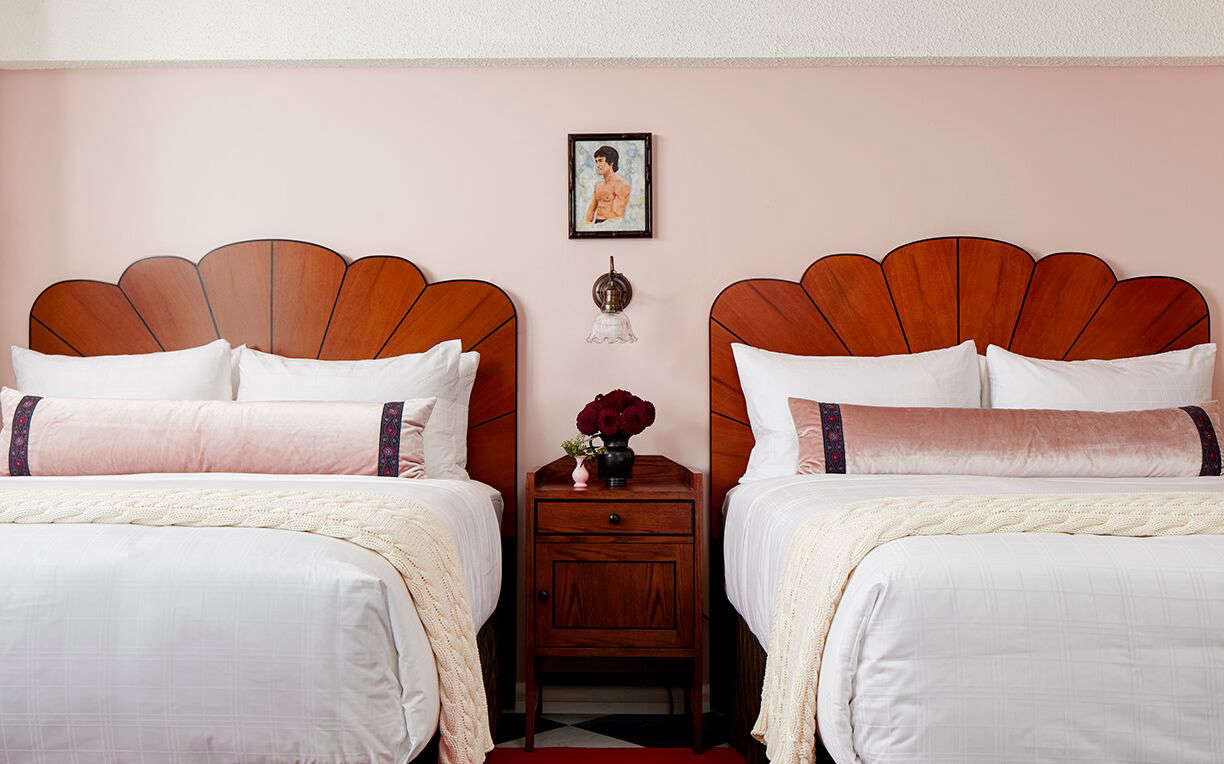
Every home reaches a point where it quietly raises its hand and says, “Excuse me, but what exactly are we doing here?” Maybe the living room still has a pandemic-era desk jammed into the corner. Maybe the kitchen looks technically fine but feels as exciting as a tax form. Or maybe your bedroom has become a storage facility with pillows. That is where the idea of a design restart comes in.
A design restart is not a dramatic demolition scene with dust clouds, hard hats, and someone yelling about load-bearing walls. It is a thoughtful refresh of how a space looks, feels, and functions. It asks better questions: Does this room support real life? Does it feel warm, personal, and useful? Does it make you want to stay a while, or does it look like a furniture showroom that forgot humans exist?
Today’s strongest interior design trends point in one clear direction: homes are becoming more expressive, more comfortable, more sustainable, and far less interested in being perfectly generic. After years of white walls, fast furniture, and copy-paste minimalism, people are craving homes with texture, color, memory, and personality. In other words, design is getting its soul backand it remembered to bring a really good lamp.
What “Design Restart” Really Means
Current Obsessions: Design Restart is about resetting your home with intention. It is not about chasing every trend that sprints across social media wearing a cute name. Instead, it is about choosing ideas that make your space feel current without making it feel temporary.
A successful restart combines three things: beauty, function, and emotional connection. Beauty gives the space visual pleasure. Function makes daily life easier. Emotional connection turns a room from “nicely decorated” into “this feels like me.” That final ingredient is the secret sauce. Without it, even the most expensive room can feel colder than leftover pizza.
The new design mood is less about perfection and more about presence. Designers and homeowners are embracing lived-in luxury, natural materials, bold color choices, vintage pieces, handcrafted details, and rooms that support wellness. This shift makes sense. Home is no longer just the place where we sleep. It is where we work, rest, cook, recover, entertain, doom-scroll, un-doom-scroll, and occasionally pretend we are going to start yoga tomorrow.
The Big Interior Design Reset: From Cold to Warm
One of the most noticeable changes in modern interior design is the move away from stark, cold spaces. The all-white room had a long run, and to be fair, it photographed beautifully. But many homeowners discovered that living inside a white box can feel less like serenity and more like waiting for a dentist appointment.
Warm minimalism is replacing strict minimalism. That means clean lines remain, but they are softened with texture, wood, textiles, organic shapes, and earthy color palettes. Instead of empty rooms, the goal is calm rooms. Instead of sterile surfaces, the goal is materials that invite touch.
Warm Neutrals Are the New Blank Canvas
Beige is no longer just beige. The new neutral palette includes mushroom, clay, camel, cocoa, olive, ochre, terracotta, taupe, and soft brown. These shades create depth without screaming for attention. They also work beautifully with natural wood, stone, linen, leather, and aged metal.
Brown, in particular, has returned with surprising confidence. Chocolate, walnut, espresso, and mocha tones are appearing in furniture, walls, cabinetry, and textiles. This is not the heavy brown of a forgotten basement rec room. It is richer, softer, and more sophisticated. Think coffeehouse warmth, not grandpa’s recliner rebellion.
Color Is Becoming Personal Again
Another major part of the design restart is the return of expressive color. Color drenching, where walls, trim, doors, and sometimes ceilings are painted in the same or closely related tones, has become a favorite way to create immersive rooms. It works especially well in small rooms, libraries, powder rooms, bedrooms, and dining spaces because it wraps the room in atmosphere.
Deep green, burgundy, navy, oxblood, dusty rose, clay red, and saturated blue all bring mood and personality. The trick is not to use bold color everywhere just because it is trending. The trick is to choose colors that support the feeling you want. A bedroom might need smoky blue for calm. A dining room might welcome wine-red drama. A home office might benefit from olive green because it says, “I am productive,” even if your browser tabs suggest otherwise.
Natural Materials Are Having a Major Moment
A design restart often begins with materials. Natural wood, stone, wool, linen, clay, rattan, cane, cork, plaster, and leather are showing up because they bring warmth and authenticity. They also age better than many synthetic, trend-driven finishes. A stone countertop with veining, a wooden table with grain, or a handmade ceramic lamp adds character that cannot be manufactured by a flat-packed side table named something like “Blürg.”
Wood Drenching and Architectural Warmth
Wood is being used beyond floors and furniture. Designers are adding wood to ceilings, wall paneling, beams, trim, cabinetry, and built-ins. This “wood-drenched” approach gives rooms a grounded, architectural feeling. It can lean rustic, modern, Scandinavian, traditional, or midcentury depending on the wood species and finish.
White oak remains popular for its clean, natural look, while darker woods like walnut and espresso bring richness. The larger trend is not about one perfect wood tone; it is about using wood to make spaces feel warmer and more permanent.
Stone, Metal, and Patina
Expressive stone is another obsession worth noting. Marble, quartzite, soapstone, limestone, and dramatic stone-look surfaces are being used on countertops, backsplashes, fireplace surrounds, vanities, and even furniture. The appeal is obvious: stone adds movement, texture, and a sense of permanence.
Metals are also becoming more layered. Instead of matching every fixture like a nervous design robot, modern spaces often mix aged brass, bronze, stainless steel, blackened metal, and chrome. The result feels collected rather than purchased in one exhausting afternoon.
Personalization Is the Real Luxury
For years, luxury design was often associated with expensive materials and flawless finishes. Those still matter, of course. Nobody is turning down a beautiful marble island out of moral discipline. But the meaning of luxury is changing. Today, luxury is increasingly about individuality, comfort, wellness, and craft.
This is why antiques, vintage finds, family pieces, handmade objects, local art, and collected books are everywhere in current interiors. They tell a story. They make a home feel layered. They also prevent rooms from looking as if they were decorated entirely by an algorithm with a beige sweater.
Intentional Clutter, Not Random Chaos
One of the more charming shifts in home design is the acceptance of “intentional clutter.” This does not mean piles of mail, mystery cables, and the chair where laundry goes to enter its second career. It means displaying meaningful objects: ceramics, books, framed photos, travel finds, baskets, candles, trays, art, and textiles.
The key word is intentional. A shelf can look rich and personal when objects vary in height, texture, and shape. A coffee table can feel styled but still useful with a stack of books, a small bowl, and a vase. The goal is to show evidence of life without creating a museum of dust.
Pattern Is Back, and It Brought Friends
Pattern drenching, wallpapered ceilings, checked textiles, stripes, florals, and decorative borders are returning with confidence. This is part of the larger reaction against plain, anonymous interiors. Pattern adds rhythm and personality, especially when balanced with solid colors and natural textures.
If full pattern drenching feels too bold, start smaller. Try patterned curtains in a bedroom, striped pillows in a living room, a vintage rug in an entry, or wallpaper in a powder room. A design restart does not require jumping into the deep end while holding a roll of floral wallpaper and a prayer.
Rooms Are Becoming More Purposeful
Open-concept living is not disappearing, but homeowners are rethinking it. After years of using one giant room for cooking, working, relaxing, exercising, entertaining, and hiding from emails, many people want more defined spaces. The design restart favors rooms with clear jobs.
This can be achieved without building new walls. Area rugs, lighting zones, bookcases, screens, paint color, furniture placement, and ceiling treatments can all create visual separation. A corner can become a reading nook. A landing can become a mini office. A dining area can feel distinct with a pendant light and richer wall color.
The Kitchen as a Lifestyle Hub
Kitchens are becoming more multifunctional and more personal. Homeowners want better lighting, durable counters, integrated storage, beverage stations, pet-friendly features, hidden appliances, and surfaces that can handle real life. Quartz and quartzite remain popular because they offer durability and a polished look, while panel-ready appliances create a calmer visual flow.
Color is also entering the kitchen through islands, cabinets, tile, and accessories. Deep blue, green, warm wood, and earthy neutrals are replacing the idea that every kitchen must be bright white to be “timeless.” Timelessness, it turns out, does not require a room to look like it fears spaghetti sauce.
Bathrooms as Wellness Spaces
The bathroom is also getting a restart. Spa-inspired design now focuses less on cliché luxury and more on everyday recovery. Think layered lighting, natural materials, steam showers, better ventilation, warm tile, integrated storage, and vanities that do not turn morning routines into a contact sport.
Good bathroom design supports both energy and calm. Bright task lighting helps with grooming, while softer lighting helps the room wind down at night. Natural textures and warm colors keep the space from feeling clinical. A bathroom should be practical, but it does not need to have the emotional range of a hospital hallway.
Lighting Is No Longer an Afterthought
If there is one design restart move that can transform a room quickly, it is lighting. Many homes rely too heavily on one overhead fixture, which is how rooms end up looking like interrogation scenes with throw pillows.
Layered lighting uses several sources: ambient lighting for general brightness, task lighting for specific activities, accent lighting for atmosphere, and decorative fixtures for style. A living room might include a ceiling fixture, table lamps, a floor lamp, picture lights, and candles. A kitchen might combine recessed lights, under-cabinet lighting, pendants, and natural light.
Soft Light Makes Everything Better
Warm bulbs, dimmers, lampshades, sconces, and indirect lighting make rooms feel comfortable. This is especially important in bedrooms and living rooms, where relaxation matters. A good lamp can make an old sofa look intentional. A bad ceiling light can make even an expensive room feel like a break room at 3 p.m.
Sustainability Is Part of the Restart
A meaningful design restart also considers sustainability. That means choosing durable materials, buying fewer but better pieces, repairing what can be repaired, shopping vintage, using low-VOC paints, selecting energy-efficient lighting, and avoiding disposable furniture when possible.
Sustainability does not have to look crunchy or complicated. A vintage wood dresser, a reupholstered chair, a wool rug, or a quality table that lasts twenty years can all be sustainable choices. The most eco-friendly design decision is often the one that does not need replacing next season.
Buy Better, Not Just Newer
Fast furniture may be cheap at checkout, but it can become expensive when it fails, dates quickly, or moves from apartment to landfill at record speed. A design restart encourages slower decisions. Measure carefully. Test materials. Think about maintenance. Ask whether a piece will still make sense in five years.
This does not mean every item must be an heirloom. It means mixing smart investment pieces with affordable accents. Spend more on the sofa you use daily. Save on decorative objects you may rotate seasonally. Your budget deserves design dignity too.
How to Start Your Own Design Restart
The best restart begins with observation. Before buying anything, walk through your home and notice what is not working. Are there dark corners? Awkward furniture arrangements? Too little storage? Rooms that feel impersonal? Colors that make you sigh, and not in a romantic way?
Step 1: Choose the Feeling First
Instead of starting with a product, start with a mood. Do you want the room to feel calm, energized, cozy, elegant, playful, earthy, creative, or restorative? Once the mood is clear, decisions become easier. A cozy room might need warmer lighting, softer textiles, and deeper colors. A creative room might need art, flexible storage, and bolder pattern.
Step 2: Edit Before You Add
A restart is not always about adding more. Sometimes the first step is removing what no longer serves the room. Donate unused furniture, clear surfaces, relocate items, and fix the layout. You may discover that the room does not need a total makeover. It may simply need to breathe.
Step 3: Add Texture, Color, and Story
Once the room is edited, add layers. Try a textured rug, linen curtains, a vintage mirror, a ceramic lamp, a deeper paint color, framed art, or better pillows. These changes create richness without requiring a construction crew or emotional support spreadsheet.
Step 4: Upgrade the Daily Details
Great design is often hidden in small improvements. Better drawer organizers, dimmer switches, hooks by the door, a comfortable reading chair, a landing tray for keys, or a proper bedside lamp can make everyday life smoother. A beautiful room that does not function is just a photogenic inconvenience.
Experience Notes: Living Through a Design Restart
The most important lesson from any design restart is that a home does not change all at once. It changes through decisions, experiments, mistakes, and the occasional moment when you realize the rug is absolutely the wrong size. This is normal. In fact, it is part of the process.
One of the best experiences related to a design restart is learning to see your home with fresh eyes. After living in a space for a while, you stop noticing things. The chair blocking the window becomes invisible. The harsh hallway light becomes “just how it is.” The empty wall becomes a blank spot you promise to address someday, which in home language usually means never. A restart invites you to pause and notice those quiet design problems.
Another useful experience is discovering that small changes can create surprisingly big emotional results. Painting a room a warmer color can make evenings feel softer. Moving a sofa closer to the conversation area can make guests linger longer. Adding a lamp beside a chair can turn an ignored corner into the most popular seat in the house. These are not just visual upgrades; they change how people behave in the space.
There is also a certain freedom in letting go of the idea that a home must impress everyone. The best rooms are not designed by committee. They reflect the people who live there. Maybe you love antique brass, striped cushions, weird art, old books, and a green velvet chair that looks like it knows secrets. Good. That is a point of view. A design restart should make room for those preferences instead of sanding them down into bland respectability.
During a restart, it helps to live with decisions before making more. Paint a sample and watch it in morning, afternoon, and evening light. Tape out furniture dimensions before ordering. Bring home fabric swatches. Move existing pieces around before buying new ones. Your home will give feedback if you pay attention. Sometimes it whispers, “Yes, this works.” Sometimes it screams, “Why is this coffee table the size of a small boat?”
The most satisfying restarts often blend old and new. A modern sofa can look warmer beside a vintage side table. A sleek kitchen can feel more personal with handmade pottery. A simple bedroom can become memorable with patterned curtains or an inherited quilt. This mix keeps a room from feeling flat. It also makes the design harder to date because it is not locked into one trend cycle.
Finally, a design restart teaches patience. The goal is not to finish quickly; the goal is to build a home that supports your life. Some pieces are worth waiting for. Some choices become clearer after a few weeks. Some rooms evolve over years. That slow layering is where personality enters. A home designed overnight can look impressive, but a home shaped over time feels alive.
Conclusion: A Better Home Starts With a Better Reset
Current Obsessions: Design Restart is more than a catchy phrase. It is a practical design philosophy for people who want homes that feel warmer, smarter, more personal, and more durable. The most compelling interiors today are not sterile showpieces. They are layered, expressive, comfortable, and deeply connected to real life.
Whether you begin with paint, lighting, furniture layout, natural materials, vintage finds, or better storage, the goal is the same: create a home that works beautifully and feels unmistakably yours. Trends can offer inspiration, but the best design restart is guided by your routines, your memories, your taste, and your need for a space that welcomes you back at the end of the day.
So start small. Change the light. Move the chair. Add the color. Hang the art. Keep the strange little object that makes you smile. A home does not need to be perfect to be powerful. It just needs to feel aliveand maybe have one really excellent lamp.