There is a special kind of person who hears the word “camp” and immediately thinks of crackling fires, canvas tents, enamel mugs, and the heroic effort of pretending a slightly smoky hot dog is a balanced dinner. Good news: that person is no longer niche. Camping has stepped confidently out of the “sleeping on a root and calling it character-building” era and into a more stylish, practical, and experience-driven moment.
Today’s camping culture is part outdoor adventure, part wellness retreat, part design mood board, and part group chat logistics marathon. Americans are camping in huge numbers, booking campsites from their phones, experimenting with glamping, bringing better coffee, protecting public lands more thoughtfully, and discovering that a headlamp can make you feel both prepared and faintly ridiculous. That is the charm.
This guide explores the current obsessions at camp: the gear, habits, campsite rituals, comfort upgrades, cooking ideas, sustainability practices, and small joys that are shaping the modern outdoor weekend. Whether you are pitching a tent near a national park, booking a farm stay, rolling in with a camper van, or simply planning a backyard “test camp” before committing to the wilderness, the mood is clear: camp is back, and it packed a better pillow.
Why Camping Feels So Current Right Now
Camping has become one of the most accessible ways to travel, reset, and spend time with people without requiring plane tickets, resort fees, or a suitcase full of outfits that somehow still leave you with “nothing to wear.” Recent outdoor reports show strong participation in camping and other gateway activities like hiking and fishing, while outdoor recreation continues to represent a major part of the U.S. economy.
The appeal is simple. Camping can be budget-friendly, flexible, social, solitary, rustic, luxurious, or all of the above before breakfast. It allows families to take shorter trips closer to home, couples to trade restaurant reservations for campfire cooking, and solo travelers to enjoy silence that is not interrupted by apartment plumbing, Slack notifications, or someone using a leaf blower at 7:04 a.m.
The New Camp Mindset
The modern camper is not necessarily chasing hardship. They are chasing presence. That might mean hiking a ridge at sunrise, reading in a camp chair, making pancakes on a portable stove, watching kids collect pinecones like rare museum artifacts, or sitting under stars so bright they make every ceiling light in your house seem personally offensive.
Current camping obsessions lean toward comfort with purpose. Campers want better sleep, smarter packing, safer food storage, lower-impact habits, good lighting, and memorable rituals. The goal is not to turn the campsite into a suburban living room with mosquitoes. The goal is to make outdoor living easier so nature can take the spotlight.
Obsession 1: The Cozy, Functional Campsite
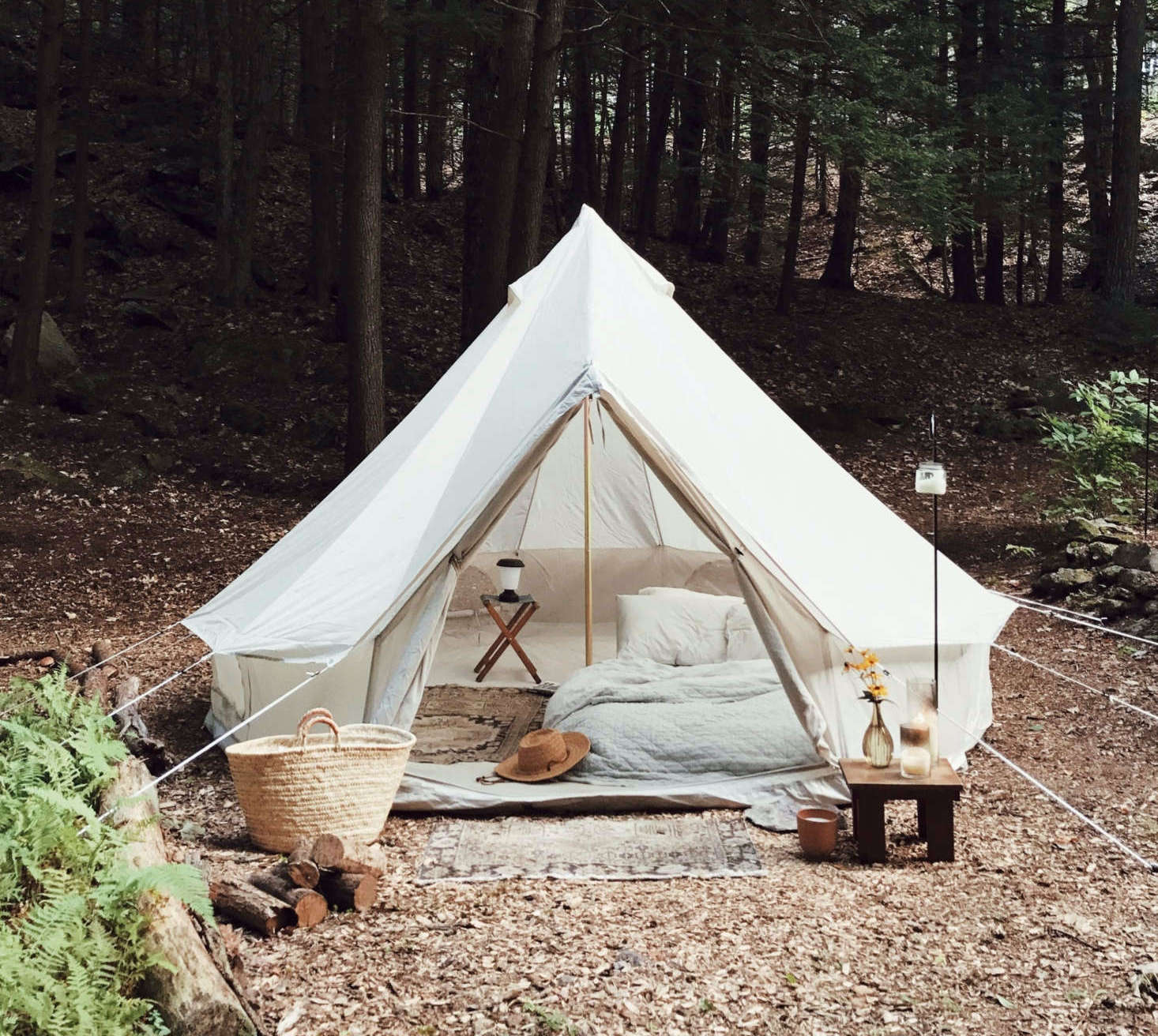
The best campsites now feel intentionally arranged, not accidentally exploded from the trunk. A thoughtful setup begins with zones: sleeping, cooking, lounging, food storage, and cleanup. Clear bins, folding tables, camp chairs, lanterns, and a simple outdoor rug can transform a patch of dirt into something that feels organized without becoming precious.
The biggest shift is that campers are investing in comfort where it matters. A quality sleeping pad, a warm sleeping bag, and a tent that can handle weather are not luxuries; they are the difference between waking up refreshed and waking up as a human question mark. Add a good camp chair and suddenly “sitting outside” becomes an activity, not a punishment.
What Makes a Campsite Feel Good?
A good campsite is easy to move through, safe after dark, and calm enough to enjoy. Keep the kitchen away from the sleeping area, especially in wildlife country. Store scented items properly. Place headlamps and lanterns where people can find them. Keep trash contained. Give every frequently used item a predictable home, because nothing humbles a camper faster than searching for the lighter while holding uncooked dinner.
Design-wise, the current camp look favors durable classics: canvas tones, plaid blankets, enamelware, collapsible crates, stainless steel bottles, wool socks, and warm lighting. It is nostalgic without being costume-y. Think “summer camp counselor with excellent packing cubes.”
Obsession 2: Camp Cooking That Actually Tastes Good
Camp food has escaped the tyranny of sad granola bars. Today’s campers are bringing better kitchen systems: two-burner stoves, cast iron pans, compact cutting boards, insulated coolers, reusable plates, spice kits, and portable coffee makers. The camp kitchen has become the heart of the campsite, which is convenient because everyone mysteriously becomes hungrier outdoors.
The trick is planning meals that are satisfying but realistic. This is not the moment to attempt a nine-step soufflé unless your hobby is attracting raccoons with unresolved ambition. Prep ingredients at home. Chop vegetables before leaving. Marinate proteins in sealed bags. Bring tortillas, eggs, rice, beans, pasta, sausages, pre-washed greens, fruit, and sauces that make simple food feel deliberate.
Easy Camp Meal Ideas
Breakfast can be oatmeal with nuts and berries, breakfast tacos, or pancakes with a side of “why did we forget the spatula?” Lunch should be low-effort: sandwiches, grain bowls, wraps, or snack boards with cheese, crackers, fruit, and trail mix. Dinner can be foil-packet vegetables, chili, pasta, grilled skewers, or a one-pan hash. Dessert is legally required to involve chocolate, marshmallows, or at least the emotional spirit of both.
Cleanup matters as much as cooking. Wash dishes promptly, strain food scraps, pack out trash, and never burn leftover food or coffee grounds in the fire. Those smells can attract wildlife long after you have gone to sleep, which is rude to both animals and your future nervous system.
Obsession 3: Responsible Camping as a Style Statement
The most attractive thing at camp is not the vintage lantern. It is good etiquette. Responsible camping has become central to the outdoor experience because crowded campgrounds, competitive bookings, and fragile natural areas require better behavior from all of us. Leave No Trace principles are not just for backpackers in dramatic mountain documentaries; they apply at drive-in sites, state parks, private campgrounds, beaches, forests, and picnic areas.
Plan ahead, camp on durable surfaces, dispose of waste properly, leave natural objects where they are, minimize campfire impacts, respect wildlife, and be considerate of other visitors. Simple? Yes. Always followed? Judging by some abandoned snack wrappers, absolutely not.
Small Habits With Big Impact
Stay on trails even when they are muddy. Use established tent pads when available. Keep noise reasonable after quiet hours. Do not carve names into trees. Do not feed wildlife. Do not move rocks, plants, or historic objects for the sake of a photo. Pack reusable kitchen gear instead of single-use everything. Leave the site cleaner than you found it, even if the previous campers apparently believed bottle caps were native vegetation.
Responsible camping also means respecting reservations. If plans change, cancel early when possible. Campsites are increasingly competitive, and thoughtful cancellation habits help other campers get outdoors too.
Obsession 4: Better Sleep Under the Stars
Sleep is the quiet hero of a good camping trip. Many people think they dislike camping when what they actually dislike is being cold, damp, unsupported, and awakened by a mysterious twig under the left shoulder blade. Better sleep starts with the right sleep system.
For car camping, choose a tent with enough room to sit up and move around. Use a sleeping pad with real insulation, not just a pool float with aspirations. Bring a sleeping bag rated for temperatures colder than the forecast, because forecasts are polite suggestions. Add a pillow from home if space allows. No award is given for suffering through a balled-up hoodie.
Night Comfort Checklist
Pack warm socks, a beanie, a small lantern, earplugs, and layers you can adjust. Keep tomorrow’s clothes nearby. Store food and scented items outside the tent according to local rules. Zip the tent fully, because mosquitoes treat small openings like engraved invitations. Before bed, do a quick camp reset: secure the kitchen, put away chairs if wind is expected, check the fire, and confirm everyone knows where the bathroom or nighttime route is.
Obsession 5: Camp Lighting With Atmosphere
Lighting is one of the easiest ways to upgrade camp. A headlamp is essential for tasks, midnight bathroom trips, and accidentally spotlighting your friend while they are trying to eat chips privately. Lanterns create a central glow for cooking and games. String lights can add charm, as long as they are not so bright that your campsite looks like a pop-up dental office.
Warm, low lighting is best. It preserves the mood, reduces glare, and helps everyone enjoy the night sky. Many national parks celebrate dark skies through ranger programs, star parties, and moonlight hikes. Once you see the Milky Way from a truly dark place, your phone flashlight will seem deeply uncultured.
Stargazing as the Original Streaming Service
Bring a star chart, astronomy app, or binoculars. Let your eyes adjust. Turn off unnecessary lights. Look for constellations, planets, satellites, meteor showers, and the universal truth that everyone suddenly becomes philosophical after 10 minutes of staring upward. No subscription required.
Obsession 6: The Camp Wardrobe That Works
Camp style is having a moment, but the best outdoor clothing is still practical first. Think layers, sun protection, sturdy shoes, moisture-wicking fabrics, warm socks, and rain gear. Cotton can feel great at home but may stay damp outdoors, so bring synthetic or wool layers when weather is variable.
The modern camp wardrobe has a charming uniform: trail pants, fleece, flannel, puffer vest, beanie, sandals for camp, hiking shoes for trails, and a bandana that may be used for everything from sweat management to pot-holder improvisation. The look says, “I know where the first-aid kit is,” which is surprisingly chic.
Bug-Smart Dressing
Ticks and mosquitoes are not invited, but they rarely respect guest lists. Use EPA-registered repellents, check local guidance, and consider treating clothing and gear with 0.5% permethrin before the trip. Wear long sleeves and pants in brushy areas, walk in the center of trails, and do tick checks after hikes. Glamorous? No. Better than discovering a tick two days later? Absolutely.
Obsession 7: Camp Activities That Do Not Require Overplanning
The best camp activities are simple enough to start without a committee. Hiking, swimming, paddling, fishing, sketching, birdwatching, card games, journaling, reading, cooking, photography, and hammock naps all belong on the list. The point is not to schedule every minute. The point is to create room for wandering, lingering, and saying, “Look at that weird bug,” with appropriate reverence.
Families are increasingly drawn to glamping and amenity-rich stays because they reduce friction. A cabin, safari tent, farm stay, or campsite with showers can help kids and first-timers enjoy the outdoors without requiring a full wilderness apprenticeship. There is no moral superiority in being uncomfortable. The trees do not care whether you slept on a cot.
Screen-Free Without Being Dramatic
A great camp weekend does not require throwing phones into a river. Use phones for maps, weather, emergency information, photos, and bookings. Then put them away for stretches of time. Let boredom do its strange magic. That is when people invent games, notice birdsong, tell stories, or remember that conversations can continue for more than 11 seconds without a notification.
Obsession 8: Safety That Feels Like Confidence
Good camping safety is not paranoia; it is freedom. When you know the weather, understand fire rules, store food correctly, pack layers, carry water, and bring first-aid supplies, you can relax. Preparation is what allows spontaneity to be fun instead of expensive.
Before leaving, check campground rules, road conditions, fire restrictions, water availability, wildlife advisories, and cancellation policies. Share your itinerary with someone if traveling remotely. Download offline maps. Bring a physical map when appropriate. Pack a first-aid kit, medications, sunscreen, insect repellent, a repair kit, and enough water or a reliable treatment method.
Fire and Food Rules Matter
Campfires should only be built where allowed and only in established rings or approved areas. Keep fires small, never leave them unattended, and fully extinguish them before sleeping or leaving. The classic method is simple: drown, stir, drown again, and feel for heat. If it is too hot to touch, it is too hot to leave.
In bear country and many other wildlife areas, secure food, garbage, toiletries, and scented items immediately. Do not store food in a tent. Use lockers, vehicles, approved containers, or bear canisters depending on local rules. Wildlife that learns to associate people with food often pays the highest price, and nobody wants their granola bar to become part of a bear’s villain-origin story.
Obsession 9: The Rise of Last-Minute and Local Camping
One of the biggest shifts in camping is flexibility. More campers are planning shorter trips, booking closer to departure, and exploring places within driving distance. Apps and expanded campsite platforms make it easier to discover public campgrounds, private sites, farms, ranches, RV spots, cabins, and unique outdoor stays.
This is excellent for spontaneous travelers but also means popular sites can book quickly. The smart move is to combine planning with backup options. Choose a first-choice campground, a second-choice area, and a flexible date range. Consider shoulder seasons, weekdays, lesser-known state parks, county parks, national forests, and private campgrounds. The perfect campsite is wonderful; the available campsite with a good sunset is often just as memorable.
Obsession 10: Camp as a Wellness Ritual
Camping is increasingly connected to wellness, but not in a scented-candle way. It is wellness because it changes your pace. You wake with light. You move more. You eat outside. You notice weather. You solve small problems with your hands. You sleep hard after a day spent carrying firewood, walking trails, and pretending you meant to drop that pancake.
Camp strips life down to basics: shelter, food, warmth, water, company, and rest. That simplicity is the luxury. It reminds you that comfort does not always mean convenience and that a good cup of coffee can taste better from a dented mug beside a pine tree than from the fanciest café in town.
Experiences Related to “Current Obsessions: At Camp”
The best way to understand current camping obsessions is to imagine a weekend that blends practicality, beauty, and a little comic imperfection. You arrive late Friday afternoon, which is both traditional and mildly chaotic. Someone insists they know exactly where the campsite is. The campground road disagrees. After one loop, two map checks, and a suspiciously confident “I think it’s this way,” you find the site. Victory tastes like trail mix.
The first obsession appears immediately: the setup ritual. Everyone has a role. One person unloads bins. One person claims to be “super good at tents” and then spends 14 minutes negotiating with poles. Someone else starts arranging the camp kitchen like a tiny outdoor restaurant. A lantern goes on the table. Chairs unfold with satisfying pops. The cooler gets tucked into shade. The campsite begins to feel less like a parking spot with trees and more like a temporary home.
Then comes the second obsession: firelight. Even before dinner, people drift toward the fire ring. If fires are allowed, the process becomes ceremonial. Kindling, patience, airflow, and exactly one person who offers too much advice. When the flames finally catch, everyone behaves as if civilization has been saved. The fire becomes television, heater, storytelling device, and marshmallow laboratory. A perfectly toasted marshmallow is admired like fine art. A burned one is called “caramelized” by someone with admirable optimism.
Morning brings the coffee obsession. Nothing at camp happens before coffee except birdsong and the brave person who has to find the restroom in fleece pants and sandals. The first cup is never just caffeine. It is a reward for sleeping outdoors, surviving the zipper noise of neighboring tents, and waking up to air that smells like pine, damp earth, and breakfast possibility. Pancakes on a camp stove taste better than indoor pancakes because they come with fresh air and low expectations.
During the day, the obsession shifts to small discoveries. A short hike becomes a lesson in noticing: lichen on rocks, animal tracks in mud, wildflowers by the trail, the sound of wind moving through leaves. Kids collect sticks with the seriousness of antique dealers. Adults take photos of views that phones cannot quite capture. Someone spots a bird and immediately becomes the group’s unofficial naturalist despite knowing only that it is “definitely a bird.”
Afternoon is for the comfort upgrades: hammock time, camp chairs in the shade, cold drinks, card games, and snacks that appear every 40 minutes because outdoor hunger has no schedule. This is where modern camp culture shines. The point is not to prove toughness. The point is to create enough comfort that everyone wants to linger. A soft blanket, a dry pair of socks, a good book, and a clean plate can feel like five-star amenities.
Evening brings the best obsession of all: the sky. As lanterns dim and conversations slow, the stars come forward. People who have spent the week staring at screens suddenly stare upward in silence. The night feels enormous, and the campsite feels small in the best possible way. That is the quiet magic of camp. It gives you fewer walls, fewer distractions, and more reasons to pay attention.
By the time you pack up, everything smells faintly smoky, the car is less organized than when you arrived, and someone has already said, “Next time we should bring…” That sentence is the official anthem of camping. Next time, better coffee. Next time, warmer socks. Next time, a sharper knife, a bigger tarp, a smaller cooler, more chocolate, fewer mosquitoes, and maybe a site closer to the lake. Current obsessions at camp are really future memories in disguise.
Conclusion: Camp Is Not Just a Place, It Is a Mood
“Current Obsessions: At Camp” is about more than gear or aesthetics. It is about the new way people are approaching outdoor life: prepared but relaxed, stylish but practical, comfortable but still connected to nature. The best camping experiences combine thoughtful planning, responsible habits, good food, cozy sleep, safe fire practices, wildlife awareness, and enough unstructured time for the trip to become its own story.
Camp invites us to slow down without making a big speech about slowing down. It turns meals into events, darkness into entertainment, and simple objects into favorites: the reliable mug, the warm socks, the lantern that never gets packed at the bottom again. Whether you are a first-time camper or the person who owns three kinds of camp chairs, the current obsession is clear. We are not going outside to escape life. We are going outside to feel it more clearly.
Note: This article is written for web publication in standard American English and synthesizes current camping trends, outdoor safety guidance, gear best practices, and real-world campsite experience without inserting source links into the body content.