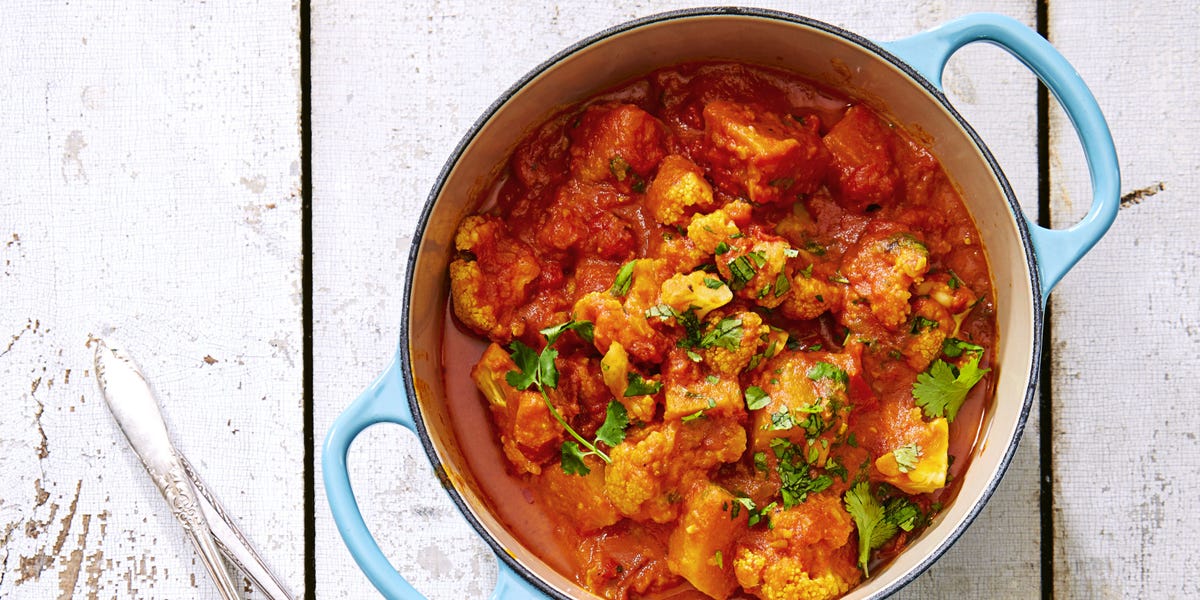
There are weeknight dinners that merely get food onto the table, and then there are dinners that make the kitchen smell so good that people suddenly appear asking, “What are you making?” Coconut-Cauliflower Curry Bowls belong firmly in the second category.
This colorful, comforting meal combines browned cauliflower with a creamy coconut curry sauce, tender chickpeas, aromatic ginger and garlic, warm spices, fluffy rice, and a handful of fresh toppings. The result is rich without being clumsy, spicy without requiring a fire extinguisher, and hearty enough that nobody will be wandering toward the snack cabinet 20 minutes later.
Better still, this cauliflower curry bowl is wonderfully adaptable. You can make it vegan, turn up the chile heat, add extra vegetables, swap the rice for quinoa, or load it with tofu or chicken. Think of the recipe as a reliable dinner blueprint rather than a culinary constitution.
Why Coconut-Cauliflower Curry Bowls Work So Well
The appeal starts with contrast. Cauliflower is mild and slightly nutty, making it an excellent partner for assertive spices. Roasting or deeply sautéing the florets gives them browned edges and a firmer texture, while coconut milk surrounds them with a smooth, gently sweet sauce.
Then come the aromatics. Onion, fresh ginger, and garlic create a savory foundation, while cumin, coriander, turmeric, and curry powder build warmth and complexity. Chickpeas bring substance, and fresh lime juice cuts through the coconut richness at the end.
Finally, serving everything as a bowl creates layers of texture. You get fluffy rice, creamy sauce, substantial chickpeas, caramelized cauliflower, fresh herbs, crunchy toppings, and maybe a slice of jalapeño reminding you not to become too comfortable.
Ingredients for Coconut-Cauliflower Curry Bowls
This recipe makes approximately four generous bowls.
For the Cauliflower
- 1 large head cauliflower, cut into medium florets
- 2 tablespoons olive oil or avocado oil
- 1 teaspoon curry powder
- 1/2 teaspoon ground turmeric
- 1/2 teaspoon kosher salt
- Freshly ground black pepper
For the Coconut Curry
- 1 tablespoon coconut oil or neutral cooking oil
- 1 medium yellow onion, diced
- 3 garlic cloves, minced
- 1 tablespoon freshly grated ginger
- 1 tablespoon curry powder
- 1 teaspoon ground cumin
- 1/2 teaspoon ground coriander
- 1/4 teaspoon red pepper flakes or cayenne, optional
- 1 tablespoon tomato paste
- 1 can (13.5 ounces) full-fat unsweetened coconut milk
- 1/2 cup vegetable broth or water
- 1 can (15 ounces) chickpeas, drained and rinsed
- 1 teaspoon maple syrup or brown sugar, optional
- 1 tablespoon fresh lime juice, plus more to taste
- Salt and black pepper to taste
For Building the Bowls
- 3 to 4 cups cooked basmati rice, jasmine rice, brown rice, or quinoa
- Fresh cilantro
- Lime wedges
- Thinly sliced jalapeño or serrano pepper
- Chopped roasted cashews or peanuts
- Sliced green onions
- Optional baby spinach or other tender greens
How to Make Coconut-Cauliflower Curry Bowls
Step 1: Roast the Cauliflower
Preheat the oven to 425°F. Place the cauliflower florets on a large rimmed baking sheet. Add the oil, curry powder, turmeric, salt, and several grinds of black pepper. Toss until everything is evenly coated.
Spread the florets into a single layer. Giving them breathing room matters. A crowded baking sheet traps steam, and steamed cauliflower is perfectly respectable but does not possess the crispy browned edges we are pursuing.
Roast for about 25 to 30 minutes, turning once halfway through, until tender and well browned in spots. Leave especially dark little edges alone. Those are flavor, not evidence of kitchen misconduct.
Step 2: Build the Aromatic Curry Base
While the cauliflower roasts, heat coconut oil in a large skillet or Dutch oven over medium heat.
Add the diced onion with a small pinch of salt. Cook for 5 to 7 minutes, stirring occasionally, until the onion softens and begins developing golden edges.
Add garlic and ginger and cook for roughly 30 to 60 seconds. Once the kitchen smells dramatically more interesting, stir in the curry powder, cumin, coriander, and optional red pepper flakes.
Cook the spices briefly in the oil rather than immediately drowning them in coconut milk. This short step helps their aroma become more pronounced.
Step 3: Add Tomato Paste and Coconut Milk
Stir in the tomato paste and cook it for about one minute. It should darken slightly and begin sticking to the bottom of the pan.
Slowly pour in the coconut milk while stirring, followed by the vegetable broth. Scrape up any flavorful browned bits from the bottom.
Bring the sauce to a gentle simmer. Avoid an aggressive rolling boil; the goal is a silky curry, not a volcanic reenactment.
Step 4: Add Chickpeas and Simmer
Add the drained chickpeas and optional maple syrup. Let everything simmer uncovered for 8 to 12 minutes, stirring occasionally, until the sauce thickens enough to lightly coat a spoon.
If it becomes thicker than you prefer, add a splash of vegetable broth or water. If it looks too thin, simmer it uncovered for another few minutes.
Step 5: Finish With Lime
Remove the curry from the heat and add fresh lime juice. Taste before making final adjustments.
Does it taste flat? Add salt. Too rich? Add more lime. Too mild? Add chile. Too spicy? A little additional coconut milk can soften the heat.
This final tasting step is where a perfectly decent curry can become the bowl everybody mysteriously requests again next week.
Step 6: Assemble the Bowls
Divide hot rice among four bowls. Spoon the chickpea coconut curry over or alongside the rice, then pile roasted cauliflower on top.
Finish with cilantro, green onions, jalapeño slices, lime wedges, and crunchy cashews or peanuts.
If using spinach, place a handful beneath the hot rice and curry. The residual heat will gently wilt it without requiring another pan, which is always worth celebrating.
The Secret to Better Roasted Cauliflower
Cauliflower contains plenty of moisture, so achieving beautifully browned florets depends on controlling that moisture. Start with cauliflower that has been washed and dried thoroughly. Wet florets need to lose surface moisture before browning can really get underway.
Cut the pieces into reasonably similar sizes so they finish roasting at roughly the same time. Tiny fragments may burn before giant florets become tender.
Most importantly, use a large enough baking sheet. When cauliflower is packed tightly together, moisture released during cooking becomes trapped between pieces. With more space, hot oven air circulates around the florets and promotes stronger browning.
You can roast the cauliflower until completely tender or stop while it retains a slightly firm center. For curry bowls, a little structure is useful because the cauliflower continues softening when it meets the hot sauce.
Getting the Coconut Curry Sauce Right
The sauce should be creamy enough to cling to the vegetables but loose enough to mingle with the rice.
Use Full-Fat Coconut Milk for Maximum Creaminess
Full-fat canned coconut milk creates a richer sauce and tends to produce a more luxurious texture. Light coconut milk can work when you prefer something less rich, although the finished curry will generally be thinner.
Do Not Skip the Acid
Coconut milk has natural richness and mild sweetness. Lime juice provides the sharp contrast needed to keep that richness under control.
Lemon works as a substitute, and a small splash of rice vinegar can also provide acidity. Whatever you choose, add most acidic ingredients near the end so their brightness remains noticeable.
Adjust the Sauce After Simmering
Curry develops as it cooks. Salt, spice, sweetness, and acidity that seemed balanced five minutes earlier may taste different after the sauce reduces. Final seasoning should therefore happen when the cooking is essentially finished.
Easy Variations
Add More Protein
Chickpeas make these coconut cauliflower curry bowls satisfying on their own, but you have plenty of options. Add crispy tofu, tempeh, cooked lentils, shredded chicken, shrimp, or paneer depending on your preferences.
If using tofu, pan-sear it separately and add it near serving time so the exterior stays firmer.
Change the Vegetables
Try sweet potatoes, butternut squash, carrots, green beans, peas, zucchini, red bell peppers, or spinach. Firmer vegetables should enter earlier, while tender vegetables and leafy greens belong near the end.
This flexibility also makes curry useful for that familiar refrigerator situation involving three carrots, half a pepper, and a zucchini whose life choices need immediate reassessment.
Make It Spicier
Add cayenne, serrano peppers, jalapeños, chile flakes, or a spoonful of red curry paste. Add heat gradually. You can always introduce more chile; removing it after the entire household starts sweating is considerably harder.
Make It Lower in Carbohydrates
Serve the curry over cauliflower rice instead of grain-based rice. Alternatively, use half rice and half cauliflower rice to preserve the satisfying texture of traditional grain bowls while reducing the amount of rice.
What to Serve With Coconut-Cauliflower Curry Bowls
The bowls are complete enough to serve on their own, but several simple sides work beautifully.
- Warm naan or flatbread for scooping up extra coconut curry sauce
- Cucumber salad with lime and herbs
- Roasted green beans
- Mango or pineapple salsa for sweet-acidic contrast
- A simple cabbage slaw
- Steamed edamame
- Fresh fruit after dinner
For entertaining, place the garnishes in separate small bowls and let everyone customize dinner. It looks impressive, involves almost no additional cooking, and conveniently transfers responsibility for excessive jalapeño consumption to the diner.
Meal Prep and Leftovers
Coconut cauliflower curry is especially useful for meal prep because the sauce remains flavorful after refrigeration.
Store the rice, curry, roasted cauliflower, and fresh garnishes separately when possible. This prevents the cauliflower from becoming overly soft and keeps herbs and nuts fresh.
Reheat the coconut curry gently on the stovetop or in the microwave. Coconut-based sauces can thicken significantly when chilled, so add a tablespoon or two of water or broth while reheating if necessary.
The roasted cauliflower can be warmed in an oven, toaster oven, or air fryer if you want to restore some of its browned texture. The microwave is faster but will make it softer.
Save cilantro, nuts, green onions, and lime wedges for the moment you serve the reheated bowl.
Common Mistakes to Avoid
Making the Cauliflower Pieces Too Small
Small florets cook quickly and can become soft before meaningful browning develops. Medium-size pieces are easier to roast while maintaining structure.
Adding Every Ingredient at Once
A curry is simple, but cooking order still matters. Softening the onion and heating the aromatics and spices before adding liquid creates a deeper flavor base than putting everything into the pot simultaneously.
Using Too Much Liquid
A bowl-style curry should generally be thicker than soup. Begin conservatively with broth because you can always add more.
Forgetting Texture
A bowl containing rice, soft cauliflower, chickpeas, and creamy sauce can become texturally monotonous. Something crisp or freshnuts, sliced chile, green onion, herbs, or toasted coconutmakes a surprisingly large difference.
My Experience Making Coconut-Cauliflower Curry Bowls
The first lesson I learned from making this kind of curry repeatedly was that cauliflower needs more confidence than I originally gave it. My early batches were roasted cautiously at moderate temperatures until the florets became tender but remained roughly the color of office printer paper. They were edible. They were also boring.
Once I started roasting the cauliflower hotter and leaving enough space between the florets, the entire bowl improved. Browned edges gave the vegetable a slightly nutty, roasted character that could stand up to the coconut sauce instead of disappearing into it.
The second discovery involved the sauce. I initially treated coconut milk as if it were a complete sauce by itself: add curry powder, stir, congratulate yourself. Technically, dinner happened. But it tasted strangely one-dimensional.
Cooking onion until genuinely soft, followed by garlic, fresh ginger, spices, and tomato paste, made a far greater difference than piling in additional curry powder later. The finished sauce tasted layered rather than merely spicy.
I also learned that lime juice deserves more respect than its modest tablespoon measurement suggests. One batch tasted heavy even though every spice seemed correct. More salt did not help. More chile certainly made it exciting, but excitement was not the problem.
A generous squeeze of lime fixed the bowl almost instantly. The curry still tasted creamy, but suddenly the ginger seemed brighter, the cauliflower more noticeable, and the coconut less dominant.
Another useful lesson came from meal prepping. I once assembled several complete bowls on Sunday nightrice, curry, cauliflower, cilantro, and nuts all together. By Wednesday, the cilantro had surrendered emotionally, the nuts were no longer crunchy, and the cauliflower had absorbed enough sauce to qualify as stew.
Now I separate the components. Rice goes into one section, curry and cauliflower into another, while fresh garnishes stay in tiny containers until serving. It takes perhaps two additional minutes and makes reheated lunch dramatically better.
I’ve also experimented with vegetables depending on what needed using. Sweet potato works especially well because its natural sweetness plays nicely with chile and lime. Green beans provide crunch. Spinach is the easiest addition because it can simply wilt into the sauce. Peas are excellent when the refrigerator is empty but the freezer still has your back.
For people who want a substantial dinner, adding chickpeas is my favorite solution because they require essentially no extra preparation. Tofu is excellent too, but I prefer browning it separately. When tofu simmers too long in the sauce, the whole dish can become soft-on-soft-on-soft, and suddenly dinner has the structural excitement of oatmeal.
Perhaps the best thing about Coconut-Cauliflower Curry Bowls, though, is their tolerance for improvisation. The meal doesn’t collapse because you used jasmine rice instead of basmati, skipped cilantro, added extra peppers, or replaced chickpeas with lentils. Once you understand the core formulawell-browned vegetable, aromatic curry base, creamy coconut milk, contrasting acid, hearty grain, and fresh toppingyou can adapt it repeatedly.
That makes the dish especially practical for real home cooking, where ingredient lists rarely cooperate perfectly and someone always finishes the last lime approximately six minutes before you need it.
Final Thoughts
Coconut-Cauliflower Curry Bowls offer exactly what a useful weeknight recipe should: bold flavor, flexible ingredients, satisfying texture, straightforward preparation, and leftovers worth looking forward to.
The key is not complicated technique. Give the cauliflower enough heat to brown, take a few minutes to cook the aromatics and spices properly, let the coconut sauce reduce until creamy, and finish with fresh lime. Add rice, chickpeas, herbs, and something crunchy, and dinner suddenly feels much more ambitious than the effort involved.
Best of all, once you’ve made the basic version, the recipe becomes yours. Adjust the vegetables, heat level, grain, protein, and toppings until you have the curry bowl that makes sense for your table.
Note: This recipe is a flexible, globally inspired coconut curry bowl rather than a claim to reproduce one specific traditional regional curry. Curry traditions vary widely across countries and cuisines, so use the recipe as an approachable home-cooking framework.