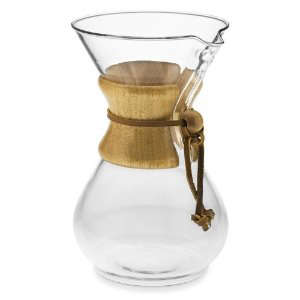
The Chemex drip coffee carafe is what happens when science, design, and caffeine decide to share a very stylish apartment. At first glance, it looks like a piece of glassware that escaped from a chemistry lab and got hired by an interior designer. But behind that hourglass body, wooden collar, and leather tie is one of the most respected manual coffee brewers in American coffee culture.
For people who love clean, aromatic, flavorful coffee, the Chemex is more than a pretty countertop object. It is a pour-over coffee maker and serving carafe in one, designed to brew coffee slowly through thick bonded paper filters. The result is a cup that often tastes bright, smooth, and remarkably clear, especially compared with heavier brewing methods like French press.
Of course, the Chemex also has a personality. It asks you to slow down. It wants a proper grind size. It appreciates a gooseneck kettle. It does not enjoy being rushed like a gas-station coffee machine having a Monday crisis. But once you understand how it works, the Chemex can turn an ordinary morning into a small, delicious ritual.
What Is a Chemex Drip Coffee Carafe?
A Chemex drip coffee carafe is a manual pour-over coffee brewer made primarily from heat-resistant glass. Unlike a separate dripper-and-server setup, the Chemex combines both pieces into one elegant vessel. You place a special Chemex paper filter in the top cone, add medium-coarse ground coffee, pour hot water over the grounds, and let gravity do the rest.
The brewed coffee drips directly into the lower chamber, which also works as the serving carafe. That simple design is one of the reasons the Chemex has remained popular for decades. There are no buttons, no pods, no blinking lights, and no tiny plastic parts that mysteriously disappear into another dimension.
The classic Chemex design was created in 1941 by Dr. Peter Schlumbohm, a chemist and inventor. Its hourglass shape, wooden collar, and leather tie made it instantly recognizable. Today, the Chemex is admired not only by coffee lovers but also by design enthusiasts. It has earned a place in museum collections and is often described as a classic example of form meeting function.
Why Coffee Lovers Still Choose the Chemex
The Chemex has survived many coffee trends because it solves a real problem beautifully: how to make a clean, flavorful pot of coffee without complicated machinery. Its biggest strength is clarity. The thick Chemex bonded filters catch fine particles and much of the coffee oil that can make coffee taste muddy or heavy. This produces a cup with a lighter body and a crisp flavor profile.
That makes the Chemex especially good for single-origin beans, floral coffees, citrusy coffees, and light-to-medium roasts. If a bag of beans promises tasting notes like jasmine, peach, honey, bergamot, or “mysterious blueberry whisper,” the Chemex is one of the better ways to actually taste those notes instead of just reading them on the bag like tiny coffee poetry.
Another advantage is batch size. A six-cup Chemex can brew enough coffee for two or three people, making it more social than many single-cup drippers. It is excellent for weekend breakfasts, brunch, slow work-from-home mornings, or impressing guests who thought your entire coffee strategy was “press the big button.”
The Design: Simple, Smart, and Surprisingly Practical
The Chemex looks delicate, but its design is practical. The borosilicate-style glass does not add flavor to the coffee, while the narrow waist makes the brewer easy to grip when fitted with the wooden collar. The collar protects your hand from heat, and the leather tie holds it in place. It is simple, but it works.
The spout also matters. When the filter is placed correctly, the thicker side of the folded paper filter sits against the spout area, helping air escape during brewing. This prevents the filter from sealing completely against the glass and slowing the brew too much. In other words, even the little details have jobs. The Chemex is not just standing there looking photogenic for social media, although it is very good at that too.
How the Chemex Filter Changes the Flavor
The filter is the secret weapon of the Chemex drip coffee carafe. Chemex filters are thicker than many standard paper coffee filters. This added thickness slows the flow of water and captures more oils and sediment. The result is a clean cup with a lighter mouthfeel.
This does not mean Chemex coffee is weak. A well-brewed Chemex can be flavorful, sweet, aromatic, and complex. But it usually will not have the heavy, oily body of French press coffee. Think of the difference like this: French press coffee enters the room wearing boots; Chemex coffee enters wearing a linen shirt and excellent posture.
Because the filter removes more solids, small changes in grind size, ratio, and pouring technique become easier to taste. That is part of the fun. It is also why beginners should use a scale and timer. Precision sounds fussy until your coffee suddenly tastes better and you start wondering whether you have become “a coffee person.” Spoiler: you have.
Best Coffee Beans for a Chemex
The best beans for a Chemex are fresh, high-quality beans with flavors you want to highlight. Light and medium roasts often shine because the Chemex emphasizes brightness and clarity. Coffees from Ethiopia, Kenya, Colombia, Guatemala, and Costa Rica can be beautiful in a Chemex when roasted well.
For flavor, look for tasting notes such as citrus, stone fruit, berry, florals, caramel, brown sugar, cocoa, or tea-like sweetness. Dark roasts can work too, but because the Chemex filter creates such a clean cup, it may make smoky or bitter flavors more obvious. If you love dark roast, try using slightly cooler water and a coarser grind to avoid over-extraction.
Recommended Chemex Brew Ratio
A good starting ratio for Chemex coffee is 1 gram of coffee to 15–17 grams of water. For a balanced everyday brew, try 42 grams of coffee with 700 grams of water. For a smaller batch, use 30 grams of coffee with 500 grams of water. If you want a stronger cup, move closer to 1:15. If you prefer a lighter cup, try 1:17.
Here is a simple beginner-friendly recipe:
- Coffee: 40 grams
- Water: 640 grams
- Ratio: 1:16
- Grind: Medium-coarse, similar to coarse sand
- Water temperature: About 195°F to 205°F
- Total brew time: Around 4:30 to 5:30 minutes
Step-by-Step: How to Brew Coffee in a Chemex
1. Heat the Water
Heat filtered water to about 195°F to 205°F. If you do not have a temperature-controlled kettle, bring water to a boil and let it sit briefly before brewing. Water that is too cool can make coffee taste sour and thin. Water that is too hot can pull out harsh bitterness, especially from darker roasts.
2. Place and Rinse the Filter
Open the Chemex filter so one side has three layers and the other has one. Place the three-layer side against the spout. Rinse the filter thoroughly with hot water. This removes papery flavor and warms the glass. Then pour out the rinse water. Forgetting this step is not illegal, but your coffee may file a complaint.
3. Add Freshly Ground Coffee
Grind your beans just before brewing. Use a medium-coarse grind. If the coffee drains too quickly and tastes weak or sour, grind a little finer. If it drains slowly and tastes bitter or dry, grind coarser.
4. Bloom the Coffee
Start your timer and pour about twice the coffee weight in water over the grounds. For 40 grams of coffee, use about 80 grams of water. Make sure all grounds are wet, then wait 30 to 45 seconds. This bloom allows trapped carbon dioxide to escape and helps the coffee extract more evenly.
5. Pour Slowly and Evenly
After the bloom, continue pouring in slow circles, staying mostly near the center and avoiding aggressive pours along the edge of the filter. Add water in stages until you reach your final weight. Keep the water level controlled rather than flooding the cone like you are trying to put out a tiny coffee fire.
6. Let It Drain and Serve
When the coffee finishes dripping, remove the filter and grounds. Swirl the carafe gently to mix the brew, then pour and enjoy. The finished cup should be clean, aromatic, and balanced.
Common Chemex Mistakes and How to Fix Them
The Coffee Tastes Sour
Sour Chemex coffee usually means under-extraction. The water may be too cool, the grind may be too coarse, or the brew time may be too short. Try grinding slightly finer, using hotter water, or slowing your pour.
The Coffee Tastes Bitter
Bitter coffee often means over-extraction. The grind may be too fine, the brew time may be too long, or the water may be too hot for the roast level. Try grinding coarser or lowering the temperature slightly, especially with dark roasts.
The Brew Takes Forever
If your Chemex drains painfully slowly, your grind is probably too fine. Another possibility is that the filter has sealed against the spout, blocking airflow. Make sure the three-layer side of the filter is placed toward the spout.
The Coffee Tastes Flat
Flat coffee can come from stale beans, poor water, old pre-ground coffee, or an imbalanced ratio. Use fresh beans, grind right before brewing, and try filtered water. Coffee is mostly water, so bad water makes bad coffee. Shocking, but true.
Chemex vs. French Press vs. Automatic Drip
The Chemex is best for people who want clean flavor and enjoy a hands-on brewing ritual. French press is better for those who prefer a heavier body and more coffee oils. Automatic drip machines win on convenience, especially for busy mornings when your brain is still buffering.
Compared with a French press, the Chemex produces less sediment and a brighter cup. Compared with many automatic drip machines, it gives you more control over water temperature, pouring speed, coffee ratio, and extraction. The tradeoff is effort. A Chemex asks for your attention, but it rewards that attention with flavor.
Cleaning and Maintaining a Chemex
Cleaning a Chemex is simple if you do it regularly. After brewing, discard the filter and grounds, rinse the carafe with warm water, and let it dry. For deeper cleaning, use warm soapy water and a soft brush. Remove the wooden collar before washing thoroughly or placing compatible models in a dishwasher.
Avoid leaving old coffee sitting in the carafe for hours. Coffee oils and residue can cling to glass over time and dull the flavor of future brews. If your Chemex starts looking cloudy, a gentle cleaning solution made for coffee equipment can help restore clarity.
Who Should Buy a Chemex Drip Coffee Carafe?
The Chemex is ideal for coffee drinkers who want a beautiful brewer, clean flavor, and enough capacity for more than one cup. It suits people who enjoy the process of making coffee and do not mind spending a few extra minutes on technique.
It may not be the best choice if you want push-button convenience, maximum heat retention, or a travel-friendly brewer. Glass is elegant, but it is not exactly backpack-proof. The Chemex also requires its own filters, which means you need to keep them stocked. Running out of filters before morning coffee is the kind of household emergency that deserves dramatic music.
Practical Buying Tips
For most households, the six-cup Chemex is the most versatile size. It can brew a generous amount without feeling oversized. Smaller three-cup models are charming but less flexible, while eight-cup and ten-cup versions are better for families, offices, or people who consider “one cup” a philosophical concept.
Choose the classic wood-collar model if you want the iconic look. Choose a glass-handle model if you prefer easier cleaning and fewer removable parts. Either way, buy the correct Chemex filters for your model. The filter is not an accessory; it is half the performance.
Personal Experience: Living With a Chemex Drip Coffee Carafe
Using a Chemex feels different from using an automatic coffee maker. The first thing you notice is that it slows the room down. You heat the water, fold the filter, rinse it, weigh the beans, grind them, and pour. None of this is difficult, but it does require you to be present. In a world where breakfast sometimes means eating toast over the sink while checking email, that little pause can feel surprisingly luxurious.
The first few brews may not be perfect. That is normal. My early Chemex attempts had the emotional range of a weather report: one cup was bright and thin, another was strong enough to negotiate a mortgage, and one took so long to drain that I considered naming it and sending it to college. But once the grind size and pouring rhythm settled, the Chemex became reliable.
The biggest lesson is that grind size matters more than beginners expect. A slightly finer grind can bring out sweetness and depth, but too fine and the filter clogs. A coarser grind speeds things up, but too coarse and the coffee tastes watery. The sweet spot is usually somewhere between automatic drip and French press. Once you find it, write it down or keep your grinder setting consistent.
The second lesson is that rinsing the filter is worth the extra few seconds. Chemex filters are thick, and rinsing helps remove paper taste while preheating the glass. Skipping the rinse can make a delicate coffee taste dull. It is a tiny step with a big payoff, like salting pasta water or pretending to stretch before exercising.
The third lesson is that Chemex coffee is wonderful for sharing. There is something satisfying about brewing directly into a carafe and pouring coffee for two or three people. It feels hospitable without being fussy. Guests often comment on the design before they taste the coffee, and then they notice how smooth the cup is. The Chemex makes coffee feel intentional.
It also changes how you buy beans. Because the brew is so clean, it encourages curiosity. You start noticing roast dates, origin countries, processing methods, and tasting notes. A washed Ethiopian coffee may taste bright and tea-like. A Colombian coffee may bring caramel sweetness. A Guatemalan coffee may taste round, chocolatey, and balanced. The Chemex gives those differences room to speak instead of covering them with bitterness or sludge.
There are small inconveniences. The glass can lose heat faster than an insulated carafe, so Chemex coffee is best enjoyed soon after brewing. The filters take up pantry space. The brewer itself requires gentle handling. And yes, if you are half-awake, pouring with precision can feel like operating a tiny breakfast crane. But these are not deal-breakers for most people who enjoy manual brewing.
Over time, the Chemex becomes more than a coffee maker. It becomes part of the kitchen rhythm. It looks good on the counter, performs consistently when treated well, and turns coffee into a craft without making the process intimidating. You do not need to be a professional barista to use one. You only need fresh coffee, decent water, a burr grinder if possible, and a willingness to learn from each brew.
The best experience with a Chemex comes when you stop chasing perfection and start paying attention. Taste the coffee. Adjust one thing at a time. Try a slightly different ratio. Change the grind. Use a lighter roast. Use a darker roast. Make notes if you want, or just trust your taste buds. The Chemex is forgiving enough for beginners and precise enough for enthusiasts, which is why it has lasted so long.
Conclusion
The Chemex drip coffee carafe remains a favorite because it offers something rare: beautiful design, practical brewing, and excellent flavor in one simple object. It can make coffee that tastes clean, sweet, aromatic, and expressive, especially when paired with fresh beans and proper technique.
It is not the fastest brewer, and it is not the most rugged. But for people who enjoy the ritual of coffee, the Chemex delivers a rewarding experience. It invites you to slow down, pay attention, and enjoy the difference that small details make. In return, it gives you a carafe of coffee that tastes like you meant to make it well.
Note: This article was written from synthesized research based on reputable U.S. coffee, design, culinary, and brewing education sources, including official Chemex information, specialty coffee brewing guidance, product testing reviews, and expert pour-over brewing recommendations.