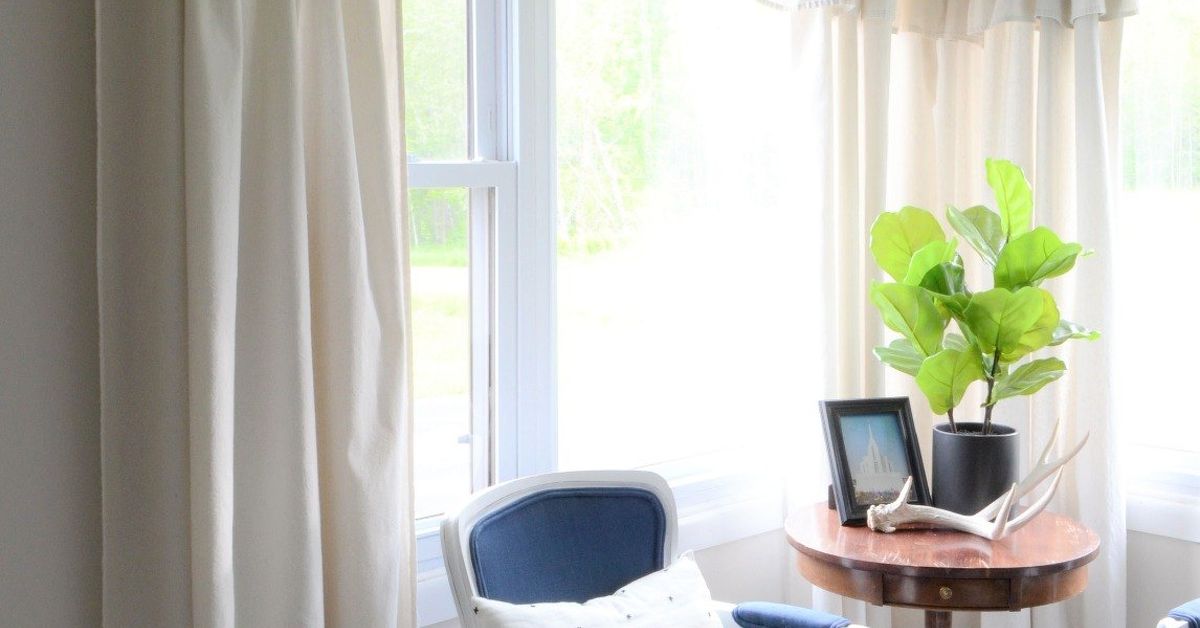
Farmhouse curtains have a magical way of making a room feel softer, warmer, and slightly more likely to smell like fresh biscuitseven if dinner is frozen pizza. The good news? You do not need a sewing machine, a design degree, or a trust fund for custom drapery to get the look. With a few affordable materials, simple measuring, and the heroic little inventions known as curtain clips and iron-on hem tape, you can create cheap no sew farmhouse curtains that look charming, intentional, and far more expensive than they actually are.
The farmhouse curtain style works because it is relaxed. It does not demand perfection. A slightly rumpled linen look, a canvas drop cloth with texture, a striped cotton sheet, or a pair of tea towels clipped to a rod can all feel right at home. The secret is choosing fabric with natural texture, hanging it thoughtfully, and resisting the urge to overdecorate. Farmhouse style is not “everything must have a rooster on it.” It is comfort, simplicity, and texture with a wink of vintage charm.
This guide walks through affordable fabric ideas, no-sew construction methods, measuring tips, styling choices, and practical examples for kitchens, bedrooms, bathrooms, and living rooms. By the end, you will know how to make curtains without sewingand without apologizing to your wallet afterward.
Why No Sew Farmhouse Curtains Are So Popular
No sew farmhouse curtains are popular because they solve three problems at once: they are affordable, beginner-friendly, and customizable. Store-bought curtains can be beautiful, but finding the right length, color, texture, and price often feels like trying to match socks in the dark. Custom curtains are even trickier because they can be expensive, especially for large windows or multiple rooms.
No-sew curtains let you control the look without buying specialized equipment. Instead of stitching, you can use iron-on hem tape, fabric glue, clip rings, tension rods, or even folded fabric panels. A curtain can be as simple as a drop cloth clipped to rings or as polished as fabric hemmed with fusible bonding tape and trimmed with ribbon. That flexibility is exactly why this project appeals to renters, first-time decorators, busy parents, and anyone who has ever looked at a sewing machine and thought, “Absolutely not today.”
Farmhouse design also welcomes humble materials. Canvas, cotton, linen blends, muslin, flour sack towels, ticking stripes, gingham, buffalo check, and neutral sheets all fit the mood. The result is casual but cozy, inexpensive but not cheap-looking.
Best Cheap Materials for No Sew Farmhouse Curtains
1. Canvas Drop Cloths
Canvas drop cloths are a farmhouse DIY classic. They are usually sold in home improvement stores as painting supplies, but their sturdy texture, warm neutral color, and relaxed drape make them excellent curtain material. They are especially useful for living rooms, dining rooms, bedrooms, and wide windows.
Before hanging drop cloth curtains, wash and dry them if the care label allows. This softens the fabric, removes stiffness, and helps reduce shrinkage later. Some drop cloths have seams running through them, so open the package before committing to your layout. If the seam lands in an awkward place, consider using it as part of the rustic characteror choose another panel if you prefer a cleaner look.
2. Flat Bed Sheets
Flat sheets are one of the easiest shortcuts for DIY farmhouse curtains. They already have finished edges, they come in long lengths, and they are available in endless colors and patterns. White, cream, oatmeal, pale gray, faded blue, ticking stripe, and subtle plaid sheets can all work beautifully in farmhouse rooms.
For a very quick project, fold the top of the sheet over to create a soft valance effect, then attach curtain clip rings along the folded edge. The fold adds weight and gives the top a finished look without a single stitch. This trick is especially useful when the sheet is too long, because the extra fabric becomes part of the design instead of a problem.
3. Tea Towels and Flour Sack Towels
Tea towels are perfect for no sew café curtains, especially in kitchens, laundry rooms, breakfast nooks, and small bathrooms. They are already hemmed, usually lightweight, and often come in charming patterns like stripes, checks, florals, or simple woven textures.
To turn tea towels into café curtains, use clip rings and a slim rod or tension rod. Hang them across the lower half of the window to create privacy while still letting sunlight pour in from above. This is one of the fastest farmhouse curtain projects, and it is ideal for people who enjoy results before their coffee gets cold.
4. Tablecloths, Napkins, and Fabric Remnants
Do not ignore the table linen aisle. Cotton tablecloths, linen-look napkins, and fabric remnants can become beautiful farmhouse window treatments. A rectangular tablecloth can become a long curtain panel, while large napkins can work as café curtains or small valances. Fabric remnants are excellent for adding trim, tiebacks, or contrast bands to plain curtains.
5. Muslin, Gauze, and Linen-Look Fabric
If you want a softer, airier farmhouse look, choose muslin, cotton gauze, or linen-look fabric. These materials are lightweight and relaxed, making them great for spaces where privacy is less important than softness. They also work well layered over blinds or shades.
Tools and Supplies You May Need
You can keep this project very simple. At minimum, many no sew curtain projects need only fabric, clip rings, and a rod. For a more finished panel, gather the following:
- Fabric, drop cloths, sheets, tea towels, or tablecloths
- Curtain clip rings
- Curtain rod, café rod, or tension rod
- Iron-on hem tape or fusible bonding web
- Iron and ironing board
- Measuring tape
- Fabric scissors
- Pins or clips for holding folds in place
- Optional trim, ribbon, tassels, or jute tiebacks
If you are using iron-on tape, test it on a small fabric scrap first. Some fabrics handle heat better than others, and synthetic blends may need a lower temperature. Always follow the product directions, because hem tape is not a mind reader, no matter how much we wish it were.
How to Measure for Cheap No Sew Farmhouse Curtains
Measuring is where budget curtains either become “designer-looking” or “I guessed and now the window is wearing capri pants.” Start with the rod placement. For a classic look, mount the curtain rod several inches above the window trim. For a more dramatic farmhouse look, hang the rod closer to the ceiling or crown molding. This makes windows appear taller and the room feel larger.
For width, choose panels that look full when closed. A good general target is total curtain fabric that is about two times the width of the window. If the fabric is very sheer, you may want more fullness. If it is heavy canvas, slightly less fullness can still look substantial.
For length, measure from the rod or clip ring position down to where you want the curtain to end. Farmhouse curtains usually look best when they just touch the floor, hover slightly above it, or softly break at the bottom. Curtains that stop several inches above the floor can look accidental unless they are café curtains or sill-length kitchen curtains.
Easy Method: Clip Ring Drop Cloth Curtains
This is the fastest way to create cheap no sew farmhouse curtains with big impact.
Steps
- Wash and dry the drop cloth if allowed by the care label.
- Iron or steam the fabric enough to remove harsh packaging creases.
- Fold the top edge down until the panel reaches your desired length.
- Attach curtain clip rings evenly across the top fold.
- Slide the rings onto the rod and adjust the folds.
The fold at the top creates a relaxed header that looks intentional. For a fuller look, use two panels per window. For a casual modern farmhouse feel, pair the canvas with black metal rods, wood rods, or simple oil-rubbed bronze hardware.
Easy Method: No Sew Sheet Curtains
Flat sheets are a budget decorator’s secret weapon. They are already large, washable, and hemmed. If you want farmhouse curtains for a bedroom or living room, sheets can give you a soft look at a low price.
Steps
- Choose twin, full, queen, or king flat sheets depending on your window size.
- Wash and dry them first to soften the fabric.
- Fold the top edge over to create the correct length.
- Clip rings across the folded edge, spacing them evenly.
- Hang and steam the panels for a cleaner finish.
White sheets create a crisp farmhouse look. Cream sheets feel warmer. Striped sheets can imitate ticking fabric, which is a classic farmhouse pattern. If the sheets are thin, layer them over blinds or use two sheets per side for extra fullness.
Easy Method: Tea Towel Café Curtains
Tea towel café curtains are charming, fast, and wonderfully cheap. They are best for small windows where you want privacy without blocking all the light.
Steps
- Choose two or more tea towels that fit the width of the window.
- Clip rings along the top edge of each towel.
- Install a café rod or tension rod at the halfway point of the window.
- Slide the rings onto the rod.
- Adjust the towels so they gather softly.
This works beautifully over a kitchen sink. Try striped towels for a traditional farmhouse look, floral towels for cottage charm, or plain linen-look towels for a modern rustic style.
Easy Method: Hem Tape Curtain Panels
If you want a more tailored finish, use iron-on hem tape. This method works well with fabric yardage, tablecloths, sheets that need shortening, or drop cloths with raw edges.
Steps
- Measure and mark your finished curtain length.
- Add extra fabric for the folded hem, usually 1 to 3 inches depending on the look you want.
- Fold the edge and press it with an iron to create a crisp crease.
- Place hem tape inside the fold.
- Press according to the hem tape instructions until the adhesive bonds.
- Let the hem cool before moving the panel.
For best results, do not drag the iron back and forth like you are fighting a wrinkle dragon. Press and hold. Let the heat activate the adhesive. Then allow it to cool so the bond sets properly.
Farmhouse Curtain Style Ideas That Look Expensive
Neutral Canvas Panels
Canvas panels look timeless with shiplap, white walls, wood floors, woven baskets, and vintage furniture. Their slightly imperfect texture is the point. Pair them with black rods for contrast or wood rods for warmth.
Buffalo Check or Gingham Café Curtains
Buffalo check and gingham are classic farmhouse patterns. Use them sparingly so the room does not start looking like a picnic blanket moved in and took over. A small kitchen window is the perfect place for this pattern.
White Sheer Panels
White sheers create a light, breezy farmhouse look. They work especially well in rooms that already have blinds or shades for privacy. Choose cotton voile, gauze, or linen-look sheers for softness.
Striped Sheet Curtains
Blue-and-white, gray-and-white, or beige-and-white striped sheets can mimic ticking stripe fabric. This is a great choice for bedrooms, kids’ rooms, laundry rooms, or casual living spaces.
Trimmed No Sew Panels
Add ribbon, tassel trim, pom-pom trim, or patterned fabric tape to plain panels with fusible tape. A simple trim down the inside edge of each panel can make inexpensive curtains look custom. Keep the trim subtle for modern farmhouse style, or go playful in a child’s room or craft room.
Room-by-Room Ideas
Kitchen
Use tea towels, flour sack towels, or lightweight café curtains. Hang them halfway up the window for privacy while keeping natural light. Patterns like thin stripes, tiny checks, or faded florals work especially well.
Living Room
Choose drop cloth panels, linen-look fabric, or flat sheets. Hang the rod high and wide to make the window feel larger. Use two panels per side if you want a fuller, more expensive look.
Bedroom
Layer no sew farmhouse curtains over blackout shades or existing blinds. Sheets can work well here because they are soft and washable. Choose longer panels that just touch the floor for a calm, finished effect.
Bathroom
Try short café curtains or lightweight cotton panels. Avoid heavy fabric in damp rooms unless there is good ventilation. White, cream, pale gray, and soft sage green all feel fresh in farmhouse bathrooms.
Laundry Room
This is the perfect place to have fun. Use striped towels, cheerful checks, or fabric remnants. A small no sew curtain can hide open shelving, cover a utility window, or soften a practical space.
Common Mistakes to Avoid
The first mistake is choosing fabric that is too skimpy. Farmhouse curtains should feel relaxed and generous, not like two napkins trying to cover a bay window. Add fullness whenever possible.
The second mistake is hanging the rod too low. A higher rod usually makes the window look taller and the room feel more polished. Another common issue is making panels too short. Unless you are making café curtains, aim for floor-length panels that float, touch, or gently break at the floor.
The third mistake is skipping the iron or steamer. No sew does not mean no effort whatsoever. Wrinkles can make even good fabric look unfinished. A quick steam can take your curtains from “laundry pile” to “cozy farmhouse magazine moment.”
Finally, do not overload the room with too many rustic details. If the curtains are checkered, keep nearby patterns calmer. If the room already has a lot of wood, baskets, signs, and vintage pieces, simple white or canvas curtains may be the better choice.
Budget Breakdown: How Cheap Can This Project Be?
The final cost depends on window size and materials, but no sew farmhouse curtains can be extremely affordable. Tea towel café curtains may require only towels, clip rings, and a tension rod. Sheet curtains can be made from discount flat sheets and ring clips. Drop cloth curtains cost more than tea towels but often cover large windows for far less than custom drapes.
To save more, shop your linen closet first. Look for unused sheets, tablecloths, napkins, or fabric pieces. Check thrift stores for cotton sheets, vintage tablecloths, and curtain rods. Browse clearance aisles for clip rings, trim, and fabric tape. The most farmhouse thing you can do is use what you already have and make it look charming on purpose.
Experience Notes: What You Learn When Making Cheap No Sew Farmhouse Curtains
The first thing you learn is that fabric behaves like it has opinions. A drop cloth may look stiff in the package, then soften beautifully after washing. A sheet may seem too plain until it is clipped high on a black rod and suddenly looks like something from a cozy guest cottage. A tea towel may look small in your hand but perfect on a kitchen window. The project teaches you to test, hang, step back, and adjust.
One of the best experiences with cheap no sew farmhouse curtains is realizing that “imperfect” can actually look better. A slightly uneven fold at the top of a drop cloth panel does not ruin the design. It often adds to the casual farmhouse feel. This is not the style for people who want every pleat to stand at attention like it joined the curtain military. Farmhouse curtains should feel lived-in, soft, and welcoming.
Another useful lesson is that curtain clips are tiny miracles. They make almost any flat fabric hangable. Sheets, towels, napkins, tablecloths, and fabric remnants can all become window treatments with clips. If you change your mind later, you can unclip the fabric and reuse it somewhere else. That is especially helpful for renters or anyone who enjoys seasonal decorating. In fall, you might use warm beige or plaid panels. In spring, you might switch to white cotton or pale blue stripes.
Measuring also becomes less intimidating once you do it. The first window may involve a little hesitation, a few pencil marks, and possibly one dramatic sigh. By the second window, you will understand how rod height changes the whole room. Hanging curtains higher makes ceilings feel taller. Extending the rod wider lets more light show when the curtains are open. These small decisions make inexpensive fabric look much more polished.
You also learn that cheap does not have to mean flimsy. A sturdy canvas drop cloth can look substantial. A thick cotton tablecloth can drape beautifully. Even basic sheets can look elegant if they are full enough and properly steamed. The hardware matters too. Simple black rods, wood rods, or matte metal clip rings can elevate budget fabric instantly.
There is also satisfaction in solving a design problem without overbuying. Maybe the laundry room window feels bare. Maybe the kitchen needs privacy from the neighbor who always appears exactly when you are eating cereal in pajamas. Maybe the living room needs softness but custom curtains are not in the budget. No sew farmhouse curtains give you a practical, attractive answer without turning the project into a full renovation.
The best part is the confidence that comes afterward. Once you make one set, you start seeing curtain possibilities everywhere. That unused tablecloth? Potential café curtain. Those clearance napkins? Tiny valance. That drop cloth in the garage? Living room panels waiting for their moment. Suddenly, your home feels more flexible, more personal, and more creative. And no sewing machine had to be threatened, borrowed, or understood.
Final Thoughts on Cheap No Sew Farmhouse Curtains
Cheap no sew farmhouse curtains are proof that good style does not always come from expensive materials or complicated skills. Sometimes it comes from a canvas drop cloth, a pack of clip rings, a warm iron, and the willingness to experiment. Whether you choose tea towel café curtains for the kitchen, sheet curtains for the bedroom, or drop cloth panels for the living room, the goal is the same: soften the space, add texture, and make the room feel more like home.
Keep the look simple, measure carefully, hang the rods thoughtfully, and choose fabric that feels natural and relaxed. Add trim if you want a custom touch, or leave the panels plain for quiet farmhouse charm. Either way, you can create beautiful window treatments on a budgetand you can do it without sewing a single stitch. That deserves a round of applause, or at least a celebratory cup of coffee under your newly dressed kitchen window.
Note: This article is written as original, web-ready content based on practical DIY curtain methods, current home styling guidance, and real no-sew decorating techniques. It contains no source-code citation placeholders or unnecessary reference tags.