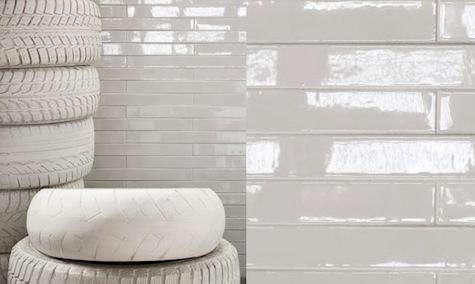
Ceramica Bianca Glazed Tiles sound like something you would find in a sunlit Italian villa where everyone drinks espresso from tiny cups and somehow never drops tomato sauce on the floor. In real homes, however, these tiles are valued for a much more practical reason: they bring a clean, bright, elegant look to walls and surfaces without demanding royal-palace maintenance.
The phrase “Ceramica Bianca” points directly to the appeal of white ceramic beauty. “Bianca” means white, and glazed ceramic tile has long been loved for kitchens, bathrooms, laundry rooms, fireplace surrounds, feature walls, and commercial interiors that need both style and sanity. A glossy or softly glazed white tile can bounce light around a room, make compact spaces feel larger, and provide the kind of timeless backdrop that does not panic every time paint trends change.
But choosing Ceramica Bianca Glazed Tiles is not just about picking something pretty. The real value comes from understanding how glazed ceramic tile works, where it performs best, how to clean it, and how to design with it so the final space looks intentional instead of “I found a tile sample and hoped for the best.”
What Are Ceramica Bianca Glazed Tiles?
Ceramica Bianca Glazed Tiles are best understood as white or white-inspired ceramic tiles finished with a protective glaze. The ceramic body is formed from clay-based materials and fired in a kiln. The glaze is applied to the surface to create color, sheen, texture, and a layer that helps resist everyday stains and moisture.
In design language, these tiles often live in the same family as white ceramic wall tile, glossy ceramic backsplash tile, polished ceramic tile, handmade-look tile, and classic subway tile alternatives. Depending on the manufacturer or collection, the surface may be bright white, warm ivory, pearl, chalky white, milky cream, or a lightly varied handmade white. That subtle variation is important. A perfectly flat white tile can look crisp and modern, while a slightly wavy glazed tile can feel warmer, more artisanal, and less like a hospital hallway with ambition.
Why White Glazed Ceramic Tile Keeps Winning
It Makes Rooms Feel Brighter
White glazed ceramic tile reflects light beautifully, especially in kitchens and bathrooms where natural light may be limited. A glossy backsplash behind a sink or range can brighten the room during the day and create a polished glow under cabinet lighting at night.
It Works With Almost Every Style
One of the biggest strengths of Ceramica Bianca Glazed Tiles is flexibility. They can look traditional with shaker cabinets, modern with slab fronts, coastal with pale wood, industrial with black metal, or luxurious with marble accents. White tile is the design equivalent of a good white shirt: simple, useful, and surprisingly hard to improve upon.
It Gives You Texture Without Chaos
Many homeowners want visual interest but do not want a kitchen wall that shouts before the coffee machine is awake. Glazed white ceramic tiles can add dimension through shape, layout, shine, beveling, crackle effects, handmade edges, or subtle tonal variation while keeping the overall palette calm.
Best Places to Use Ceramica Bianca Glazed Tiles
Kitchen Backsplashes
The kitchen backsplash is the natural home for glazed ceramic tile. Glazed surfaces are easier to wipe than many porous materials, and white tile pairs well with stainless steel appliances, stone countertops, butcher block, quartz, and painted cabinetry. For a classic look, use rectangular tiles in a running bond pattern. For something fresher, try vertical stacking, herringbone, basketweave, or a straight grid.
Bathroom Walls
White glazed ceramic tile is excellent for bathroom walls, vanity backsplashes, tub surrounds, and shower walls when properly installed. It brings a clean, spa-like feeling and makes small bathrooms feel more open. For floors, however, always check the tile’s rating and slip-resistance information. A wall tile is not automatically a floor tile, no matter how charming it looks in your shopping cart.
Laundry Rooms and Mudrooms
Laundry rooms need surfaces that can handle splashes, detergent drips, and the occasional mystery stain that nobody in the house will admit creating. A glazed tile wall behind a utility sink or folding counter adds protection and makes the room feel less like a punishment chamber for socks.
Fireplace Surrounds and Feature Walls
White glazed ceramic tile can create a beautiful fireplace surround or accent wall. The reflective surface draws attention to texture and light, while the neutral color keeps the feature from overpowering the room. Always confirm heat and installation requirements with the tile supplier and installer before using any tile around a fireplace.
Ceramic vs. Porcelain: What Buyers Should Know
Ceramic and porcelain tiles are related, but they are not identical twins. Porcelain is generally denser and has lower water absorption, which often makes it better for floors, exterior uses, and demanding wet areas. Ceramic tile is often easier to cut, usually more budget-friendly, and especially popular for walls and backsplashes.
For Ceramica Bianca Glazed Tiles, the key is application. If the tile is intended for interior walls, it may be perfect for backsplashes and bathroom walls but not suitable for outdoor patios or high-traffic floors. If you want to use a white glazed tile on a floor, check the manufacturer’s technical details, including floor suitability, abrasion rating, slip resistance, and recommended installation areas.
Design Ideas for Ceramica Bianca Glazed Tiles
Classic Subway Layout
A white glazed subway tile backsplash remains popular because it simply works. It is clean, familiar, affordable in many collections, and easy to pair with other finishes. Use white grout for a seamless look or light gray grout to outline the pattern without making the wall look too busy.
Vertical Stack for a Taller Look
Installing rectangular tiles vertically can make a room feel taller. This is especially helpful in small bathrooms, narrow powder rooms, or kitchens with lower ceilings. The look feels modern without trying too hard, which is always better than a wall that appears to have read too many design magazines.
Herringbone for Movement
A herringbone pattern adds energy and craftsmanship. It works particularly well behind a range, above a bathroom vanity, or as a framed accent within a larger field of simpler tile. Keep in mind that herringbone layouts usually require more cuts and more skilled installation.
Handmade-Look Texture
If you want charm, choose a glazed tile with slight surface movement, softened edges, or tonal variation. These tiles catch light in different ways and can make a white wall feel alive. They are ideal for kitchens that lean farmhouse, Mediterranean, cottage, organic modern, or transitional.
How to Choose the Right Finish
Glossy glazed tiles reflect the most light and are easy to wipe, making them a strong choice for backsplashes and shower walls. Satin or matte glazed finishes create a softer look and may show fewer water spots, fingerprints, or streaks. Textured tiles add grip and visual depth, but they may need more careful cleaning because dust and residue can settle into the surface details.
Before buying, bring samples home. Look at them in morning light, evening light, and under the actual bulbs in your room. White tile is surprisingly moody. One sample may look crisp in the store and slightly blue in your kitchen. Another may look creamy and warm, which is wonderful unless your countertop already leans cool gray. Tile samples are cheaper than regret, and regret does not come with free shipping.
Installation Details That Matter
Flat Walls Make Better Tile Jobs
A beautiful tile can only do so much if the wall behind it is uneven. Proper surface preparation, underlayment, waterproofing where needed, and layout planning are essential. This is especially true for glossy white tile because reflective surfaces can highlight lippage, uneven grout lines, and awkward cuts.
Grout Color Changes Everything
White grout creates a soft, continuous surface. Light gray grout makes the pattern more visible and is often more forgiving in kitchens. Dark grout creates drama, but it can also exaggerate every line and make small imperfections more noticeable. Choose grout based on the mood you want and the maintenance you can realistically handle.
Do Not Forget Movement Joints
Tile installations need room for small movements caused by temperature, moisture, and structural shifts. A qualified installer will understand where flexible sealant or movement joints are required. Skipping these details can lead to cracking, tenting, or other problems that are much less fun than picking tile in the first place.
Cleaning and Maintenance
One of the great advantages of glazed ceramic tile is that routine cleaning is simple. For everyday care, wipe the surface with clean water or a mild tile-safe cleaner. In kitchens, clean grease before it dries into a stubborn film. A microfiber cloth, non-abrasive sponge, and gentle cleaner are usually enough for most backsplashes.
Avoid harsh abrasives, steel wool, and aggressive acidic products unless the tile manufacturer specifically approves them. Glazed surfaces are durable, but they are not asking to be attacked by a cleaning product with the personality of a chainsaw. For grout, use a soft brush and a suitable grout cleaner. Cementitious grout may need sealing, while many glazed tiles themselves do not require surface sealing.
Pros and Cons of Ceramica Bianca Glazed Tiles
Pros
Ceramica Bianca Glazed Tiles are bright, versatile, stylish, and relatively easy to maintain. They suit many design styles, help small spaces feel larger, and can provide a clean surface for kitchens and bathrooms. They also offer excellent decorative flexibility because white tile comes in many shapes, sizes, finishes, and textures.
Cons
White glossy tile can show water spots, soap residue, or dark grout haze if not cleaned properly. Some ceramic wall tiles are not suitable for floors. Glossy surfaces may be slippery underfoot if used incorrectly. Also, poor installation is very visible with white tile, so cutting corners on labor can make even an expensive tile look budget in the worst way.
Real-Life Experience: Living With Ceramica Bianca Glazed Tiles
From a practical homeowner’s perspective, Ceramica Bianca Glazed Tiles are the kind of material that quietly improves a room every day. The first thing people usually notice is the brightness. A white glazed backsplash can make a kitchen feel cleaner before anyone has actually cleaned anything, which is a small domestic miracle. Under warm cabinet lighting, the glaze reflects just enough light to make the counters look more polished and the room feel more finished.
In a kitchen, the best experience comes when the tile is paired with a grout color that matches real life. Pure white grout looks beautiful on day one, but light gray or warm off-white grout often ages more gracefully near a stove or sink. Cooking splatter happens. Pasta sauce has ambition. Coffee does not respect interior design. A glazed tile surface is usually easy to wipe down, but grout lines need a little more attention. Weekly cleaning with a gentle spray and microfiber cloth keeps the wall looking fresh without turning backsplash care into a second job.
In bathrooms, white glazed ceramic tile creates a calm and classic atmosphere. It works especially well in smaller rooms because it visually expands the space. The trick is to balance all that whiteness with texture or contrast. Add a wood vanity, brushed nickel fixtures, black accents, patterned floor tile, or warm towels so the room feels designed rather than clinically scrubbed. If the tile has handmade-style variation, even better. Slightly uneven reflections help the wall feel soft and crafted.
One lesson many people learn after installation is that tile layout matters as much as tile selection. A simple white tile can look custom when the installer plans centered lines, clean corners, balanced cuts, and tidy trim. On the other hand, rushed layout can make the same tile look awkward. Before installation begins, decide where full tiles should appear, how corners will finish, and whether exposed edges need bullnose, trim, or metal profiles.
Another lived-in advantage is long-term flexibility. If you repaint cabinets, change hardware, swap countertops, or update light fixtures, white glazed ceramic tile usually adapts. It does not lock the room into one trend. That makes Ceramica Bianca Glazed Tiles a smart choice for homeowners who want beauty now and design freedom later. It is not the loudest material in the room, but that is exactly the point. It supports the whole space like a good supporting actor: reliable, attractive, and not trying to steal every scene.
Conclusion
Ceramica Bianca Glazed Tiles offer a rare combination of beauty, practicality, and design flexibility. They can brighten a kitchen, calm a bathroom, dress up a laundry room, or add quiet sophistication to a feature wall. Their glazed surface makes everyday maintenance manageable, while the white ceramic look remains timeless enough to survive changing trends.
The smartest approach is to choose the right tile for the right location, confirm technical specifications, test samples in your own lighting, and hire a skilled installer when the project calls for precision. Do that, and these white glazed ceramic tiles can deliver the kind of clean, elegant finish that looks effortlesseven when you know perfectly well that “effortless” took three sample boards, four grout debates, and one heroic trip back to the tile store.