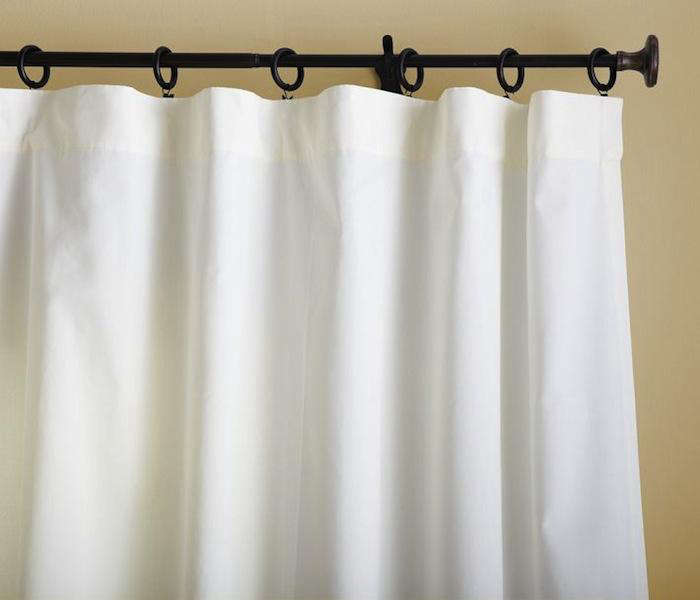
Some home pieces whisper. Others politely clear their throat and improve the whole room without demanding applause. The Cameron Cotton Drape belongs firmly in that second category. It is not the loudest item in a design scheme, and that is exactly why people keep coming back to it. A good cotton drape softens hard edges, frames natural light, adds privacy, and makes a room feel finished instead of “we moved in three months ago and still have commitment issues.”
The Cameron Cotton Drape has long appealed to shoppers who want something classic, versatile, and easy to live with. Its charm is not rooted in fussy ornament or overdesigned details. Instead, it works because cotton is approachable, breathable, and visually relaxed. In a world full of dramatic velvets, shiny synthetics, and fabrics that seem to require their own emotional support team, cotton feels honest. It hangs well, looks clean, and plays nicely with almost every decorating style.
This article takes a close look at what makes the Cameron Cotton Drape such a smart window treatment choice, where it works best, how to style it, what to consider before buying, and how to make it look far more expensive than it really has any right to.
What Is the Cameron Cotton Drape?
The Cameron Cotton Drape is best understood as a clean-lined cotton window panel with a simple, adaptable aesthetic. Historically associated with Pottery Barn’s Cameron cotton collection, it has been described as an unlined cotton drape finished on both sides, which makes it useful not only for windows but also for doorways and even light room division. That detail matters more than it sounds. A panel that looks neat from both sides gives homeowners greater flexibility in open layouts, shared spaces, or rooms where the back of the drape may still be visible.
In practical terms, this is the kind of drape people choose when they want softness without fuss. It is less formal than a heavily lined traditional drapery panel, but more polished than a flimsy sheer. It fits into the sweet spot between decorative and functional, which is where most successful home products live.
Why Cotton Drapes Still Win in Real Homes
1. Cotton has a relaxed, livable texture
One reason cotton drapes remain popular is that they do not look overly precious. Linen can be gorgeous but sometimes too rumpled. Velvet can be dramatic but heavy. Polyester can be practical but not always charming. Cotton often lands right in the middle. It has enough body to hang attractively, enough softness to keep a room feeling welcoming, and enough familiarity to blend with traditional, transitional, farmhouse, coastal, or casual modern interiors.
2. They make rooms feel softer without feeling stuffy
A bare window can make even a nicely furnished room look unfinished. Add a cotton drape, and suddenly the room gains texture, movement, and visual height. The effect is subtle but important. This is especially true in spaces with lots of hard materials such as wood floors, painted walls, tile backsplashes, metal lighting, or glass doors. The drape acts like a visual exhale.
3. Cotton is versatile across seasons
Unlike some heavier drapery materials that feel winter-specific, cotton works year-round. It can feel crisp in spring, light in summer, cozy in fall, and layered in winter. That seasonal flexibility makes the Cameron Cotton Drape a practical choice for homeowners who do not want to redecorate every time the weather changes its mood.
Where the Cameron Cotton Drape Works Best
Living rooms
In a living room, this type of drape adds softness and scale. It can frame a single window, balance a pair of windows, or calm down a busy wall with lots of architectural activity. If your living room already has a patterned rug, textured sofa, or statement art, a simple cotton drape gives the eye a place to rest. That is designer language for “it keeps the room from looking like it drank three espressos.”
Bedrooms
Bedrooms benefit from the cozy look of cotton, especially when the goal is comfort rather than drama. If you like a layered look, a cotton drape can be paired with blackout shades or liners behind it. This gives you the softness of fabric with the sleep-friendly darkness of a more functional back layer. For many people, that is the ideal arrangement: pretty by day, practical by night.
Dining rooms
Dining rooms often need texture to offset hard furniture surfaces. Cotton drapes can make the room feel more finished and slightly more intimate, especially in echo-prone spaces with wood, stone, or metal finishes. The Cameron Cotton Drape works well here because it reads polished without becoming too formal.
Doorways and room dividers
This is one of the more interesting use cases. Since the Cameron Cotton Drape has been described as neatly finished on both sides, it can work beyond standard windows. In small apartments, studios, and flexible family spaces, a cotton drape can separate zones, soften a doorway, or add privacy where a door would feel too heavy or expensive.
How to Style the Cameron Cotton Drape Like a Designer
Hang it higher than you think
One of the easiest ways to improve the look of any drape is to mount the rod higher than the window frame. Design guidance from major U.S. interiors publications consistently recommends placing rods several inches above the frame, and often closer to the ceiling, to make windows look taller and rooms feel grander. This trick is old, reliable, and frankly a little magical.
Go wider than the glass
A drape should not stop exactly at the edge of the window. Extending the rod beyond the frame helps the window look larger and allows the panels to stack back more cleanly when open. That means more visible glass, more daylight, and less of that pinched “I bought the first rod I saw” look.
Choose enough fullness
Cotton drapes look best when they have some volume. Skinny panels rarely look luxurious. Even a beautiful fabric can appear underdressed if there is not enough width. Fuller panels create softer folds and a more intentional silhouette. The result is not just prettier; it also looks more custom.
Let the drape kiss the floor
For a tailored finish, the Cameron Cotton Drape should generally skim or just kiss the floor. Too short and it looks accidental. Too long and it can veer into puddled chaos, which is lovely in a formal editorial shoot and less lovely when the vacuum enters the chat. If you want a more relaxed or romantic look, a slight puddle can work, but for most homes a near-floor finish is the safest and smartest choice.
Keep the hardware simple
Because cotton has an easy, understated appeal, it pairs best with hardware that supports rather than dominates. Slim black rods, warm brass finishes, wood-toned hardware, or classic iron styles all work depending on the room. The point is balance. Your drapery rod should not be the diva of the window.
Color, Mood, and Room Personality
Much of the Cameron Cotton Drape’s appeal comes from its ability to support different moods depending on color. Lighter shades can make a room feel airy, calm, and more spacious. They are especially effective in coastal, Scandinavian-inspired, or classic American interiors. Mid-tone neutrals can ground a room and connect beautifully with wood, leather, woven textures, and natural stone. Deeper shades tend to feel moodier and more architectural, especially when paired with darker walls or dramatic lighting.
If you are choosing a cotton drape for a busy room, keep the panel color quiet and let other pieces speak. If your room is mostly neutral and needs more depth, a richer drape color can create structure without overwhelming the space. The drape becomes a backdrop, not a distraction.
Curtain vs. Drape: Why the Name Matters a Little, but Not Too Much
Many people use the terms curtain and drape interchangeably, and in everyday conversation that is perfectly fine. In design language, curtains often suggest lighter-weight, more casual fabric, while drapes may imply a heavier or more structured panel, often lined. The Cameron Cotton Drape sits in an interesting middle zone. It has the softness and ease associated with cotton curtains, but its styling potential allows it to function like a more formal drape when hung properly and given enough fullness.
That is good news for shoppers because it means you get flexibility. You can style it casually in a breakfast nook or elevate it in a primary bedroom. Same general idea, different energy.
Maintenance and Everyday Practicality
Another reason cotton remains popular is that it tends to be more manageable than delicate, high-maintenance fabrics. Cotton curtains are often easier to clean than more temperamental materials, though the care label always gets the final vote. In many cases, routine upkeep involves vacuuming with an upholstery attachment, removing hardware carefully, and washing according to the label when appropriate.
That practicality matters in homes with kids, pets, open windows, and actual human behavior. Beautiful design is nice. Beautiful design that survives snack crumbs, dog hair, and a surprise coffee splash is even nicer.
Steaming is also a smart move. Cotton can wrinkle, especially fresh out of packaging, and a quick steam helps the fabric settle into softer, more natural folds. Once installed, many cotton drapes look better after hanging for a few days. They relax, lengthen slightly, and start behaving like they belong there.
Who Should Buy a Cameron Cotton Drape?
This style is especially well-suited to homeowners and renters who want classic window treatments without going overly formal. It makes sense for people who love layered, comfortable interiors; for decorators who want a versatile neutral foundation; and for anyone who values softness, simplicity, and a look that ages well.
It is also a strong choice for people who decorate slowly. Some products only work with one exact style. The Cameron Cotton Drape is more forgiving. It can evolve with your room as rugs change, wall colors shift, or furniture gets swapped out over time. That kind of flexibility is not glamorous, but it is extremely useful.
Things to Consider Before Buying
Light control
Because the Cameron Cotton Drape has been described as unlined, shoppers should think realistically about light control. If you need major darkness for sleep or media viewing, you may want to layer it with blackout shades or add a liner solution. If your goal is softness, filtered light, and privacy with a relaxed look, cotton alone may be exactly right.
Room function
A casual cotton drape can look stunning in a living room or dining room, but you may want more insulation or light blocking in certain bedrooms. Think about how the room is used, not just how it photographs.
Installation quality
Even the prettiest drape cannot save a badly installed rod. Measure carefully, choose the right width, and give the panel enough height and fullness. Good fabric with bad installation is like a great haircut under a bike helmet. The potential is there, but nobody can see it.
Experiences With the Cameron Cotton Drape in Real-Life Spaces
Living with a cotton drape like the Cameron is less about dramatic reveal moments and more about the quiet satisfaction of a room finally feeling right. One of the most common experiences people have with this type of window treatment is surprise at how much visual difference fabric makes. A room that once felt flat or slightly echoey begins to feel layered. Morning light turns softer. Corners feel less sharp. Even furniture can look more intentional once the window is properly framed.
In a small apartment living room, for example, a cotton drape often changes the whole scale of the space. Hung close to the ceiling and allowed to fall nearly to the floor, it can make an average window look taller and broader. The room feels less boxy. The sofa suddenly looks like it belongs there. Houseplants seem happier. The coffee table stops feeling like it is floating awkwardly in a waiting room. It is not magic exactly, but it is close enough for interior design.
Bedrooms tell a slightly different story. Here, the experience is usually about comfort. A Cameron Cotton Drape can make a bedroom feel calmer even before anyone gets under the blanket. The fabric softens the perimeter of the room, which sounds poetic but is actually practical. Hard lines and bare glass can make a bedroom feel cold. Cotton adds visual warmth without making the room feel heavy. When paired with a shade behind it, the result is especially satisfying: soft texture during the day, better light control at night, and a bed area that feels cocooned rather than exposed.
There is also the lived experience of maintenance, which is where many pretty products begin to reveal their true personalities. Cotton drapes are not invincible, but they are usually easier to live with than fussier fabrics. They can collect dust, of course, especially near open windows, but routine vacuuming helps. A quick steam after hanging makes a big difference. And once the panels settle, they tend to look progressively better, not worse. That is a charming trait in any home item.
Another real-world advantage appears in homes that need flexibility. A cotton drape can soften a doorway, add privacy to a home office corner, or divide a studio apartment without the heaviness of a built-in wall. In family homes, this can be surprisingly useful. One week the panel helps separate a play area. The next week it hides storage. Then it becomes a soft backdrop for guests staying over. The drape ends up doing a little more work than expected, which is the domestic version of a great supporting actor stealing the scene.
Perhaps the most consistent experience, though, is this: people rarely regret adding well-hung cotton drapes to a room. They may later change the rug, repaint the walls, or replace a side chair they swore they loved in the store. But the drapes tend to stay because they continue to do their job. They soften, frame, filter, balance, and quietly improve daily life. That is the kind of design success that does not scream for attention. It just keeps making the room feel better every time you walk in.
Conclusion
The Cameron Cotton Drape earns its appeal through simplicity, versatility, and livable style. It is a smart choice for homeowners who want softness without fuss, classic design without stiffness, and everyday practicality without sacrificing charm. Whether used on windows, doorways, or as a light room divider, it offers an easy elegance that suits real homes beautifully. Hang it high, give it room to breathe, let it skim the floor, and it will do what great drapery always does: make the entire room look more intentional, more welcoming, and far more finished.