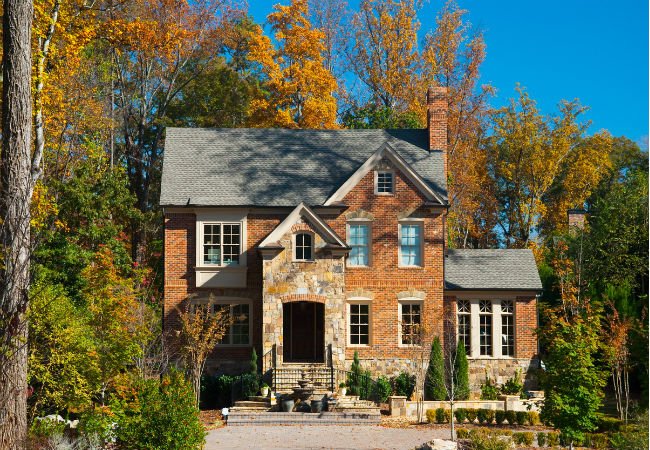
Brick homes have a way of looking like they know something the rest of us do not. While siding trends come and go faster than kitchen cabinet colors on social media, brick keeps standing there with quiet confidence, basically saying, “I was here before your farmhouse sign, and I’ll be here after.” From historic row houses and Colonial homes to modern ranches and sleek new builds, the brick exterior has remained one of America’s most beloved home styles for hundreds of years.
Why? Because brick is beautiful, durable, low-maintenance, fire-resistant, and surprisingly flexible in design. It can feel traditional, rustic, elegant, industrial, cozy, or modern depending on the color, pattern, mortar, trim, roofline, and landscaping around it. In short, brick is the blue jeans of exterior materials: practical, dependable, and somehow always in style.
This guide breaks down what homeowners should know about brick homes, including the difference between solid brick and brick veneer, the benefits and drawbacks of brick siding, maintenance basics, cost considerations, energy performance, and the real-life experience of living with a brick exterior.
What Is a Brick Home?
A brick home is a house with exterior walls made with brick masonry or covered with brick veneer. That may sound simple, but not all “brick houses” are built the same way. Some older homes use brick as part of the actual structure. Many modern homes use brick as a durable exterior cladding over a wood or steel frame.
Solid Brick vs. Brick Veneer
The biggest distinction is between solid brick and brick veneer. Solid brick, also called solid masonry, means the brick wall helps support the structure of the house. These walls are often several layers thick, and they are common in older homes built before modern framing became standard.
Brick veneer, on the other hand, is a non-structural layer of brick installed on the outside of a framed wall. The house is supported by the framing behind it, while the brick acts as the protective and decorative outer shell. Brick veneer gives homeowners the classic brick look without requiring the entire structure to be built from masonry.
If your home was built in the last several decades, there is a good chance it has brick veneer rather than solid brick. That is not a bad thing. Properly installed brick veneer can be long-lasting, attractive, and excellent at protecting the wall system behind it. It simply needs the right flashing, air gap, drainage plane, and weep holes to handle moisture correctly.
Why Brick Homes Have Stayed Popular for Centuries
Brick is not new. People have been using fired clay bricks for thousands of years because the basic idea is brilliant: take clay, shape it, fire it, and create a hard, modular building unit that resists weather, pests, and time. It is the construction equivalent of baking a cookie that can survive a thunderstorm. Please do not eat it.
Brick Has Timeless Curb Appeal
One of the main reasons brick homes remain popular is simple: they look good. Red brick gives a home a traditional, welcoming feel. Whitewashed brick feels relaxed and cottage-inspired. Dark gray or black brick can look dramatic and modern. Tan, buff, brown, and mixed-tone bricks create warmth and texture without screaming for attention.
Brick also works with many architectural styles. It suits Colonial, Tudor, Federal, Craftsman, ranch, Cape Cod, farmhouse, and contemporary homes. That design flexibility gives brick a rare advantage: it can look historic without looking dated and modern without looking cold.
Brick Is Extremely Durable
Durability is where brick really starts showing off. A well-built brick exterior can last for generations with relatively modest maintenance. Unlike wood siding, brick does not rot. Unlike some lightweight exterior materials, it does not dent easily. It is not appetizing to termites, carpenter ants, or other tiny demolition crews wearing invisible tool belts.
Brick stands up well to sun exposure, wind, rain, and temperature swings when it is installed and maintained properly. The material itself is hard, but the wall system still needs smart construction details. Moisture must be able to drain, mortar must remain sound, and landscaping should not trap water against the wall.
Brick Is Low-Maintenance, Not No-Maintenance
Homeowners often love brick because it requires less routine upkeep than many other exterior finishes. It does not need to be painted every few years, and it does not typically require sealing over the entire surface. A brick home may only need occasional washing, inspection, and mortar repair.
That said, brick is not magic. Mortar joints can weather over time. Cracks can form if there is movement in the foundation or wall. Efflorescence, the white powdery deposit sometimes seen on masonry, can appear when moisture carries salts to the surface. These issues are usually manageable, but they should not be ignored.
The Biggest Benefits of Brick Exteriors
1. Long Service Life
A brick exterior is a long-term investment. While many siding materials eventually need full replacement, brick can keep performing for many decades when the wall system is properly built. In historic neighborhoods, it is common to see brick buildings that have been standing for a century or more. They may need repointing, cleaning, or repairs, but the fact that they are still standing is a pretty convincing resume.
2. Fire Resistance
Brick is a noncombustible material, which gives it a major advantage in exterior fire resistance. While no exterior material makes a house completely fireproof, brick can help slow the spread of flames compared with many combustible siding options. For homeowners in areas concerned with fire safety, brick can be part of a more resilient exterior strategy, especially when combined with fire-resistant roofing, clean gutters, defensible space, and careful landscaping.
3. Pest Resistance
Termites do not eat brick. That alone deserves applause. Wood framing behind brick still needs protection, of course, but the brick exterior itself does not provide a buffet for insects. This makes brick especially appealing in humid or termite-prone regions, where wood siding can demand more vigilance.
4. Sound Reduction
Brick’s mass can help reduce exterior noise. If you live near a busy road, school, train line, or neighbor with a lawn mower that apparently has concert-tour ambitions, masonry can help create a quieter indoor environment. Windows, doors, insulation, and air sealing also matter, but brick can contribute to a more solid, peaceful feel.
5. Energy Performance Potential
Brick has thermal mass, meaning it can absorb and release heat slowly. On its own, brick is not the same as modern insulation, but in a well-designed wall assembly, that thermal mass can help moderate temperature swings. The best energy performance comes when brick is paired with proper insulation, air sealing, drainage, and moisture management.
In other words, brick is not a substitute for a complete building envelope strategy. It is one excellent player on the team. The coach is still insulation. The quarterback might be air sealing. The water-resistive barrier is probably the unsung hero who brings orange slices.
6. Strong Resale Appeal
Many buyers associate brick homes with quality, permanence, and classic style. While real estate value depends on location, condition, market timing, and dozens of other factors, brick can boost curb appeal and buyer confidence. A well-maintained brick exterior often gives the impression that the home has substance and history, even if it was built relatively recently.
Potential Drawbacks of Brick Homes
Brick is wonderful, but it is not flawless. Every exterior material has trade-offs, and brick’s strengths come with a few practical considerations.
Higher Upfront Cost
Brick usually costs more to install than vinyl siding and some other common exterior cladding options. Material costs, skilled labor, wall preparation, ties, flashing, and structural details all add to the price. Brick veneer can be more affordable than solid masonry, but it is still generally considered a premium exterior finish.
The key is to think beyond the initial cost. Brick may require less frequent replacement and less routine maintenance over time, which can make it attractive from a life-cycle perspective. Still, homeowners should budget carefully and compare realistic installed costs in their local market.
Moisture Problems If Installed Poorly
Brick can absorb some moisture, and brick veneer walls are designed with a drainage space so water can escape. That is why weep holes and flashing matter. Weep holes are small openings near the bottom of brick walls and above openings that allow trapped moisture to drain out. Flashing directs water away from vulnerable areas.
If weep holes are blocked, flashing is missing, or landscaping is piled too high against the wall, moisture can become trapped. Over time, that can lead to mold, wood rot behind the wall, mortar deterioration, or spalling. A brick wall should breathe and drain. Treat it like a good conversation: do not block the exits.
Mortar Can Deteriorate
The bricks themselves may last a very long time, but the mortar between them can wear down due to weather, moisture, age, and movement. Repointing is the process of removing damaged mortar and replacing it with new mortar. This is especially important for older homes, where using the wrong mortar mix can damage softer historic bricks.
For historic brick homes, repointing should be done carefully by someone who understands masonry. Hard modern mortar used on older soft brick can cause the brick faces to crack or spall because the wall can no longer release stress and moisture properly.
Changing the Look Is Not Always Easy
Brick is permanent-looking because, well, it is fairly permanent. Painting brick is popular, but it is not a casual weekend decision. Once painted, brick often requires ongoing maintenance because paint can peel, trap moisture, or change how the wall dries. Whitewashing, limewashing, staining, or using mineral-based masonry coatings may be better options in some cases, but each choice has pros and cons.
Before painting exterior brick, homeowners should consider the home’s age, moisture conditions, climate, resale goals, and whether the brick has existing damage. A paintbrush can be powerful. So can regret.
Brick Home Maintenance: What Owners Should Actually Do
Brick maintenance is less about constant work and more about regular observation. A yearly walkaround can catch small problems before they turn into expensive repairs.
Inspect Mortar Joints
Look for missing, cracked, crumbling, or recessed mortar. Small areas may be repairable, but widespread deterioration may require professional repointing. Pay special attention around chimneys, window sills, corners, steps, and areas exposed to heavy runoff.
Keep Weep Holes Open
Do not seal, caulk, paint shut, or stuff weep holes with random materials. They exist for drainage and ventilation. If insects are a concern, use products designed for weep hole protection that still allow airflow and water drainage.
Watch for Efflorescence
Efflorescence is the white, chalky residue that can appear on brick or mortar. Sometimes it is cosmetic and can be brushed away. But recurring efflorescence may point to a moisture source, such as poor drainage, failed flashing, clogged gutters, or sprinkler overspray hitting the wall.
Clean Gently
Brick usually does not need aggressive cleaning. Mild detergent, water, and a soft brush are often enough for basic grime. Avoid high-pressure washing unless a professional confirms it is safe, because too much pressure can damage mortar joints or force water into the wall assembly.
Control Landscaping and Drainage
Keep soil, mulch, and plants from sitting directly against brick walls. Make sure gutters work properly and downspouts direct water away from the foundation. Sprinklers should water the lawn, not give your brick wall a daily spa treatment.
Design Ideas for Brick Homes
Brick does not have to mean “red rectangle with white trim,” although that classic look can be gorgeous. Today’s brick homes can lean traditional, modern, rustic, or transitional with a few thoughtful design choices.
Pair Brick With Contrasting Trim
Black trim gives red or white brick a crisp, modern edge. Cream trim softens darker brick. Deep green shutters can make warm brick feel timeless and garden-inspired. Navy doors, bronze fixtures, and natural wood accents also pair beautifully with many brick colors.
Mix Brick With Other Materials
Brick works well with wood, fiber cement, metal roofing, stone, stucco, and glass. A partial brick facade can create weight and texture on the lower level of a home, while lighter materials above can keep the design balanced.
Use Mortar Color Strategically
Mortar color dramatically changes the look of brick. Light mortar creates contrast and highlights each brick. Dark mortar creates a moodier, more uniform appearance. Matching mortar can make the wall feel softer and more blended. This detail is easy to overlook, but it has a major effect on curb appeal.
Is a Brick Home Right for You?
A brick home is a smart choice if you want a classic exterior, strong durability, low routine maintenance, fire resistance, and long-term curb appeal. It is especially attractive for homeowners who plan to stay in their home for many years and appreciate materials that age with character.
However, brick may not be ideal if your top priority is the lowest upfront cost, frequent exterior color changes, or DIY-friendly installation. It also demands proper construction details. A poorly installed brick veneer wall can create moisture problems, while a well-installed one can perform beautifully for decades.
The best approach is to evaluate your climate, budget, architectural style, neighborhood, and maintenance expectations. Brick is not trendy because it does not need to be. It has already survived centuries of trends and is still invited to the curb appeal party.
Extra Experience: What Living With a Brick Home Really Feels Like
Owning or caring for a brick home often feels different from living with lighter exterior materials. There is a sense of solidity that is hard to fake. When you close the front door of a brick house, the home often feels grounded, quiet, and settled. It is not just visual charm; it is the physical presence of the material. Brick has weight, texture, and depth, and that changes how a home feels from the street and from the inside.
One of the most noticeable experiences is the low drama of day-to-day maintenance. With wood siding, homeowners may worry about peeling paint, rot, insects, and frequent refinishing. With vinyl siding, fading, cracking, and impact damage can become concerns. Brick is calmer. Most days, it simply exists. It does not ask for attention every Saturday morning. It does not send passive-aggressive reminders. It just stands there, looking dignified while the gutters collect leaves like they are starting a compost business.
That does not mean brick owners should ignore maintenance. The smartest brick homeowners tend to develop a habit of casual inspection. After a heavy rain, they notice where water runs. In spring, they check whether mulch has crept too high against the foundation. In fall, they clear gutters so water does not spill down the walls. They look at mortar joints the way car owners check tire tread: not obsessively, but often enough to avoid surprises.
Another real-life advantage is design flexibility. Many homeowners discover that small exterior updates go a long way with brick. A new front door color can completely change the mood of the house. Updated lanterns, fresh trim, better landscaping, or a new walkway can make old brick feel polished without covering it up. Because brick already provides texture and character, the supporting details do not have to work as hard.
Brick also ages in a way many people find attractive. Weathering can add character rather than making the home look worn out. Slight color variation, softened edges, ivy-free but garden-friendly landscaping, and mature trees can make a brick home feel established. That is why many new homes try to imitate old brick character with tumbled or reclaimed-looking brick.
The biggest lesson from living with brick is that water management matters more than almost anything else. Most brick problems are not caused by brick being weak; they are caused by water going where it should not go and staying there too long. Good drainage, open weep holes, functional flashing, healthy mortar, and smart grading protect the wall system. A brick home is tough, but even tough materials appreciate not being soaked for years.
For buyers, the practical experience is also emotional. Brick homes often feel trustworthy. They suggest permanence, craftsmanship, and stability. Whether that impression is fair depends on the quality of the actual house, but there is no denying the appeal. A clean, well-maintained brick exterior can make a home feel move-in ready before anyone steps inside.
In the end, the experience of a brick home is a mix of beauty and common sense. It offers charm without being fragile, strength without looking industrial, and tradition without feeling stuck in the past. That is why brick has stayed popular for hundreds of years and why it continues to win over homeowners today. Trends may change, but brick keeps doing what it has always done: protecting homes, looking handsome, and making other siding materials quietly nervous.
Conclusion
Brick homes have remained a favorite for centuries because they deliver a rare combination of durability, curb appeal, fire resistance, pest resistance, and timeless style. Whether used as solid masonry in historic homes or as brick veneer in modern construction, brick gives a house character and long-term value when installed and maintained correctly.
The key is understanding that brick is low-maintenance, not maintenance-free. Homeowners should protect mortar joints, keep weep holes clear, manage drainage, clean gently, and address moisture issues early. Do that, and a brick exterior can reward you with decades of beauty and performance. Brick may be old-school, but it is not outdated. It is classic, confident, and still one of the strongest choices for homeowners who want an exterior that looks good now and keeps looking good long after the next design trend has packed its bags.