A blue striped denim apron sounds simple until you put one on and suddenly feel like you could roast a chicken, repot a fiddle-leaf fig, organize the garage, and open a tiny neighborhood coffee bar before lunch. That is the charm of this hardworking piece: it looks casual, feels familiar, and quietly solves one of life’s most underrated problemskeeping your clothes from becoming a crime scene of flour, sauce, soil, paint, or barbecue smoke.
Unlike a flimsy novelty apron that says something suspiciously cheerful like “Kiss the Cook” while offering the protection of a paper napkin, a blue striped denim apron brings real utility. Denim is associated with durability for a reason. It is generally woven in a sturdy twill structure, often made from cotton or cotton blends, and it softens with use while still holding up to daily wear. Add blue stripes, and you get that extra visual magic: relaxed, classic, slightly coastal, slightly workshop, and never trying too hard.
Whether you are choosing an apron for cooking, baking, grilling, gardening, crafting, serving coffee, or styling a small business uniform, the blue striped denim apron hits a sweet spot between function and style. It protects without looking bulky. It feels more substantial than a thin cotton apron but less intense than a leather workshop apron. It is the apron equivalent of a dependable friend who owns both a cast-iron skillet and a label maker.
What Is a Blue Striped Denim Apron?
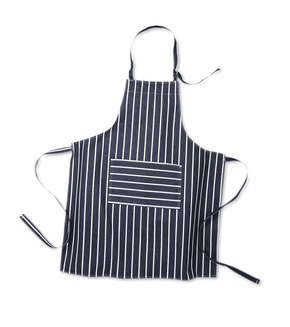
A blue striped denim apron is typically a bib-style or cross-back apron made from denim or denim-like cotton twill fabric, usually in shades of blue with vertical, horizontal, or pinstripe-style striping. The stripes may be woven into the fabric, printed on the surface, or created through alternating yarn colors. The result is a garment that feels sturdy enough for real tasks but stylish enough to hang on a kitchen peg without embarrassing the décor.
The best versions usually include practical features such as an adjustable neck strap, waist ties, deep front pockets, reinforced stitching, or a towel loop. Some are made from heavyweight cotton twill; others use lighter washed denim for a softer, more broken-in feel. The right choice depends on what you plan to do while wearing it. A weekend baker may prefer something flexible and breathable. A barista, florist, ceramic artist, or backyard grill master may want a heavier fabric with stronger pockets and better coverage.
Why Denim Works So Well for Aprons
Denim has a long workwear history because it balances strength, comfort, and personality. In apron form, that combination makes a lot of sense. A denim apron can shield clothing from splatters, dust, crumbs, and light abrasion while still allowing enough movement for chopping vegetables, pulling weeds, rolling dough, or reaching for the spice jar you swear was right there a second ago.
Durability Without Looking Industrial
One of denim’s biggest advantages is toughness. A blue striped denim apron feels substantial in the hands. It does not flap around like a lightweight kitchen towel with ambition. Medium- to heavyweight denim can handle repeated use, frequent movement, and contact with counters, tools, and cabinet edges. For people who cook or work with their hands often, that durability is not just a bonus; it is the whole point.
Texture That Hides Everyday Mess
Flat, pale fabrics can show every tiny drip of coffee, oil, or tomato sauce. Denim’s texture and blue coloring are more forgiving. Stripes help even more by breaking up the surface visually. That does not mean stains disappear like magicunfortunately, aprons are not staffed by tiny laundry elvesbut a striped denim surface tends to look better between washes than a plain, light-colored apron.
It Gets Better With Age
A good denim apron develops character. The fabric may soften, crease naturally, and form subtle fading in high-contact areas. This is part of the appeal. A brand-new apron looks crisp; a well-used one tells a story. If that story includes “I made cinnamon rolls and survived the frosting,” even better.
Why Blue Stripes Are More Than Decoration
Blue stripes give a denim apron a cleaner, more designed look. Solid denim can feel rugged and workwear-heavy, while stripes add rhythm and brightness. Thin pinstripes can look professional for cafés, restaurants, and makers’ markets. Wider blue-and-white stripes lean more farmhouse, coastal, or French bistro. A darker blue stripe creates a refined, almost uniform-like look, while faded blue stripes feel relaxed and homey.
From an SEO and shopping perspective, “blue striped denim apron” also speaks to several style intentions at once. People may search for a durable kitchen apron, a striped cooking apron, a denim work apron, a barista apron, or a farmhouse apron. This product sits at the intersection of all those needs. It is practical enough for work and charming enough for gift-giving.
Best Uses for a Blue Striped Denim Apron
Cooking and Baking
In the kitchen, a blue striped denim apron protects against flour, batter, sauce splashes, oil dots, and the mysterious dusting of cocoa powder that somehow travels six feet from the mixing bowl. For baking, choose a fabric that is sturdy but not too stiff, especially if you bend, reach, and move around for long sessions. Front pockets are useful for a towel, recipe card, thermometer, or phonethough maybe do not put your phone in the same pocket as a sticky spoon unless you enjoy living dangerously.
Grilling and Outdoor Cooking
For grilling, denim offers better coverage than many thin cotton aprons. A longer bib apron helps protect your shirt and pants from smoke, marinade, barbecue sauce, and grease. If you grill often, look for reinforced seams, secure ties, and pockets placed away from direct heat. Denim is tough, but it is still fabric, not armor. Use proper heat-safe tools and keep loose straps away from flames.
Coffee, Barista, and Hospitality Work
Blue striped denim aprons are excellent for cafés and casual hospitality uniforms because they look polished without feeling stiff. Stripes help create visual consistency across staff outfits, and denim pairs well with black shirts, white tees, chambray, or neutral basics. For baristas, deep pockets matter. Pens, order pads, bottle openers, tasting spoons, and small towels all need a place to live that is not the floor.
Gardening and Floristry
In the garden, an apron protects against soil, plant debris, and damp leaves. It also gives you pockets for pruning shears, seed packets, twine, gloves, and plant labels. A blue striped denim apron looks especially good in this setting because it feels natural and unpretentious. It says, “I grow herbs,” not “I have been defeated by mint,” even if both are true.
Crafts, Pottery, and Studio Work
Artists and makers often need an apron that can handle clay, dust, thread, dye, glue, or light tool contact. Denim is a smart studio fabric because it resists wear and does not look precious. A striped denim apron can also make a handmade business feel more branded and intentional during workshops, pop-ups, or product photography.
Key Features to Look For Before Buying
Fabric Weight
Fabric weight affects comfort and protection. Lightweight denim is softer and easier to wear for long periods, especially in warm kitchens. Medium-weight denim is a strong everyday choice because it offers structure without becoming too heavy. Heavyweight denim is best for frequent work, grilling, studio use, or commercial settings. If you run hot while cooking, do not automatically choose the thickest apron on the internet. Your future self, standing near a 425-degree oven, may have opinions.
Adjustable Neck or Cross-Back Straps
Fit is not a minor detail. An apron that pulls on your neck becomes annoying fast, especially when the pockets are full. Adjustable neck straps are common and helpful, but cross-back straps often distribute weight more comfortably across the shoulders. If you wear an apron for hours at a time, cross-back styling may be worth it. For casual home use, an adjustable neck strap with sturdy waist ties is usually enough.
Deep, Useful Pockets
Pockets should be deep enough to hold tools without turning into fabric trampolines. A large front pocket is useful for towels and recipe cards. Divided chest pockets work well for pens, thermometers, and small tools. A hip pocket can be handy for a phone or notebook. However, more pockets are not always better. If a pocket is poorly placed, it can catch crumbs, jab your hip, or collect things you forgot existed three weeks ago.
Reinforced Stitching
Stress points matter. Look for reinforced stitching at pocket corners, tie attachments, strap connections, and towel loops. These are the places most likely to strain during real use. A blue striped denim apron may look charming on day one, but the stitching decides whether it still looks charming after month twelve.
Coverage and Length
A bib apron should cover the chest and extend down toward the knees for general kitchen and workshop use. Wider aprons give better side coverage, while narrower ones feel easier to move in. For petite wearers, an apron that is too long can feel like a denim curtain. For taller wearers, a short apron may protect the shirt and abandon the pants entirely. Measure if you care about fit; guessing is how people end up with apron regret.
How to Style a Blue Striped Denim Apron
The good news is that denim is naturally easy to style. A blue striped apron works beautifully over a plain white T-shirt, black button-down, gray sweatshirt, chambray shirt, or simple linen dress. In a café or shop, it pairs well with neutral uniforms because the stripes add identity without screaming for attention. At home, it can hang from a wall hook and become part of the kitchen atmosphere.
For farmhouse kitchens, choose washed denim with softer stripes and natural cotton ties. For modern kitchens, a darker blue pinstripe apron looks cleaner and sharper. For outdoor grilling, go for deeper indigo or navy stripes that hide marks more easily. For gift-giving, blue stripes are safe but not boring. They feel personal without requiring you to know someone’s entire color psychology chart.
Care Tips: How to Wash a Denim Apron
Always check the care label first because fabric blends, dyes, hardware, leather details, and coatings can change the rules. In general, many cotton denim aprons can be machine washed, but cold water is usually the safest choice for preserving color and reducing shrinkage. Turn the apron inside out before washing, especially if the stripes or indigo shade are rich. Wash new denim separately the first time because darker dyes can sometimes transfer.
Use mild detergent and avoid soaking the apron for long periods. Air drying is usually better than high heat because dryers can contribute to shrinkage, fading, and fabric stress. If the apron has leather straps, waxed finishes, or decorative hardware, it may require spot cleaning or special care. Treat stains quickly, but test stain removers on a hidden area first. The goal is to remove the sauce, not create a modern art patch called “Regret in Blue.”
Blue Striped Denim Apron vs. Other Apron Materials
Denim vs. Plain Cotton
Plain cotton aprons are lightweight, breathable, and easy to wash. They are great for light cooking and baking. Denim, however, usually offers more structure and protection. If you want something that feels more substantial and lasts through heavier use, denim has the edge.
Denim vs. Canvas
Canvas is another durable apron material, often used in professional kitchens, workshops, and grilling aprons. Compared with canvas, denim tends to feel more familiar and stylish. Canvas can be very tough, but it may look more utilitarian. Blue striped denim gives you durability with more visual personality.
Denim vs. Linen
Linen is breathable, soft, and elegant, but it wrinkles easily and may not protect as well against heavy splatters. Linen is lovely for light prep, baking, and hosting. Denim is better when the work gets messier.
Denim vs. Waxed Canvas or Leather
Waxed canvas and leather offer stronger resistance against moisture and heavy-duty wear, but they often need special cleaning. They can also feel stiff or warm. A blue striped denim apron is easier for everyday use because it blends comfort, washability, and style.
Who Should Buy a Blue Striped Denim Apron?
A blue striped denim apron is a smart choice for home cooks who want better protection than a thin cotton apron, bakers who like a classic look, grillers who need sturdy coverage, baristas who want a polished casual uniform, gardeners who need practical pockets, and makers who want something durable but attractive. It is also a strong gift for people who are hard to shop for because it feels useful, stylish, and not overly personal.
It may not be the best option for someone who wants an ultra-light apron for hot summer cooking or a waterproof apron for heavy wet tasks. It is also not ideal for jobs requiring certified protective gear. But for everyday creative work, kitchen projects, and casual professional use, it is one of the most versatile apron styles available.
Common Mistakes to Avoid
The first mistake is buying only for looks. Yes, stripes are adorable. So are tiny spoons printed on fabric, but charm does not sauté onions. Check the fabric, fit, pockets, and care instructions. The second mistake is ignoring strap comfort. If an apron pulls on your neck after ten minutes, you will stop wearing it, and it will become a decorative guilt object.
The third mistake is choosing the wrong fabric weight. Heavy denim is excellent for serious work but may feel too warm in a small kitchen. Lightweight denim is comfortable but may not offer enough protection for grilling or studio use. The fourth mistake is washing dark denim with light laundry during the first wash. Unless you want pale towels with blue “character,” wash separately at first.
Real-Life Experience: Living With a Blue Striped Denim Apron
The first thing you notice about a blue striped denim apron is that it changes your mood before it changes your clothes. Tie it on, and suddenly the ordinary task in front of you feels more intentional. Chopping onions becomes prep work. Watering herbs becomes garden maintenance. Wiping flour from the counter becomes evidence of a person who “makes things from scratch,” even if the pie crust came from the freezer aisle. No judgment. The apron believes in you.
In the kitchen, the best experience comes from the balance of coverage and comfort. A good denim apron feels sturdy when you lean against a counter or carry a hot sheet pan nearby, but it should not feel like you are wearing a sofa slipcover. The stripes help keep the look fresh even after a few splashes. Tomato sauce, coffee drips, and flour marks are still visible, of course, but they look less dramatic than they do on a plain white apron. A blue striped denim apron is forgiving in the way a good friend is forgiving: it notices the mess but does not make a speech about it.
Pockets quickly become the feature you did not know you needed so badly. During cooking, one pocket can hold a folded towel while another holds a thermometer or recipe note. During gardening, those same pockets become homes for gloves, seed packets, and a pencil. During craft projects, they hold scissors, clips, brushes, or a small notebook. The danger is that pockets also encourage apron archaeology. At some point, you may discover a receipt, a twist tie, three basil leaves, and a measuring spoon you accused someone else of losing.
For longer tasks, strap design makes a big difference. A basic neck strap is fine for short cooking sessions, but if the apron is made from heavier denim and the pockets are full, you may feel pressure at the back of your neck. Adjustable straps help. Cross-back straps help even more because they spread the weight across the shoulders. If you plan to wear the apron for a full shift, a craft fair, a long baking day, or a backyard barbecue marathon, comfort should outrank cuteness. Luckily, blue striped denim can deliver both.
Washing the apron also becomes part of the experience. Denim does not need panic-level laundering after every tiny mark, but kitchen hygiene still matters. Spot cleaning small stains between washes can keep it looking good, while cold washing helps protect the blue color. Over time, the fabric softens and the stripes relax. The apron begins to feel less like something you bought and more like something that belongs in your routine. It hangs by the door, waits on the kitchen hook, or rides along to the garden shed like a small uniform for useful living.
The best compliment for a blue striped denim apron is not that it looks perfect. It is that you keep reaching for it. You choose it because it works for pancakes on Sunday, burgers on Saturday, repotting basil on Tuesday, and fixing a wobbly shelf whenever optimism strikes. It is practical, handsome, and just a little bit romantic in that old-fashioned workwear way. In a world full of gadgets that promise to change your life and then require an app update, a good apron simply ties around your waist and gets to work. Honestly, that is refreshing.
Conclusion
A blue striped denim apron is more than a cute kitchen accessory. It is a durable, versatile, and stylish tool for people who cook, bake, grill, garden, craft, serve, and create. Denim provides strength and texture, while blue stripes add a timeless look that fits farmhouse kitchens, modern cafés, backyard patios, and busy studios. The best apron should offer comfortable straps, practical pockets, reliable stitching, easy care, and the right fabric weight for your daily routine.
If you want one apron that can move from sourdough starter to tomato plants to weekend barbecue without looking out of place, this is a strong contender. It protects your clothes, keeps tools close, and makes everyday tasks feel a little more organized. And if it also makes you look like the kind of person who knows exactly where the good olive oil is stored, well, that is just a bonus.