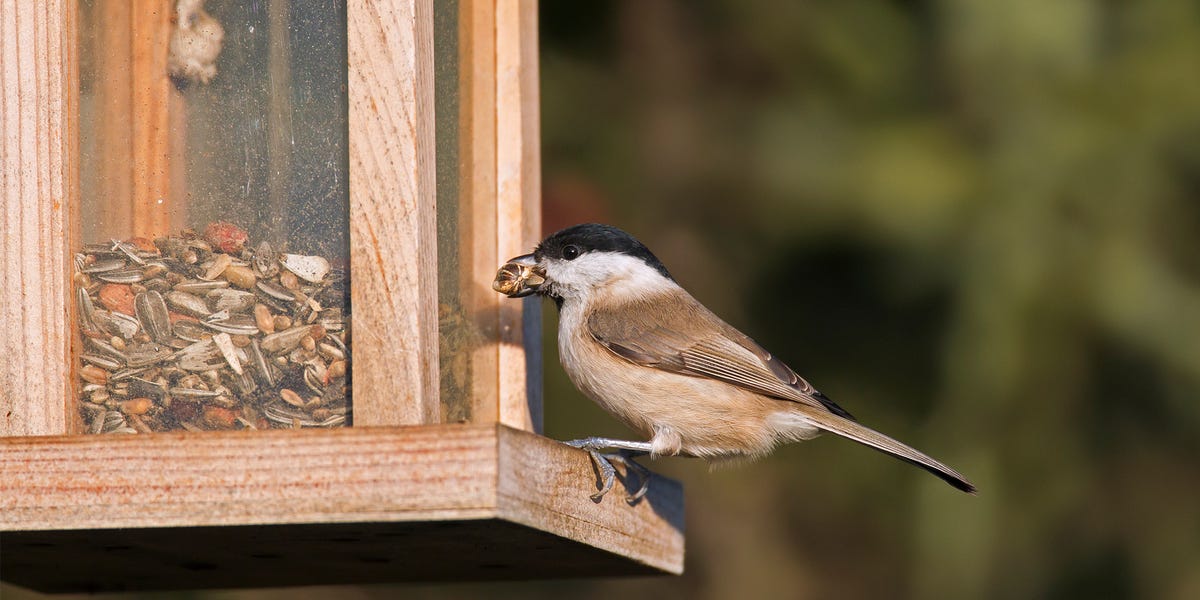
There is a special kind of joy in looking out the kitchen window and seeing a cardinal acting like he owns the patio, a chickadee making 47 tiny decisions per second, or a blue jay arriving with the confidence of someone who definitely did not RSVP. Backyard bird feeders turn an ordinary yard into a lively little nature show, complete with feathers, drama, snacks, and the occasional squirrel who believes gravity is merely a suggestion.
But choosing the right bird feeders for your backyard is not just about hanging a cute wooden box from a tree and hoping for the best. The best backyard bird feeding setup considers feeder type, seed choice, placement, cleaning, bird safety, local wildlife, and seasonal needs. Done well, bird feeding can support birds, create a relaxing daily ritual, and make your outdoor space feel more alive. Done poorly, it can lead to moldy seed, unwanted pests, bird-window collisions, and a squirrel buffet with bonus feathers.
This guide explains how to choose backyard bird feeders, what foods attract different species, where to place feeders, how to keep them clean, and how to build a bird-friendly yard that goes beyond seed. Whether you are a beginner birder or someone who already owns binoculars and says “Ah, a tufted titmouse” at parties, this article will help you create a safer, cleaner, more successful feeding station.
Why Add Bird Feeders to Your Backyard?
Bird feeders offer more than pretty scenery. They bring daily movement and sound to your yard, help you observe local wildlife up close, and can supplement natural food sources during periods when seeds, insects, berries, or nectar are harder to find. In colder months, birds burn a lot of energy staying warm, so high-fat foods such as sunflower seeds, suet, and peanuts can be especially attractive.
Backyard feeders are also a simple way to connect children with nature. A child who watches a goldfinch discover Nyjer seed may learn more about patience, observation, and ecosystems than from any worksheet with a cartoon worm on it. Adults benefit too. Birdwatching is calming, screen-free, and pleasantly addictive. You start with one feeder. Then you buy another. Then suddenly you are comparing squirrel baffles online at midnight. This is normal. Probably.
Best Types of Bird Feeders for Your Backyard
Different birds feed in different ways, so one feeder will not attract every species. A good backyard bird feeding station usually combines two or three feeder styles rather than relying on a single “one-size-fits-all” option.
1. Tube Feeders
Tube feeders are among the most popular backyard bird feeders because they are tidy, efficient, and good for small perching birds. They usually have several feeding ports and are excellent for black oil sunflower seed, sunflower hearts, or mixed seed without messy fillers.
Tube feeders commonly attract chickadees, finches, titmice, nuthatches, and small woodpeckers. Choose a model with metal feeding ports if squirrels are common in your area. Plastic ports can become chew toys for squirrels with personal ambition.
2. Hopper Feeders
Hopper feeders look like little houses, which makes them charming enough to trick you into thinking they are decorative objects rather than tiny restaurants. They hold a larger amount of seed and release it gradually as birds eat.
These feeders attract a broad range of birds, including cardinals, grosbeaks, finches, jays, and sparrows. The downside is that seed can sit inside too long if the feeder is oversized. If moisture gets in, old seed can spoil. Choose a hopper with good drainage and only fill it with enough seed for a few days at a time.
3. Platform or Tray Feeders
Platform feeders are simple flat trays that appeal to birds that prefer open feeding areas. Cardinals, doves, juncos, towhees, jays, and many sparrows enjoy tray feeders. They also make it easy to offer fruit, peanuts, mealworms, or seed.
The tradeoff is that platform feeders expose food to rain, snow, droppings, and every creature in the neighborhood with a pulse and a snack agenda. Use a tray with drainage holes, clean it often, and avoid leaving food out long enough to become a science experiment.
4. Suet Feeders
Suet feeders hold cakes made from fat, seeds, nuts, or insects. They are especially useful in winter, when birds need energy-rich foods. Woodpeckers, nuthatches, chickadees, wrens, and titmice often visit suet cages.
In warm climates or summer heat, use no-melt suet or remove suet if it becomes greasy or rancid. Birds appreciate snacks, but they do not need backyard fast food that has been sunbathing for three days.
5. Nyjer Feeders
Nyjer feeders are designed for tiny thistle-like seeds loved by goldfinches, pine siskins, and house finches. These feeders have small openings that prevent seed from spilling out too quickly.
Nyjer seed can spoil when wet, so buy it in smaller amounts and store it in a dry, sealed container. Freshness matters. If finches ignore your Nyjer feeder, the problem may not be your yard. The seed may simply be stale.
6. Hummingbird Feeders
Hummingbird feeders provide sugar water, not seed. The standard homemade nectar ratio is one part refined white sugar to four parts water. Avoid honey, artificial sweeteners, brown sugar, and red dye. The feeder itself can be red; the nectar does not need to look like fruit punch from a suspicious birthday party.
Hummingbird feeders require frequent cleaning, especially in hot weather. Nectar ferments quickly, and mold can harm birds. Place these feeders in partial shade and clean them every few days during warm seasons.
Best Bird Seed and Food Choices
The food you offer matters as much as the feeder. High-quality seed attracts more birds, creates less waste, and reduces the mess under your feeding station.
Black Oil Sunflower Seed
Black oil sunflower seed is the all-star of backyard bird feeding. It has a thin shell, high fat content, and broad appeal. Cardinals, chickadees, finches, nuthatches, grosbeaks, and many sparrows love it. If you want one seed that works for many birds, start here.
Sunflower Hearts
Sunflower hearts are hulled sunflower seeds. Birds love them because they are easy to eat, and homeowners love them because they leave fewer shells behind. The downside is cost and moisture sensitivity. Because the protective hull is removed, sunflower hearts can spoil faster when wet.
Nyjer Seed
Nyjer seed is best for finches and siskins. It is small, oily, and usually offered in tube feeders with tiny ports or mesh socks. Since it can dry out or spoil, buy fresh seed and avoid giant bags unless your yard is basically a finch airport.
Millet
White millet is popular with ground-feeding birds such as juncos, doves, towhees, and some native sparrows. It works well in tray feeders or scattered sparingly on a clean feeding area. Avoid cheap seed mixes loaded with red millet, oats, or filler grains that birds often toss aside.
Peanuts
Peanuts attract jays, woodpeckers, nuthatches, chickadees, and titmice. Offer unsalted, dry-roasted, or raw peanuts made for birds. Keep them dry because moldy peanuts can be dangerous. A covered peanut feeder is better than an open bowl that becomes a soggy nut swamp after rain.
Suet
Suet provides concentrated energy. It is excellent in cold weather and useful for insect-eating birds when insects are less available. Choose plain suet or blends with nuts, seeds, or mealworms. Avoid heavily sweetened novelty suet if your goal is bird health rather than dessert marketing.
Where to Place Bird Feeders
Feeder placement affects bird safety, viewing quality, and pest control. A feeder should be visible enough for you to enjoy, close enough to cover for birds to feel safe, but not so close to shrubs that cats can stage a dramatic ambush.
A good rule is to place feeders about 10 to 12 feet from dense shrubs, brush piles, or other hiding spots that predators could use. Birds like nearby escape cover, but they also need clear sightlines. If your feeder is near a window, place it either very close to the glass or far enough away to reduce high-speed collisions. Window decals, screens, external patterns, and other bird-safe treatments can also help.
Think about weather too. A feeder placed under an overhang or sheltered branch may keep seed drier. However, avoid placing feeders directly under surfaces where droppings collect. Nobody wants a bird café with questionable plumbing.
How to Keep Bird Feeders Clean and Safe
Clean feeders are essential. Birds gather in close contact at feeding stations, and dirty feeders can spread disease. Wet seed, droppings, mold, and old hulls can create unhealthy conditions.
Clean seed feeders at least every one to two weeks, and more often during wet weather or heavy use. Hummingbird feeders need cleaning every few days in warm weather. Wash feeders with hot water and soap, rinse thoroughly, and let them dry completely before refilling. For deeper disinfecting, many wildlife organizations recommend a diluted bleach solution followed by careful rinsing and full drying.
Do not simply pour fresh seed on top of old seed. Empty the feeder first, remove clumps, and check for moisture or mold. Also clean the ground below feeders. Seed hulls, spilled food, and bird droppings can build up quickly and attract rodents, raccoons, or other unwanted visitors.
If you see sick birdssuch as birds with crusty eyes, unusual lethargy, poor balance, or fluffed feathers that do not fly away normallytake feeders down temporarily. Clean and disinfect them, remove spilled seed, and give local birds time to disperse. It is better to pause feeding than to turn your backyard into a tiny waiting room with wings.
How to Deal With Squirrels Without Losing Your Mind
Squirrels are clever, athletic, shameless, and apparently trained by retired circus professionals. If you feed birds, squirrels will notice. The goal is not always total squirrel defeat; sometimes it is peaceful coexistence with reasonable snack boundaries.
Use a pole-mounted feeder with a baffle below it. Place the pole away from trees, fences, roofs, and deck railings, because squirrels can jump surprisingly far. Weight-sensitive feeders can also help by closing access when a heavier animal lands on them. Metal feeders resist chewing better than plastic or wood.
Avoid coating poles with grease or sticky substances, which can harm wildlife. Also avoid hot pepper products unless you are confident they are legal and appropriate in your area. The safest strategy is smart feeder placement, sturdy hardware, and accepting that squirrels will occasionally look directly into your soul while stealing one seed.
Seasonal Bird Feeding Tips
Winter
Winter is one of the best times to feed birds. Natural foods may be limited, and birds need extra calories to stay warm. Offer black oil sunflower seed, suet, peanuts, and sunflower hearts. Keep feeders filled before storms when birds may feed heavily.
Spring
Spring brings migration and nesting. Keep feeders clean and avoid offering foods that spoil quickly. If you provide nesting materials, stick with natural, safe options and avoid dryer lint, long strings, or anything treated with chemicals.
Summer
In summer, birds often have more natural food available, but feeders can still attract visitors. Clean more often because heat and humidity speed up spoilage. Hummingbird nectar needs special attention and should be replaced frequently.
Fall
Fall migration can bring exciting visitors. Keep feeders stocked with fresh seed and consider leaving hummingbird feeders up into fall for late migrants. Birds know when to migrate based on natural cues; your feeder will not convince them to cancel the trip and lease a room in your maple tree.
Native Plants: The Best “Feeders” You Can Grow
Bird feeders are helpful, but native plants are the foundation of a truly bird-friendly backyard. Many birds rely on insects, berries, seeds, nuts, and nectar produced by native trees, shrubs, grasses, and flowers. Some birds rarely visit feeders at all, so plants help support species that seed feeders miss.
Consider planting native sunflowers, coneflowers, serviceberry, elderberry, oak, dogwood, milkweed, bee balm, salvia, and native grasses suited to your region. These plants provide food, shelter, nesting areas, and insect life. Reducing pesticide use is also important because many birds feed insects to their young.
A backyard with feeders and native plants is stronger than a feeder-only yard. The feeder is the snack counter. The plants are the full grocery store, nursery, shelter, and neighborhood diner.
Common Bird Feeder Mistakes to Avoid
Using Cheap Seed Mixes
Many bargain seed mixes contain fillers birds do not want. The result is wasted seed, messy ground, and fewer desirable visitors. Choose quality seed or offer single seed types in separate feeders.
Ignoring Moldy Seed
Wet seed can grow mold and bacteria. If seed clumps, smells musty, or looks discolored, throw it away. Fresh food is safer and more attractive.
Forgetting About Cats
Outdoor cats are a major danger to birds. Place feeders away from hiding spots and keep pet cats indoors or supervised. A feeder should not become a drive-through for predators.
Putting Feeders Too Close to Dirty Areas
Avoid placing feeders above patios where droppings are a problem or near compost piles that attract rodents. Clean surroundings make bird feeding healthier and more pleasant.
Buying Too Many Feeders Too Fast
Start small. One tube feeder with sunflower seed and one suet feeder can teach you what birds visit your yard. Expand once you understand your local bird traffic, cleaning routine, and squirrel situation.
Creating a Backyard Bird Feeder Setup: A Simple Plan
For beginners, start with a sturdy tube feeder filled with black oil sunflower seed. Add a suet cage in winter or a Nyjer feeder if finches are common in your area. Place feeders where you can see them from a window, but where birds have safe escape routes. Add a baffle if squirrels are nearby, which they are, because squirrels are always nearby.
Store seed in a cool, dry place inside a sealed metal or heavy-duty plastic container. Label seed types so you do not accidentally put Nyjer in a hopper feeder or peanuts in a tube feeder designed for sunflower seed. Keep a small brush, gloves, and cleaning bucket available so feeder maintenance feels like a quick habit rather than a major household event.
After a few weeks, observe what happens. Are birds ignoring one feeder? Is seed getting wet? Are squirrels dominating the station? Are cardinals feeding on the ground instead of perching? Adjust based on real behavior. Backyard bird feeding is part science, part hospitality, and part comedy show.
Personal Experiences With Bird Feeders For Your Backyard
The first thing many people learn about bird feeders is that birds do not always read the instructions. You may hang the perfect feeder, fill it with premium seed, place it in what feels like a five-star location, and then watch absolutely nothing happen for three days. This does not mean you failed. Birds are cautious. They notice new objects in their environment and often need time to trust them. The best early experience is patience. Make coffee, look out the window, and try not to take rejection personally from an animal that weighs less than a spoon.
Once the birds arrive, the mood changes quickly. A chickadee may be the first visitor, darting in like a tiny feathered secret agent. Then a cardinal appears, looking so bright and formal that he seems overdressed for breakfast. Finches may arrive in groups, arguing gently over perches. Mourning doves may clean up spilled seed below, moving with the calm confidence of birds who believe walking is a perfectly reasonable lifestyle choice.
One useful experience is learning that feeder placement is never final. A feeder that looks beautiful from the patio may be too exposed for birds. Another feeder may be popular but too close to a window. A platform feeder may attract cardinals beautifully but also invite every squirrel within a three-block radius. Moving a feeder just a few feet can change everything. Backyard bird feeding rewards small experiments.
Cleaning is another lesson that becomes obvious with experience. At first, it is tempting to treat bird feeders like outdoor decorations. Then rain arrives, seed gets damp, and suddenly the feeder smells like a forgotten gym sock with agricultural ambitions. Regular cleaning makes the entire hobby better. Birds visit more reliably, seed lasts longer, pests decrease, and the yard feels cared for. A clean feeder is not glamorous, but neither is a moldy one.
Many backyard birders also discover that squirrels are not villains so much as unpaid product testers. If a feeder has a weakness, a squirrel will find it. Loose lid? Opened. Plastic edge? Chewed. Feeder too close to a railing? Congratulations, you built a squirrel bridge. This can be frustrating, but it also pushes you to improve the setup. A pole, baffle, and better spacing can restore order without turning the backyard into a battlefield.
The most rewarding experience comes when bird feeding becomes part of daily life. You begin recognizing regular visitors. You notice seasonal changes. You learn that goldfinches brighten in spring, woodpeckers love suet, and blue jays announce themselves like tiny neighborhood officials. The yard feels less like empty outdoor space and more like a living community.
Over time, many people expand from feeders to habitat. They plant native flowers for hummingbirds, berry shrubs for songbirds, and seed-producing perennials for fall and winter. They reduce pesticides and leave some natural cover. The feeder becomes the beginning of a bigger relationship with the backyard. Instead of simply feeding birds, you start supporting them.
That is the real charm of bird feeders for your backyard. They are simple objects, but they change how you pay attention. They invite you to slow down, notice weather, learn names, and laugh when a nuthatch lands upside down like it has discovered a better interpretation of architecture. A good bird feeder does not just bring birds closer. It brings the whole backyard into focus.
Conclusion
Bird feeders for your backyard can transform an ordinary outdoor space into a lively, educational, and peaceful wildlife habitat. The key is choosing the right feeder for the birds you want to attract, offering high-quality food, placing feeders safely, and keeping everything clean. Tube feeders, hopper feeders, tray feeders, suet cages, Nyjer feeders, and hummingbird feeders each serve different birds and feeding styles.
Start with black oil sunflower seed if you want the broadest appeal, then add specialty foods such as Nyjer, suet, peanuts, or nectar based on local bird activity. Keep feeders away from predator hiding places, reduce window collision risks, and clean feeders regularly to prevent disease. For the best long-term results, combine feeders with native plants that provide natural seeds, berries, insects, nectar, and shelter.
Backyard bird feeding does not need to be complicated. Begin with one or two feeders, observe what happens, and adjust. Before long, your yard may become a cheerful meeting place for cardinals, chickadees, finches, woodpeckers, doves, and possibly one squirrel with Olympic-level determination. Feed the birds responsibly, and they will reward you with color, song, movement, and daily reminders that nature is closer than you think.