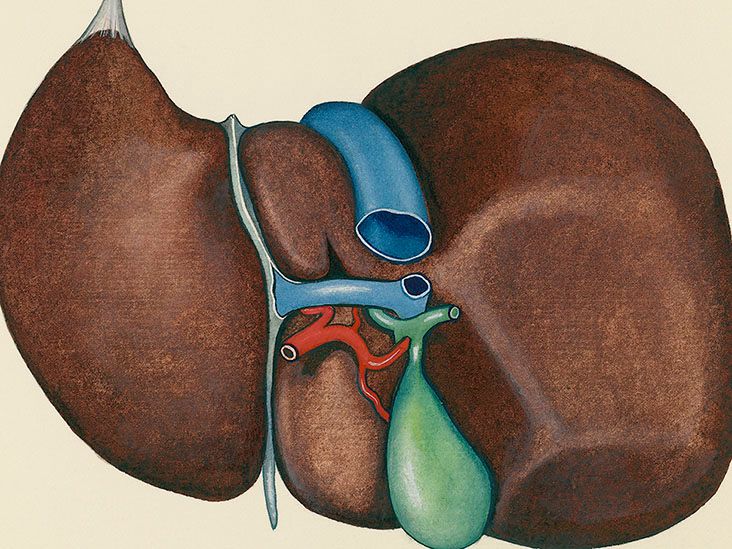
Recovering from bile duct cancer surgery is not exactly the kind of “bounce back by Monday” situation people imagine when they hear the word surgery. This is major abdominal surgery, often involving the bile ducts, liver, gallbladder, nearby lymph nodes, and sometimes parts of the pancreas or small intestine. In other words, your body does not just need a nap. It needs a full project manager, a supportive care team, and patiencelots of patience.
Bile duct cancer, also called cholangiocarcinoma, can develop in the small tubes that carry bile from the liver to the small intestine. Surgery may offer the best chance of long-term control or cure when the cancer can be removed completely. But the recovery journey is usually divided into two important chapters: the in-hospital recovery period and the at-home healing phase. Each stage has different goals, challenges, warning signs, and small victories worth celebratingyes, even the first successful walk down the hallway counts.
This guide explains what patients and caregivers can generally expect after bile duct cancer surgery, including hospital care, pain control, diet, wound care, fatigue, emotional recovery, follow-up appointments, and practical home tips. It is written for education and planning, not as a substitute for your surgeon’s instructions. When in doubt, your care team wins every argument.
Understanding Bile Duct Cancer Surgery
The type of surgery used for bile duct cancer depends mostly on where the tumor is located. Bile duct cancers may be intrahepatic, meaning they begin in bile ducts inside the liver; perihilar, meaning they occur near where the bile ducts leave the liver; or distal, meaning they develop closer to the pancreas and small intestine.
For intrahepatic bile duct cancer, surgery may involve removing part of the liver, known as a partial hepatectomy. For perihilar tumors, surgeons may remove part of the bile duct, part of the liver, the gallbladder, nearby lymph nodes, and then reconnect bile flow to the intestine. For distal bile duct cancer, surgery may require a Whipple procedure, also called pancreaticoduodenectomy, which can remove the head of the pancreas, part of the bile duct, the gallbladder, part of the small intestine, and nearby lymph nodes.
Because these operations are complex, they are usually performed by experienced hepatobiliary or surgical oncology teams. The goal is often to remove the cancer with a clear margin of healthy tissue. In some cases, surgery is not done to cure the disease but to relieve symptoms, improve bile drainage, reduce jaundice, or prevent complications. Either way, recovery needs careful attention.
What Happens Right After Surgery?
Immediately after bile duct cancer surgery, patients are moved to a recovery area, high-dependency unit, or intensive care unit depending on the operation and overall condition. This does not automatically mean something has gone wrong. It usually means the team wants close monitoring during the first fragile hours.
During this early period, nurses and doctors watch breathing, blood pressure, heart rate, temperature, urine output, pain level, and drainage from surgical tubes. Patients may wake up with several lines and devices attached. These can look alarming, but most have a simple job: help the body recover while the surgical team keeps tabs on what is happening inside.
Common Tubes and Lines After Surgery
After surgery, a patient may have an IV line for fluids and medications, a urinary catheter to measure urine output, oxygen through the nose, compression devices on the legs to lower blood clot risk, and one or more drains near the surgical area. Some patients may also have a nasogastric tube through the nose into the stomach to remove fluid and reduce nausea.
These tubes are usually removed gradually as the patient improves. A urinary catheter may come out once walking becomes easier and urine output is stable. Drains may stay longer if the team needs to monitor fluid. If a patient goes home with a drain, the nurse will teach exactly how to empty it, measure output, and recognize problems. No one expects you to become a plumbing expert overnight, but a little drain confidence goes a long way.
In-Hospital Recovery: The Main Goals
Hospital recovery after bile duct cancer surgery can last several days to a few weeks, depending on the type of operation, complications, age, nutrition, physical strength before surgery, and whether the procedure involved the liver, pancreas, or intestinal reconstruction. A minimally invasive or limited procedure may require a shorter stay, while a major liver resection or Whipple procedure may require more time.
1. Pain Control
Pain is expected after major abdominal surgery, but it should be controlled well enough for the patient to breathe deeply, cough, sit up, walk, and sleep in short stretches. Pain medicine may be given through an epidural, IV pump, injections, or pills. Good pain control is not about “being tough.” It is about preventing complications. If pain keeps someone from moving or taking deep breaths, recovery can slow down.
Patients should tell the nurse if pain is sharp, worsening, or not relieved by medicine. They should also report side effects such as severe sleepiness, confusion, itching, constipation, or nausea. The goal is balanced pain management: comfortable enough to move, awake enough to participate, and not so constipated that the digestive system files a complaint.
2. Breathing and Lung Protection
After abdominal surgery, people naturally take shallow breaths because deep breathing can pull on the incision. However, shallow breathing increases the risk of lung problems such as atelectasis or pneumonia. Nurses often teach patients to use an incentive spirometer, a small breathing device that encourages slow, deep breaths.
Coughing, deep breathing, sitting upright, and walking all help protect the lungs. Holding a pillow gently against the incision while coughing can make it less uncomfortable. This little trick is sometimes called splinting, though patients may think of it as “hugging a pillow like it owes you money.”
3. Early Walking
Walking is one of the most important parts of in-hospital recovery. At first, this may mean sitting on the edge of the bed or standing with help. Later, it may mean walking a few steps, then down the hall, then several short walks per day. Early movement helps reduce the risk of blood clots, pneumonia, constipation, and muscle weakness.
Patients should not try to be heroic. The first walk may feel like climbing a mountain in hospital socks. That is normal. The goal is safe progress, not setting a land-speed record while dragging an IV pole.
4. Restarting Food and Digestion
Eating after bile duct cancer surgery is usually gradual. Some patients begin with ice chips or clear liquids, then move to soft foods, small meals, and eventually a more regular diet. The timeline depends on the operation and whether the stomach, pancreas, intestine, or bile drainage route was affected.
After a Whipple procedure or surgery that changes bile flow, digestion may feel different. Patients may become full quickly, feel bloated, have nausea, or notice changes in bowel movements. Dietitians often recommend small, frequent meals with protein at each meal. Greasy, fried, or very rich foods may be hard to tolerate early on. Hydration matters, but sipping between meals may be easier than drinking large amounts with food.
5. Monitoring for Complications
The hospital team watches for bleeding, infection, bile leakage, delayed stomach emptying, liver function problems, pancreatic leaks after Whipple-type surgery, dehydration, blood clots, and changes in labs. This is why blood tests, drain checks, vital signs, and physical exams happen so often. It may feel repetitive, but repetition is how small warning signs are caught before they become big problems.
Going Home After Bile Duct Cancer Surgery
Discharge does not mean recovery is complete. It means the patient is stable enough to continue healing outside the hospital. Before going home, the care team usually reviews medications, wound care, drain care if needed, diet instructions, activity limits, follow-up appointments, and warning signs.
A patient may be ready for discharge when pain is controlled with oral medicine, they can eat and drink enough, bowel function is returning, they can walk safely, there is no uncontrolled fever or infection, and the surgical team is comfortable with lab results and drain output. Some patients go directly home. Others may need home nursing, physical therapy, or a short stay in a rehabilitation facility.
At-Home Recovery: What to Expect Week by Week
The First Week at Home
The first week home can feel surprisingly emotional. The hospital had call buttons, nurses, and machines that beeped like tiny robots. Home has stairs, laundry, pets, and a refrigerator that suddenly seems very far away. Fatigue is common. Appetite may be low. Sleep may be broken. The incision may feel tight, sore, or itchy as it heals.
During this stage, the main goals are simple: take medications correctly, walk several short times daily, eat small nourishing meals, drink fluids, care for the incision, avoid heavy lifting, and call the care team if warning signs appear. Rest is productive. Naps are not laziness; they are scheduled maintenance.
Weeks Two to Four
Energy may slowly improve, but many people still tire easily. Short walks may become longer. Appetite may begin to return, although some foods may remain difficult. Patients may have a follow-up visit to check the incision, review pathology results, remove staples or drains, and discuss next steps such as chemotherapy, radiation therapy, surveillance imaging, or additional testing.
This period can bring mixed feelings. On one hand, getting home is a milestone. On the other, pathology results and future treatment plans can be stressful. It is completely normal for recovery to feel both physical and emotional.
Weeks Four to Eight and Beyond
Many patients need several weeks or longer to regain strength after major bile duct cancer surgery. Some may begin returning to light household activities, desk work, or gentle routines with surgeon approval. Heavy lifting, intense exercise, driving while taking opioid pain medicine, and strenuous chores should wait until the surgical team gives the green light.
If additional cancer treatment is recommended, such as chemotherapy, recovery planning becomes even more important. Good nutrition, symptom tracking, physical activity, and emotional support can help patients enter the next phase stronger.
Wound Care at Home
Incision care instructions vary, but patients are usually told to keep the area clean and dry, wash hands before touching the incision, avoid soaking in a bathtub until cleared, and watch for signs of infection. Mild bruising, tightness, or itching can be normal, but redness that spreads, pus, worsening pain, bad odor, fever, or the incision opening should be reported quickly.
If surgical glue, Steri-Strips, staples, or sutures are present, do not pick at them. The incision is not a scratch-off lottery ticket. Let the care team remove what needs removing.
Diet and Nutrition After Surgery
Nutrition after bile duct cancer surgery is not about eating perfectly. It is about helping the body heal. Protein supports tissue repair. Calories help prevent unwanted weight loss. Fluids help circulation, digestion, and medication tolerance. Small meals can be easier than three large plates.
Helpful Food Ideas
Commonly tolerated foods may include eggs, yogurt, cottage cheese, oatmeal, rice, bananas, applesauce, soups, tender chicken, fish, tofu, smoothies, nut butters, mashed potatoes, and soft cooked vegetables. Protein shakes may help if appetite is poor, but patients should ask their care team before adding supplements, especially if chemotherapy or other medications are planned.
Foods That May Cause Trouble
Very greasy meals, fried foods, high-sugar desserts, large portions, carbonated drinks, and tough high-fiber foods may cause bloating, diarrhea, discomfort, or nausea in some patients. This does not mean these foods are banned forever. It means the digestive system may need a slower reintroduction plan.
A food journal can help identify patterns. Write down what was eaten, portion size, symptoms, bowel movements, and energy level. It is not glamorous, but neither is guessing why lunch started a rebellion.
Managing Fatigue
Fatigue after bile duct cancer surgery can be intense and frustrating. It may come from anesthesia, blood loss, inflammation, poor sleep, reduced food intake, pain medicine, stress, and the cancer itself. The best approach is usually gentle activity balanced with rest.
Patients can try walking at the same times each day, sitting upright for meals, limiting long daytime naps if nighttime sleep is poor, and accepting help with cooking, cleaning, shopping, and transportation. Progress may be slow, but slow progress is still progress. The body is rebuilding, not procrastinating.
Medication Management
After discharge, medications may include pain relievers, anti-nausea medicine, stool softeners, blood clot prevention injections, antibiotics, acid reducers, pancreatic enzymes, or medications related to other health conditions. It is wise to create a medication chart with the drug name, dose, time, purpose, and special instructions.
Constipation is common after surgery, especially with opioid pain medicine. Drinking fluids, walking, eating tolerated fiber, and using prescribed stool softeners can help. Patients should call their care team if they cannot pass gas or stool, have severe bloating, or develop vomiting.
When to Call the Doctor
Patients should contact their surgical team right away for fever, chills, worsening abdominal pain, increasing redness or drainage from the incision, yellowing of the skin or eyes, dark urine, pale stools, persistent nausea or vomiting, shortness of breath, chest pain, calf swelling, confusion, fainting, inability to eat or drink, or sudden increase in drain output.
Emergency symptoms such as chest pain, severe trouble breathing, sudden weakness, heavy bleeding, or severe confusion require urgent medical attention. Recovery should improve gradually. A sudden sharp turn in the wrong direction deserves a phone call, not a wait-and-see experiment.
Emotional Recovery Matters Too
Bile duct cancer surgery recovery is not only physical. Patients may feel grateful, scared, irritable, hopeful, sad, impatient, or all of the above before breakfast. Major cancer surgery can shake a person’s sense of control. Caregivers may also feel exhausted and anxious.
Support can come from oncology social workers, counselors, spiritual care providers, cancer support groups, family, friends, or patient navigation programs. Emotional distress is not weakness. It is a normal response to a very big life event. Asking for help is part of good recovery planning.
Follow-Up Care After Bile Duct Cancer Surgery
Follow-up care usually includes surgical visits, lab tests, imaging scans, symptom review, and discussion of pathology results. The pathology report may describe tumor type, size, lymph node involvement, margins, and other details that help guide next treatment decisions.
Some patients may be advised to receive adjuvant therapy, such as chemotherapy or radiation, to lower the risk of recurrence. Others may begin surveillance. Follow-up schedules vary, but regular monitoring is important because bile duct cancer can recur and because treatment side effects may appear later.
Practical Home Setup Tips
Before surgery or before discharge, it helps to prepare the home. Place commonly used items at waist level to avoid bending and reaching. Stock easy meals, protein-rich snacks, and drinks. Arrange transportation for appointments. Keep a notebook for symptoms, questions, drain output, temperature, and medication times. Put pillows near the bed, couch, and car for incision support.
Caregivers should also plan breaks. Recovery is a team sport, but even the best teammates need water and halftime.
500-Word Experience Section: Real-Life Recovery Lessons Patients Often Learn
People recovering from bile duct cancer surgery often say the experience is less like flipping a switch and more like slowly turning up a dimmer. One day, walking to the bathroom feels like a full-body workout. A week later, a short stroll to the mailbox feels possible. Later still, the patient may suddenly realize they made breakfast without needing a nap immediately afterward. These small moments matter because recovery is built from them.
A common experience is surprise at how much energy digestion requires. After a major operation involving the bile ducts, liver, pancreas, or intestine, food can feel like a puzzle. A meal that sounded wonderful before surgery may seem overwhelming afterward. Many patients learn that small plates work better than big ambitions. A few bites of scrambled egg, yogurt, soup, or soft fish may be more useful than staring bravely at a giant dinner. Family members sometimes need reminding that “eat more” is not always helpful. “Try two bites now and more later” is often kinder and more realistic.
Another shared lesson is that pain control should be proactive. Some patients wait until pain is severe before taking medication, then spend hours trying to catch up. Others fear taking pain medicine at all. The better approach is usually to follow the discharge plan, use the lowest effective dose, and talk with the team about side effects. When pain is controlled, walking, breathing exercises, showering, and sleeping become easier. Recovery does not hand out bonus points for unnecessary suffering.
Walking is often the first real confidence builder. At home, patients may start with a loop around the living room, then the hallway, then the driveway. Progress can be measured in minutes, not miles. Caregivers can help by keeping paths clear, offering an arm for balance, and resisting the urge to hover like a nervous helicopter. Safe independence is good medicine.
Sleep can be awkward. Many patients cannot comfortably lie flat at first. Pillows behind the back, under the knees, or along the side may help. Some sleep in a recliner for a short period. Nighttime bathroom trips should be planned safely with lights, clear floors, and help nearby if needed. Nobody needs a dramatic midnight obstacle course after abdominal surgery.
Patients also often learn that emotions arrive without appointments. A person may feel strong in the morning and tearful by afternoon. A follow-up scan, a lab result, or even the sight of the incision can trigger worry. Caregivers may feel pressure to stay cheerful, but honest support is better than forced optimism. Simple phrases like “I’m here,” “Let’s write that question down,” or “We’ll call the nurse” can be more comforting than trying to fix everything.
Finally, many families discover that recovery works best with a communication system. A notebook, shared phone note, or printed checklist can track medications, meals, bowel movements, temperature, drain output, and questions for the doctor. This prevents the classic appointment problem: remembering every question five minutes after leaving the clinic. With time, patience, and good medical guidance, the home recovery phase becomes less intimidating. It becomes a routineand eventually, a bridge back toward normal life.
Conclusion
Bile duct cancer surgery recovery takes time, structure, and support. The hospital phase focuses on monitoring, pain control, breathing, walking, digestion, and preventing complications. The home phase focuses on wound care, nutrition, safe movement, fatigue management, medication routines, emotional support, and follow-up care. No two recoveries are identical, especially because bile duct cancer surgery can range from bile duct reconstruction to liver resection or a Whipple procedure.
The best recovery plan is personal, practical, and flexible. Patients should follow their surgical team’s instructions, report warning signs early, and accept help without guilt. Healing after bile duct cancer surgery is a major journey, but each careful stepeach walk, meal, breath, and follow-up visitmoves the body closer to strength.
Note: This article is for general educational purposes and should not replace medical advice from a qualified healthcare professional. Always follow the instructions provided by your cancer care team.