Vanilla cupcakes are the little black dress of the dessert table: simple, classic, reliable, and somehow still able to steal attention from louder, frosting-covered neighbors. But “simple” does not mean “basic.” A truly great vanilla cupcake should be soft, moist, fragrant, buttery, and light enough that one bite makes people pause mid-conversation and say, “Wait, did you make these?” That is the kind of silence every baker dreams about.
This guide explains how to make the best vanilla cupcakes at home using real baking logic, not kitchen superstition. You will learn which ingredients matter most, how to mix the batter without turning it into sweet rubber, how to bake evenly domed cupcakes, and how to finish them with smooth vanilla buttercream. Whether you are baking for birthdays, school parties, baby showers, bake sales, or a Wednesday that needs emotional support frosting, this vanilla cupcake recipe is built to deliver.
Why These Are the Best Vanilla Cupcakes
The best vanilla cupcakes are not overly complicated, but they are thoughtful. They balance fat, sugar, flour, eggs, dairy, leavening, and vanilla so the final cupcake tastes rich without feeling heavy. A good cupcake should be tender but not crumbly, moist but not oily, sweet but not tooth-rattling, and flavorful enough that frosting is a bonus rather than a rescue mission.
This recipe uses cake flour for a softer crumb, butter for classic flavor, a small amount of oil for moisture, sour cream for tenderness, and pure vanilla extract for a clean, warm aroma. Whole milk loosens the batter and helps create a smooth texture. The result is a homemade vanilla cupcake that feels bakery-worthy but does not require a pastry degree, a commercial mixer, or a dramatic soundtrack.
Ingredients for Homemade Vanilla Cupcakes
For the Vanilla Cupcakes
- 1 3/4 cups cake flour, spooned and leveled
- 1 teaspoon baking powder
- 1/4 teaspoon baking soda
- 1/2 teaspoon fine salt
- 1/2 cup unsalted butter, softened
- 2 tablespoons neutral oil, such as canola or vegetable oil
- 1 cup granulated sugar
- 2 large eggs, room temperature
- 2 teaspoons pure vanilla extract
- 1/2 cup sour cream, room temperature
- 1/2 cup whole milk, room temperature
For the Vanilla Buttercream
- 1 cup unsalted butter, softened
- 3 1/2 cups powdered sugar, sifted if lumpy
- 2 teaspoons pure vanilla extract
- 2 to 4 tablespoons heavy cream or milk
- 1/4 teaspoon fine salt
How to Make Vanilla Cupcakes Step by Step
Step 1: Prepare the Pan and Oven
Preheat the oven to 350°F. Line a 12-cup muffin pan with paper cupcake liners. If your oven tends to run hot, place an oven thermometer inside. Cupcakes are small, which means they go from “perfectly golden” to “why are these wearing helmets?” faster than larger cakes.
Step 2: Whisk the Dry Ingredients
In a medium bowl, whisk together the cake flour, baking powder, baking soda, and salt. Whisking distributes the leavening evenly so every cupcake rises properly. Nobody wants one tall cupcake and one sad little pancake pretending to be dessert.
Step 3: Cream the Butter, Oil, and Sugar
In a large mixing bowl, beat the softened butter, oil, and sugar for 2 to 3 minutes, until the mixture looks pale and fluffy. This step adds tiny air pockets to the batter, helping the cupcakes rise with a tender texture. The oil works quietly in the background, keeping the crumb moist even after the cupcakes cool.
Step 4: Add Eggs and Vanilla
Add the eggs one at a time, beating well after each addition. Scrape down the bowl so no stubborn butter-sugar patches hide along the sides. Add the vanilla extract and mix until combined. Use pure vanilla extract if possible; vanilla is the main character here, not an extra holding a tray in the background.
Step 5: Add Sour Cream and Dry Ingredients
Mix in the sour cream until smooth. Then add the dry ingredients in three additions, alternating with the milk. Begin and end with the flour mixture. Mix on low speed just until the batter comes together. Overmixing develops too much gluten, which can make cupcakes dense or chewy. We are making cupcakes, not bouncy kitchen sponges.
Step 6: Fill and Bake
Divide the batter evenly among the liners, filling each about two-thirds full. Bake for 17 to 21 minutes, or until the tops spring back lightly and a toothpick inserted into the center comes out clean or with a few moist crumbs. Avoid opening the oven door too early; cupcakes enjoy privacy while they rise.
Step 7: Cool Completely
Let the cupcakes cool in the pan for 5 minutes, then move them to a wire rack. Cool completely before frosting. Warm cupcakes melt buttercream into a puddle, and while frosting lava sounds exciting, it is not usually the goal.
How to Make Fluffy Vanilla Buttercream
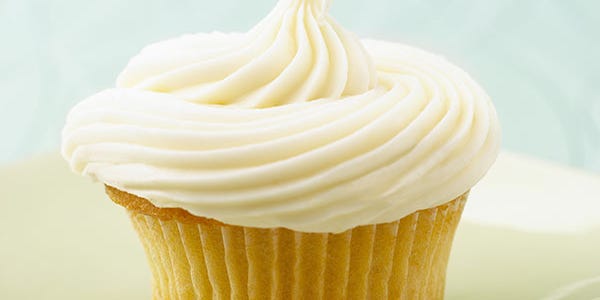
Beat the softened butter for 2 minutes until creamy and pale. Add powdered sugar one cup at a time, mixing on low speed at first so your kitchen does not become a powdered sugar snow globe. Add vanilla, salt, and 2 tablespoons of cream or milk. Beat for 3 to 4 minutes until fluffy. Add more cream, one tablespoon at a time, until the frosting is smooth and pipeable.
For a bakery-style finish, pipe the buttercream using a large star tip. For a casual homemade look, swirl it with an offset spatula or the back of a spoon. Add sprinkles, vanilla bean specks, toasted coconut, mini chocolate chips, or fresh berries. Vanilla cupcakes are wonderfully polite; they get along with almost every topping.
Important Tips for the Best Vanilla Cupcakes
Use Room-Temperature Ingredients
Room-temperature butter, eggs, sour cream, and milk blend more smoothly than cold ingredients. This helps create an even batter and a softer crumb. If you forgot to take the eggs out early, place them in a bowl of warm water for about 5 minutes. It is not cheating; it is baking efficiency wearing an apron.
Measure Flour Correctly
Too much flour is one of the most common reasons homemade cupcakes turn dry. Spoon flour into the measuring cup and level it with a knife. Do not scoop directly from the bag unless you enjoy compacting flour like you are packing snowballs.
Do Not Overmix
Once the flour goes into the bowl, mix gently. Stop as soon as no dry streaks remain. A few tiny lumps are fine. Overmixing can make cupcakes tough, which is tragic because cupcakes should be soft enough to make forks feel optional.
Fill Liners Evenly
Use a cookie scoop or measuring cup to divide batter evenly. This helps all cupcakes bake at the same rate. Fill each liner about two-thirds full for a nice dome without overflow. If you fill them to the top, they may rise, spread, and create cupcake mushrooms. Cute in a forest, less cute in a muffin tin.
Cool Before Frosting
Buttercream needs a cool surface to stay fluffy and pretty. If the cupcakes are even slightly warm, the frosting may slide around like it is trying to leave the party early.
Common Vanilla Cupcake Problems and How to Fix Them
Why Are My Cupcakes Dry?
Dry cupcakes usually come from too much flour, overbaking, or too little fat. Measure flour carefully, check cupcakes early, and use a combination of butter, oil, and sour cream for moisture. Store cupcakes covered so they do not dry out overnight.
Why Did My Cupcakes Sink?
Sinking can happen when cupcakes are underbaked, the oven door is opened too soon, or the batter is overmixed. Make sure the centers are set before removing the pan from the oven. A toothpick test is helpful, but the top should also spring back gently.
Why Are My Cupcakes Dense?
Dense cupcakes may come from cold ingredients, expired leavening, or too much mixing after adding flour. Check the date on your baking powder and baking soda. They may look innocent in the pantry, but old leavening has the enthusiasm of a tired balloon.
Why Is My Frosting Too Sweet?
American buttercream is naturally sweet, but salt and enough vanilla help balance it. You can also add a tablespoon of heavy cream and beat the frosting longer to make it lighter. For a tangier option, replace part of the butter with cream cheese.
Flavor Variations for Vanilla Cupcakes
Once you master the basic vanilla cupcake recipe, you can customize it for almost any occasion. Add lemon zest for a bright spring cupcake. Fold in mini chocolate chips for a kid-approved version. Add almond extract for a wedding-cake flavor. Fill cooled cupcakes with strawberry jam, pastry cream, lemon curd, or salted caramel. For birthday cupcakes, stir rainbow sprinkles into the batter to create funfetti cupcakes. Use jimmies rather than nonpareils because nonpareils can bleed color into the batter.
You can also flavor the frosting. Try vanilla bean paste for visible vanilla specks, maple extract for fall parties, espresso powder for a café-style cupcake, or crushed freeze-dried strawberries for natural pink frosting. The cupcake base stays soft and steady, like a dessert friend who supports your frosting ambitions.
How to Store and Freeze Vanilla Cupcakes
Unfrosted vanilla cupcakes can be stored in an airtight container at room temperature for up to 2 days. Frosted cupcakes can usually sit at cool room temperature for several hours, but refrigerate them if your kitchen is warm or if the frosting contains cream cheese. Bring chilled cupcakes to room temperature before serving for the best texture.
To freeze, wrap unfrosted cupcakes tightly and place them in a freezer-safe bag or container. Freeze for up to 2 months. Thaw at room temperature, then frost before serving. Buttercream can also be made ahead and refrigerated. Let it soften, then beat it again until fluffy.
Food Safety Note for Home Bakers
As tempting as it is to taste cupcake batter, avoid eating raw batter because it contains uncooked flour and eggs. Flour is a raw ingredient, and eggs can also carry food-safety risks before baking. Bake the cupcakes fully, wash hands and utensils after handling batter, and save your taste-testing energy for the finished cupcake. The reward is much better, and nobody has to argue with a spoon.
What to Serve with Vanilla Cupcakes
Vanilla cupcakes are flexible enough for almost any menu. Serve them with coffee, cold milk, hot tea, lemonade, or sparkling water. For parties, pair them with chocolate cupcakes, fruit salad, sugar cookies, or ice cream. For a dessert table, vary the frosting colors and toppings so the cupcakes look festive without requiring a degree in edible architecture.
Experience Notes: What Baking Vanilla Cupcakes Teaches You
Making the best vanilla cupcakes is one of those kitchen experiences that looks easy until you realize the details are doing all the heavy lifting. The first time many home bakers make cupcakes from scratch, they expect the process to behave like a boxed mix: dump, stir, bake, celebrate. Scratch baking is not harder, but it is more responsive. It notices whether your butter is too cold. It remembers if you packed the flour. It absolutely knows if you mixed the batter while checking your phone. Cupcakes are tiny, delicious truth-tellers.
One of the most useful lessons is learning the feel of properly softened butter. It should give slightly when pressed but should not look greasy or melted. When butter is too cold, it refuses to cream smoothly with sugar. When it is too warm, it cannot hold air well. That small difference can affect the rise and texture of the cupcakes. After a few batches, you begin to recognize the right texture by sight, and suddenly you feel like a person who owns measuring spoons and wisdom.
Another experience that matters is learning your oven. Two ovens set to 350°F can behave like two relatives giving completely different directions to the same restaurant. One may run hot and brown the edges too quickly. Another may bake slowly and leave the centers pale. Rotating the pan halfway through baking can help, but only after the cupcakes have set enough that the oven door will not interrupt their rise. An oven thermometer is a small tool that can prevent many dramatic cupcake mysteries.
Frosting also teaches patience. If you frost too soon, the buttercream melts. If the butter is too cold, the frosting may look stiff. If you add too much liquid, it becomes loose. But once you learn to adjust with powdered sugar, cream, salt, and mixing time, buttercream becomes forgiving. It is like a sweet little science project that rewards persistence with swirls.
Perhaps the best part of baking vanilla cupcakes is how personal they become. The same base recipe can turn into birthday cupcakes with sprinkles, elegant shower cupcakes with vanilla bean frosting, holiday cupcakes with peppermint, or simple after-dinner treats with a spoonful of jam hidden inside. Vanilla is not boring; it is a blank canvas with excellent manners. It lets other flavors shine while still bringing its own warm, familiar comfort.
Over time, you may discover your own cupcake habits. Maybe you prefer slightly less frosting because you are a cake-first person. Maybe you love tall buttercream swirls because subtlety left the kitchen years ago. Maybe you add a pinch of almond extract because it reminds you of bakery cakes from childhood. These small choices are what turn a good recipe into your recipe.
The most satisfying experience is watching people take the first bite. Vanilla cupcakes do not rely on dramatic colors or complicated fillings to impress. Their charm is quieter. They win people over with softness, aroma, and balance. When baked well, they taste like celebration without needing an occasion. That is why learning how to make vanilla cupcakes is worth it. You are not just making dessert; you are making a reliable little piece of happiness in a paper liner.
Conclusion
The best vanilla cupcakes come from careful basics: properly measured flour, room-temperature ingredients, gentle mixing, accurate baking, and full cooling before frosting. With cake flour, butter, oil, sour cream, whole milk, and real vanilla extract, this recipe creates cupcakes that are soft, moist, flavorful, and easy to decorate for any event. Keep the method simple, respect the details, and your cupcakes will taste like they came from a bakery that secretly works out of your kitchen.