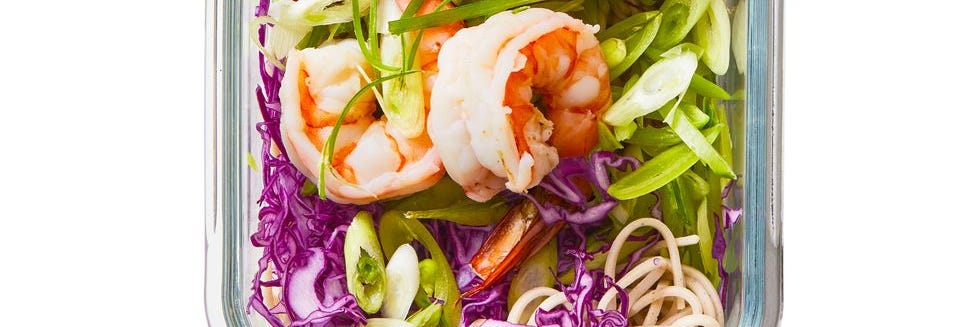
Some dinners arrive at the table wearing a three-piece suit. This soba noodle salad with shrimp shows up in sandals, looking effortlessly impressive while secretly taking about 30 minutes to make. It combines juicy shrimp, springy buckwheat noodles, crisp vegetables, fresh herbs, and a bright sesame-ginger dressing that is salty, tangy, lightly sweet, and just spicy enough to keep everyone awake.
The salad is refreshing enough for a summer lunch but satisfying enough to count as dinner. It can be served chilled or at room temperature, travels well, and adapts easily to whatever vegetables are waiting nervously in your refrigerator. Better still, most of the work involves slicing, whisking, and resisting the temptation to eat all the shrimp before assembling the bowls.
This recipe uses a soy-lime dressing rather than a heavy peanut sauce, allowing the nutty flavor of the soba, the sweetness of the shrimp, and the crunch of the vegetables to remain distinct. The result is colorful, balanced, and practicalthe sort of meal that tastes restaurant-worthy without requiring restaurant-level cleanup.
Why This Soba Noodle Salad With Shrimp Works
A successful cold noodle salad needs more than noodles wearing a little dressing. It should deliver contrast in every forkful: tender shrimp, chewy noodles, crunchy vegetables, fresh herbs, toasted sesame seeds, and a dressing with enough acidity to keep everything lively.
The noodles have real character
Soba noodles are Japanese noodles traditionally made with buckwheat flour, although many supermarket brands also contain wheat flour. They have an earthy, slightly nutty flavor that pairs naturally with sesame oil, soy sauce, ginger, scallions, and seafood. Packages made entirely from buckwheat can be more delicate, while blends containing wheat are generally easier for beginners to cook without breakage.
After cooking, soba should be rinsed thoroughly under cold running water. This stops the cooking process, cools the noodles, and washes away surface starch that could otherwise turn the salad into one large, determined noodle clump. Both Japanese cooking guidance and American recipe publications emphasize this rinsing step for clean, springy chilled soba.
The dressing balances five important flavors
The dressing combines reduced-sodium soy sauce for saltiness, lime juice and rice vinegar for acidity, honey for gentle sweetness, toasted sesame oil for richness, and ginger, garlic, and chili for aromatic heat. No single ingredient should dominate. The goal is a dressing that tastes slightly intense on its own because the noodles, shrimp, and vegetables will soften its impact.
The shrimp cook quickly
Shrimp are ideal for weeknight noodle salads because they cook in minutes. A quick skillet sear gives them lightly browned edges while preserving a tender center. They should be cooked until the flesh is pearly, firm, and opaque rather than translucent. Government food-safety guidance also recommends cooking seafood thoroughly; shrimp should appear white and opaque when done.
The vegetables are more than decoration
Cucumber, carrots, red cabbage, and bell pepper contribute crunch, sweetness, moisture, and color. They also prevent the dish from feeling like a cold bowl of carbohydrates with three polite vegetable shavings on top. Thinly sliced vegetables distribute more evenly and are easier to pick up with the noodles.
Ingredients for the Best Shrimp Soba Noodle Salad
Yield: 4 generous servings
Preparation time: 20 minutes
Cooking time: 10 minutes
Total time: About 30 minutes
For the sesame-ginger dressing
- 3 tablespoons reduced-sodium soy sauce or tamari
- 2 tablespoons fresh lime juice
- 1 tablespoon unseasoned rice vinegar
- 1 tablespoon honey or maple syrup
- 2 teaspoons toasted sesame oil
- 1 tablespoon neutral oil, such as avocado or grapeseed oil
- 2 teaspoons finely grated fresh ginger
- 1 small garlic clove, finely grated
- 1 to 2 teaspoons sriracha or chili-garlic sauce
- 1 teaspoon finely grated lime zest
For the shrimp
- 1 pound large shrimp, peeled and deveined
- 1 tablespoon neutral cooking oil
- 1 teaspoon reduced-sodium soy sauce
- 1 teaspoon fresh lime juice
- 1/4 teaspoon kosher salt
- 1/4 teaspoon freshly ground black pepper
For the noodle salad
- 8 ounces dried soba noodles
- 1 cup shelled edamame, thawed or frozen
- 1 medium English cucumber, thinly sliced or cut into matchsticks
- 1 medium carrot, peeled and julienned
- 1 red bell pepper, thinly sliced
- 1 cup finely shredded red cabbage
- 3 scallions, thinly sliced
- 1/2 cup loosely packed cilantro leaves
- 1/4 cup loosely packed mint leaves, torn if large
- 2 tablespoons toasted sesame seeds
- Lime wedges, for serving
Optional toppings: Chopped roasted peanuts, sliced avocado, shredded nori, chili crisp, pickled ginger, or extra herbs.
How to Make Soba Noodle Salad With Shrimp
Step 1: Whisk the dressing
In a small bowl or glass jar, combine the soy sauce, lime juice, rice vinegar, honey, toasted sesame oil, neutral oil, ginger, garlic, chili sauce, and lime zest. Whisk vigorously or close the jar and shake until the honey dissolves and the dressing looks evenly blended.
Taste it before proceeding. It should be salty, tangy, aromatic, and slightly sweet. Add another squeeze of lime if it tastes too salty, a touch more honey if it seems sharp, or more chili sauce if your taste buds enjoy recreational danger.
Set the dressing aside while preparing the rest of the salad. Giving it even 10 minutes to rest allows the ginger and garlic to flavor the liquid more thoroughly.
Step 2: Prepare the vegetables and herbs
Slice the cucumber, carrot, bell pepper, cabbage, and scallions as thinly as practical. The exact shapes do not need to match, but similarly sized pieces will distribute evenly throughout the noodles.
Wash and dry the cilantro and mint. Excess water can dilute the dressing, so dry the herbs gently with a clean towel or salad spinner. Keep the vegetables and herbs refrigerated while the noodles and shrimp cook.
Step 3: Cook the soba and edamame
Bring a large pot of water to a boil. Unless the package specifically instructs otherwise, avoid heavily salting the water because the noodles will later be tossed with soy-based dressing.
Add the soba and stir immediately to separate the strands. Cook according to the package directions, usually between four and six minutes. Add the edamame during the final two or three minutes of cooking.
Begin checking the noodles early. Properly cooked soba should be tender but still pleasantly chewy. Overcooked soba can move from “perfect” to “buckwheat wallpaper paste” with surprising enthusiasm.
Drain the noodles and edamame in a colander. Rinse immediately under cold running water, gently lifting and rubbing the noodles with clean fingers to remove excess starch. Continue rinsing until completely cool, then drain extremely well. Shake the colander several times and allow the noodles to sit for a minute so water does not follow them into the salad bowl.
Step 4: Season and cook the shrimp
Pat the shrimp dry with paper towels. Dry shrimp sear more effectively; wet shrimp tend to steam in the skillet and contemplate their life choices.
Place the shrimp in a bowl and toss with the soy sauce, lime juice, salt, and black pepper. Heat one tablespoon of neutral oil in a large skillet over medium-high heat.
Arrange the shrimp in a single layer. Cook for about one to two minutes on the first side, then turn and cook for another one to two minutes. Remove them as soon as they become opaque and curl into loose C-shapes. Very tightly curled shrimp are often overcooked, so do not leave them in the skillet while answering emails, reorganizing a drawer, or beginning a documentary.
Transfer the cooked shrimp to a plate and let them cool for five minutes. They can be added to the salad warm, but they should not be sizzling hot because intense heat can wilt the herbs and soften the vegetables.
Step 5: Dress the noodles
Place the drained soba and edamame in a large mixing bowl. Pour approximately two-thirds of the dressing over the noodles and toss gently using tongs or clean hands.
Dressing the noodles before adding the vegetables ensures that the strands are evenly seasoned. Soba can absorb dressing as it rests, so reserving part of the sauce prevents the finished salad from becoming dry.
Step 6: Add the vegetables and shrimp
Add the cucumber, carrot, bell pepper, cabbage, scallions, cilantro, mint, and cooked shrimp. Toss gently until everything is evenly distributed.
Add more dressing as needed. The salad should be well coated but not swimming in liquid. Sprinkle with toasted sesame seeds and any optional toppings.
Step 7: Serve or chill
Serve the shrimp soba noodle salad immediately at room temperature, or refrigerate it for 15 to 30 minutes for a colder, more refreshing meal. Offer lime wedges, chili crisp, and additional sesame seeds at the table.
Expert Tips for Better Soba Noodle Salad
Read the soba package carefully
Different brands contain different ratios of buckwheat and wheat, and their cooking times can vary significantly. Follow the package as your primary guide and begin tasting the noodles about one minute before the suggested time ends.
For a gluten-free salad, choose noodles labeled as 100 percent buckwheat and verify that the package is certified gluten-free. Buckwheat itself is unrelated to wheat, but many commercial soba noodles contain wheat flour. Use gluten-free tamari instead of regular soy sauce as well.
Do not skip the cold rinse
Rinsing Italian pasta intended for a hot sauce is usually discouraged, but chilled soba follows different rules. Washing away loose starch is essential for preserving a clean texture and keeping the noodles separate.
Drain the noodles thoroughly
Cold noodles can hold more water than expected. Water trapped between the strands dilutes the sesame-ginger dressing and makes the salad taste strangely shy. Let the noodles drain while cooking the shrimp, or spread them briefly on a clean kitchen towel.
Keep the dressing bold
A dressing that tastes perfectly mild in the mixing bowl may disappear once combined with noodles and vegetables. Before using it, look for a noticeable balance of salt, acid, sweetness, and heat.
Cook the shrimp in batches when necessary
If your skillet is small, cook the shrimp in two batches. Crowding lowers the temperature of the pan and encourages steaming rather than browning.
Add delicate ingredients last
Avocado, fresh mint, cilantro, and shredded nori are best folded in shortly before serving. This preserves their texture, color, and flavor.
Easy Variations and Ingredient Substitutions
Make a spicy peanut version
Whisk two tablespoons of creamy peanut butter into the dressing. Add one or two tablespoons of warm water to loosen it, then increase the lime juice to taste. This variation is richer, creamier, and particularly good with cabbage and cucumber.
Use grilled shrimp
Thread the seasoned shrimp onto skewers and grill over medium-high heat for approximately two minutes per side. Grilled shrimp add a smoky flavor that works beautifully with lime, sesame, and fresh herbs.
Try another protein
Replace the shrimp with sliced chicken, seared salmon, baked tofu, tempeh, or shelled edamame. For a plant-based salad, use maple syrup in the dressing and increase the edamame to two cups.
Change the vegetables
Snow peas, sugar snap peas, radishes, bean sprouts, blanched asparagus, shredded lettuce, steamed broccoli, and thinly sliced zucchini all work well. Choose several vegetables with contrasting colors and textures rather than adding everything in the produce drawer at once.
Adjust the dressing
Use orange juice instead of part of the lime juice for a sweeter citrus profile. Add white miso for more savory depth, or mix in a teaspoon of chili crisp for richer heat. Fish sauce can contribute extra umami, but add it gradually because both fish sauce and soy sauce are salty.
What to Serve With Shrimp Soba Noodle Salad
This salad functions as a complete light meal, but it also fits comfortably into a larger spread. Serve it with steamed or pan-seared dumplings, miso soup, grilled vegetables, cucumber salad, roasted edamame, or lettuce wraps.
For outdoor meals, pair it with grilled corn, watermelon, or a crisp cabbage slaw. For a dinner party, serve smaller portions as a first course before miso-glazed salmon, teriyaki chicken, or grilled steak.
The salad also works well as a build-your-own noodle bar. Arrange the dressed noodles, shrimp, vegetables, herbs, and toppings separately so guests can assemble their own bowls. This approach is particularly useful when one person loves cilantro, another believes cilantro is a personal betrayal, and a third wants enough chili crisp to illuminate the room.
Make-Ahead and Storage Instructions
The dressing can be prepared up to three days in advance and stored in a covered container in the refrigerator. Shake or whisk it again before using because the oils may separate.
The vegetables can be sliced one day ahead. Store them in an airtight container lined with a paper towel to absorb excess moisture. Herbs are best prepared on the day of serving.
For meal prep, keep the shrimp, dressing, and noodle-vegetable mixture in separate containers. Combine them shortly before eating. This helps preserve the vegetables’ crunch and prevents the noodles from absorbing every available drop of dressing.
Refrigerate the finished salad promptly in a covered container. Food-safety guidance recommends refrigerating perishable foods within two hours, or within one hour when temperatures are above 90°F. Cooked leftovers are generally recommended for use within three to four days, although the texture of this salad is best during the first two days.
If the noodles become dry in the refrigerator, loosen them with a teaspoon or two of lime juice, rice vinegar, or reserved dressing. This salad is intended to be eaten cold or at room temperature; reheating can wilt the vegetables and herbs.
Frequently Asked Questions
Can I use frozen shrimp?
Yes. Frozen shrimp are convenient and often excellent in quality. Thaw them overnight in the refrigerator or place them in a sealed bag and submerge the bag in cold water. Pat them completely dry before seasoning and cooking.
Can I use precooked shrimp?
Yes. Thaw and dry the shrimp, then toss them with a spoonful of dressing. Do not cook them again unless necessary, as reheating can make them rubbery. Add precooked shrimp during final assembly.
Can I make this salad gluten-free?
Choose certified gluten-free soba made entirely from buckwheat and use tamari labeled gluten-free. Check the labels on chili sauce and other packaged ingredients as well.
Why did my soba noodles stick together?
They may have been overcooked, insufficiently rinsed, poorly drained, or left sitting without dressing. Rinse cooked soba thoroughly in cold water, drain it well, and toss it with dressing soon afterward.
Is soba noodle salad served cold?
It can be served cold or at room temperature. Chilling it for 15 to 30 minutes creates a refreshing summer dish, while room-temperature noodles tend to have a slightly softer texture and more noticeable aroma.
Can I prepare the complete salad the night before?
You can, but the vegetables will lose some crunch and the noodles may absorb much of the dressing. For the best texture, prepare the components separately and combine them shortly before serving.
Conclusion
The best soba noodle salad with shrimp succeeds because every component contributes something useful. The soba offers earthy flavor and chewiness, the shrimp provide tender protein, the vegetables add color and crunch, and the sesame-ginger dressing ties everything together with salt, acidity, sweetness, and heat.
It is fast enough for a weeknight, attractive enough for guests, and flexible enough to survive ingredient substitutions without filing a formal complaint. Once you understand the essential techniquesavoid overcooking the soba, rinse it thoroughly, drain it well, and remove the shrimp from the heat promptlyyou can customize the recipe with different vegetables, herbs, proteins, and sauces.
Serve it chilled on a hot afternoon, pack it for lunch, or arrange it as part of a casual dinner spread. However it reaches the table, expect empty bowls and at least one person asking whether there is more dressing.
My Experience Making Soba Noodle Salad With Shrimp
The first time I made shrimp soba noodle salad, I treated the soba exactly like ordinary pasta. I boiled it in heavily salted water, drained it casually, and allowed it to sit in the colander while I slowly prepared everything else. By the time I returned, the noodles had united into one impressive buckwheat sculpture. It was technically edible, but serving it required the determination usually reserved for moving furniture.
That experience taught me that soba rewards speed and attention. Now I prepare the dressing and vegetables before the noodles enter the pot. As soon as the soba is tender, I drain it, rinse it thoroughly with cold water, and gently move the strands with my fingers. The difference is dramatic. Instead of a sticky mass, the noodles remain separate, smooth, and pleasantly chewy.
I also learned not to drown the salad in dressing immediately. Soba continues absorbing liquid while it rests. When I used all the dressing at once, the salad tasted wonderful for ten minutes and strangely dry an hour later. Reserving about one-third of the dressing solves that problem. I toss the noodles with enough sauce to season them, add the vegetables and shrimp, and then adjust the final consistency just before serving.
The shrimp created another useful lesson. Because they cook so quickly, preparation matters more than complicated technique. Shrimp placed in a hot skillet while still wet release moisture and steam. Once I started drying Once I started drying them carefully with paper towels, I achieved better browning and a sweeter, more concentrated flavor. I also remove each shrimp as soon as it becomes opaque rather than waiting for every piece to form a perfect circle. A loose C-shaped shrimp is tender; a tiny shrimp bracelet usually means it has cooked too long.
Vegetable size affects the eating experience more than I expected. Large cucumber chunks and thick pieces of bell pepper fall away from the noodles, leaving each bite unbalanced. Thin matchsticks and narrow slices become tangled with the soba, allowing a forkful to capture noodles, shrimp, herbs, and crunch together. A julienne peeler makes the carrot preparation faster, although a sharp knife and moderate patience work perfectly well.
Of all the variations I tested, the simple soy-lime-sesame dressing remained the most versatile. Peanut dressing is delicious, but it can cover the subtle buckwheat flavor and make the salad feel heavier. The lighter dressing keeps the meal refreshing and allows toppings such as avocado, peanuts, chili crisp, or nori to change the character of each serving.
I have served this salad immediately, chilled it for several hours, and packed it for lunch the next day. It tastes most vibrant within the first hour, but it remains highly enjoyable after refrigeration when a little reserved dressing or fresh lime juice is added. For packed lunches, I store the herbs and sesame seeds separately, then scatter them over the noodles just before eating.
The biggest lesson is that this recipe does not need perfection. The cucumber can be crooked, the shrimp can be different sizes, and the herbs can be measured with cheerful inaccuracy. Pay attention to the noodles, balance the dressing, avoid overcooking the shrimp, and the salad will handle the rest.
SEO Metadata
Note: Soba ingredients and cooking times vary by brand, so check the package carefully. Anyone with shellfish, soy, sesame, wheat, or buckwheat allergies should use appropriate substitutions and verify every packaged ingredient before serving.
/article>