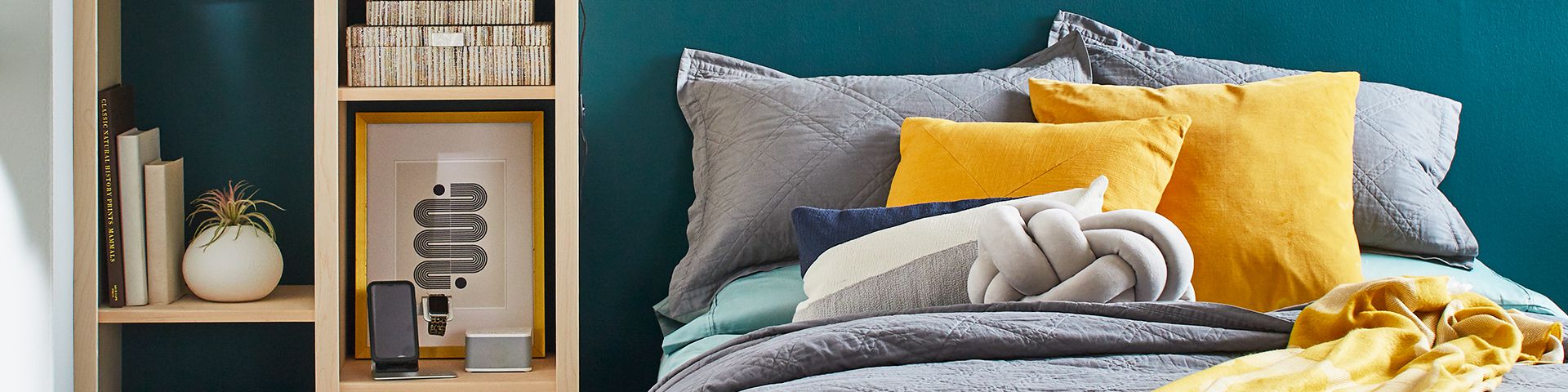
Your bedroom is more than the place where you collapse after a long day and wonder why your phone battery is always at 3 percent. It is your personal reset button, your quiet corner, your morning launchpad, and, ideally, the one room in the house that does not feel like it is hosting a meeting of laundry, cables, and random receipts.
The best bedroom decorating and design ideas are not about copying a showroom. They are about building a space that looks beautiful, sleeps well, stores real-life stuff, and still feels like you. Whether you have a spacious primary suite, a small apartment bedroom, a guest room, or a teeny room where the bed appears to have eaten the floor plan, the same principles apply: choose a calming foundation, plan your layout, layer texture, use lighting wisely, and give every item a reason to be there.
This guide breaks down practical bedroom decor ideas with specific examples, design logic, and a little humor because decorating should not feel like a final exam in throw-pillow geometry.
Start With the Feeling You Want
Before buying a headboard, rug, paint color, or that suspiciously expensive ceramic bowl labeled “decorative vessel,” decide how the bedroom should feel. Calm and spa-like? Warm and moody? Minimal and airy? Romantic and layered? Fresh and coastal? Cozy like a boutique hotel room that also knows where you keep your socks?
A clear mood keeps your bedroom design from turning into a collection of unrelated “cute things.” For example, if you want a soft retreat, build around muted colors, linen bedding, warm lighting, and natural textures. If you prefer a bold bedroom, choose one confident design elementsuch as patterned wallpaper, a dramatic upholstered bed, or a deep wall colorand let the rest of the room support it.
Plan the Bedroom Layout Before Decorating
A beautiful bedroom begins with layout, not accessories. The bed is usually the focal point, so place it where it feels grounded. In most rooms, that means centering it on the main wall, leaving space on both sides for movement and nightstands. If the room is small, placing the bed against a wall or in a corner can still work, especially when you balance it with art, lighting, or a shelf above.
Measure Before You Buy
Measure the room, windows, doors, closet swing, and walking paths. Then measure furniture before clicking “add to cart.” A king bed in a tiny bedroom may sound luxurious until you need to sideways-shuffle to reach the closet like a crab in pajamas. Leave enough space to move comfortably, open drawers, and make the bed without performing acrobatics.
Use Symmetry for Calm
Symmetry is one of the easiest bedroom decorating ideas because it makes the room feel organized instantly. Matching nightstands, paired lamps, or two similar pillows can create visual balance. The pieces do not have to be identical, but they should feel related in height, scale, color, or material.
Choose a Bedroom Color Scheme That Supports Rest
Bedroom color schemes do not have to be boring, but they should support the mood of the room. Soft neutrals, warm whites, oatmeal, pale blue, sage green, clay, taupe, blush, dusty lavender, and muted terracotta are all popular because they feel restful without looking flat.
For small bedroom design, light colors can make walls feel more open and reflective. White, cream, soft gray, and pale beige help bounce light around the room. But dark colors can also work beautifully when used intentionally. A deep green, charcoal, navy, or chocolate brown bedroom can feel cocoon-like, especially with warm lamps, textured bedding, and wood accents.
Try the 60-30-10 Rule
A simple color formula is 60 percent main color, 30 percent secondary color, and 10 percent accent color. For example: 60 percent warm white walls and bedding, 30 percent oak furniture and beige textiles, and 10 percent black metal lighting or olive green pillows. This keeps the bedroom polished without making it look like a catalog page with trust issues.
Invest in the Bed Area First
The bed is the star of the bedroom, so treat it like the lead singer, not the person shaking a tambourine in the back. A strong bed area includes a well-scaled bed frame, comfortable mattress, supportive pillows, layered bedding, and a headboard or visual anchor.
Layer Bedding Without Overdoing It
For a cozy bedroom, layer the bed in a way that looks inviting but still works for daily life. Start with quality sheets, add a quilt or duvet, fold a blanket at the foot, and finish with a few pillows. Two sleeping pillows, two shams, and one lumbar pillow are often enough. You do not need seventeen pillows unless your long-term goal is to spend every night relocating a fabric mountain.
Use Texture to Add Depth
Texture is the secret ingredient that makes neutral bedroom decor feel rich instead of plain. Combine cotton sheets, linen duvet covers, velvet pillows, chunky knit throws, woven baskets, wool rugs, rattan accents, or wood furniture. Even when the color palette is quiet, texture keeps the eye interested.
Layer Bedroom Lighting Like a Designer
One ceiling light cannot do all the work. A bedroom needs layers of lighting: ambient lighting for overall brightness, task lighting for reading or dressing, and accent lighting for mood. This is where many bedrooms go from “fine” to “please let me stay here forever.”
Use Warm Bulbs
Warm light is usually more flattering and relaxing than cool, bluish light. Choose warm white bulbs for bedside lamps and sconces. If possible, use dimmers or smart bulbs so the room can shift from bright morning mode to gentle evening mode.
Free Up Nightstand Space
Wall-mounted sconces or pendant lights are excellent for small bedrooms because they leave nightstands open for books, water, glasses, or the mysterious object you put down and immediately lose. They also frame the bed beautifully and make the room feel more custom.
Make Storage Beautiful and Useful
Clutter is the fastest way to ruin a restful bedroom. Storage does not have to be fancy, but it does need to be realistic. If your room lacks closet space, use under-bed storage, a storage bench, wall hooks, tall dressers, floating shelves, or baskets that hide everyday items.
Closed storage is especially useful in bedrooms because it reduces visual noise. Open shelving can look stylish, but only if you edit it carefully. If every shelf contains tangled chargers, half-used lotion, and a book you pretend to be reading, closed storage may be the kinder design choice.
Choose Furniture That Works Hard
Look for double-duty pieces: a bench with storage, a nightstand with drawers, a bed with built-in compartments, or a small desk that can also serve as a vanity. In a guest bedroom, a dresser can double as a luggage landing zone. In a small apartment, a wall shelf can replace a bulky bedside table.
Add a Rug That Fits the Room
A bedroom rug adds softness, warmth, and sound absorption. The most common mistake is choosing a rug that is too small. Ideally, the rug should extend beyond the sides and foot of the bed so your feet land on something soft in the morning instead of cold flooring that feels personally rude.
For a queen bed, an 8-by-10-foot rug often works well. For a king bed, consider a 9-by-12-foot rug. In smaller rooms, runners on each side of the bed can be a smart alternative. Choose low-pile rugs if doors need clearance or if you want easier cleaning.
Decorate the Walls With Intention
Bedroom wall decor should support the room’s mood. Large art above the bed can act like a headboard. A gallery wall can add personality. Wallpaper can create drama. Wall molding can give plain walls architectural character. Even a simple painted accent wall can help define the bed area.
Do Not Overcrowd the Walls
Negative space is not empty space; it is breathing room. A bedroom should not feel like every wall is shouting for attention. Choose one or two focal points, then let the rest of the room relax. Your eyes need a vacation too.
Bring in Natural Materials
Natural materials make bedroom decor feel grounded. Wood, linen, cotton, wool, jute, stone, clay, cane, and rattan all bring warmth and texture. A wood nightstand, woven shade, linen curtains, or ceramic lamp can soften a room immediately.
Plants are another easy way to add life to a bedroom. Choose low-maintenance options and place them where they receive appropriate light. If you are not a plant person, preserved branches, dried grasses, or botanical artwork can create a similar organic feeling without the pressure of keeping a leafy roommate alive.
Use Curtains to Make the Room Feel Taller
Curtains are a bedroom design power move. Hang curtain rods higher and wider than the window frame to make windows look larger and ceilings appear taller. Floor-length curtains add softness and help control light. For better sleep, pair sheer curtains with blackout panels or shades.
Fabric matters. Linen and cotton feel relaxed. Velvet feels dramatic. Textured weaves add depth. Avoid curtains that stop awkwardly above the floor unless there is a practical reason, such as a radiator or built-in furniture.
Create a Small Bedroom That Feels Bigger
Small bedroom decorating requires smart editing. Choose furniture with legs so more floor is visible. Use mirrors to reflect light. Keep the color palette cohesive. Try wall-mounted lighting. Use vertical storage. Avoid oversized furniture that blocks movement.
Small Bedroom Example
Imagine a 10-by-11-foot bedroom with one window and a queen bed. A good layout might include a simple platform bed, two narrow nightstands, wall sconces, a tall dresser, light curtains, an 8-by-10 rug tucked under the bed, and one large piece of art above the headboard. The result feels complete but not crowded.
Add Personality Without Creating Chaos
Your bedroom should reflect your life, not just current trends. Add personal touches through art, books, travel finds, family photos, vintage furniture, handmade ceramics, or a color you genuinely love. The trick is editing. One meaningful object on a nightstand is charming. Twelve tiny objects can look like they are waiting for a garage sale.
Trends can inspire you, but they should not boss you around. Earthy colors, textured wallpaper, vintage pieces, layered bedding, and expressive lighting are popular for good reason, but the best bedroom design is the one that still feels right after the trend cycle moves on to something named “quiet mushroom luxury.”
Budget-Friendly Bedroom Decorating Ideas
You do not need a full renovation to improve your bedroom. Small upgrades can have a big effect. Paint the walls. Change lampshades. Replace old bedding. Add a large rug. Swap hardware on dressers. Hang curtains higher. Use peel-and-stick wallpaper behind the bed. Refinish a thrifted nightstand. Add a bench, basket, or mirror.
Refresh Before Replacing
Before buying new furniture, ask what can be improved. A dated dresser may look fresh with new pulls. A plain headboard can be upgraded with fabric. A boring wall can become special with paint, molding, or framed art. Decorating is not always about spending more; often it is about seeing what you already own with better lighting and fewer dust bunnies.
Common Bedroom Decorating Mistakes to Avoid
The first mistake is ignoring scale. Furniture that is too large makes a bedroom feel cramped, while furniture that is too small can look awkward in a big room. The second mistake is relying on one overhead light. The third is choosing bedding that looks pretty but feels uncomfortable. The fourth is forgetting storage. The fifth is copying a trend without considering how you actually live.
Another common mistake is decorating the bedroom last because guests rarely see it. But you see it every morning and every night. That makes it one of the most important rooms in the home. A better bedroom can improve your routine, reduce stress, and make ordinary evenings feel more peaceful.
Experience Notes: What I Learned From Real Bedroom Decorating
After helping plan and rethink many bedrooms, one lesson keeps showing up: people usually do not need more decor first. They need a clearer room. The fastest improvement often comes from removing what does not belong. A chair buried under clothes is not seating; it is a laundry monument. A nightstand covered with receipts, chargers, cups, and mystery screws is not a vignette; it is a tiny crime scene. Once the clutter leaves, the actual room can finally introduce itself.
The second lesson is that lighting changes everything. I have seen bedrooms with good furniture look cold because the only light came from a harsh ceiling fixture. Add two warm bedside lamps, and suddenly the same room feels softer, more expensive, and less like someone is about to ask for your dental insurance card. Lighting creates mood faster than almost any other design choice.
The third lesson is that bedding matters more than people expect. A simple bed with comfortable sheets, a relaxed duvet, and one beautiful throw can look better than an expensive bed buried under stiff pillows. The goal is not to build a pillow fortress. The goal is to make the bed look like someone stylish could nap there without needing instructions.
I have also learned that small bedrooms can be surprisingly charming when they stop pretending to be large bedrooms. Instead of forcing in two bulky nightstands, use wall shelves or one slim table. Instead of a giant dresser, use vertical storage. Instead of five colors, try two main colors and one accent. A small bedroom with discipline feels cozy. A small bedroom without discipline feels like the furniture is arguing.
One of my favorite budget transformations involved a plain white bedroom with mismatched furniture. Nothing was technically wrong, but the room felt unfinished. The solution was simple: warm beige curtains hung near the ceiling, matching black reading sconces, a large textured rug, two thrifted wood nightstands, new brass drawer pulls on an old dresser, and a framed landscape print above the bed. The room did not become flashy. It became calm, finished, and personal. Best of all, the owner stopped apologizing for it when friends visited.
The final experience-based tip is to decorate slowly. Bedrooms reveal what they need over time. Live with the paint sample. Test the lamp height. Notice whether you actually use the bench. See if the rug sheds enough to create a second pet. Good bedroom decorating is not about finishing in one weekend. It is about making thoughtful choices until the room feels like the version of yourself that drinks water, folds laundry, and goes to bed on time. Ambitious, yes. Impossible, no.
Conclusion
Bedroom decorating and design ideas work best when beauty and function share the same pillow. Start with the mood you want, plan the furniture layout, choose a restful color scheme, layer lighting, invest in comfortable bedding, add storage, and finish with personal details. Whether your style is modern, cozy, minimalist, vintage, earthy, or boldly expressive, the goal is the same: create a bedroom that helps you rest, reset, and wake up feeling like your home is on your side.
A great bedroom does not need to be perfect. It needs to be comfortable, useful, and personal. If it can also make you smile before coffee, congratulationsyou have beaten the room at its own game.

