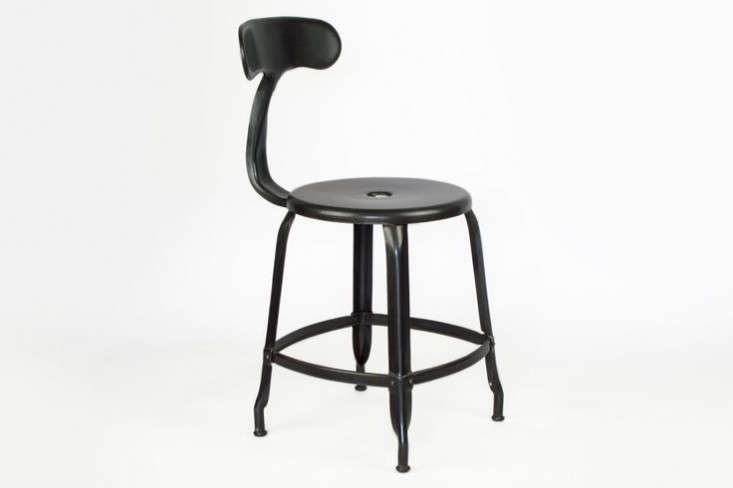
The Authentic 1933 Nicolle Counter Stool is the kind of furniture piece that makes a kitchen island look as if it has a passport, a design degree, and a charming French accent. It is practical, compact, sturdy, and stylish without acting like it spent three hours choosing an outfit. Born from the world of French workshops, this industrial counter stool has become a favorite among homeowners, designers, café owners, and anyone who believes a seat should do more than quietly hold a person above the floor.
At first glance, the Nicolle stool looks simple: metal frame, round seat, clean legs, anddepending on the modela distinctive backrest often nicknamed the “whale tail.” But that simplicity is exactly the point. The original Nicolle design was not created to win a beauty contest in a showroom. It was designed for real workers, real factories, and real daily use. Almost a century later, that honest purpose is what makes it feel so fresh in modern kitchens, breakfast bars, loft apartments, studios, restaurants, and creative workspaces.
This article explores the history, design value, styling potential, buying considerations, and everyday experience of living with an authentic Nicolle-style counter stool. Spoiler: it is not just a stool. It is a small metal ambassador for French industrial design.
The Story Behind the 1933 Nicolle Stool
The Nicolle story begins in France, near Paris, where Paul-Henry Nicolle founded a factory in the early twentieth century. The company originally worked with stamped metal, producing industrial components. Like many enduring design icons, the Nicolle stool was not created because someone wanted to decorate a magazine-worthy breakfast nook. It came from a practical need: workers needed a strong, comfortable, reliable place to sit.
In 1933, Paul-Henry Nicolle began marketing his metal seating beyond his own factory. The design quickly found a place in workshops and factories across France because it solved several problems at once. It was durable. It was relatively light. It had a small footprint. It could handle demanding environments. And it looked good in that effortless way that usually takes decades to appreciate.
The famous Nicolle chair and stool family became especially recognizable because of its stamped metal construction and sculptural backrest. The curved back shape earned the nickname “whale tail,” a phrase that sounds playful but describes the silhouette surprisingly well. It supports the lower back while giving the chair a graphic, memorable profile. In a world full of anonymous seating, the Nicolle design has a face, a posture, and a little bit of attitude.
Why the Authentic 1933 Nicolle Counter Stool Still Matters
Many furniture designs claim to be timeless. Some simply mean “available in beige.” The Nicolle stool earns the label because its core design is rooted in function. It does not depend on a short-lived trend, exaggerated proportions, or decorative gimmicks. Instead, the stool is built around practical geometry, strong materials, and visual clarity.
Industrial Design With Real Purpose
Industrial design works best when every detail has a job. The authentic Nicolle counter stool reflects that philosophy. The round seat keeps the profile compact. The metal body provides strength. The legs create stability without taking over the room. Stackable versions are especially useful in restaurants, cafés, studios, and smaller kitchens where extra seating is welcome but extra clutter is not.
Because the stool was originally associated with workshops, it carries a certain honesty. It does not pretend to be fragile. It does not require a velvet rope. It looks perfectly comfortable next to butcher block, marble, concrete, painted cabinetry, exposed brick, or glossy subway tile. Basically, it is the friend who gets along with everyone at the party.
The “Whale Tail” Backrest
The whale tail backrest is one of the most charming features of the Nicolle seating family. Its shape is not only decorative; it was designed to offer support while keeping the chair visually light. The result is a silhouette that feels both mechanical and organic. That contrast is part of the magic. A Nicolle stool can look tough and elegant at the same time, which is not easy. Many chairs try and end up looking like office furniture wearing eyeliner.
A Counter Stool That Fits Modern Kitchens
Modern homes often revolve around the kitchen island. It is where people eat breakfast, answer emails, help with homework, fold mail, host friends, and pretend they are only having “one more” snack. A counter stool must be comfortable enough for daily use but attractive enough to remain visible all day. The Nicolle counter stool fits that role well because it is visually slim, durable, and full of character.
Counter Height vs. Bar Height: Choosing the Right Nicolle Stool
One of the most important buying decisions is height. Counter stools and bar stools are not the same thing, even though online listings sometimes treat them like cousins who share sweaters. A counter stool is generally made for kitchen counters and islands, while a bar stool is taller and designed for higher bar surfaces.
A helpful rule is to leave roughly 10 to 12 inches between the top of the seat and the underside of the counter. This gives enough room for knees, comfort, and natural movement. For a standard kitchen counter around 36 inches high, a seat height near 24 to 26 inches usually works well. For taller bar counters, a 30-inch or higher stool may be more appropriate.
Authentic Nicolle stools are available in multiple heights, including counter-friendly and bar-friendly versions. Before buying, measure the counter from floor to underside, not just from floor to countertop surface. Then consider who will use the stools most often. A household with tall adults, children, or frequent guests may benefit from slightly different spacing than a restaurant or compact studio kitchen.
Materials, Finishes, and Construction
The classic Nicolle look is metal-forward, often with a powder-coated or painted finish. Some versions include wood seats, leather pads, or other material combinations that soften the industrial edge. The all-metal version feels crisp, durable, and easy to clean. A wood-and-metal version adds warmth and works beautifully in kitchens that already include natural oak, walnut, maple, or butcher block surfaces.
Metal Frame
The metal frame is central to the Nicolle identity. It gives the stool its factory-born confidence and allows the design to remain visually lean. Unlike bulky upholstered counter stools, a metal Nicolle stool does not dominate a kitchen island. It slides into the composition and still manages to be noticed.
Wood Seat Options
Wood seats add a warmer, slightly more residential feeling. They are especially appealing in kitchens with white cabinetry, stone counters, or neutral palettes that need a little texture. A natural wood seat can also make the stool feel less formal and more welcoming, like it is inviting you to sit down rather than audition for a design documentary.
Color Choices
One reason the Nicolle stool continues to appear in modern interiors is its range of color possibilities. Matte black is a classic choice for industrial kitchens. White feels clean and architectural. Red, yellow, blue, green, and other colorful finishes can turn the stool into a cheerful accent. A row of bright Nicolle counter stools can energize a simple kitchen without forcing the walls, cabinets, or backsplash to do acrobatics.
How to Style the Authentic 1933 Nicolle Counter Stool
The Nicolle stool is versatile, but it does have a personality. It leans industrial, European, vintage-inspired, and practical. That makes it a strong choice for several interior styles.
Industrial Kitchens
In an industrial kitchen, the Nicolle stool is completely at home. Pair it with concrete counters, exposed brick, dark hardware, steel shelving, or pendant lights with metal shades. A matte black or dark steel finish will create a cohesive look, while a brighter color can keep the room from feeling too serious. After all, even an industrial kitchen deserves to smile occasionally.
Modern Farmhouse Spaces
Modern farmhouse design often mixes rustic warmth with clean lines. The Nicolle stool can prevent the style from becoming too soft or predictable. Try a white or black frame with a wood seat near a painted island, apron-front sink, and warm wood flooring. The stool adds edge without shouting over the rest of the room.
Small Apartments and Studio Kitchens
Because Nicolle stools typically have a compact footprint, they are excellent for small spaces. Stackable models are especially practical for apartments, studios, and multi-use rooms. When not in use, they can be tucked away more easily than bulky upholstered stools. This is good news for anyone whose “dining room” is also an office, laundry sorting station, and occasional gift-wrapping headquarters.
Restaurants, Cafés, and Bars
The stool’s workshop heritage makes it a natural fit for hospitality settings. It can handle frequent use, fits around counters without looking heavy, and contributes instant atmosphere. In a coffee shop, the Nicolle stool says, “Yes, you may sit here with a cappuccino and write half a screenplay.” In a wine bar, it says, “I understand patina.”
Authentic vs. Inspired: What Buyers Should Know
The phrase “Authentic 1933 Nicolle Counter Stool” matters because the design has inspired many lookalikes. Some are respectful, some are affordable alternatives, and some are the furniture equivalent of a suspiciously cheap designer bag sold from the trunk of a car. If authenticity matters to you, look for clear brand identification, proper product documentation, trusted retailers, and details that match the original design language.
Authentic Nicolle pieces are associated with French manufacturing heritage, stamped metal construction, and the brand’s long history. Inspired stools may borrow the whale tail shape or industrial profile but differ in proportions, materials, finish quality, weight, welds, or comfort. That does not automatically make every inspired version bad, but it does mean buyers should know what they are paying for.
Signs of Quality
Look for a sturdy frame, clean welds, balanced legs, consistent finishing, and a seat height appropriate for your counter. A good stool should not wobble dramatically, scratch the floor easily, or feel flimsy when someone shifts their weight. If the stool has a backrest, it should feel supportive rather than decorative in the “please do not lean on me” sense.
When an Authentic Piece Is Worth It
An authentic Nicolle stool is especially worth considering if you care about design history, long-term durability, and a more collectible furniture story. It is not just a place to sit; it is a piece of industrial heritage adapted for modern life. For homeowners who want a kitchen with character, authenticity adds depth. For designers, it offers a recognizable but not overused icon. For cafés and restaurants, it brings brand atmosphere without needing to paint “We Have Taste” on the wall.
Comfort: Is a Metal Counter Stool Actually Pleasant?
This is the question everyone asks, usually while glancing suspiciously at the round metal seat. The answer depends on expectations and usage. A Nicolle counter stool is not a plush lounge chair. It will not swallow you in foam or encourage a three-hour nap. But for kitchen island meals, coffee breaks, casual conversations, and workbench tasks, it can be surprisingly comfortable, especially when the seat height is correct and the footrest is well positioned.
Metal seats are easy to clean and visually crisp, but some users prefer a wood seat or cushion for longer sitting sessions. If your kitchen island doubles as a remote-work station, a cushion may be a smart addition. If the stool is mostly used for breakfast, snacks, and quick gatherings, the classic seat may be more than enough.
Care and Maintenance
One of the advantages of the Nicolle stool is that it is not fussy. For painted or powder-coated metal, a soft cloth and mild soap are usually enough for routine cleaning. Avoid harsh abrasives that can damage the finish. In kitchens, wipe spills promptly, especially acidic ingredients like lemon juice, vinegar, or tomato sauce. Your stool may be tough, but it does not need to marinate.
For wood seats, follow basic wood-care principles: clean gently, avoid soaking, and use coasters or placemats when necessary. If the stool has leather or a leather-like seat pad, condition and clean according to the material type. In high-use commercial spaces, inspect feet, screws, and joints regularly to keep the stools stable and floor-friendly.
Best Rooms and Uses for the Nicolle Counter Stool
The kitchen island is the obvious home for a Nicolle counter stool, but it is not the only option. The stool can also work at a standing desk, craft table, workbench, bar counter, studio station, or retail display area. Its compact design makes it a practical extra seat that does not scream “temporary folding chair from the garage.”
In creative studios, the Nicolle stool feels especially appropriate because it began as working furniture. It belongs near tools, sketches, laptops, coffee cups, and half-finished ideas. In mudrooms, it can serve as a boot-changing seat. In entryways, it adds sculptural form without occupying too much space. In a breakfast nook, it can create a casual European café feeling with very little effort.
Design Analysis: Why the Shape Works
The success of the Nicolle counter stool comes from proportion. The circular seat softens the metal structure. The legs create stability while keeping the base narrow. The backrest, when present, gives the design a recognizable vertical gesture. Nothing feels over-designed. Nothing feels lazy either. It is the furniture equivalent of a perfectly tailored work jacket: useful, durable, and somehow stylish even with a few scuffs.
The stool also balances nostalgia and modernity. It looks vintage because of its industrial roots, but it does not feel old-fashioned. This is why it can sit beside contemporary cabinetry, minimalist lighting, and sleek appliances without looking like a museum prop. It adds memory to a room without dragging the room backward in time.
Common Mistakes to Avoid
Choosing the Wrong Height
The most common mistake is buying a bar-height stool for a counter-height island. The result is awkward, uncomfortable, and mildly dramatic. Always measure first. Furniture returns are nobody’s favorite cardio workout.
Ignoring Floor Protection
Metal stools can be tough on floors if the feet are not properly protected. Check whether the stool includes protective glides, and replace worn feet when needed. This is especially important for hardwood, polished concrete, tile, and rental apartments where security deposits live fragile little lives.
Overcrowding the Island
Because the Nicolle stool is compact, it can be tempting to squeeze in too many. Leave enough space between stools so people can sit comfortably and move their elbows like normal humans. As a general rule, allow around 24 inches of width per seat, more if the stool has arms or a wider profile.
500-Word Experience Section: Living With an Authentic 1933 Nicolle Counter Stool
Living with an Authentic 1933 Nicolle Counter Stool is a little like owning a vintage bicycle that has been carefully updated for modern streets. It has history, charm, and function, but it does not feel delicate. The first thing most people notice is how much personality it brings to a kitchen without taking up much visual space. A bulky upholstered stool can make an island feel crowded. A Nicolle stool, by contrast, slides neatly beneath the counter and still looks intentional when pulled out.
In daily use, the stool works best for active spaces. It is excellent for morning coffee, quick lunches, casual conversations, and the kind of kitchen gathering where everyone insists they are “just standing for a minute” and then stays for an hour. The metal frame gives it a solid, dependable feel. You do not sit on it wondering whether it has emotionally committed to supporting you. It simply does the job.
The seat experience depends on the version. An all-metal seat feels clean, cool, and very industrial. It is easy to wipe down after crumbs, spills, or the mysterious sticky spot that appears in every kitchen with no known suspect. A wood seat feels warmer and slightly more forgiving. If the stool is used for long laptop sessions, adding a thin cushion can make it more comfortable while preserving the design’s silhouette.
One of the best everyday benefits is flexibility. A Nicolle stool can move from the island to a worktable, from the kitchen to the entryway, or from a studio corner to an extra guest spot without looking out of place. It has that rare design quality of being both specific and adaptable. In a white kitchen, a black Nicolle stool adds contrast. In a dark kitchen, a bright yellow or red version brings energy. In a wood-heavy space, a metal stool keeps the room from becoming too rustic.
There is also a satisfying emotional quality to using furniture with a real backstory. Many modern stools look nice for a season and then fade into the background of online sameness. The Nicolle stool feels different because it carries evidence of purpose. It was born from work, not decoration. That gives it a grounded quality. It is not precious, but it is special.
Of course, it is not perfect for every situation. If you want a deeply cushioned seat for long dinners, this may not be your first choice. If young children will climb on and off frequently, consider stability, seat height, and floor protection carefully. And if you dislike visible patina or tiny marks, remember that industrial-inspired furniture often looks better when it relaxes a little. A Nicolle stool is not meant to live in fear of fingerprints.
Overall, the experience is practical, stylish, and quietly joyful. The stool does not beg for attention, yet guests often ask about it. It makes a kitchen feel collected rather than simply furnished. That is the difference between buying a seat and choosing a design object that earns its place every day.
Conclusion
The Authentic 1933 Nicolle Counter Stool remains relevant because it combines history, utility, and unmistakable style. It began as a practical French workshop seat and evolved into an industrial design classic suited for modern kitchens, cafés, studios, and creative homes. Its metal construction, compact footprint, stackable practicality, and iconic whale tail influence give it lasting appeal.
For buyers who want more than generic seating, the Nicolle counter stool offers character without clutter. It can be bold in color, quiet in black or white, warm with a wood seat, or sharply industrial in metal. Most importantly, it brings authenticity into everyday life. And in a world where many stools look like they were designed by a committee during a very long lunch break, that is worth celebrating.
Editorial Note: This article was written for web publication and synthesized from real historical, product, and interior design information about Nicolle chairs and stools, with no external source links included in the body for clean publishing.