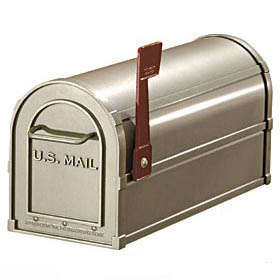
An antique rural mailbox is more than a metal box waiting patiently at the edge of a driveway. It is a small roadside landmark, a piece of American postal history, and occasionally the only object in the yard that looks like it has survived three snowstorms, two generations, and one very determined raccoon. Whether it is a rounded steel Joroleman-style box, a cast aluminum post-mounted design, a weathered tin mailbox from an old farm lane, or a restored curbside beauty with a red flag that still snaps proudly upward, the antique rural mailbox has a personality modern plastic boxes can only dream about.
In rural America, the mailbox has always had a job bigger than holding envelopes. It connected farms to newspapers, families to distant relatives, and small communities to the outside world. Before rural delivery became widespread, many country residents had to travel to a post office or depend on private carriers. The rise of Rural Free Delivery helped transform that experience, placing mail service closer to the farmhouse gate and turning the roadside mailbox into a symbol of convenience, independence, and everyday connection.
Today, antique rural mailboxes attract collectors, restoration hobbyists, farmhouse decorators, historic-home owners, and anyone who believes curb appeal should arrive with a little patina. This guide explores the history, styles, materials, buying tips, restoration advice, and real-life charm of antique rural mailboxes, with practical details for people who want a mailbox that looks like it has stories to tell.
What Is an Antique Rural Mailbox?
An antique rural mailbox is generally an older post-mounted or curbside mailbox designed for rural delivery. In strict collecting language, “antique” often refers to an item roughly 100 years old or older, while “vintage” may describe pieces several decades old. In everyday use, however, people often use “antique rural mailbox” for any old-style mailbox with historic character, traditional materials, or a design connected to earlier American roadside mail delivery.
The most recognizable type is the tunnel-shaped curbside mailbox, usually made of galvanized steel or painted metal. Its curved top sheds rain and snow better than a flat lid, and its front door gives mail carriers access from a vehicle. This shape became widely familiar during the growth of rural delivery and remains the mental picture many Americans have when they hear the word “mailbox.” Add a little rust, a faded house number, and a flag that squeaks like an old screen door, and suddenly it is not just a mailboxit is rural decor with a résumé.
A Brief History of Rural Mailboxes in America
Rural mail delivery changed American life in a practical and emotional way. Rural Free Delivery began experimentally in the late 19th century and became a permanent part of postal service in the early 20th century. For farm families and remote households, this meant fewer long trips into town just to check for letters, newspapers, bills, seed catalogs, or that one handwritten note from Aunt Clara who always had opinions about everyone’s curtains.
As rural routes expanded, mailboxes needed to become more standardized. Carriers had to serve them efficiently from wagons and later from vehicles. That need pushed mailbox design toward forms that were accessible, durable, weather-resistant, and easy to identify from the road. The classic rounded rural mailbox design, associated with early 20th-century postal engineering, helped solve several problems at once: it was simple to manufacture, practical in bad weather, and convenient for roadside delivery.
For collectors and homeowners today, this history matters because it gives the antique rural mailbox cultural weight. It is not just “old metal.” It is a reminder of the period when mail helped rural households participate more fully in commerce, politics, education, and family life. In many communities, the mailbox became the farm’s handshake with the rest of the country.
Popular Styles of Antique Rural Mailboxes
Classic Tunnel-Top Steel Mailboxes
The tunnel-top steel mailbox is the star of the rural mailbox world. It has a curved roof, a front-opening door, a side-mounted flag, and a shape so familiar that even children can draw it with three lines and a tiny flag. Older versions may show hand-painted numbers, embossed lettering, riveted construction, or thick metal that feels sturdier than many modern lightweight boxes.
Galvanized Metal Mailboxes
Galvanized metal mailboxes were designed to resist rust, making them practical for farms, wet climates, snowy regions, and dusty gravel roads. Over time, the zinc coating can develop a soft gray finish that looks perfectly at home beside a split-rail fence or a white farmhouse porch. A well-aged galvanized antique rural mailbox has that “I have seen things” look without needing to be dramatic about it.
Cast Aluminum and Decorative Metal Mailboxes
Some rural and suburban homes used heavier decorative mailboxes made from cast aluminum or other metal alloys. These often include raised lettering, ornamental posts, scrollwork, embossed address plaques, or decorative doors. They are not always as old as early rural steel boxes, but many vintage examples offer excellent curb appeal and can complement Colonial, Victorian, Craftsman, and farmhouse-style homes.
Wood-Framed Rural Mailboxes
Wooden mailbox structures are often homemade or semi-custom, built around a metal box or designed as a protective housing. On rural roads, homeowners have long been creative with mailbox posts and covers. Some look like barns, cabins, birdhouses, tractors, or tiny general stores. Antique and vintage wooden mailbox surrounds are especially charming, although they need more maintenance than metal because weather treats wood like an all-you-can-eat buffet.
Why Antique Rural Mailboxes Are Still Popular
The appeal of an antique rural mailbox comes from a mix of nostalgia, durability, and design. Modern curbside mailboxes can be perfectly functional, but many lack the warmth and character of an older piece. An antique mailbox has imperfect paint, softened edges, and small marks that make it feel lived-in. In home design, those imperfections often create authenticity.
For farmhouse decor, cottage landscaping, and historic-home restoration, an antique rural mailbox can anchor the entire front approach. It tells visitors that the property has roots. Even on a newer home, a vintage-style mailbox can soften the exterior and make the entrance feel less like a product display and more like a place where someone might offer lemonade in a mason jar.
Collectors also appreciate antique rural mailboxes because they are accessible pieces of postal history. Unlike large furniture or architectural salvage, a mailbox is small enough to display, restore, ship, or mount. It can sit in a garden, hang in a mudroom, hold tools in a shed, or serve as a conversation starter on a porch wall.
How to Choose the Right Antique Rural Mailbox
Start With Purpose
Before buying an antique rural mailbox, decide whether it will be decorative, functional, or both. A decorative box can have more flexibility. It may be rusty, missing a flag, or too delicate for daily use. A functional roadside mailbox, however, must meet current postal requirements and be safe for carriers to access. Beautiful is good. Beautiful and deliverable is better.
Check the Size
Older mailboxes may be smaller than today’s common large-capacity boxes. That is not a problem if you mostly receive letters, but it can be inconvenient if your household gets magazines, padded envelopes, medication shipments, or small parcels. If your online shopping habits are enthusiastic enough to worry the recycling bin, choose a larger vintage-style box or keep the antique mailbox for decorative use.
Inspect the Door and Hinges
The front door should open and close smoothly. Hinges should not be completely frozen, cracked, or missing. A little squeak is charming; a door that falls off into the road is less charming, especially when the mail carrier has to dodge it like a tiny metal frisbee.
Look for Structural Rust
Surface rust can be attractive and manageable. Deep rust, holes, weak seams, or crumbling metal are bigger concerns. Check the floor of the mailbox, the lower corners, the underside, and the area around mounting holes. These spots often hold moisture and reveal whether the box is merely aged or actively auditioning to become dust.
Consider the Post
A mailbox is only as good as its support. Antique posts can be wood, steel, cast iron, or decorative aluminum. For functional curbside use, the post should be sturdy but not dangerously rigid. Many areas prefer supports that can give way if struck by a vehicle, and local rules may apply. For decorative garden use, you have more freedom to use heavier or ornamental posts.
Restoring an Antique Rural Mailbox
Restoration can be simple or detailed depending on your goal. Some people want a fully repainted mailbox that looks crisp and fresh. Others prefer conservation, keeping the patina while stopping further damage. Neither approach is wrong. The right choice depends on the age, rarity, condition, and intended use of the mailbox.
Clean Gently First
Start with mild soap, water, and a soft brush. Remove dirt, old leaves, insect nests, and mysterious rural debris that may or may not have once been a receipt. Avoid aggressive sanding at first, especially if the mailbox has original lettering, embossed marks, or painted numbers worth preserving.
Remove Loose Rust
Use a wire brush, fine sandpaper, or a rust-removal pad to remove loose corrosion. The goal is not always to make the metal look new. Sometimes the best restoration keeps honest age while stopping decay. For functional use, focus especially on the bottom, seams, door, flag bracket, and mounting points.
Prime and Paint When Needed
If you repaint, choose an exterior metal primer and an outdoor-rated paint. Black, white, dark green, barn red, and galvanized gray all work well for a rural look. A glossy finish feels cleaner and more traditional, while satin or matte finishes can look more subdued and historic. Do not paint over moving parts so thickly that the flag becomes ornamental. A mailbox flag should wave, not contemplate its career choices.
Preserve Original Details
Original house numbers, manufacturer marks, postal approval stamps, old decals, and hand-painted names can add value and character. If those details are intact, consider cleaning around them rather than covering them completely. A slightly faded “Route 2” or old family name can be more interesting than a perfect new coat of paint.
Using an Antique Rural Mailbox for Curb Appeal
For web searches and home projects alike, “curb appeal” is the magic phrase. An antique rural mailbox can upgrade a driveway entrance quickly because it is one of the first details people notice. It also sets a tone before guests reach the porch. A mailbox beside wildflowers suggests cottage charm. A black metal mailbox on a cedar post feels classic. A galvanized box near a gravel lane says, “Yes, we probably own a good shovel.”
To style an antique rural mailbox well, match it to the property’s architecture. A weathered galvanized box works beautifully with farmhouse, ranch, and rustic cabins. A decorative cast mailbox may suit traditional homes with brick paths or formal landscaping. A simple black steel box pairs well with almost anything, especially when the house numbers are clean and visible.
Landscaping also matters. Low-maintenance plants such as ornamental grasses, lavender, sedum, daylilies, or native perennials can soften the base of the post. Keep plants low enough that they do not block the mailbox, flag, address numbers, or carrier access. The goal is “charming country entrance,” not “botanical ambush.”
Can You Still Use an Antique Rural Mailbox for Mail Delivery?
Sometimes, yesbut only if it meets current postal rules and local delivery requirements. A functional curbside mailbox should be accessible from the carrier’s vehicle, installed at the correct height and distance from the road, and large enough to handle normal mail volume. The door should open easily, the address should be visible, and the box should not create a hazard.
Before installing an antique rural mailbox for daily delivery, check with the local post office or carrier. This is especially important if the box is unusually small, handmade, decorative, mounted on a nonstandard post, or located on a road with snowplow issues. Postal rules exist partly so carriers can serve routes safely and efficiently. A mailbox that looks amazing but requires a three-point turn and a prayer is not a practical mailbox.
If the antique box does not qualify for regular delivery, it can still be used decoratively. Many homeowners mount old rural mailboxes near gardens, workshops, barns, porches, or entry gates. They can hold gloves, seed packets, dog leashes, garden tools, guest notes, or seasonal decorations. In other words, retirement from postal duty does not mean retirement from usefulness.
Where to Find Antique Rural Mailboxes
Good places to look include antique shops, architectural salvage yards, estate sales, farm auctions, flea markets, online marketplaces, and local classifieds. Rural areas often produce the best finds because old farm properties may have replaced mailboxes over decades without throwing away the originals. Somewhere in America, there is probably a barn shelf holding three old mailboxes, a coffee can full of bolts, and a mystery tool nobody has identified since 1978.
When buying online, review photos carefully. Ask for close-up images of the bottom, inside floor, flag, hinge, door latch, and mounting holes. Measurements are important because photographs can make a tiny box look larger than it is. If the listing says “rare antique rural mailbox,” but the box has a barcode sticker and looks younger than your toaster, proceed with healthy skepticism.
What Affects the Value of an Antique Rural Mailbox?
Value depends on age, condition, rarity, material, manufacturer, originality, and decorative appeal. A common mid-century steel mailbox in rough condition may be inexpensive, while an early or unusual mailbox with original markings, strong construction, and attractive patina may command more interest. Decorative cast metal mailboxes, branded examples, or boxes connected to historic properties can also be more desirable.
Condition is not always about perfection. Many buyers prefer authentic wear, especially for farmhouse or rustic decor. However, severe rust, missing doors, broken flags, and weak structure reduce functional value. The sweet spot is a mailbox that looks old but still feels stable. Think “weathered gentleman,” not “collapsing soup can.”
Best Design Ideas for Antique Rural Mailboxes
Farmhouse Driveway Marker
Mount a galvanized antique rural mailbox on a cedar or pressure-treated wood post. Add black house numbers and low native plants around the base. This creates a simple, timeless entrance that feels practical and warm.
Garden Storage Box
Place an old mailbox near a vegetable garden to hold gloves, seed packets, plant labels, twine, and small hand tools. It keeps supplies dry and adds a playful historic touch.
Porch Letter Box
A retired mailbox can be mounted on a porch wall as a decorative letter holder. It is great for outgoing notes, keys, sunglasses, or the random objects that otherwise migrate across every flat surface in the house.
Historic Home Accent
For an older house, choose a mailbox style that matches the home’s period and materials. A black metal box on a traditional post can look appropriate without becoming overly theatrical.
Common Mistakes to Avoid
The first mistake is confusing antique style with actual antique quality. Many new mailboxes are designed to look old, and some are excellent choices. But if you are paying antique prices, make sure the piece has genuine age, construction details, or provenance.
The second mistake is ignoring postal function. A rural mailbox must be easy for the carrier to reach. If it sits too far from the road, too low, too high, or behind overgrown plants, delivery may become difficult.
The third mistake is over-restoring. Sandblasting every mark, repainting too perfectly, and replacing every old part can erase the very charm that made the mailbox special. Clean it, stabilize it, and repair what mattersbut let some history remain.
The fourth mistake is choosing the wrong scale. A tiny antique mailbox may look adorable, but it can be impractical for modern mail volume. If you receive frequent packages, consider using a USPS-compliant modern box for delivery and an antique rural mailbox as a decorative feature.
Experiences With Antique Rural Mailboxes: Lessons From the Roadside
Living with or restoring an antique rural mailbox teaches you that small objects can carry big stories. One of the most memorable experiences comes from finding an old mailbox still attached to a leaning wooden post at the edge of a country property. At first glance, it may look like scrap metal. Look closer, and you notice the faded numbers, the worn handle, the old flag, and the way the door still opens with a tired but determined creak. That sound alone can feel like a postcard from another decade.
Many homeowners discover that restoring an antique rural mailbox is less about perfection and more about respect. You clean off the mud, brush away loose rust, tighten a hinge, and suddenly the box has a second life. Sometimes the original paint is too far gone, but traces remain under the lid or around the flag bracket. Those little details can guide your color choice. A faded red flag may inspire a traditional repaint. A gray galvanized body may look best with only a protective clear coat. The mailbox almost tells you what it wants, although thankfully it does not speak out loud, because that would make the driveway weird.
Another experience is the reaction from neighbors. A distinctive antique rural mailbox becomes a landmark. Delivery drivers may say, “Turn at the old mailbox.” Friends remember it. Children notice it. In neighborhoods where many mailboxes look identical, an antique box gives the property a face. It says someone cared enough to choose an object with character rather than grabbing the first plain box on the hardware store shelf.
There is also a practical lesson: old does not automatically mean strong. Some antique mailboxes look sturdy until you inspect the bottom and find rust holes big enough to make envelopes nervous. Before mounting one for real mail delivery, test the floor, door, hinges, and flag. A box can be beautiful and still better suited for garden storage than daily postal service. That is not failure. That is matchmaking.
For people who enjoy DIY projects, an antique rural mailbox is satisfying because the project is manageable. Unlike restoring a barn, it does not require a second mortgage, a crew of specialists, and a family meeting. You can usually clean, repair, prime, and repaint a mailbox over a weekend. The finished result is visible every day, right at the entrance to the property. Few projects offer that much charm per square inch.
Perhaps the best experience is emotional. An antique rural mailbox reminds us that communication used to arrive slowly, physically, and with anticipation. Someone raised a flag to send a letter. Someone checked the box hoping for news. Bills arrived there, yes, but so did birthday cards, postcards, seed catalogs, family updates, and newspapers. Restoring or displaying an old mailbox preserves a tiny piece of that rhythm. It is a humble object, but it holds a surprisingly large amount of American memory.
Conclusion
An antique rural mailbox brings together history, utility, and curb appeal in one compact roadside package. It reflects the rise of rural delivery, the ingenuity of practical American design, and the lasting appeal of objects made to work hard in all kinds of weather. Whether you want a functional curbside mailbox, a farmhouse-style garden accent, or a collectible piece of postal history, the right antique rural mailbox can add warmth and character to any property.
The key is to choose carefully. Look for solid construction, manageable rust, working hardware, and a style that fits your home. Restore gently, respect original details, and confirm postal requirements before using an old box for active mail delivery. A good antique rural mailbox does not need to be flawless. In fact, a few scratches and dents may be the best part. After all, perfect is easy to manufacture; character has to earn its wrinkles.