If regular butter is the friendly neighbor who waves from the porch, anchovy butter is that same neighbor after a trip to culinary school, a weekend in Italy, and one espresso too many. It is rich, salty, silky, and just a little dramatic in the best possible way. And despite its bold flavor, an anchovy butter recipe is not some fussy chef project that requires a copper saucepan and emotional support parsley. It is one of the easiest flavor boosters you can make at home.
At its core, anchovy butter is a compound butter: softened butter mixed with intensely savory ingredients until it becomes a spreadable, meltable secret weapon. The anchovies do not shout “Hello, I am fish!” the way many people fear. Instead, they melt into the butter and create deep umami flavor, the kind that makes toast taste smarter, steak taste pricier, and steamed vegetables suddenly feel like they got invited to the main table.
This guide gives you a simple, dependable anchovy butter recipe, plus variations, serving ideas, storage tips, and real-world advice for making it taste balanced rather than aggressively salty. If you have ever wanted a quick condiment that can rescue dinner in under ten minutes, this might be your new kitchen favorite.
What Is Anchovy Butter?
Anchovy butter is a savory spread made by blending softened butter with anchovies and a few supporting ingredients such as garlic, lemon juice, lemon zest, herbs, paprika, capers, or black pepper. It belongs to the same family as garlic butter, herb butter, and other compound butters, but it brings a stronger, more complex flavor thanks to the anchovies.
The magic is in the contrast. Butter is creamy, mellow, and rich. Anchovies are salty, briny, and packed with umami. Together, they create a balanced condiment that tastes luxurious rather than harsh. Used properly, anchovy butter does not overwhelm a dish. It rounds it out, deepens it, and quietly makes people ask, “Why is this so good?”
That is exactly why this anchovy butter recipe works so well on everything from grilled bread to roasted potatoes. It behaves like a sauce when melted, like a spread when chilled, and like a clever shortcut when you want restaurant-style flavor without spending your entire evening hovering over a pan.
Why This Anchovy Butter Recipe Works
1. Butter softens the anchovies’ intensity
Anchovies on their own can be punchy. Butter takes the edge off and turns that sharp saltiness into a round, savory depth. The result is bold, but still friendly.
2. A little goes a long way
You do not need a mountain of ingredients. A few anchovy fillets, good butter, and one bright note like lemon are enough to create a spread that tastes layered and elegant.
3. It is flexible
This is not a one-use condiment. You can smear it on warm bread, melt it over steak, toss it with pasta, spoon it over fish, or let it turn steamed vegetables into something suspiciously addictive.
4. It is make-ahead friendly
Anchovy butter stores well in the refrigerator for short-term use and can be frozen for longer storage. That means you can make it once and keep flavor on standby like a very delicious emergency contact.
The Best Anchovy Butter Recipe
Ingredients
- 1 cup unsalted butter, softened
- 6 oil-packed anchovy fillets, drained and finely minced
- 1 small garlic clove, grated or mashed into a paste
- 1 teaspoon lemon zest
- 1 teaspoon fresh lemon juice
- 1 teaspoon finely chopped fresh parsley
- 1/4 teaspoon freshly ground black pepper
- Pinch of red pepper flakes, optional
- Salt only if needed, to taste
Why these ingredients matter
Unsalted butter is important because anchovies already bring plenty of salt. Starting with unsalted butter gives you control. Oil-packed anchovies are ideal because they are tender, easy to mash, and dissolve beautifully into butter. Garlic adds warmth and backbone. Lemon zest and juice cut through the richness and brighten the final flavor. Parsley adds freshness without stealing the spotlight.
Instructions
- Place the softened butter in a medium bowl. It should be soft enough to mash with a fork, but not melted.
- Add the minced anchovies, garlic, lemon zest, lemon juice, parsley, black pepper, and red pepper flakes if using.
- Mash and mix with a fork or small spatula until the anchovies are fully incorporated and the butter looks smooth and evenly speckled.
- Taste carefully. Add a tiny pinch of salt only if the butter truly needs it.
- Use immediately as a soft spread, or transfer to parchment paper or plastic wrap and shape into a log.
- Chill for at least 1 hour until firm. Slice into rounds or scoop as needed.
Yield
This anchovy butter recipe makes about 1 cup, enough to generously finish several meals or to keep in the refrigerator for a weeknight flavor upgrade.
How to Make the Flavor Balanced, Not Bossy
The biggest mistake people make with anchovy butter is assuming more anchovies automatically equals more flavor. Technically, yes. But it can also equal “why does this taste like a seawater slap?” The goal is balance.
Start with six fillets per cup of butter. That ratio gives you enough savory power to notice, but not so much that the butter becomes salty chaos. If you are an anchovy enthusiast, you can push it to eight fillets. If you are cooking for someone who claims to hate anchovies but mysteriously loves Caesar dressing, stay closer to four or five.
Lemon is the peacekeeper here. It keeps the butter from tasting flat or heavy. Garlic adds aroma and a little bite, but use it carefully. Too much raw garlic can bully the butter and turn the whole thing sharp. One small clove is usually enough.
If you want extra complexity, stir in a teaspoon of capers, a pinch of smoked or hot paprika, or a few chopped chives. But do not toss in everything your refrigerator has ever known. Anchovy butter is best when it stays focused.
How to Use Anchovy Butter
On bread
Spread it on toasted sourdough, baguette slices, or warm dinner rolls. This is the fastest route to understanding why anchovy butter deserves a permanent place in your kitchen. Add sliced radishes, parsley, or cracked black pepper if you want it to look extra charming.
On steak
Drop a cold slice onto a hot steak right before serving. The butter melts into the meat, creating a glossy, savory finish that tastes far fancier than the amount of effort involved.
With fish
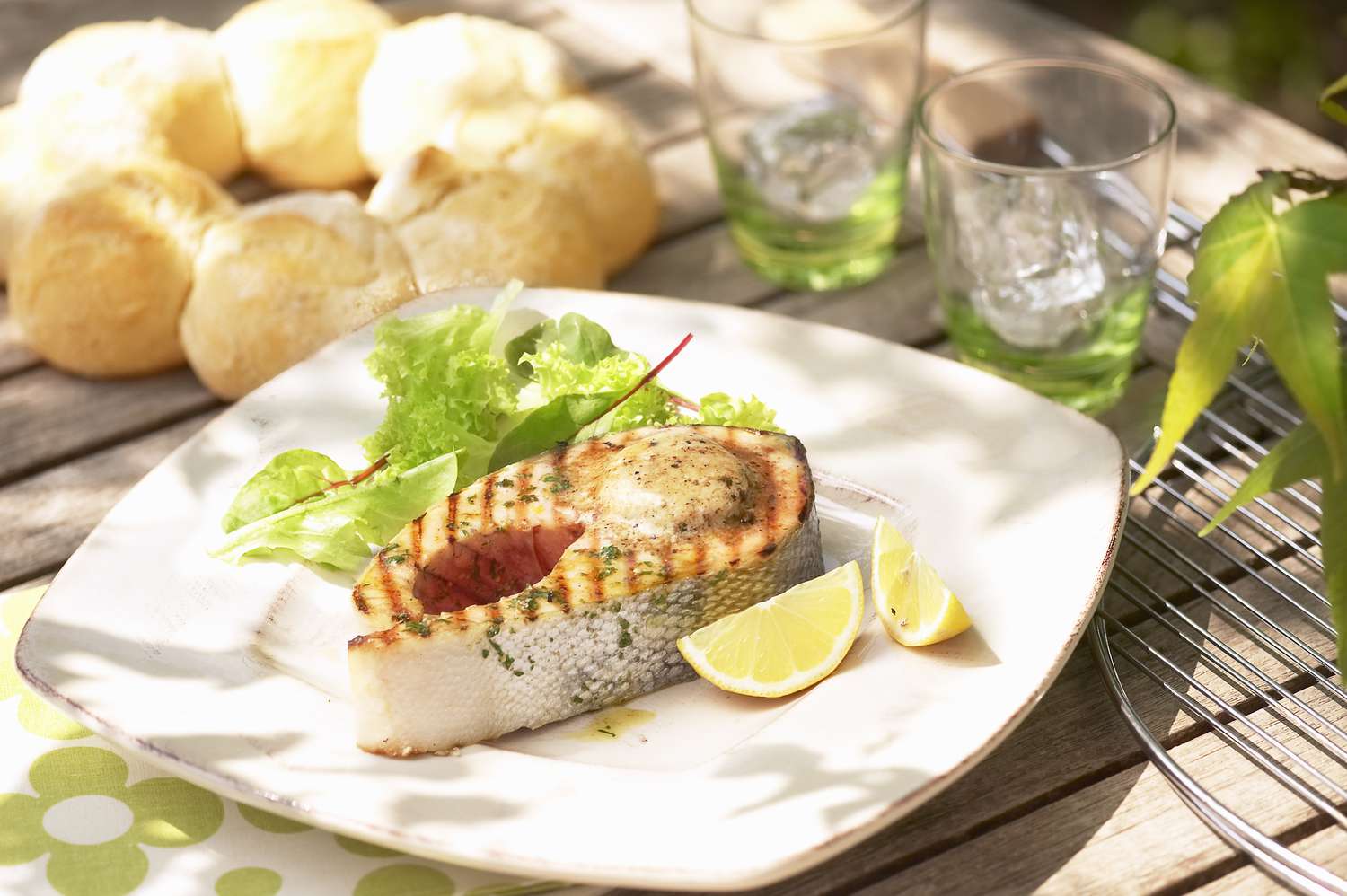
Anchovy butter pairs naturally with mild fish like cod, sole, halibut, or salmon. A small spoonful over hot fish gives you richness, salinity, and brightness all at once.
With vegetables
Try it with roasted cabbage, steamed potatoes, grilled zucchini, asparagus, green beans, or mushrooms. Vegetables have a way of becoming suspiciously popular when anchovy butter enters the room.
With pasta
Toss hot pasta with a spoonful of anchovy butter and a splash of pasta water. Add toasted breadcrumbs, lemon zest, and chopped herbs, and suddenly dinner looks extremely intentional.
With chicken
Rub it under the skin before roasting, or melt it over pan-seared cutlets. It gives chicken the kind of savory confidence it often lacks on its own.
Easy Variations on Anchovy Butter
Anchovy Garlic Butter
Double the garlic and skip the herbs for a punchier version that works beautifully on bread, shrimp, and pasta.
Anchovy Lemon Herb Butter
Add chives, parsley, and a little extra zest. This version is especially good with fish, spring vegetables, and roasted potatoes.
Spicy Anchovy Butter
Mix in red pepper flakes or hot paprika. It is excellent with grilled steak, corn, or crusty bread.
Anchovy Caper Butter
Stir in a teaspoon or two of chopped capers for a briny, almost sauce-like flavor. This variation is perfect on seafood and roasted cauliflower.
Smoky Anchovy Butter
Add a pinch of smoked paprika for depth and a slightly woodsy note. This one loves grilled foods and roasted mushrooms.
Common Mistakes to Avoid
Using cold butter
If the butter is too firm, it will not mix smoothly and the anchovies will clump instead of blending. Softened butter makes everything easier.
Adding too much salt
Anchovies are already salty. Taste the finished butter before adding any extra salt. Often, you will not need any at all.
Ignoring acidity
A little lemon keeps the butter lively. Without it, the mixture can taste heavy or one-dimensional.
Overloading the mix
It is tempting to add herbs, capers, chile, mustard, and ten other interesting things. Resist the urge. A crowded butter can taste confused instead of layered.
Using low-quality anchovies
Because there are so few ingredients, quality matters. Good anchovies should taste savory and rich, not harsh or metallic.
How to Store Anchovy Butter
For the best texture and flavor, keep anchovy butter refrigerated in an airtight container or wrapped tightly as a log. Because it contains fish and other perishable ingredients, treat it like a prepared leftover rather than a forever condiment. Use it within 3 to 4 days for best safety and freshness.
If you want to keep it longer, freeze it. A log shape works especially well because you can slice off a coin whenever you need one. Wrap it well, then freeze. To use, thaw a portion in the refrigerator or slice directly from frozen for hot foods.
Do not leave anchovy butter sitting out all afternoon like it is a decorative candle. If it has been at room temperature for too long, especially in a warm kitchen, it is better to make a fresh batch than take chances.
What to Serve with Anchovy Butter for a Full Meal
If you want to turn this condiment into a complete dinner strategy, here is a simple plan: grill or pan-sear a steak, roast baby potatoes, and steam green beans. Finish all three with small amounts of anchovy butter. Dinner suddenly tastes coordinated, polished, and just a little smug.
For seafood night, spoon it over baked cod or salmon and serve with crusty bread to catch the melted butter. For a vegetarian angle, toss hot roasted carrots or cabbage wedges with it and finish with lemon and herbs. For the easiest lunch imaginable, spread it on toast and top with sliced radishes or tomatoes.
The beauty of this anchovy butter recipe is that it does not demand a special occasion. It turns ordinary ingredients into something more memorable, which is exactly what a great kitchen staple should do.
Conclusion
An anchovy butter recipe is one of those rare kitchen tricks that feels both chef-y and incredibly practical. It takes only a few minutes, uses a short ingredient list, and delivers outsized flavor. The butter brings richness, the anchovies bring umami, and a little lemon keeps everything bright and balanced.
Whether you spread it on toast, melt it over steak, stir it into pasta, or swipe it across roasted vegetables, anchovy butter makes simple food taste intentional. It is salty, savory, and endlessly useful without being fussy. Once you make it, you may start looking around your kitchen for random things that could use a dab of it. Bread? Absolutely. Fish? Naturally. A spoon? Let us not get reckless, but emotionally, yes.
Kitchen Experiences: What Making Anchovy Butter Is Actually Like
The experience of making anchovy butter is part of its appeal. It does not feel like building a recipe from scratch so much as discovering a shortcut that somehow tastes like effort. You start with soft butter, which already feels promising because soft butter suggests good things are about to happen. Then the anchovies go in, and if you are new to them, there may be a brief moment of hesitation. They look intense. They smell assertive. They are not trying to win a beauty contest. But as soon as you mash them into the butter, they stop acting like separate ingredients and start becoming a single, savory mixture.
That transformation is one of the most satisfying parts. The anchovies dissolve, the garlic softens into the fat, the lemon lifts everything, and suddenly the bowl smells less like fish and more like possibility. It smells like the base of a great sauce, the finishing touch on a steak, the thing you spread on toast while pretending you planned a very elegant snack board all along.
In a real home kitchen, this recipe often becomes a rescue move. Maybe dinner feels boring. Maybe the vegetables are technically cooked but emotionally unfinished. Maybe the chicken is fine, which is the least inspiring adjective in the English language when applied to food. Anchovy butter steps in and changes the mood. A spoonful over hot food melts instantly and creates the kind of gloss and aroma that makes a meal feel more complete.
It is also the sort of recipe that teaches confidence. The first time you make it, you may follow the measurements closely. The second time, you start adjusting. More lemon for brightness. Less garlic for subtlety. A pinch of chile because the weather is rude and you deserve excitement. That flexibility makes the recipe feel less like a fixed formula and more like a kitchen instinct you can build over time.
There is also a social side to anchovy butter that is surprisingly fun. It tends to convert skeptics. Someone says they do not like anchovies, and then they happily eat toast spread with anchovy butter, or devour potatoes tossed in it, or ask why the steak tastes so good tonight. That moment is always a little satisfying. Not because you proved them wrong in a dramatic courtroom sense, but because you introduced them to anchovies in a form that highlights their depth rather than their reputation.
And perhaps that is the best experience attached to this recipe: it makes you feel clever without making you work too hard. It gives home cooking a little edge, a little warmth, and a little personality. It is the kind of small recipe that changes how you season and finish food afterward. Once it becomes familiar, anchovy butter stops being a novelty and starts being one of those quiet kitchen habits that makes your cooking taste more confident.